How to Get Physical Therapy and Rehabilitation Covered in Costa Rica
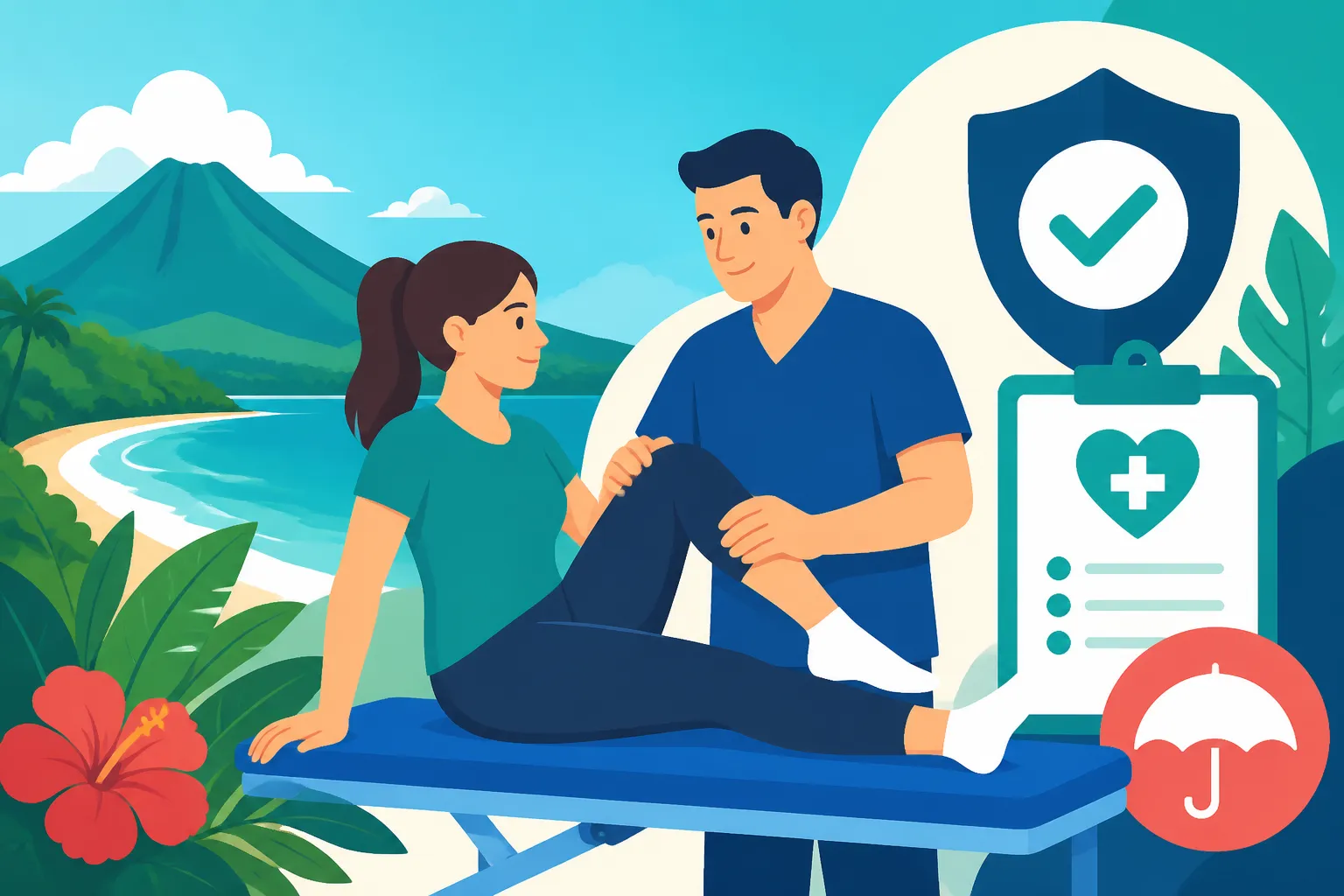
Moving to the tropics often involves a much more active lifestyle than what many of us led back home, but with that increased activity comes the very real risk of injury. Whether it is a slip on a rain-slicked tile floor during a June downpour or a torn rotator cuff from a first-time surf lesson in Nosara, finding yourself in need of rehabilitation can be an administrative nightmare for a foreigner. This guide explains exactly how to navigate both the public and private systems to ensure your physical therapy is covered and professionally handled.
Understanding the Landscape of Physical Therapy in Costa Rica
The first thing you need to realize as an expat is that physical therapy—or terapia física—is a highly respected medical profession here, but the way you access it depends entirely on your residency status and your insurance coverage. In Costa Rica, the healthcare world is split into two distinct realms: the public system, known as the Caja (CCSS), and the flourishing private sector. For many of us, the path to recovery often involves a mix of both, depending on the severity of the injury and our personal budget.
The Role of the Colegio de Terapeutas
In Costa Rica, every practicing physical therapist must be registered with the Colegio de Terapeutas. This is a crucial point for you to verify, especially if you are seeking reimbursement from an insurance provider like SafetyWing. The professional body ensures that therapists meet specific educational standards and adhere to local medical ethics. When you walk into a clinic in Escazú or Santa Ana, you should look for their professional credentials displayed on the wall. If they aren't registered, your insurance claim will likely be denied before it even reaches the adjuster’s desk.
Beyond just "cracking backs" or simple massages, these professionals are trained in kinesiotherapy, electrotherapy, and specialized post-surgical rehabilitation. For those who have lived here long enough, you know that the "word of mouth" network is powerful. You’ll hear names of specific therapists passed around in expat Facebook groups, but always cross-reference these recommendations with their official standing in the Colegio. This professional oversight is what allows for the high standard of care that makes Medical Tourism in Costa Rica: Why People Travel Here for Treatment (2027) such a growing industry.
Public vs. Private Facilities
Public rehabilitation is handled through a network of clinics and specialized centers, the most famous being CENARE (Centro Nacional de Rehabilitación) in San José. This facility is world-class in terms of equipment and staff expertise, but getting a spot there is like winning the lottery. For the average expat dealing with a sprained ankle or chronic back pain, your public journey starts at your local EBAIS. To understand how to get into this pipeline, you should first read about How to Find and Register with an EBAIS Clinic in Costa Rica.
The private side of the coin is much more accessible but comes with a price tag. Hospitals like CIMA, Clinica Biblica, and Hospital Metropolitano have state-of-the-art rehabilitation departments. These facilities feel more like high-end gyms or wellness centers and often have staff that speak perfect English. If you are a digital nomad or a temporary resident, you will likely spend 100% of your time in these private clinics. If you are covered by an international plan like SafetyWing, you can often choose the most convenient high-end clinic near your home and seek reimbursement afterward.
Navigating the Caja (CCSS) for Rehabilitation Services
If you are a legal resident and are paying your monthly dues, you have the right to access physical therapy through the public system. However, "having the right" and "getting an appointment" are two very different things in the Costa Rican bureaucracy. The frustration of wait times is a common complaint among foreigners, but the quality of care, once you are in the room with a therapist, is generally excellent.
The Referral Process via the EBAIS
You cannot simply walk into a public clinic and ask for a physical therapist. The process always begins with a general practitioner at your local EBAIS. You will need to present your DIMEX card and proof of up-to-date payments. To understand this better, check out How to Use Your DIMEX to Access Healthcare in Costa Rica. The doctor will evaluate your injury and, if they deem it necessary, will issue an electronic referral for terapia física.
This referral then goes into a centralized system. Depending on where you live, you might be seen at a local clinic or referred to a larger regional hospital. For those living in rural areas like the Osa Peninsula, this might mean a long bus ride to a larger town for every single session. This is why many expats choose to supplement their public coverage with private options, especially when a quick recovery is essential for their livelihood. If you're working locally, you'll also need to understand How to Get a Sick Leave Certificate (Incapacidad) in Costa Rica to ensure your time off for therapy is legally protected.
Wait Times and the Reality of Public Care
The "Elephant in the room" with the Caja is the wait time. For non-emergency physical therapy, such as chronic knee pain or a mild sports injury, the wait for an initial evaluation can stretch from several weeks to several months. This is particularly true in densely populated areas like San José or Alajuela. When you finally get your appointment, you will likely be given a "packet" of sessions—usually 10 to 12 appointments—which are scheduled once or twice a week.
If your injury is the result of a major accident or surgery performed within the Caja system, your priority is much higher. Post-surgical patients are fast-tracked into rehabilitation because the system knows that poor recovery leads to more expensive long-term care. However, for the "wear and tear" injuries common among the retiree population, the wait can be demoralizing. Understanding How Long Are Wait Times in the Caja System in Costa Rica is vital before you decide to rely solely on public care for a painful injury.
Private Health Insurance and Physical Therapy Coverage
Because of the wait times in the public system, the vast majority of expats carry some form of private insurance. Whether it is a local policy through the INS (Instituto Nacional de Seguros) or an international plan, understanding how they handle "rehab" is the difference between a free recovery and a $2,000 bill.
National Insurance (INS) and Specialized Coverage
The INS is the state-owned insurance giant and offers various health plans that include physical therapy. Typically, these plans work on a "deductible and co-pay" basis. You might pay the first $200 or $500 of your medical expenses for the year, and then the insurance covers 80% of the therapy sessions. One advantage of INS is that they have a massive network of "direct billing" clinics. This means you only pay your 20% co-pay at the desk, and the clinic handles the rest with the insurance company.
Before signing up, you should research Understanding INS Health Insurance Plans in Costa Rica to see which tier of coverage includes rehabilitation. Some lower-tier plans might limit the number of sessions per year or require a referral from a doctor within their specific network. Always verify if the clinic you want to use in, say, Jacó or Tamarindo, is actually on the "convenio" list for INS, or you may find yourself paying the full price upfront and fighting for a refund later.
International Plans and SafetyWing
For digital nomads, remote workers, and those who haven't yet secured permanent residency, international health insurance is often the primary safety net. SafetyWing is a popular choice in the Costa Rican expat community because it is designed for people who are "on the move." When you suffer an injury that requires physical therapy, these plans usually require that the treatment is medically necessary and prescribed by a licensed physician.
With SafetyWing, the process usually involves paying for your therapy sessions out of pocket and then uploading your invoices and the doctor's referral to their portal for reimbursement. This gives you the freedom to choose high-end clinics that might not be in the local INS network. For example, if you are staying in the Central Valley, you might prefer the specialized sports medicine center at Hospital Metropolitano. To see how this fits into the broader picture, read Health Insurance in Costa Rica: Caja, INS and International Options Explained.
Out-of-Pocket Costs and Direct Billing
Even if you don't have insurance, or if your insurance has a high deductible, physical therapy in Costa Rica is remarkably affordable compared to the United States or Canada. Many expats find that for minor injuries, simply paying cash is less of a headache than filing insurance paperwork.
Typical Costs for Sessions
In the private sector, a standard 45 to 60-minute session with a licensed physical therapist will typically cost between 30,000 and 55,000 Colones (roughly $55 to $100 USD). Many clinics offer "packages" where you can buy 10 sessions upfront for a 10% or 15% discount. This is often the best route for those recovering from something like a broken limb or a standard orthopedic surgery.
When paying out of pocket, you are entitled to a Factura Electrónica (electronic invoice). This is not just a receipt; it is a legal tax document. You will need this if you ever plan to deduct medical expenses from local taxes or if you decide to try and claim the expense on your international insurance later. For a better grasp on the financial side, check out The Cost of Healthcare in Costa Rica: A Complete Breakdown for Foreigners (2026).
| Type of Service | Public (Caja) Cost | Private (Out of Pocket) | Insurance Co-pay (Typical) |
|---|---|---|---|
| Initial Evaluation | $0 (included in dues) | $60 – $120 | $15 – $25 |
| Standard PT Session | $0 (included in dues) | $55 – $90 | $10 – $20 |
| Specialized Rehab (Neuro/Cardiac) | $0 (Waitlist applies) | $100 – $180 | Varies by plan |
| In-Home PT Session | N/A | $80 – $130 | Rarely covered |
Choosing the Right Clinic in Key Expat Hubs
Location matters immensely when you are in pain and can't drive easily. In the San José area, you are spoiled for choice. Escazú and Santa Ana host some of the most advanced clinics in Central America. However, if you are living in the "Gold Coast" of Guanacaste, you might have fewer options. Places like Beachside Clinic in Huacas or specialized therapists in Liberia become your go-to points.
When choosing a clinic, ask specifically if they have experience with your type of injury. A clinic that specializes in geriatric balance issues might not be the best place for a 30-year-old trying to recover from a kitesurfing accident. If you are unsure where to start, looking at How to Use Private Hospitals Like CIMA, Clinica Biblica and Hospital Metropolitano can give you a list of the major hubs where high-quality rehab is always available.
Specialized Rehabilitation: Post-Surgery and Sport Injuries
Costa Rica has become a hub for orthopedic surgeries, which means the rehabilitation infrastructure for post-operative care is very robust. Whether you've had a hip replacement or an ACL reconstruction, the weeks following the surgery are critical, and the "Ticos" take this very seriously.
In-Home Therapy Options
For the first few weeks after a major surgery, traveling to a clinic can be grueling. Costa Rica has a healthy culture of "Home Care" (atención a domicilio). Many licensed therapists are willing to come to your home with portable ultrasound machines, TENS units, and exercise bands. This is particularly common in expat-heavy communities like Atenas or Grecia, where the retiree population is higher.
While this is incredibly convenient, be aware that many insurance plans—including SafetyWing—may have specific rules about in-home care. They often require proof that the patient is "homebound" or that the home visit was medically necessary. Always get a written statement from your surgeon recommending home-based therapy for the first 2-3 weeks to ensure your claims aren't rejected. You can find more details on general costs in How Much Does a Specialist Consultation Cost in Costa Rica.
Wellness and Alternative Rehab Approaches
Beyond traditional physical therapy, Costa Rica offers a wealth of "complementary" rehabilitation. This includes aquatic therapy in heated pools, therapeutic yoga, and even horseback therapy (hippotherapy). While the Caja certainly doesn't cover these, and private insurance is hit-or-miss, these services are widely available in the private sector.
In coastal areas, "Surf Therapy" and ocean-based rehab are gaining popularity. While these might sound like "woo-woo" wellness, many are run by licensed kinesiologists who understand how the resistance of water can speed up muscle recovery without stressing the joints. If you are pursuing these alternative routes, just keep in mind that you will likely be paying 100% out of pocket. For more on the logistics of medical records and referrals for these types of services, see How Do I Access My Medical Records in Costa Rica.
Managing the Administrative Burden
The most difficult part of getting rehab covered in Costa Rica isn't the physical exercise; it's the paperwork. Costa Rican administration loves stamps, signatures, and specific formats. If you are trying to get the Caja to cover you, you need to be patient. If you are trying to get a private insurer to pay, you need to be meticulous.
Keeping Your Paperwork in Order
To ensure your physical therapy is covered, you should maintain a dedicated folder (physical or digital) that contains:
- The original referral from a licensed MD.
- The Factura Electrónica for every single session.
- A "Bitácora" or log of your sessions, signed by the therapist.
- A copy of the therapist's professional credentials from the Colegio.
If you are using an international plan like SafetyWing, having a clear medical report from your doctor that outlines the "Reason for Treatment" is the most important document. Insurance companies are looking for a clear link between an "accident" or "acute illness" and the therapy. Chronic conditions are much harder to get covered, so ensure your doctor’s note reflects the acute nature of the injury if applicable. To understand the wider requirements for medical documentation, read What Documents Do I Need to See a Doctor in Costa Rica.
Dealing with Denied Claims
It happens to the best of us. You submit your claim for ten sessions of PT, and the insurance company denies it because "the medical necessity was not clearly established." Don't panic. In Costa Rica, you can ask your therapist or your doctor to provide a "Carta de Justificación." This is a formal letter explaining why the therapy is essential for your recovery.
Most private clinics are very used to this and have templates ready to go. They want to get paid, and they want you to keep coming back, so they are usually happy to help with the bureaucracy. If you are struggling with the public system, the "Contraloría de Servicios" at your local hospital is the place to file a formal complaint if you feel your rehabilitation is being unfairly delayed. For more advice on navigating these hurdles, see Navigating the Costa Rican Healthcare System: An Expat's Roadmap (2027).
Important Medical Disclaimer
The information provided in this guide is for educational and informational purposes only and is not intended as medical advice. Healthcare regulations, insurance policies, and public health system (CCSS) procedures in Costa Rica are subject to change. Always consult with a qualified medical professional or a licensed insurance broker before making decisions regarding your health or insurance coverage. The author is an expat sharing personal experiences and research, not a licensed medical or legal professional in Costa Rica.