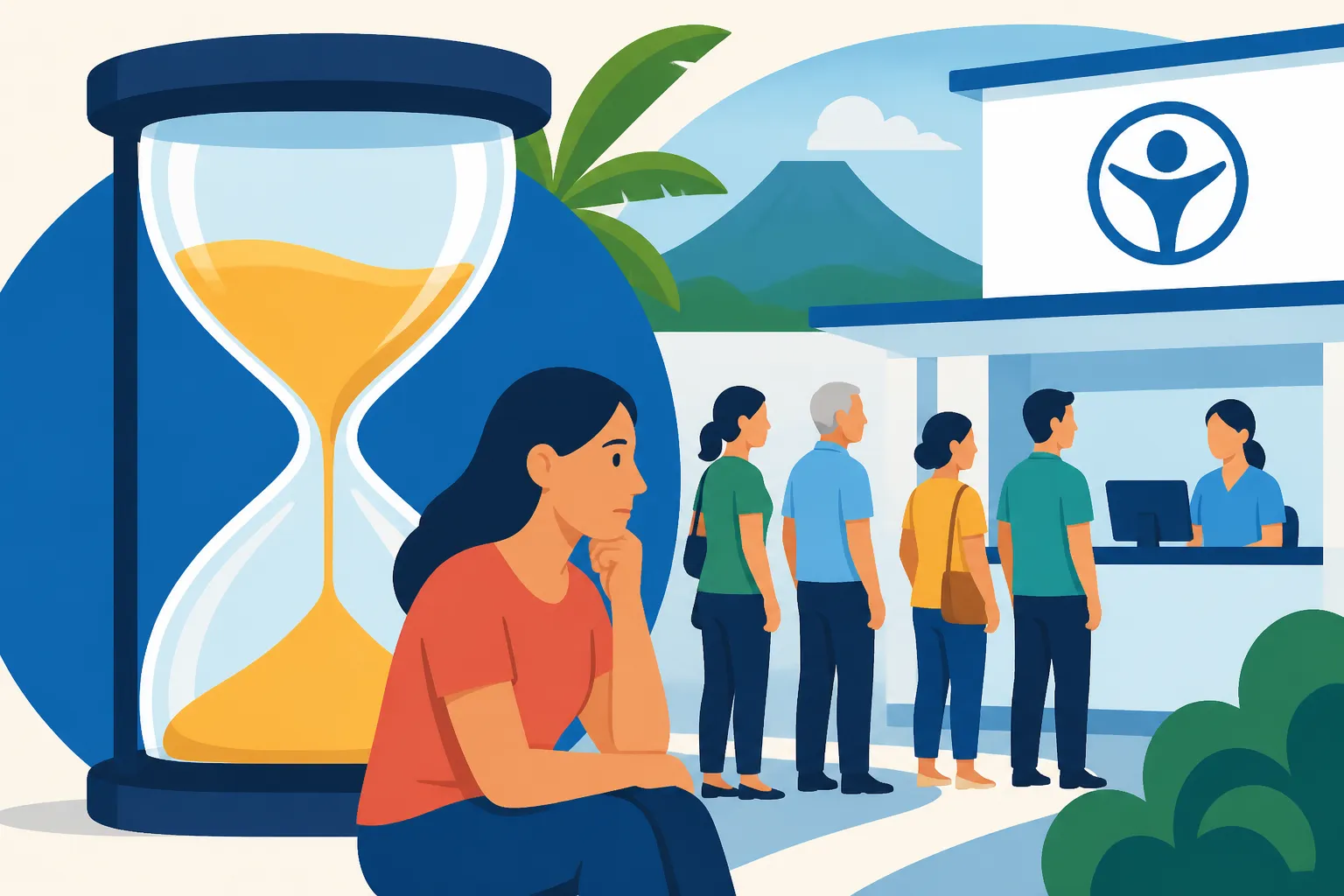
How Long Are Wait Times in the Caja System in Costa Rica?
One of the biggest anxieties for new expats in Costa Rica, especially when it comes to healthcare, is the unknown territory of wait times within the public system, known as the Caja Costarricense de Seguro Social (CCSS) or simply "the Caja." You've heard the stories, you've read the forums, and you're probably wondering if you'll be stuck in bureaucratic limbo if you ever truly need care. This guide is here to give you a realistic, no-fluff look at what to expect regarding wait times, why they exist, and how you can best navigate them as a foreigner living in paradise.
Understanding the Caja System and Its Realities
Let’s be honest, any public healthcare system, whether in Costa Rica or your home country, will have its quirks and challenges. The Caja is an incredible institution, providing universal healthcare to residents, often at a fraction of the cost you'd pay elsewhere. It's a source of immense pride for many Costa Ricans, and for good reason. However, "universal" doesn't always equate to "immediate," and as an expat, understanding the why behind the wait times can help temper your expectations and reduce frustration.
The Structure of Public Healthcare in Costa Rica
The Caja system operates on a tiered structure, starting with your local EBAIS (Equipo Básico de Atención Integral en Salud). Think of your EBAIS as your family doctor's office, but for an entire community. This is your primary point of contact for almost all non-emergency health needs. From your EBAIS, you'll be referred upwards to clinics (clínicas) which are larger facilities offering a broader range of general services and some basic specialist consultations, and then to regional or national hospitals for more complex care, surgeries, and advanced specialist appointments.
This tiered system is designed to manage the flow of patients and ensure that the most critical cases are prioritized at the higher levels. It’s also meant to keep basic care accessible within every community. You’ll find that getting into your EBAIS for a routine check-up or a minor ailment can often be quite efficient, sometimes even same-day or next-day if you call early. However, the further up the chain you go, the longer the queues tend to get. For instance, understanding the role of the EBAIS (local health clinic) in Costa Rica is crucial because they are the gatekeepers to specialist care.
Why Wait Times Exist: A Look at the System's Challenges
So, why the waits? It’s not a simple answer, but a combination of factors that many public systems face:
- High Demand vs. Available Resources: Costa Rica boasts excellent health outcomes for its population, which means many people rely on the Caja. The demand for services, particularly specialist care and elective surgeries, often outstrips the available doctors, equipment, and operating room time.
- Centralized Scheduling: The referral system, while logical, often involves centralized scheduling departments that manage appointments across multiple facilities. This can lead to bottlenecks and longer administrative processing times before you even get on a specialist’s calendar.
- Aging Infrastructure and Equipment: While new hospitals and clinics are built, some older facilities and specialized equipment require significant investment to keep pace with modern medical advancements and increasing patient loads.
- Specialist Shortages: Certain medical specialties have fewer doctors available within the public system, particularly in less populated areas. Many specialists choose to work in the private sector where compensation can be higher, creating an imbalance.
- Bureaucracy and Paperwork: Like any large public institution, the Caja has its share of administrative processes. Sometimes, the wait isn’t just for a doctor, but for a referral to be processed, records to be transferred, or a necessary approval to be granted. This is where a little patience and persistence come in handy, and why knowing How to Enroll in the Caja (CCSS) as a Foreigner in Costa Rica and having your documentation in order is so important.
It's not that the doctors and staff aren’t working hard – they truly are. But the sheer volume and systemic challenges mean that "Pura Vida" often extends to the pace of administrative processing as well.
Typical Wait Times You Can Expect
Now, let's get down to brass tacks. What exactly are we talking about when we say "wait times"? This isn't an exact science, as times can vary wildly depending on your location, the specific EBAIS, the urgency of your condition, and even the time of year. However, here's a general overview based on common expat experiences.
General Consultations at EBAIS Clinics
For routine check-ups, flu symptoms, minor injuries, or refilling basic prescriptions, your EBAIS is usually quite efficient.
- Acute/Urgent Needs (Non-Emergency): If you call first thing in the morning (usually around 6-7 AM), you can often get a same-day appointment. Many EBAIS clinics reserve a few slots daily for urgent but non-emergency cases. If you walk in, you might be seen, but you could wait a few hours.
- Routine Check-ups/Follow-ups: For non-urgent appointments, you might get one within a few days to a week. Sometimes you can schedule a future appointment right after a consultation.
- Medication Refills: If you're on a stable medication, your EBAIS can often refill it quite quickly, sometimes even over the phone with a quick pick-up at the pharmacy. Learning about Prescription Medications and Pharmacies in Costa Rica: The Complete Guide can shed more light on this process.
It's at this basic level that the Caja truly shines in terms of accessibility for day-to-day health concerns.
Specialist Referrals and Appointments
This is where the infamous "long wait times" really come into play. Once your EBAIS doctor determines you need to see a specialist, they will put in a referral.
- Initial Referral Processing: The referral itself can take days or weeks to be processed by the administrative staff before it even reaches the specialist's scheduling department.
- Common Specialists (e.g., General Internal Medicine, Gynecologist): For these, you might be looking at wait times ranging from 3 months to over a year, depending on the urgency assigned by your EBAIS doctor and the specific clinic or hospital. If your case is deemed particularly urgent (e.g., suspected cancer), you'll be fast-tracked, but even "fast-tracked" can still mean weeks.
- Less Common/Highly Specialized Fields (e.g., specific surgical sub-specialties, endocrinology): These can stretch to one year, two years, or even longer. It's not uncommon to hear stories of expats or Ticos waiting multiple years for certain non-life-threatening but quality-of-life-impacting procedures or consultations. This is a common frustration, and it highlights why many expats consider Public vs Private Healthcare in Costa Rica: Which Should Expats Choose? for specialist care.
A friend of mine, after a bicycle accident, needed to see an orthopedic surgeon for a lingering issue that wasn't an emergency but definitely impacted his mobility. His EBAIS referred him, and he was told to expect a call in "about a year." He ended up going private. This isn't an isolated incident.
Elective Surgeries and Non-Urgent Procedures
For non-emergency surgeries or procedures – anything from cataract removal to a hernia repair that isn’t causing acute distress – the wait times can be substantial.
- Minor Elective Surgeries: Anywhere from 6 months to 2+ years.
- Major Elective Surgeries: Potentially 2-5 years or more, depending on the complexity, availability of surgeons, and operating room schedules.
- Diagnostic Tests (e.g., MRI, CT Scans): While often faster than specialist appointments, non-urgent scans can still take weeks to several months to get scheduled in the public system, especially for specialized imaging like MRIs.
This table provides a general idea, but remember these are estimates and can fluctuate:
| Service Category | Estimated Caja Wait Time (Non-Urgent) |
|---|---|
| EBAIS General Doctor Consultation | Same day – 1 week |
| Basic Lab Tests | 1-3 days |
| Prescription Refills | Same day – 3 days |
| Common Specialist Appointment | 3 months – 1.5 years |
| Specialized Diagnostic Imaging (e.g., MRI) | 1 month – 6 months |
| Minor Elective Surgery | 6 months – 2+ years |
| Major Elective Surgery | 2 – 5+ years |
It’s these lengthy waits for specialists and surgeries that often push expats to consider supplemental private insurance or to pay out-of-pocket for private care. This brings us to a common decision point for foreigners: How Costa Rica's Health System Works: The Caja (CCSS) vs Private Explained (2026).
Strategies for Navigating Longer Wait Times
So, you’re in the Caja, you need a specialist, and you've just been told to wait a year. What do you do? Panic is not a strategy. There are actual steps you can take.
When to Consider Private Options
For many expats, private healthcare acts as a necessary complement to the Caja, particularly for issues that require specialist attention but aren't life-threatening.
- Urgent but Non-Life-Threatening Issues: If you have a condition that is severely impacting your quality of life but isn’t considered an emergency by the Caja, private care is often the fastest route. For example, a persistent joint pain, a worrying but non-acute dermatology issue, or chronic conditions that need more immediate specialist management.
- Specialist Consultations: Many expats choose to pay out-of-pocket for private specialist consultations. A private consultation can cost anywhere from $70 to $150+, depending on the specialty and doctor. This allows you to get a diagnosis, a treatment plan, and potentially prescriptions much faster. With this information in hand, you can then decide if you want to wait for the Caja for further treatment or continue privately.
- Elective Surgeries: If you can afford it, or if you have private international health insurance like SafetyWing that covers treatments in Costa Rica, many expats opt for private hospitals for elective surgeries to avoid long waits. Hospitals like Hospital CIMA, Clínica Bíblica, and Hospital Metropolitano offer world-class care, but it comes at a price. Understanding Private Hospital Networks and Direct Billing in Costa Rica can be very helpful here.
- Diagnostic Tests: Similarly, paying privately for an MRI, CT scan, or other imaging can significantly speed up your diagnostic process. You can often get these scheduled within days or a week privately, versus weeks or months in the Caja.
It’s crucial to remember that while the Caja is mandatory for residents, it doesn’t preclude you from seeking private care. Many expats maintain their Caja coverage (because it's required for residency and covers emergencies and basic care) while simultaneously using private options for faster access to specialists or specific treatments.
Maintaining Your Health While You Wait
Waiting for extended periods for medical care can be incredibly stressful, but it's important to actively manage your health during this time.
- Stay in Touch with Your EBAIS: Don't just get a referral and forget about it. Check in with your EBAIS periodically. Sometimes, they might have insights into scheduling, or be able to re-evaluate your urgency if your condition worsens.
- Be Your Own Advocate: Keep meticulous records of your diagnosis, referrals, and any communication with the Caja. If you speak Spanish, a polite but persistent call to the scheduling department can sometimes work wonders, but be prepared for a long phone call.
- Focus on Preventative Care: While waiting for a specialist, double down on general health. Eat well, exercise, manage stress. These steps might not cure the underlying issue, but they can improve your overall well-being and potentially prevent secondary issues.
- Consider a Second Opinion (Private): If you're really concerned, a private consultation can provide peace of mind or an alternative perspective while you wait for your Caja appointment. This is where having a good international travel medical insurance plan or supplemental private health insurance can really save you. Even for visitors, Can Tourists Access Emergency Care in Costa Rica? might be a pressing question, and often private options are the most practical answer for timely care.
Tips for Expats to Optimize Their Caja Experience
Navigating any new system requires a bit of savvy and understanding local customs. The Caja is no different. As an expat, a few strategies can significantly improve your experience.
Building a Relationship with Your EBAIS
Your EBAIS team is your gateway to the entire public healthcare system. Think of them as your primary care managers.
- Be a Regular, But Not a Burden: Attend your annual check-ups. Show up for your appointments. When you do need help, be clear and concise about your symptoms. The EBAIS staff will get to know you, and a good relationship can sometimes lead to smoother navigation.
- Learn Basic Medical Spanish: While many doctors at higher levels might speak English, at the EBAIS level, it's less common. Even basic medical terms will go a long way in clearly communicating your needs. If your Spanish isn't strong, bring a trusted friend or a professional translator, especially for initial consultations.
- Understand Their Processes: Each EBAIS might have slightly different ways of scheduling or handling requests. Ask questions. "How do I make an appointment for X?" "What's the best time to call?" Knowing their system helps you work with it.
- Keep Your DIMEX Handy: When you officially join the Caja, you’ll be given a DIMEX card. This is your identification for all medical services. Always have it with you. For a comprehensive overview, check out The Expat Guide to Joining the Caja (CCSS) in Costa Rica (2026).
Remember, these folks are serving a large community. A little patience, respect, and clear communication can make a world of difference.
Understanding the Bureaucracy
Costa Rica, affectionately known as "Ticolandia," has its own rhythm, and bureaucracy is a part of it.
- Patience is Your Superpower: Things often move slower than you might be used to. Appointments get rescheduled, paperwork takes time, and you might need to make multiple phone calls or visits to get something done. Take a deep breath. This is part of living here.
- Documentation, Documentation, Documentation: Always bring all relevant documents – your DIMEX, your passport, previous referrals, copies of test results, and any paperwork you were given. Keep a folder. It’s better to have too much than too little.
- Follow Up Proactively: If you're waiting for a referral or an appointment, don't wait indefinitely. Give it a reasonable amount of time (as advised by the EBAIS), then politely follow up. Sometimes, a gentle nudge is all that's needed to get things moving.
- Know Your Rights: As a legal resident participating in the Caja, you have rights to care. If you feel like your case is being unduly delayed or mishandled, you can inquire about the Defensoría de los Habitantes (Ombudsman's Office), though this is usually a last resort for serious issues. However, knowing How Specialist Referrals Work Through the Caja in Costa Rica will empower you to understand the process and where you are in it.
It’s a balancing act, really. You embrace the public system for its extensive coverage and affordability, especially in emergencies, but you also understand its limitations, particularly regarding specialist access. Many expats find peace of mind by having a robust international health insurance plan like SafetyWing to cover those situations where waiting simply isn't an option. This blend of public and private care often provides the most comprehensive and flexible healthcare solution for foreigners living in Costa Rica.
Navigating the Costa Rican healthcare system, especially the Caja, is definitely a learning curve for expats. While the wait times for certain services can be frustrating, understanding the system, being prepared, and knowing when to seek private alternatives can make a significant difference in your overall experience. The Caja truly is a remarkable system, providing essential care to millions, and with a bit of "Tico time" patience and proactive engagement, you can make it work for you. For more in-depth information, consider reading The Complete Guide to Healthcare in Costa Rica for Expats (2026).
Disclaimer
The information provided in this article is for general informational purposes only and does not constitute medical, legal, or financial advice. While we strive to provide accurate and up-to-date information, healthcare policies, wait times, and regulations in Costa Rica can change. Always consult with qualified medical professionals, legal experts, or financial advisors for advice tailored to your specific situation. Reliance on any information in this article is solely at your own risk.