Can I Walk Into a Private Hospital Without an Appointment in Costa Rica?
You've just arrived in paradise, maybe you're exploring the Central Valley or relaxing on a beach, and suddenly, boom! An unexpected ache, a stubborn fever, or a mishap that leaves you wondering, "What do I do now?" The Costa Rican healthcare system can feel like a labyrinth, and the idea of just walking into a hospital without an appointment might seem daunting, or even impossible, especially if you're used to a different system back home. This guide is here to unravel that mystery, giving you a realistic picture of what to expect if you find yourself needing immediate, non-life-threatening medical attention at a private hospital here in Costa Rica.
Understanding Private Healthcare in Costa Rica
Navigating the healthcare system in a new country is always a challenge, and Costa Rica is no exception. While the public system, the Caja Costarricense de Seguro Social (CCSS) or simply "the Caja," is comprehensive, it's notorious for long wait times, especially for specialists or non-emergency care. That's why many expats and tourists often turn to the private healthcare sector, which offers a different experience altogether.
The Landscape of Private Hospitals
Costa Rica boasts a number of excellent private hospitals, particularly in the greater San José metropolitan area, that cater to both locals and a growing international clientele. These facilities are often modern, well-equipped, and staffed with highly trained, often English-speaking, medical professionals. Think of names like CIMA Hospital in Escazú, Clínica Bíblica Hospital in San José, and Hospital Metropolitano with its various locations. These aren't just small clinics; they are full-service hospitals with emergency departments, operating rooms, and a wide range of specialist services.
The stark contrast between the public and private systems is often what draws foreigners to private options. In the public system, everything is centrally controlled, and access usually starts at your local EBAIS clinic. However, private hospitals operate more like their counterparts in North America or Europe, offering quicker access, more personalized attention, and often a more comfortable environment. For an in-depth comparison, you might want to read our guide on Public vs Private Healthcare in Costa Rica: Which Should Expats Choose?. When a sudden medical need arises, these private institutions often seem like the most logical first stop for expats.
The "Walk-In" Culture: Expectations vs. Reality
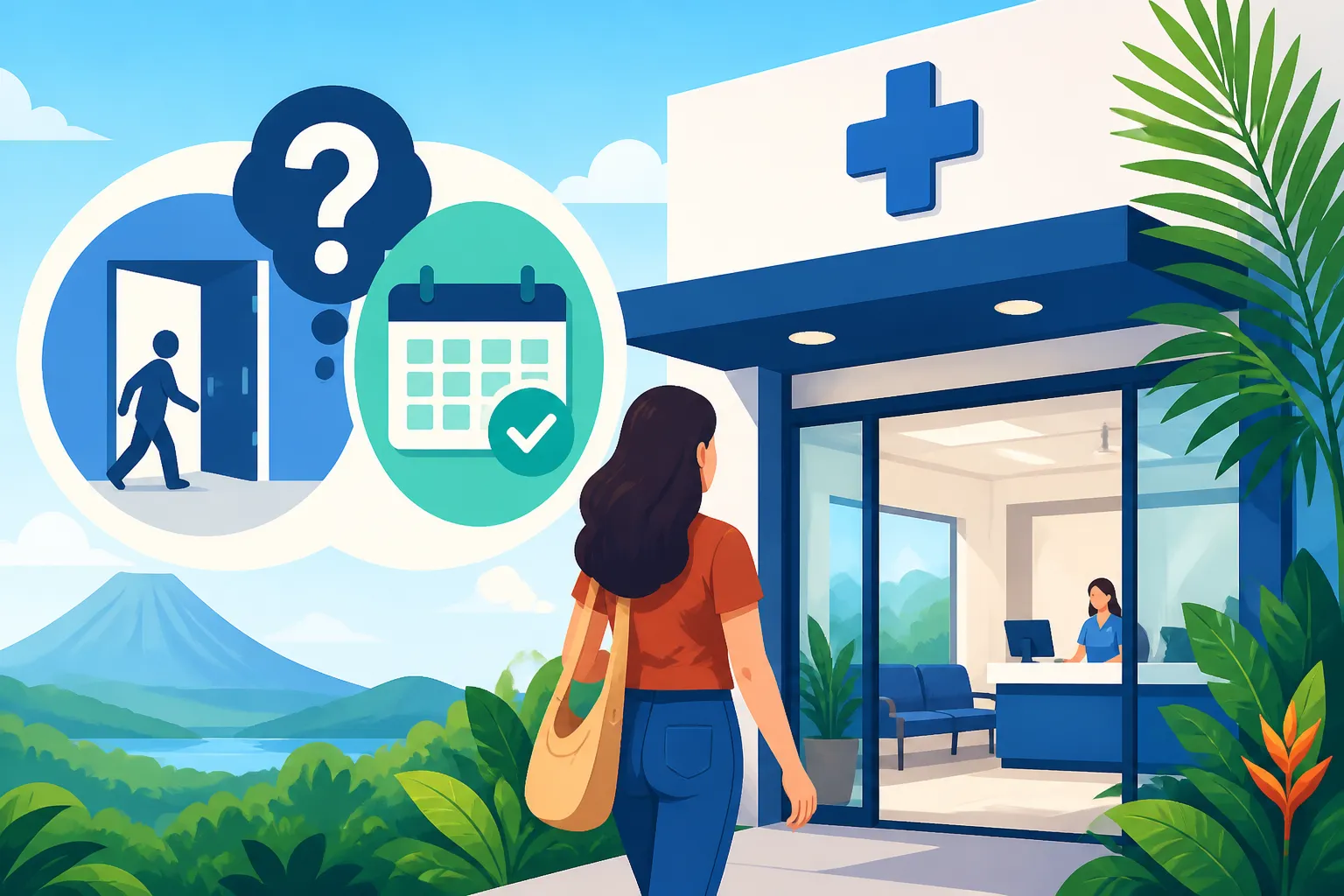
So, can you really just waltz into one of these private hospitals without a pre-arranged appointment? The short answer is yes, absolutely, especially if your condition is urgent. These hospitals maintain emergency departments (urgencias) that are open 24/7. However, the term "walk-in" can be a bit misleading if you're picturing a quick, in-and-out urgent care clinic. While you won't be turned away, your experience will largely depend on the severity of your condition and the current patient load.
It's not uncommon for people to go to a private hospital for things that might warrant a visit to an urgent care center in their home country – a persistent cough, a sprained ankle, or a bad ear infection. While they will assess you, remember that you're entering what is essentially an emergency department. This means a triage process will prioritize life-threatening conditions over less severe issues, regardless of how quickly you arrived. So, while a walk-in is a viable option for urgent issues, be prepared for potential wait times, especially during peak hours or if your condition isn't deemed critical. It’s a far cry from the sometimes endless bureaucracy of the public system, but it’s still a hospital, with hospital procedures.
What to Expect When You Walk In Without an Appointment
Walking into a private hospital in Costa Rica for an unexpected medical need can be a bit nerve-wracking, especially if it's your first time. Knowing the process beforehand can alleviate some of that stress.
The Initial Triage and Registration Process
When you arrive at a private hospital's emergency department, the first thing you'll encounter is typically a reception area or triage desk. Don't expect to just walk straight back to a doctor. You'll need to register. This usually involves providing your personal information, such as your full name, date of birth, contact details, and current address. They’ll also ask for your passport or DIMEX (residency card). It’s always a good idea to have your identification handy. You can find more details about necessary documents in What Documents Do I Need to See a Doctor in Costa Rica?.
A nurse or medical assistant will then perform an initial assessment, asking about your symptoms, taking your vital signs, and determining the urgency of your condition. This is the triage process, similar to what you'd find in emergency rooms worldwide. Your condition will be assigned a priority level, and this is what dictates how quickly you'll be seen by a doctor. If you're experiencing severe chest pain, for example, you'll be fast-tracked. If it's a sprained ankle, you might wait a bit longer while other, more critical cases are attended to.
Wait Times and Severity of Condition
The biggest variable when walking into a private hospital without an appointment is the wait time. While private facilities generally offer quicker service than the public Caja system, they are still hospitals, and emergencies happen. If you arrive with a minor ailment during a busy period, you could find yourself waiting for several hours. This is particularly true if your issue is not considered a true "emergency" by medical standards.
For instance, arriving on a Friday evening or a Sunday afternoon for a persistent headache might mean a longer wait because the emergency department is often handling accidents, heart attacks, or other acute conditions. On the other hand, a weekday morning for a moderately urgent issue might see you through registration and triage to a doctor within an hour or two. Always remember that the medical staff are prioritizing based on clinical need, not on who arrived first. Having some patience and understanding this reality will make the experience much smoother.
Cost and Payment Procedures
One of the most crucial aspects for expats and tourists to understand about private hospitals in Costa Rica is the financial side. Unlike the public Caja system, private hospitals operate on a fee-for-service model. This means you are generally expected to pay upfront for services rendered, or at least provide proof of insurance that the hospital can directly bill. For a walk-in visit, especially if it’s your first time there, you will almost certainly be asked for payment details early in the process.
The costs for a walk-in consultation can vary widely depending on the hospital, the doctor, and the tests or procedures required. A basic consultation might range from $75 to $150 USD, but this can quickly escalate if you need blood tests, X-rays, medication, or specialist consultations. For comprehensive information, our guide on How Do I Pay for a Private Doctor Visit in Costa Rica? can provide further insights.
If you have international health insurance, like a plan from SafetyWing, you'll typically pay out of pocket and then file a claim for reimbursement. It's rare for private hospitals in Costa Rica to have direct billing agreements with international travel insurance providers, though some may with major international private health insurance companies. Always keep all your receipts, medical reports, and itemized bills. Before you travel, it's wise to check with your insurance provider like SafetyWing about their reimbursement process and what documentation they require. Understanding these financial arrangements beforehand will save you a lot of hassle and potential stress during an already vulnerable time.
When is a Walk-In Appropriate? And When It's Not
The decision to walk into a private hospital's emergency department without an appointment should be a carefully considered one. While these facilities are equipped to handle a wide range of conditions, it's important to differentiate between a true emergency, an urgent but non-life-threatening issue, and something that could wait for a scheduled appointment.
Urgent Care vs. Emergency Situations
Private hospitals in Costa Rica are excellent choices for urgent conditions that aren't immediately life-threatening but require prompt medical attention. This could include things like severe sprains, moderate cuts that might need stitches, persistent fevers, bad infections (ear, urinary tract), allergic reactions without severe breathing difficulties, or acute pain that isn't manageable with over-the-counter remedies. For these types of issues, walking into a private hospital is generally appropriate and will get you seen faster than trying to navigate the public system without a referral.
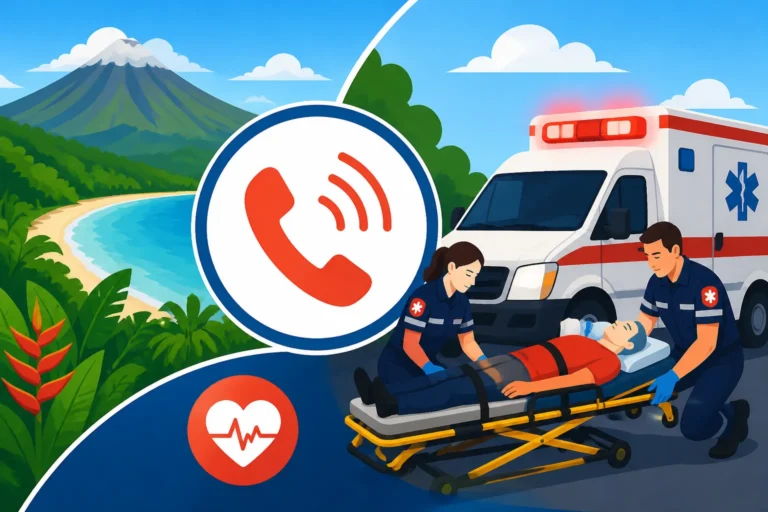
However, if you're experiencing a true emergency, such as suspected heart attack symptoms (chest pain, shortness of breath), severe trauma, signs of a stroke, uncontrolled bleeding, or profound difficulty breathing, you should call 911 immediately for an ambulance. Waiting in a hospital lobby for triage in these critical situations could delay life-saving treatment. Remember, the ambulance service will take you to the nearest appropriate hospital, which could be public or private, depending on the situation and location. Our guide on Emergency Medical Care in Costa Rica: What Every Expat Needs to Know has more crucial information on this topic.
Non-Urgent Care and Alternatives to Walk-Ins
For non-urgent matters, such as routine check-ups, medication refills, chronic condition management, or mild symptoms that aren't worsening rapidly, a walk-in to an emergency department is not the most efficient or cost-effective approach. You'll likely face longer waits, higher costs, and may even be directed to schedule an outpatient appointment.
Instead, for non-urgent care, you have several excellent alternatives in the private sector:
- Private Clinics (Clínicas Privadas): Many towns and neighborhoods have private clinics with general practitioners and sometimes specialists. These are ideal for minor illnesses, prescription refills, or basic consultations. They often offer same-day or next-day appointments and are significantly cheaper than a hospital emergency room.
- Scheduling an Appointment: For planned visits, even for somewhat urgent but not critical issues, calling ahead to schedule an appointment with a general practitioner or a specific specialist at a private hospital or clinic is always the best route. This minimizes your wait time and ensures you see the most appropriate doctor for your needs.
- Farmacias (Pharmacies): For very minor ailments or questions about over-the-counter medications, pharmacists in Costa Rica are highly knowledgeable and can often provide basic advice or recommend appropriate non-prescription drugs. They can also dispense many medications that would require a prescription in other countries, though always with caution and professional advice.
Using these alternatives wisely can save you time, money, and a potentially frustrating wait in a hospital emergency room for an issue that could have been handled differently.
Preparing for a Walk-In Visit
Even for an unplanned visit, a little preparation can go a long way in making your experience smoother.
- Bring Identification: Always carry your passport or DIMEX. You'll need it for registration.
- Have Payment Ready: Be prepared to pay upfront. Carry a credit card or enough cash.
- Medical History: While you might not have full records, be ready to articulate any existing medical conditions, allergies, and current medications. A simple list on your phone can be a lifesaver.
- Language: If your Spanish isn't strong, consider bringing a phrasebook, a translation app, or even a Costa Rican friend to help translate. While many private hospital staff speak some English, clear communication is paramount in medical situations.
- Insurance Details: Have your international health insurance information, such as your policy number for SafetyWing or other providers, readily available. Even if they don't direct bill, you'll need this for reimbursement claims.
By having these things in order, you can focus on getting the care you need rather than scrambling for details when you're feeling unwell.
Practical Tips for Expats and Tourists
Moving to or visiting Costa Rica means adapting to new systems, and healthcare is one of the most critical. Here are some practical tips to help you navigate private hospitals, particularly for those unexpected walk-in situations.
Language and Communication Tips
While many staff at top private hospitals like CIMA, Clínica Bíblica, and Hospital Metropolitano do speak English, especially doctors and head nurses, you should never assume it. The receptionists or initial triage staff might have more limited English skills, and in a stressful medical situation, misunderstandings can easily arise.
Here’s how to minimize communication issues:
- Learn Basic Medical Spanish: Even a few key phrases can make a big difference. Words like dolor (pain), fiebre (fever), náuseas (nausea), medicamentos (medications), and alergias (allergies) are essential.
- Use Translation Apps: Apps like Google Translate can be incredibly helpful for bridging language gaps, especially for describing specific symptoms.
- Write Down Your Symptoms: Jotting down your symptoms, their duration, and any relevant medical history in simple English (and ideally, a translated version) can be very effective.
- Bring a Local Friend: If possible, ask a trusted Costa Rican friend or acquaintance to accompany you. Their presence can not only help with translation but also provide moral support and navigate cultural nuances. If you’re looking for an English-speaking doctor in San Jose, our guide Where Can I Find an English-Speaking Doctor in San Jose? might be useful too.
Clear and accurate communication is vital for proper diagnosis and treatment, so invest a little effort here.
Navigating Billing and Insurance
As mentioned, private hospitals usually expect payment upfront or guarantee of payment. This can be a shock if you're used to your insurance handling everything directly.
Here’s how to manage the financial side:
- Understand Upfront Payment: Be prepared to pay for your consultation, tests, and medications as you go. You'll receive itemized bills (facturas) for everything. Keep these meticulously.
- International Travel/Health Insurance: If you have an international plan, like SafetyWing, you will typically submit these facturas for reimbursement after your visit. Make sure you understand your policy's deductible, coverage limits, and the specific documentation required for claims before you need it. Many policies, including SafetyWing, require detailed medical reports along with your payment receipts.
- Direct Billing (Rare but Possible): Some major international private health insurance companies might have direct billing arrangements with specific hospitals. It's always worth checking with your provider if this is an option, but for travel insurance, it's less common.
- Credit Card vs. Cash: Most private hospitals accept major credit cards. Having some local currency (Colones) for smaller payments or pharmacy purchases might also be helpful.
Don't be afraid to ask for explanations of costs. While transparency is generally good, sometimes the medical jargon and billing codes can be confusing. For more on this, check out Understanding Private Hospital Networks and Direct Billing in Costa Rica.
Knowing Your Options: EBAIS and Private Clinics
While this guide focuses on private hospitals, it's important to understand the broader context of healthcare choices in Costa Rica.
- The Caja (CCSS) and EBAIS: The public system, while excellent for residents contributing to it, is not practical for tourists or short-term visitors needing immediate care unless it's a critical emergency taken by ambulance. Even for residents, getting a rapid appointment at an EBAIS or specialist through the Caja can be a waiting game. Our article on The Expat Guide to Joining the Caja (CCSS) in Costa Rica (2027) delves into this system.
- Smaller Private Clinics: For many expats, the sweet spot for non-urgent but necessary care lies in smaller, private clinics. These are often more intimate, have shorter wait times for appointments, and are more affordable than a hospital emergency room. They are perfect for common colds, minor injuries, dermatological issues, or general health concerns that don't quite warrant an emergency visit.
Knowing the difference and choosing the right option for your specific medical need can save you a lot of time, money, and frustration. It's all about navigating the system intelligently to ensure you get the best and most appropriate care when you need it most.
Here's a quick comparison to help you decide:
| Scenario | Best Option | Typical Cost (USD) | Wait Time (Estimate) | Notes |
|---|---|---|---|---|
| Life-Threatening Emergency | Call 911 / Ambulance | Varies, often covered by INS for residents or higher for tourists | Immediate | Do not walk in. Get immediate transport. |
| Urgent, Non-Life Threatening | Private Hospital (Walk-in ER) | $150 – $500+ | 1-4 hours (after triage) | Suitable for severe pain, bad infections, moderate injuries. |
| Minor Injury/Illness | Private Clinic (Appointment) | $50 – $150 | 0-1 hour (with appointment) | Ideal for colds, minor cuts, routine check-ups. |
| Minor Injury/Illness | Private Hospital (Walk-in ER) | $150 – $300+ | 2-5 hours (after triage) | Possible, but more expensive and longer wait than a clinic. |
| Routine Check-up/Specialist | Private Hospital/Clinic (Appointment) | $100 – $250+ | Pre-scheduled | Always best to book ahead for non-urgent matters. |
| Prescription Refill/Advice | Farmacia (Pharmacy) | $0 (for advice) – Cost of meds | 0-15 minutes | Pharmacists are very helpful for basic issues. |
Note: Costs are approximate and can vary significantly based on hospital, doctor, services, and exchange rates.
Disclaimer
The information provided in this guide is for general informational purposes only and does not constitute medical, legal, or financial advice. While we strive to offer accurate and up-to-date content based on common expat experiences in Costa Rica, policies, procedures, and costs can change. Always consult with a qualified professional for specific advice tailored to your individual situation. We recommend verifying any critical information with official sources or local experts before making decisions.