Is Mental Health Treatment Confidential in Costa Rica?
Moving to a new country, especially one as vibrant and welcoming as Costa Rica, brings a whirlwind of excitement and a fair share of worries. Among those worries, perhaps one of the most personal and often unspoken is the concern about privacy, particularly when it comes to something as sensitive as mental health. You might be wondering, "If I seek therapy or counseling here, will my struggles become public knowledge? Is my mental health treatment truly confidential in Costa Rica?" It's a valid and deeply human question that many expats grapple with, and this guide is here to shed light on those very real concerns.
The Legal Framework of Confidentiality in Costa Rica
Navigating the legal landscape of healthcare in a foreign country can feel like walking through a dense jungle – confusing, with hidden paths and unexpected turns. But rest assured, Costa Rica does have a robust legal framework in place to protect your medical information, including your mental health records. It's not just a handshake agreement; it's enshrined in law.
Patient-Doctor Privilege and Data Protection Laws
At the heart of medical confidentiality in Costa Rica is the patient-doctor privilege, a fundamental principle that ensures trust between you and your healthcare provider. This isn't just a professional courtesy; it's a legal obligation. The Código de Salud (Health Code) explicitly outlines the duties of medical professionals, which include maintaining the secrecy of patient information. This means that whatever you discuss with your psychologist, psychiatrist, or general practitioner about your mental health, they are legally bound not to disclose it without your express consent.
Beyond the specific health code, Costa Rica also has comprehensive data protection laws. The Ley de Protección de la Persona frente al Tratamiento de sus Datos Personales (Law for the Protection of Individuals against the Processing of their Personal Data) is a broad-reaching piece of legislation that protects all your personal data, including your sensitive health information. This law dictates how your medical records, whether physical or digital, must be collected, stored, used, and protected. It gives you, the patient, significant rights over your data, including the right to access it, correct it, and even object to certain uses of it. This is a huge comfort, knowing there's a legal safety net.
Furthermore, the Colegio de Médicos y Cirujanos de Costa Rica (College of Physicians and Surgeons of Costa Rica), which is the professional governing body for all doctors, including mental health specialists, has a strict ethical code. Any medical professional found to be in breach of patient confidentiality can face severe professional repercussions, including suspension or even loss of their license. This professional oversight adds another layer of protection, reinforcing the legal mandates with ethical imperatives. So, whether you're dealing with a psychologist in San José or a therapist on the coast, they are all bound by these same strict rules.
Exceptions to Confidentiality
Now, like almost any legal principle, patient confidentiality isn't absolute. There are specific, narrowly defined circumstances under which a healthcare provider might be legally compelled to break confidentiality. These exceptions are in place primarily to protect the patient themselves or the wider community, and they are not taken lightly.
The most common exception involves situations where there is a clear and imminent danger. For instance, if you express a serious intent to harm yourself or others, your therapist might be legally obligated to report this to the appropriate authorities (like family members, emergency services, or the police) to prevent harm. This isn't a breach of trust; it's an intervention designed to ensure safety.
Another potential, though less common for mental health, exception could be a direct court order. If a judge legally subpoenas your medical records for a specific, compelling reason in a legal case, a doctor may be required to comply. However, such orders are typically difficult to obtain and must meet stringent legal criteria, especially for sensitive mental health information. It’s not something that happens casually.
Lastly, public health reporting requirements might exist for certain communicable diseases. While this rarely applies to mental health treatment, it’s worth noting that any information deemed critical for public health (e.g., in a pandemic situation) could, in extreme cases, supersede individual confidentiality. However, the sharing of such information is usually anonymized or limited to what is absolutely necessary. For typical therapy sessions, these public health exceptions are almost never a factor. It’s crucial to understand that these exceptions are built into the legal framework to address very specific, high-stakes scenarios, not to undermine the general principle of your privacy.
Practical Realities of Mental Health Confidentiality for Expats
Understanding the laws is one thing, but experiencing how they play out in daily life, especially as an expat, can feel quite different. The Costa Rican healthcare system, with its blend of public and private options, offers distinct experiences when it comes to confidentiality.
Public versus Private Healthcare Experiences
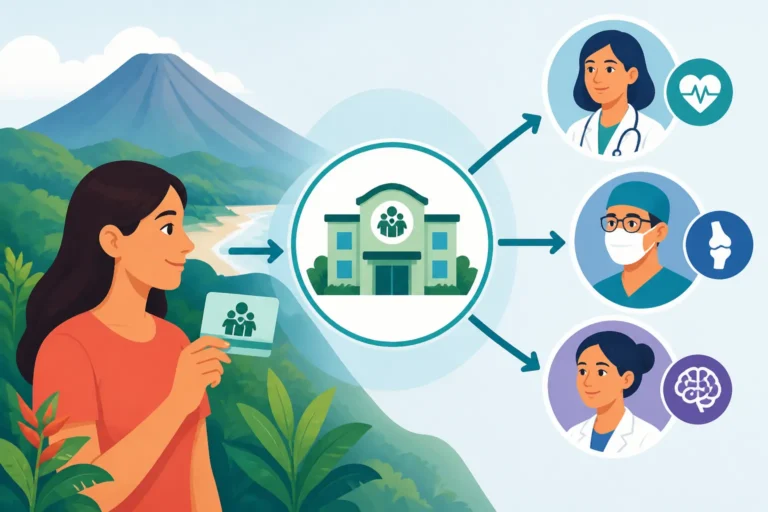
Let's talk about the Caja Costarricense de Seguro Social (CCSS), often just called "the Caja," Costa Rica's public healthcare system. If you're a legal resident, you'll be enrolled in the Caja, which is a fantastic benefit, offering comprehensive care for a monthly contribution. For mental health services through the Caja, you'd typically start with your local EBAIS clinic, which can then refer you to a psychologist or psychiatrist within the public system.
Within the Caja, all your medical records, including mental health notes, are part of the electronic health record system known as EDUS (Expediente Digital Único en Salud). This system is designed to provide a unified medical history accessible to your healthcare providers across the public system. While EDUS is incredibly efficient for coordinating care, the sheer breadth of its access can sometimes make expats feel a bit uneasy about confidentiality. Knowing that various doctors and nurses within the public system could potentially access parts of your record might trigger concerns, even if they are legally bound by the same confidentiality rules. However, access is generally on a "need-to-know" basis for direct patient care, and security protocols are in place. If you're navigating the public system, it's a good idea to understand How to Enroll in the Caja (CCSS) as a Foreigner in Costa Rica and how your records are managed.
On the other hand, the private healthcare sector, which includes major hospitals like CIMA, Clínica Bíblica, and Hospital Metropolitano, along with numerous private clinics and independent practitioners, offers a different experience. When you see a private mental health professional, your records are typically kept within their private practice or the specific private hospital system. These systems often feel more contained, giving some expats a greater sense of privacy. Private practitioners often have their own, often more traditional, record-keeping methods (though many use secure digital platforms too), and the circle of people with access to your information is usually much smaller. Many expats choose private care for exactly this reason, feeling more at ease that their sensitive information is held by fewer individuals. If you're considering this route, you might want to read up on Public vs Private Healthcare in Costa Rica: Which Should Expats Choose?.
Choosing a Therapist and Clinic
Finding the right mental health professional is crucial, and part of that process should absolutely include discussing their approach to confidentiality. Don't be shy about asking direct questions during your initial consultation. A reputable therapist, whether a psychologist or psychiatrist, will be transparent about their privacy policies and how they handle your personal information. This is particularly important for expats, who often need to find an How to Find an English-Speaking Doctor in Costa Rica to ensure there are no misunderstandings due to language barriers.
When vetting professionals, consider asking:
- "What are your specific confidentiality policies?"
- "Who, if anyone, has access to my records in this clinic?"
- "How are digital records stored and protected?"
- "Under what specific circumstances would you ever be legally required to break confidentiality?"
Many specialized mental health clinics in Costa Rica cater specifically to expats, often employing English-speaking staff and understanding the unique privacy concerns of international clients. These clinics frequently have clearer, more explicit confidentiality agreements in place, sometimes even providing them in English. Focusing your search on these dedicated facilities can provide an extra layer of comfort and assurance. Just like you'd research How to Use Private Hospitals Like CIMA, Clinica Biblica and Hospital Metropolitano, take the same diligent approach when selecting a mental health provider.
Insurance, Billing, and Your Digital Footprint
It's easy to overlook how the practicalities of paying for care, especially with insurance, can touch upon your privacy. How your mental health treatment is billed and processed can involve sharing information with entities beyond your direct care provider.
How Insurance Affects Confidentiality
When you use private health insurance – be it a local plan like those from INS (Instituto Nacional de Seguros) or an international policy from providers like SafetyWing – to cover mental health treatment, a degree of information sharing becomes necessary for claims processing. Insurers need certain details to verify that the services you received are covered under your plan and to process reimbursements. This typically includes diagnostic codes, the type of service rendered (e.g., therapy session, medication management), the dates of service, and the cost.
It’s important to understand that while insurers need some information, they generally don't require your entire session notes or highly detailed clinical narratives. They're looking for what's necessary to process the claim, not to delve into the specifics of your therapy. However, it's crucial to review your insurance policy's terms and conditions regarding mental health coverage and confidentiality. Some policies might have different stipulations or require more detailed documentation for certain types of treatments or extended care.
If you have a particularly sensitive diagnosis or are concerned about any details being shared, you might consider paying for sessions out-of-pocket and then submitting for reimbursement, or discussing with your provider if they offer alternative billing methods that minimize information disclosure. For those relying on private insurance, learning How to Claim Reimbursement from INS or Private Insurance in Costa Rica will inevitably involve some level of data exchange. Companies like SafetyWing are generally experienced with international privacy standards, but it's always wise to confirm their specific policies.
Within the Caja system, this aspect of confidentiality is handled differently. Since it's a socialized system, you don't typically submit individual claims for reimbursement in the same way you would with private insurance. Your monthly contributions cover your care, and your medical records, as mentioned, are part of EDUS. While this means less data-sharing with a third-party insurer, it means more data is centralized within the public system itself. Understanding The Cost of Healthcare in Costa Rica: A Complete Breakdown for Foreigners (2026) can help you weigh these options.
Digital Records and Telehealth
In our increasingly digital world, the privacy of electronic health records and telehealth services is a legitimate concern. Costa Rica's healthcare system, both public and private, utilizes digital records to varying degrees. The Caja's EDUS system is a prime example of a comprehensive digital record-keeping platform, designed to improve care coordination and reduce paperwork. Private clinics and hospitals also employ various Electronic Medical Record (EMR) systems.
The security of these digital records is paramount. Reputable systems use encryption, secure servers, and access controls to prevent unauthorized access. However, as with any digital system, no method is 100% foolproof against sophisticated cyber threats. The good news is that Costa Rica's data protection laws extend to digital data, placing legal obligations on healthcare providers to safeguard your electronic information.
Telehealth, which became incredibly popular globally during the pandemic, offers convenience but also introduces unique privacy considerations. When engaging in online therapy sessions, you need to ensure the platform used is secure and HIPAA-compliant (or an equivalent international standard). Platforms like Zoom for Healthcare, Doxy.me, or specific encrypted telehealth services are generally preferred over generic video call applications. Before starting telehealth, ask your therapist about:
- The platform they use and its security features.
- Their own personal security measures (e.g., using a private, encrypted network for sessions).
- How they ensure the privacy of your session environment.
Many international health insurance providers, including those like SafetyWing, now cover telehealth services, but it’s still your responsibility to ensure the technological setup meets your privacy expectations. For general information on the healthcare system, a good starting point is The Complete Guide to Healthcare in Costa Rica for Expats (2027).
Building Trust and Advocating for Your Privacy
Your comfort with confidentiality is a cornerstone of effective mental health treatment. It's not just about the laws; it's about building a trusting relationship with your provider.
Questions to Ask Your Provider
Empower yourself by being proactive. When you first meet with a potential therapist or mental health clinic, treat it like an interview. Beyond discussing their therapeutic approach, make sure to delve into their privacy practices. Here are some specific questions you absolutely should ask:
- "Could you please explain your clinic's confidentiality policy in detail?" This opens the door for them to walk you through their procedures.
- "Who, if anyone, within your practice or the broader institution, would have access to my therapy notes or records?" You want to know the scope of access. Is it just the therapist, or also administrative staff, supervisors, or other medical professionals?
- "If I use health insurance, what information is shared with the insurance company for billing and claims processing?" Be clear about the specifics of what they send to companies like INS or SafetyWing.
- "How are my records stored? Are they physical files, digital, or both? And what security measures are in place to protect them?" This addresses both data security and physical security.
- "Under what circumstances would you ever be legally or ethically obligated to break confidentiality?" Understanding the exceptions upfront helps manage expectations and builds trust.
- "If I have a medical emergency, what information would you share with emergency responders or other medical personnel?" This is particularly relevant given topics like Emergency Medical Care in Costa Rica: What Every Expat Needs to Know.
- "Do you use a consent form that outlines confidentiality? Can I review it?" Most professional practices will have a written consent form (often called an 'informed consent' document) that details these policies. Make sure you read and understand it thoroughly before signing.
By asking these questions, you are not being difficult; you are being responsible and ensuring your comfort. A good, ethical therapist will appreciate your diligence and provide clear, reassuring answers. This process of informed consent is vital for a strong therapeutic relationship.
What to Do if You Have Concerns
Despite all precautions, sometimes concerns arise. Perhaps you hear something that makes you uneasy, or you simply feel a shift in your trust. If you ever suspect your mental health confidentiality has been breached, or if you simply have nagging doubts, don't let it fester. Take action.
First and foremost, communicate directly with your therapist or the clinic director. It’s possible there’s been a misunderstanding or a simple oversight that can be easily resolved through open dialogue. Explain your concerns clearly and calmly, and ask for an explanation or clarification. Often, this direct approach can resolve the issue.
If direct communication doesn't resolve your concerns, or if the situation is more serious, you have formal avenues for recourse. You can file a complaint with the Colegio de Médicos y Cirujanos de Costa Rica. This professional body has a responsibility to uphold ethical standards and investigate complaints against its members. They take confidentiality breaches very seriously. Providing them with clear documentation of your concerns and any evidence you might have will be helpful.
Additionally, if you believe your personal data protection rights have been violated under the Ley de Protección de la Persona frente al Tratamiento de sus Datos Personales, you could explore filing a complaint with the Agencia de Protección de Datos de los Habitantes (PRODHAB), Costa Rica's data protection agency. They oversee compliance with data privacy laws and can investigate improper handling of your personal information.
Remember, advocating for your privacy is your right. You are not alone in navigating the intricacies of Navigating the Costa Rican Healthcare System: An Expat's Roadmap (2027), and there are mechanisms in place to help ensure your confidentiality is respected. For broader health insurance questions, Health Insurance in Costa Rica: Caja, INS and International Options Explained can be helpful.
Confidentiality and Data Handling Comparison
To give you a clearer picture, here's a simplified comparison of how mental health confidentiality might be handled across different scenarios in Costa Rica:
| Aspect | Caja (CCSS) Public System | Private Clinic/Practitioner | Private Insurance (e.g., INS, SafetyWing) | Telehealth Services |
|---|---|---|---|---|
| Legal Basis | Código de Salud, Data Protection Law, Colegio de Médicos Ethics | Código de Salud, Data Protection Law, Colegio de Médicos Ethics | Data Protection Law, Contractual Agreements (policy terms), Colegio de Médicos Ethics | Código de Salud, Data Protection Law, Platform TOS/Privacy Policies, Colegio de Médicos Ethics |
| Record System | EDUS (Electronic Digital Unified Health Record) | Private EMR/EHR or physical files | Internal claims processing systems | Secure digital platforms (e.g., specific telehealth apps) |
| Primary Access | Your EBAIS team, referred specialists within Caja system | Your specific therapist/clinic staff | Claims adjusters, administrative staff | Your therapist and the platform provider (with strict access controls) |
| Information Shared | Full medical history within Caja system | Generally limited to direct care providers | Diagnostic codes, service types, dates, costs (for reimbursement) | Content of sessions with therapist; metadata with platform provider |
| Perceived Privacy | Potentially lower due to broad system access, though legally protected | Often higher due to smaller circle of access | Varies; depends on comfort with insurer seeing billing/diagnosis data | High, if secure platforms and practices are used; depends on user's setup too |
| Recourse for Breach | Colegio de Médicos, PRODHAB, Internal Caja complaints | Colegio de Médicos, PRODHAB | Policyholder services, PRODHAB | Colegio de Médicos, PRODHAB, Platform's support/compliance teams |
| Expats Impact | Integrates with residency, mandatory contributions, potentially longer wait times. Learn about How the Caja Requirement Connects to Your Residency in Costa Rica | Easier access to English-speaking professionals, out-of-pocket costs or private insurance. More control over How Do I Pay for a Private Doctor Visit in Costa Rica? | Essential for covering private care, careful review of policy terms. Consider options like Understanding INS Health Insurance Plans in Costa Rica | Convenient for remote access, but requires attention to digital security. |
Disclaimer
The information provided in this guide is intended for general informational purposes only and does not constitute legal, medical, or professional advice. While we strive to ensure accuracy and up-to-date information, laws and regulations can change, and individual situations vary. It is always recommended to consult with a qualified legal professional, healthcare provider, or insurance expert in Costa Rica for advice tailored to your specific circumstances.