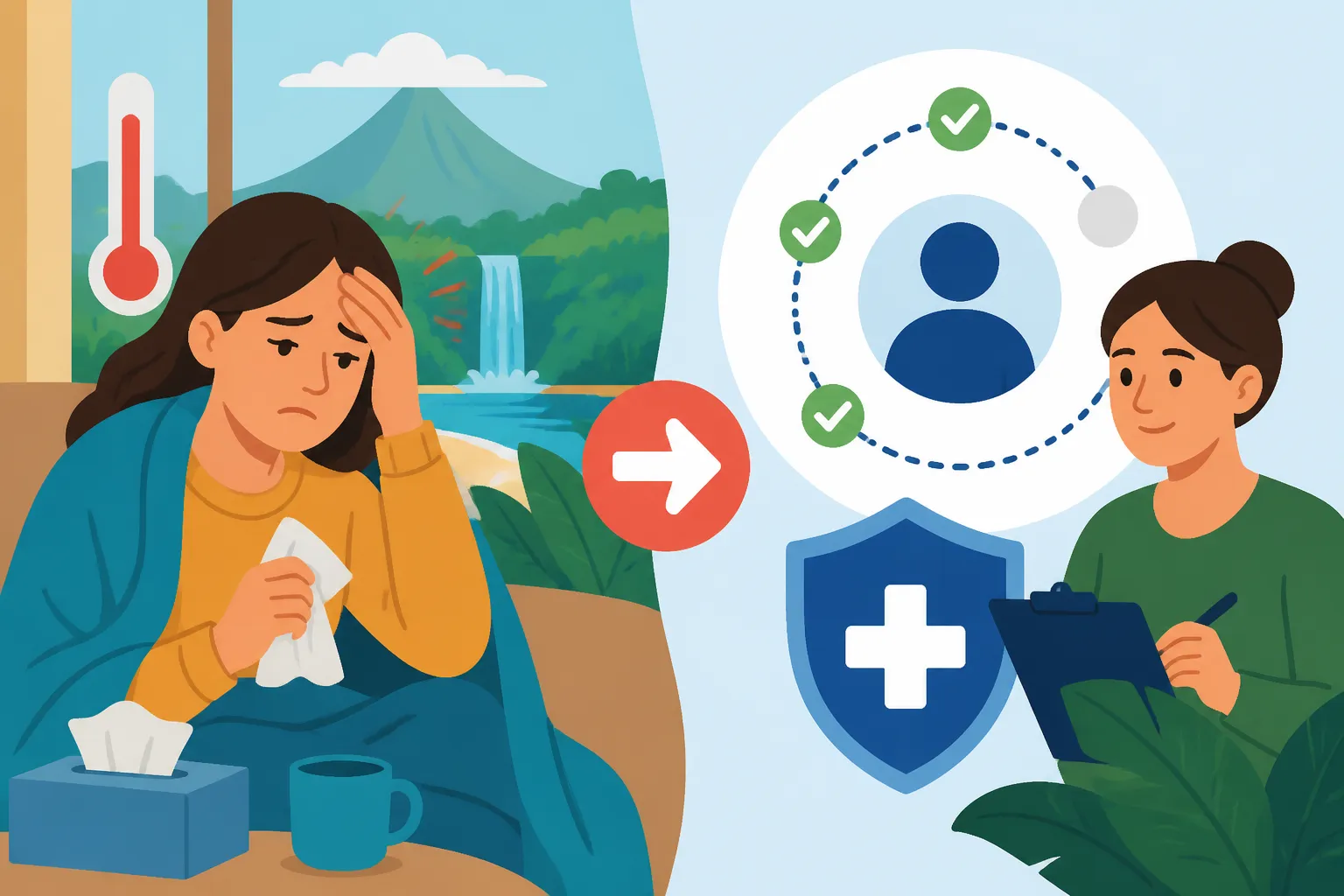
What Happens If I Get Sick Before My Caja Enrollment Is Complete?
Moving to Costa Rica involves a lot of "hurry up and wait," but nothing is more nerve-wracking than the period between submitting your residency application and actually receiving your DIMEX card. If you fall ill or have an accident during this administrative limbo, you aren't yet covered by the public healthcare system. This guide explains how to navigate medical needs, manage private costs, and bridge the insurance gap while you wait for your official enrollment.
Understanding the Healthcare Limbo Period for New Residents
When you first arrive in Costa Rica and begin your residency process, whether as a Pensionado, Rentista, or under the new Digital Nomad rules, you are essentially in a state of administrative transition. You have submitted your documents to the Direccion General de Migracion y Extranjeria (DGME), and you likely have a "plantilla" or a receipt showing your application is "en trámite" (in process). However, the Caja Costarricense de Seguro Social (CCSS), known as the Caja, generally requires a completed residency and a physical DIMEX card to finalize your affiliation and issue your "carnet" or health ID.
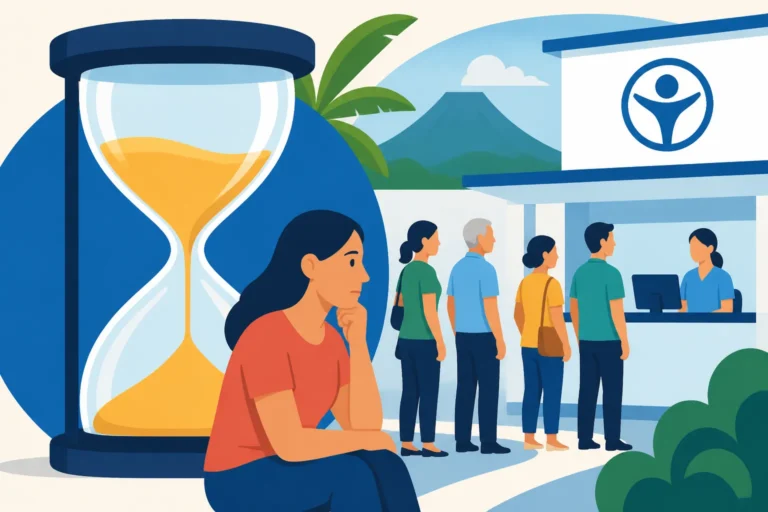
This gap can last anywhere from six months to over a year, depending on the current backlog at Migracion. During this time, even if you are legally in the country and awaiting your status, you do not have the right to free or subsidized routine care at a local EBAIS (the neighborhood clinics). This means that for any non-life-threatening illness—a stubborn sinus infection, a recurring skin rash, or a digestive issue—you are technically on your own. It is vital to understand The Expat Guide to Joining the Caja (CCSS) in Costa Rica (2027) so you know exactly what documents you’ll eventually need, but until that day comes, you need a Plan B.
The frustration is real. Many expats feel like they are paying their dues to an attorney and perhaps even paying into a system they can't yet use. If you were to walk into an EBAIS with your application receipt, they would likely tell you that you are not in the system yet. This is why many veteran expats recommend maintaining some form of private coverage, like SafetyWing, specifically to cover this high-risk window. Having a bridge policy ensures that a sudden appendicitis or a broken bone doesn't drain your relocation fund before you've even fully settled in.
Accessing Care Through the Private Sector
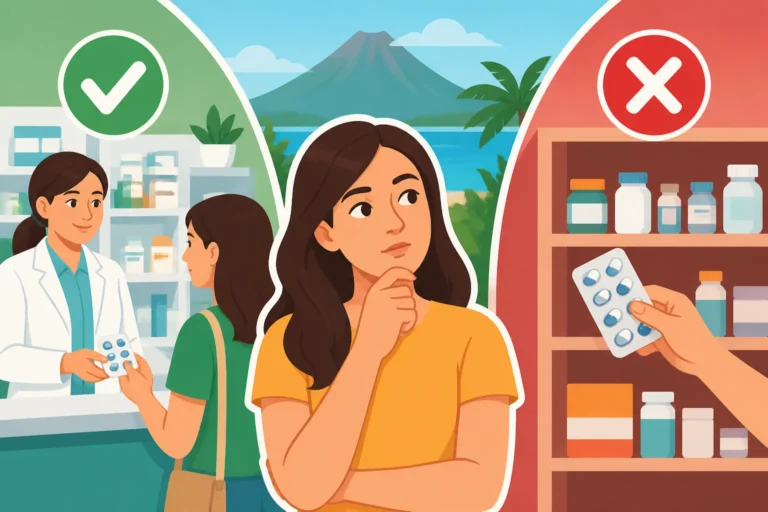
Since you cannot yet access the public system for routine care, your primary point of contact will be the private healthcare market. Costa Rica has an incredible private medical infrastructure, particularly in the Central Valley and major coastal hubs like Tamarindo or Jaco. If you wake up with a high fever or a worrying pain, your first step is usually a private clinic or a "Farmacia." In Costa Rica, the "Regente" (pharmacist) has more prescribing power than in many other countries, and for minor ailments, they can be your fastest and cheapest resource.
If the issue is more serious, you will need to book a consultation with a private physician. You can often get a same-day appointment in areas like Escazú, Santa Ana, or Heredia. Knowing How to Find an English-Speaking Doctor in Costa Rica is a lifesaver during this stage, as it removes the stress of translating your symptoms while you're feeling miserable. Private consults typically range from $60 to $150, depending on the specialty. These doctors operate outside the Caja, so you will pay them directly at the time of service, usually via credit card or Sinpe Movil.
For more complex diagnostics like MRIs, blood work, or specialist referrals, you will likely be directed to major private hospitals. Facilities such as CIMA, Clínica Bíblica, and Hospital Metropolitano offer world-class care that rivals the best hospitals in North America or Europe. If you are using a bridge policy like SafetyWing, you should keep every single receipt (factura electrónica) and medical report. Private hospitals in San José are very accustomed to providing the documentation needed for international insurance claims, which is crucial since you are paying out of pocket upfront. You can read more about How to Use Private Hospitals Like CIMA, Clinica Biblica and Hospital Metropolitano to understand the check-in and billing procedures before you find yourself in an emergency.
Emergency Situations and the Public System
One of the most common questions is: "Will the public hospital let me die if I don't have my Caja card yet?" The answer is a definitive no. Costa Rican law requires public hospitals to stabilize any patient in a life-threatening emergency, regardless of their insurance status or nationality. If you are in a major car accident or suffer a heart attack, the Red Cross (Cruz Roja) will transport you to the nearest public emergency room. You can learn more about this by reading Can Tourists Access Emergency Care in Costa Rica?, as the rules for "en trámite" residents are essentially the same as those for tourists.
However, once you are stabilized, the hospital will generate a bill. Since you are not a "cotizante" (contributor) in the Caja yet, you will be billed as a private patient at public rates. While these rates are significantly lower than US hospital prices, they can still reach thousands of dollars for intensive care or surgery. This is where the distinction between Public vs Private Healthcare in Costa Rica: Which Should Expats Choose? becomes very apparent. In the public system, you are paying for the lack of an active membership; in the private system, you are paying for speed and comfort.
To avoid a massive financial hit during this period, many expats rely on nomadic insurance providers like SafetyWing to act as their primary shield. If you end up in a public hospital for an emergency, you will still be responsible for the bill, and having an insurance company to reimburse those costs is the difference between a minor setback and a financial disaster. Once you are admitted, the hospital's "Trabajo Social" (social work) department will check your status. If you can prove you have a residency application in progress, they may sometimes offer a payment plan, but they will not waive the bill entirely.
Bridging the Gap with Private Insurance
Until your residency is finalized and you have completed The Expat Guide to the Rentista Residency in Costa Rica (2027) or whichever category you applied for, you are effectively a long-term tourist in the eyes of the healthcare billing departments. Relying solely on the hope that you won't get sick is a risky strategy. Private global health insurance or nomad-specific policies are designed for exactly this scenario. They provide the coverage that the Caja won't provide until your DIMEX is in hand.
When choosing a bridge policy, look for one that covers "new" illnesses and accidents. Policies like SafetyWing are popular because they can be started even after you've left your home country and can be renewed monthly, which is perfect for the unpredictable timelines of the Costa Rican immigration department. This is especially helpful for digital nomads who may not even be required to join the Caja under certain visa types but still want protection while living in the tropics.
It is also important to understand The Cost of Healthcare in Costa Rica: A Complete Breakdown for Foreigners (2026) so you can budget for deductibles. Even with insurance, you will likely pay for small things like stitches, antibiotics, or a quick x-ray out of pocket because they may fall below your deductible. The goal of your bridge insurance isn't to cover a $20 bottle of ear drops; it's to cover the $20,000 gall bladder surgery that happens three months before your Caja appointment.
| Medical Scenario | Access Point | Estimated Out-of-Pocket Cost (USD) | Insurance Status Needed? |
|---|---|---|---|
| Minor Flu / Cold | Private Pharmacy (Regente) | $15 – $40 | No (Pay cash/card) |
| General Doctor Visit | Private Clinic / Consultorio | $60 – $100 | No (Pay cash/card) |
| Specialist Visit | Private Hospital (CIMA/Metropolitano) | $120 – $200 | No (Pay cash/card) |
| Emergency ER Visit | Public Hospital (Hulk/Mexico) | $300 – $1,500 (Base) | Stabilized first, billed later |
| Major Surgery | Private Hospital | $5,000 – $30,000+ | Highly recommended (e.g., SafetyWing) |
| Routine Lab Work | Private Lab (Pahola/Echandi) | $50 – $150 | No (Pay cash/card) |
Final Steps Before Your Caja Is Active
While you wait for your DIMEX, stay proactive. Keep a file with all your medical records from the private sector. When you finally do get your DIMEX and go through the process of Understanding How to Enroll in the Caja (CCSS) as a Foreigner in Costa Rica, having your recent history can help your new EBAIS doctor understand your needs. Sometimes, if you have chronic conditions, the transition from private specialists back to the public system requires a clear paper trail to ensure your prescriptions are continued without a hitch.
In the meantime, make sure you know where your nearest private 24-hour clinic is located. Don't wait until you have a 103-degree fever at 2 AM to figure out if the local clinic in Uvita is open. Map out your route to the nearest major hospital in San José or Liberia if you live in a rural area. Being prepared is half the battle when navigating How Costa Rica's Health System Works: The Caja (CCSS) vs Private Explained (2027). The peace of mind that comes from having a policy like SafetyWing and a clear medical plan allows you to enjoy the "Pura Vida" lifestyle instead of worrying about the "what ifs" of the residency waiting game.
Lastly, stay in touch with your residency attorney. Sometimes the hold-up at Migracion is a simple missing fingerprint or a requested document update. The sooner you get your DIMEX, the sooner you can stop paying for private bridge insurance and start benefiting from the universal coverage you came here for. Until then, treat yourself like a high-end tourist: pay for the quality care you need, keep your receipts, and stay insured.
Disclaimer
This guide is for informational purposes only and does not constitute legal, financial, or medical advice. Healthcare regulations and immigration timelines in Costa Rica are subject to change. Always consult with a qualified residency attorney and a licensed insurance broker to confirm your specific coverage needs and legal obligations.