Can I Buy Antibiotics Over the Counter in Costa Rica?
You wake up in your rental in Nosara or a condo in Escazu with a throbbing sinus pressure or a persistent cough that feels like it’s settled deep in your chest. Back home, you might have called your primary care physician or headed to an urgent care center, but here in Costa Rica, your first instinct is often to head to the local pharmacy. Many travelers and new residents arrive with the outdated impression that Central America is a place where you can buy any medication without a script. This guide clarifies the strict legal realities of antibiotic access in Costa Rica and provides a step-by-step roadmap for getting the treatment you need without breaking the law or your budget.
The Legal Reality of Antibiotic Access in Costa Rica
If you had visited Costa Rica fifteen years ago, the answer to this question would have been a resounding "yes." For decades, pharmacies functioned as the first line of medical defense for both locals and expats. You could walk into a corner botica, explain your symptoms to the pharmacist, and walk out with a strip of Amoxicillin or a Z-Pak. However, everything changed in August 2010. The Costa Rican Ministry of Health (Ministerio de Salud) implemented a strict decree aimed at curbing the rise of antibiotic-resistant "superbugs" and preventing the dangerous practice of self-medication.
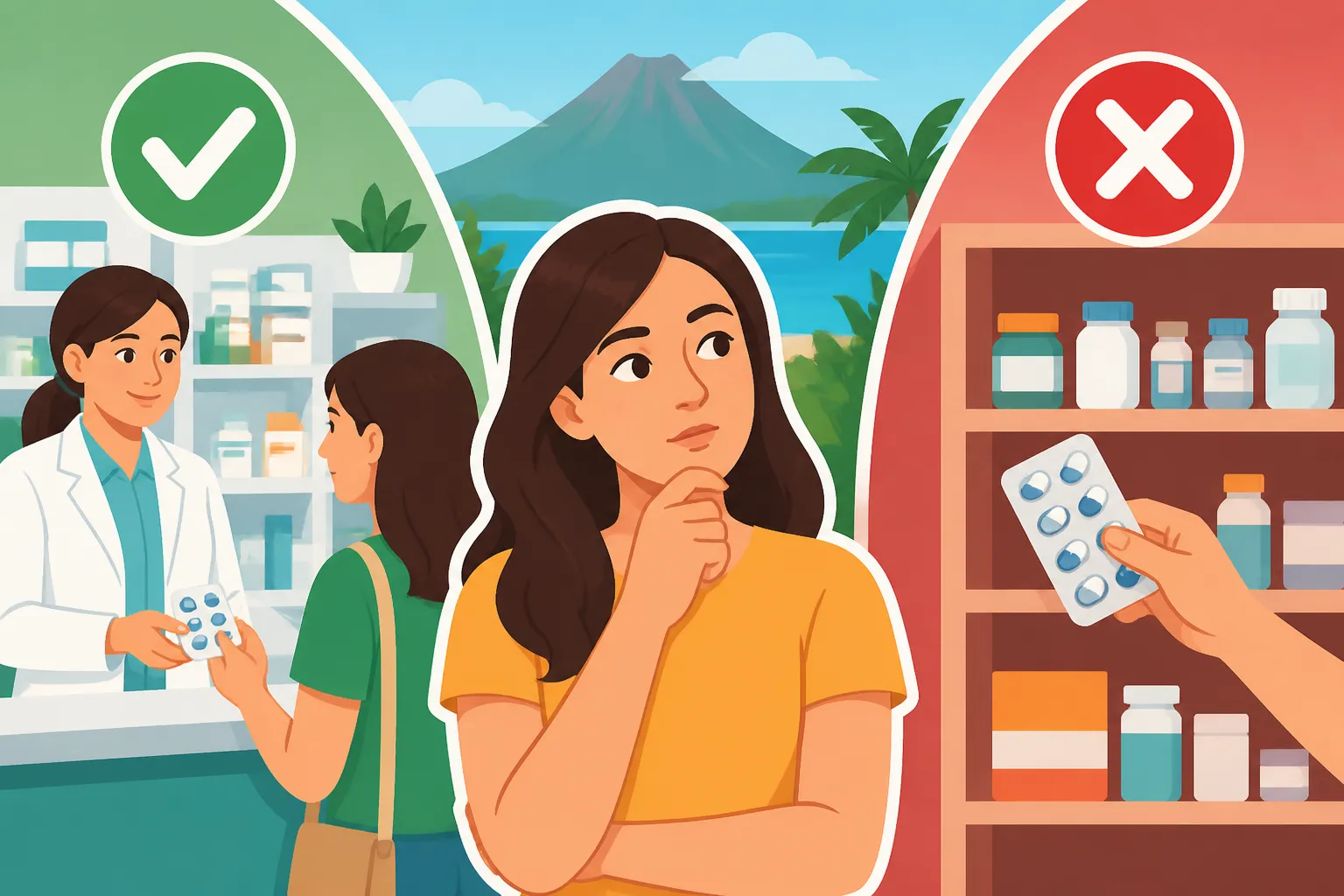
Today, it is strictly illegal for a pharmacy to sell antibiotics without a valid prescription from a doctor licensed by the Colegio de Médicos y Cirujanos de Costa Rica. This isn't just a "suggestion" that pharmacists occasionally ignore; the digital tracking systems used by modern pharmacies make it nearly impossible for them to bypass these rules without risking their professional licenses and heavy fines. When you go to a pharmacy like Farmacia Fischel or Farmacia La Bomba, the pharmacist must log the prescription into a national system.
The shift in Understanding the Costa Rican Pharmacy (Farmacia) System means that you have to navigate the medical system before you can touch a single pill. While this might feel like a bureaucratic hurdle when you’re feeling miserable, it’s actually a sign of the high standards within the Costa Rican medical field. The country takes public health seriously, and the regulation of antibiotics is a cornerstone of their strategy to maintain a high-functioning healthcare environment. For those who are traveling, having a policy with a provider like SafetyWing can be a lifesaver here, as it helps cover the cost of the doctor's visit required to get that necessary piece of paper.
Why the Crackdown Happened
The primary driver for this regulation was the alarming rate of antibiotic resistance found in the local population. When people take antibiotics for viral infections—like the common cold or the flu—the medication does nothing to help the illness but does a lot of damage by killing off beneficial bacteria and allowing resistant strains to flourish. The Ministry of Health realized that by allowing "over-the-counter" access to these powerful drugs, they were inadvertently creating a long-term public health crisis.
The Role of the Regente Farmacéutico
Every pharmacy in Costa Rica is required by law to have a "Regente"—a licensed pharmacist—on-site during operating hours. These professionals have years of university training and are incredibly knowledgeable. While they cannot prescribe antibiotics, they can prescribe certain other medications and offer deep advice on symptom management. If you have a minor ailment, talking to the Regente is still a great first step, but if they suspect a bacterial infection, they will immediately tell you that you must see a physician. They are your allies in Navigating the Costa Rican Healthcare System: An Expat's Roadmap (2027), but their hands are legally tied when it comes to penicillin or ciprofloxacin.
How to Legally Obtain Antibiotics as an Expat or Tourist
Since you cannot simply buy these meds at the counter, you need to know the pathways to a legal prescription. Your options depend largely on your residency status and how much you are willing to pay for speed and convenience. The system is split between the public sector, known as the "Caja," and the robust private medical sector.
The Public Route: Using the Caja (CCSS)
If you are a legal resident and are up to date on your monthly payments, you can use the public system. You will need to head to your local EBAIS (Equipos Básicos de Atención Integral en Salud). This is the primary care clinic for your specific neighborhood. Be prepared: the wait times at an EBAIS can be significant. You often have to arrive very early in the morning to secure a "cupo" (an appointment slot) for that day.
Once you see the doctor and they confirm a bacterial infection, they will issue a prescription that is filled right there at the clinic’s pharmacy for no additional cost. This is the most economical way to handle an illness, but when you have a high fever and a splitting headache, the four-hour wait in a plastic chair can feel like an eternity. Many residents find Understanding the Difference Between the Caja and Private Insurance in Costa Rica helps them decide when to use the public system and when to pay out of pocket.
The Private Route: Fast and Efficient
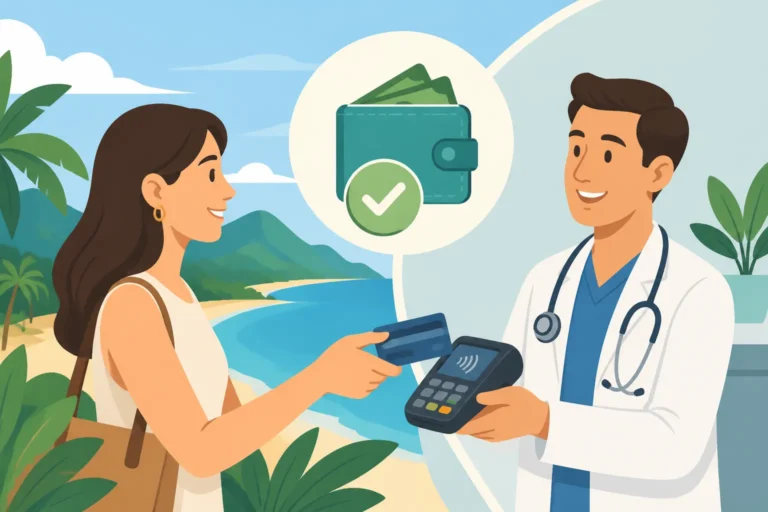
For most tourists and many expats, the private route is the preferred choice for acute illnesses. Costa Rica has world-class private hospitals such as CIMA in Escazu, Clinica Biblica in San Jose, and Hospital Metropolitano, which has branches all over the country. You don't necessarily need to go to a massive hospital, though. Most towns have private "Consultorios Médicos" where a general practitioner can see you for a fee ranging from $60 to $100.
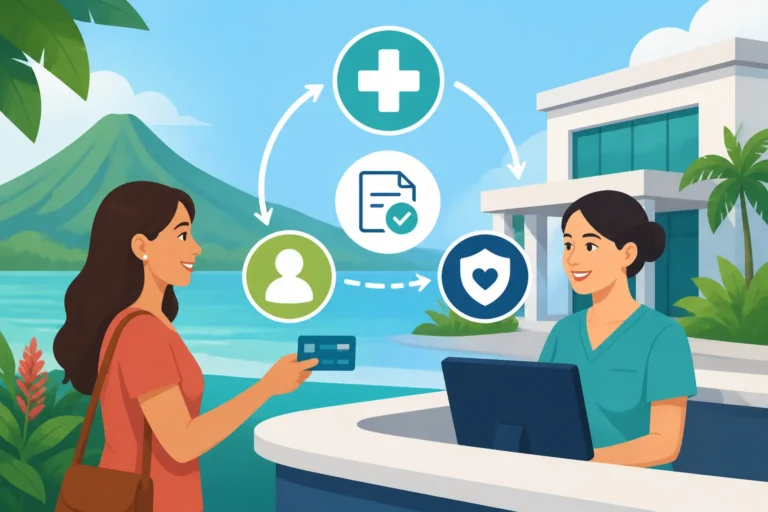
If you are a traveler using SafetyWing, these private visits are often the most logical path because the documentation is straightforward and the service is rapid. Most private doctors speak excellent English, making it easier to explain complex symptoms. After the consultation, the doctor will give you a "receta digital" (digital prescription) or a physical one with their official seal. You can take this to any pharmacy in the country to have it filled. For more details on costs, check out The Cost of Healthcare in Costa Rica: A Complete Breakdown for Foreigners (2026).
Telemedicine and Mobile Doctors
A growing trend in Costa Rica is the use of telemedicine or "Médico a Domicilio" (house-call doctors). If you are too sick to leave your hotel or rental, you can call a service that sends a doctor to your door. This is surprisingly affordable compared to North American standards. These doctors carry their prescription pads and can often call the pharmacy for you to arrange delivery. If you are in a major hub like San Jose or Heredia, finding an English-Speaking Doctor in San Jose who offers these services is quite easy.
| Access Method | Typical Wait Time | Estimated Cost (Consult) | Best For |
|---|---|---|---|
| EBAIS (Public) | 3 – 6 hours | Included in monthly Caja | Residents on a budget |
| Private Clinic | 30 – 60 minutes | $60 – $100 | Tourists & Expats wanting speed |
| Private Hospital ER | 1 – 2 hours | $150+ | Severe infections or after-hours |
| Telemedicine | Immediate / 1 hour | $50 – $80 | Minor infections, convenience |
Pharmacies and Pricing: What to Expect at the Counter
Once you have your prescription in hand, the next step is the pharmacy. Costa Rican pharmacies are ubiquitous; in some neighborhoods in San Jose, you’ll find three on a single block. However, not all pharmacies are created equal when it comes to price and stock.
Chain Pharmacies vs. Independent Boticas
The big players are Farmacia Fischel, Farmacia Sucre, and Farmacia La Bomba. Fischel is often the most expensive but also the most likely to have rare medications in stock and a very "high-end" feel. On the other end of the spectrum is Farmacia La Bomba, which is famous for its "precios de bomba" (exploding low prices). If you are looking to save money on a standard course of antibiotics, La Bomba is almost always your best bet. They often have long lines, but the savings are significant.
For travelers, it is worth noting that services like SafetyWing can sometimes be used to reimburse the cost of medications prescribed during a covered medical visit. Keep your itemized receipts (factura electrónica) for any claims. You’ll need to provide your passport number or DIMEX to the pharmacist to generate a legal tax receipt.
Generic vs. Brand Name
In Costa Rica, you will often be asked: "¿Genérico o de marca?" (Generic or brand name?). The generic versions are significantly cheaper and are regulated for "bioequivalencia" by the government. However, some doctors may specifically request a brand name for certain types of potent antibiotics. If you are on a budget, ask the pharmacist if a generic version is available for your specific prescription. Most of the time, the generic will work perfectly and save you 40-60% on the total cost.
Understanding the Prescription Format
A valid prescription in Costa Rica must contain the doctor's name, their "código" (medical ID number), the date, the patient’s name, and the specific dosage instructions. If any of this is missing, the pharmacy will reject it. This is why How to Find an English-Speaking Doctor in Costa Rica is so important; you want to ensure there is no miscommunication regarding the instructions for the medication, especially with dosages for children.
Important Considerations for Expats and Travelers
Navigating medical needs in a foreign country is stressful, but understanding a few hyper-local nuances can make the process smoother. For instance, the "receta digital" system is now the standard. Instead of a paper slip, the doctor might give you a code or an email. You simply show this to the pharmacist on your phone.
Dealing with Foreign Prescriptions
If you are traveling and run out of your prescribed antibiotics from home, do not expect a Costa Rican pharmacist to honor a prescription from the US, Canada, or Europe. They are legally unable to do so. You will need to take your foreign prescription or the original bottle to a local doctor, who will then perform a brief exam and "transcribe" or issue a new local prescription. This is a common situation for people Moving to Costa Rica Legally from Abroad (2026) who haven't yet settled into the local medical rhythm.
Allergic Reactions and Medical Records
Always carry a list of your allergies. While the pharmacists and doctors in Costa Rica are highly trained, the burden of history is on you. If you have a reaction to a specific class of antibiotics, like sulfa drugs or penicillin, make sure to use the Spanish word "alérgico/a." If you end up in a private hospital like CIMA or Biblica, they will start a medical file for you, but it’s always wise to keep a copy of your records if you are just passing through.
Safety Nets and Insurance
For many, the fear of getting sick in a foreign country is tied to the fear of high costs. While Costa Rican private healthcare is cheaper than in the US, an ER visit and a course of high-end antibiotics can still set you back several hundred dollars. This is why many nomads and long-term travelers rely on SafetyWing. It provides that essential layer of protection so that a simple ear infection doesn't turn into a financial headache. Whether you are wondering Can Tourists Access Emergency Care in Costa Rica? or simply need a quick consult, having insurance simplifies the "who do I call?" question.
If your condition is serious, don't wait. The private hospitals in San Jose provide care that is on par with the best facilities in North America. If you are unsure about where to go, you can always look into How to Use Private Hospitals Like CIMA, Clinica Biblica and Hospital Metropolitano to understand their admission and billing processes.
Disclaimer
This guide is for informational purposes only and does not constitute professional medical or legal advice. Laws regarding medication and healthcare in Costa Rica are subject to change. Always consult with a licensed medical professional in Costa Rica regarding any health concerns, and verify current regulations with the Costa Rican Ministry of Health (Ministerio de Salud) before attempting to purchase or import medications.