How Do I Access Emergency Dental Care in Costa Rica?
It's an unfortunate truth that when you're living the Pura Vida dream in Costa Rica, sometimes that dream gets interrupted by a jarring, painful reality: a dental emergency. You might be enjoying a fresh gallo pinto, or perhaps you took an unexpected spill on a sendero (trail), and suddenly, you're faced with a throbbing tooth, a chipped smile, or something far worse. The initial panic is real – where do you go? Who do you call? And how on earth do you navigate the healthcare system for something as specific as emergency dental work in a foreign country? This guide is here to walk you through exactly how to access urgent dental care when you need it most.
What Constitutes a True Dental Emergency in Costa Rica?
Let's start by defining what we're actually talking about here. Not every ache and twinge warrants an immediate, frantic dash to the nearest clinic. However, when you're experiencing severe pain, infection, or trauma, time is of the essence. It’s important to distinguish between something that can wait a few days for a regular appointment and something that truly needs attention now.
A true dental emergency is typically characterized by:
- Severe, Uncontrolled Pain: This is probably the most common reason people seek emergency care. If you're experiencing excruciating, constant pain that painkillers aren't touching, especially if it's accompanied by swelling, it's an emergency. This could indicate an abscess, a severely infected tooth, or nerve damage. Ignoring this can lead to wider infection and more serious health problems.
- Facial Swelling or Pus: If you notice swelling in your face, jaw, or gums, especially if there's pus, it's a clear sign of infection that needs immediate attention. An abscess can spread rapidly, potentially affecting your airway or even leading to life-threatening conditions if left untreated. This isn't just a dental issue; it's a systemic health threat.
- Knocked-Out Tooth: This one is time-sensitive. If a tooth has been completely dislodged, there's a small window (ideally within an hour) where it might be possible to re-implant it successfully. Knowing what to do in that moment – gently rinsing the tooth, trying to reinsert it, or placing it in milk – can make all the difference. Get to a dentist immediately.
- Chipped, Fractured, or Broken Tooth with Pain: While a small, painless chip might be cosmetic, a significant fracture that exposes the nerve, causes sharp pain, or has jagged edges cutting your tongue or cheek, definitely qualifies as an emergency. It could also lead to infection if the pulp is exposed.
- Loose or Lost Restorations Causing Pain/Exposure: A lost filling or crown might not always be an emergency, but if it exposes a sensitive area of your tooth, causes sharp pain, or makes it impossible to eat or speak comfortably, you need to get it looked at quickly. The exposed area is also vulnerable to further damage and infection.
- Bleeding that Won't Stop: After an injury or extraction, some bleeding is normal, but if it's excessive and you can't get it to stop with pressure after a reasonable amount of time, you need professional help.
It’s easy to feel lost and panicked when one of these strikes. You’re in a new country, perhaps not fully fluent in Spanish, and the last thing you want is to be fumbling for solutions while your face throbs. Trust your gut; if it feels like an emergency, it probably is.
Public Versus Private Dental Care for Emergencies
Navigating the healthcare system here, especially for dental work, can feel like a maze, even for something as urgent as an emergency. When it comes to dental care in Costa Rica, you generally have two main avenues: the public system (Caja Costarricense de Seguro Social, or CCSS) and private clinics. For emergency dental care, the distinction is particularly stark.
The Public Health System (Caja) and Dental Care
Ah, the Caja. It’s the backbone of Costa Rica's general healthcare, and once you've joined the system as a resident, it covers a lot of your medical needs. However, dental care through the Caja is a different beast entirely. While basic dental services like cleanings, extractions, and some fillings are covered, accessing them can be a marathon, not a sprint.
For genuine dental emergencies, the Caja is usually not your first or best recourse for immediate relief. If you walk into an EBAIS (the local community clinics, which are your first point of contact for the Caja system) with a severe toothache, they might be able to provide some pain relief or an antibiotic if there's an obvious infection. However, they are generally not equipped to handle complex emergency dental procedures on the spot. You would likely be referred to a Caja dental clinic, and then you’d face the notorious waitlists. We’re talking weeks or even months for non-critical procedures. For a truly excruciating, immediate emergency, the Caja’s bureaucratic process and resource allocation simply aren’t designed for rapid dental intervention.
This isn't to say the Caja system is bad – it’s incredibly comprehensive for general medical needs, and a lifeline for many – but for something as specialized and often time-sensitive as emergency dental, it falls short. If you're pondering the broader question of Public vs Private Healthcare in Costa Rica: Which Should Expats Choose?, this dental scenario certainly highlights one of the key differences.
Private Dental Clinics: Your Best Bet for Urgency
For almost all dental emergencies in Costa Rica, your absolute best option will be a private dental clinic. These clinics are abundant, especially in and around the larger cities like San Jose, Escazu, Santa Ana, Heredia, and Alajuela, as well as popular expat hubs like Tamarindo, Jaco, and La Fortuna. The quality of care in private clinics is generally excellent, often rivaling or exceeding what you'd find in North America or Europe, with many dentists trained internationally and utilizing modern equipment.
The significant advantages of private clinics for emergencies are:
- Speed and Accessibility: Many private clinics offer same-day appointments for emergencies, and some even have dedicated emergency slots. You can often call, explain your situation (even with basic Spanish or Google Translate), and get seen within hours. Walk-ins are sometimes possible, but it's always better to call ahead if you can.
- Specialized Care: Private clinics are well-equipped to handle a wide range of dental emergencies, from root canals and extractions to re-implanting a knocked-out tooth or repairing significant fractures. If they can't do it themselves, they’ll refer you immediately to a specialist (e.g., an endodontist for a root canal, or an oral surgeon).
- English-Speaking Staff: A huge relief for many expats is that a significant number of private dental clinics, especially in expat-dense areas, have English-speaking dentists or administrative staff. This removes a massive barrier during a stressful time. You can often find How to Find an English-Speaking Doctor in Costa Rica which will lead you to some great dental options as well.
- Comfort and Technology: Private clinics usually offer a more comfortable environment, shorter wait times, and state-of-the-art diagnostic and treatment technology.
The downside, of course, is the cost. Unlike the Caja, you'll be paying out of pocket for private dental care. However, many find the cost of dental work in Costa Rica to be significantly lower than in their home countries, even for emergency procedures. If you're looking for more general cost information, check out our guide on The Cost of Healthcare in Costa Rica: A Complete Breakdown for Foreigners (2026).
Here's a quick comparison of what to expect for emergency dental care:
| Feature | Public (Caja) Dental Care (Emergency) | Private Dental Care (Emergency) |
|---|---|---|
| Accessibility | Extremely limited for urgent procedures; long waitlists for basic care. | Excellent; many offer same-day or next-day emergency appointments. |
| Speed of Treatment | Very slow; often involves referrals and significant delays. | Fast; immediate attention for genuine emergencies. |
| Services Offered | Basic pain relief, antibiotics, sometimes emergency extractions. | Comprehensive; extractions, root canals, repairs, re-implantation. |
| Cost | Covered (if affiliated with Caja), but services are limited. | Out-of-pocket; costs generally lower than in North America/Europe. |
| Language Barrier | Higher chance of only Spanish-speaking staff. | Many clinics have English-speaking dentists/staff. |
| Technology/Comfort | Basic facilities; less emphasis on patient comfort. | Modern facilities, advanced equipment, patient-centered care. |
| Ideal For | Non-urgent, routine dental work after lengthy waits. | Immediate, urgent treatment for severe pain, trauma, or infection. |
Practical Steps to Get Help When a Dental Emergency Strikes
Okay, so you've identified it as an emergency, and you know private is the way to go. Now, what do you actually do? Here’s a step-by-step guide to help you through the process, minimizing stress and getting you the care you need.
Finding an Emergency Dental Clinic
Your first priority is locating a reputable clinic that can see you quickly.
- Ask for Recommendations: This is always my go-to in Costa Rica. Reach out to your expat community, local friends, or neighbors. Post on local expat Facebook groups (e.g., "Expats in Costa Rica," "Costa Rica Dental Tourism") asking for urgent dental recommendations. You'll often get immediate responses with names of clinics and even direct contact numbers. Personal recommendations are invaluable here.
- Online Search: Google Maps is your friend. Search for "dentista de emergencia" (emergency dentist) or "clínica dental" (dental clinic) near your location. Look for clinics with high ratings and recent reviews. Many clinics have websites or Facebook pages where you can find contact info and sometimes even chat directly.
- Check Dental Tourism Sites: Even if you're a resident, sites catering to dental tourism often list clinics known for their quality and ability to handle international patients, many of whom are seeking urgent care. These sites typically feature dentists who are English-speaking and accustomed to working with foreigners.
- Contact International Hospitals: Major private hospitals like Clinica Biblica, Hospital CIMA, or Hospital Metropolitano often have dental departments or can direct you to an affiliated emergency dentist. While the hospitals themselves might not do the actual dental work, their emergency rooms can stabilize you if the infection is severe, and their staff can provide a reliable referral. Remember, you can read more about How to Use Private Hospitals Like CIMA, Clinica Biblica and Hospital Metropolitano if you need to go this route.
Once you have a few names, start calling.
Making the Call and Overcoming Language Barriers
This is where things can get a little tricky if your Spanish isn't fluent.
- Prepare Key Phrases: Before you call, have a few essential phrases ready:
- "Tengo una emergencia dental." (I have a dental emergency.)
- "Tengo mucho dolor." (I have a lot of pain.)
- "Necesito ver a un dentista hoy." (I need to see a dentist today.)
- "¿Habla inglés?" (Do you speak English?)
- "¿Puedo venir ahora?" (Can I come now?)
- "¿Cuánto cuesta una consulta de emergencia?" (How much does an emergency consultation cost?)
- Describe your specific issue: "Tengo un diente roto," "Se me cayó una corona," "Tengo una hinchazón."
- Use Translation Apps: Google Translate can be a lifesaver. You can type in what you want to say and let the app speak it for you, or have the clinic speak into it. It’s not perfect, but it can bridge the communication gap.
- Ask for Help: If you're really struggling, ask a local Tico friend, a hotel receptionist, or even a helpful neighbor to make the call for you. Costa Ricans are generally very kind and willing to assist, especially in an emergency.
When you call, clearly state it's an emergency and try to describe your symptoms. Be patient if there's a language barrier; often, they’ll find someone who speaks English, or they'll understand enough to get you in.
Payment and Insurance Considerations
This is where the rubber meets the road.
- Cost Transparency: Always ask about the cost of the emergency consultation upfront. While they might not be able to give you an exact price for the entire treatment without seeing you, they can usually tell you the consultation fee. Generally, an emergency consultation might range from $50 to $100 USD. For more complex procedures, the costs will vary, but you can typically expect an extraction to be around $80-$150, a filling $60-$120, and a root canal $300-$600, depending on the tooth and clinic. To give you a broader idea of costs, we have a detailed article on How Much Does Dental Treatment Cost in Costa Rica Without Insurance?.
- Payment Methods: Most private clinics accept cash (USD or Colones), major credit cards (Visa, MasterCard), and sometimes even debit cards. It’s a good idea to confirm their accepted payment methods when you call. Carrying some cash in smaller denominations is always prudent for initial consultation fees or if their card machine is down.
- International Health Insurance: This is where your travel or expat insurance can be a game-changer. If you have an international health insurance plan, such as one from providers like SafetyWing, check your policy details. Many international plans offer coverage for emergency dental work, especially if it's due to an accident or acute pain that requires immediate relief. However, they usually won't cover routine dental work or pre-existing conditions. It's vital to understand your policy's definition of an "emergency" and what documentation you'll need for reimbursement. Keep all receipts, medical reports, and diagnostic images. It's often a "pay first, claim later" system, but some larger clinics might have direct billing relationships.
- No Caja Coverage: Just a reiteration: if you're relying solely on your Caja affiliation, you'll be paying out-of-pocket for private emergency dental care. The Caja does not cover private treatment, and as discussed, getting emergency care through the public system for dental issues is extremely challenging.
Remember, dental issues can be part of The Complete Guide to Healthcare in Costa Rica for Expats (2027), but the specifics for urgent dental care are often overlooked in general health discussions. Be prepared and informed.
After the Emergency: Follow-Up, Prevention, and Ongoing Care
So, you've survived the immediate crisis, your pain is managed, and the emergency is taken care of. What happens next? The journey doesn't necessarily end with that first emergency visit.
Follow-Up Care and Referrals
Often, an emergency visit is just the first step. For instance, if you had an abscess drained, you might need antibiotics and then a follow-up appointment for a root canal. If a tooth was fractured, it might need more extensive restoration.
- Understand the Treatment Plan: Make sure you clearly understand what further treatment is needed. Don't hesitate to ask for a written explanation or to have someone translate for you if necessary. Ask about alternatives, costs, and timelines.
- Specialist Referrals: Private dentists in Costa Rica have a strong network. If your case requires a specialist – say, an oral surgeon for a complex extraction, or an endodontist for intricate root canal therapy – your emergency dentist will refer you. These specialists are also typically found within the private system and maintain the same high standards of care.
- Comparing Options: Even after an emergency, you might want to compare costs and approaches for follow-up work. Since the immediate pain is gone, you have a bit more breathing room to research. For those serious about long-term dental health, Understanding Dental Care Costs and Clinics in Costa Rica will be incredibly helpful.
Long-Term Dental Health and Prevention
Once the emergency is over, it’s a good time to think about ongoing dental care. Proactive care is always better than reactive crisis management.
- Routine Check-ups: Don't wait for another emergency. Schedule regular check-ups and cleanings. Many expats find a reliable general dentist in their area and stick with them. A good general dentist can spot potential problems before they become emergencies.
- Dental Insurance: While the Caja provides basic medical insurance, dedicated dental insurance is rare in Costa Rica and usually not very comprehensive for complex procedures. Many expats rely on their international health insurance (if it has dental riders) or simply pay out-of-pocket for routine and major work, often finding it more affordable than insurance premiums back home. Some international expat plans, even those like SafetyWing that are primarily travel medical insurance, might have options for specific dental emergencies or even basic coverage, so it's worth reviewing your plan and considering supplements if you plan to live here long-term.
- Diet and Habits: Pura Vida life sometimes means indulging in delicious, sugary treats or strong Costa Rican coffee. Be mindful of how your diet and habits impact your oral health. Regular brushing, flossing, and a balanced diet go a long way.
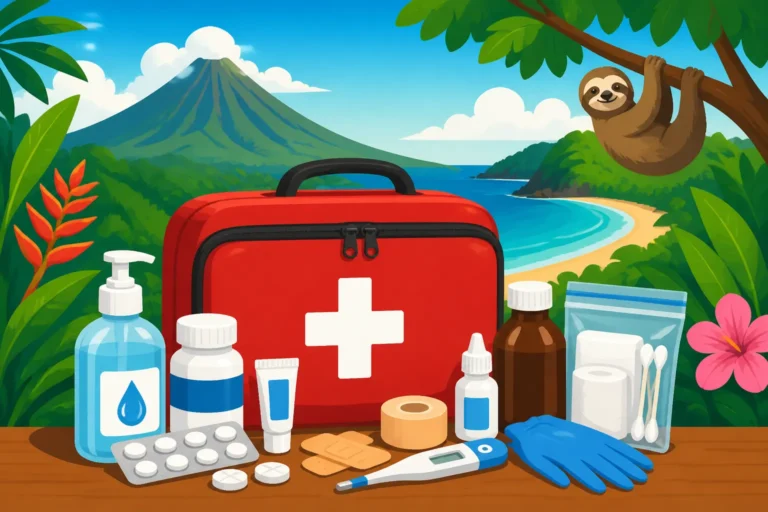
- Emergency Kit: Consider putting together a small dental emergency kit at home. This could include temporary filling material, dental wax for braces, pain relievers, and gauze. This can buy you some time before you get to a professional.
Ultimately, experiencing a dental emergency in Costa Rica can be daunting, but with the right information and a bit of preparation, it’s a manageable hurdle. The country boasts high-quality private dental care, so while the initial shock might be unpleasant, you can rest assured that skilled professionals are ready to help you get back to enjoying your life in paradise, pain-free.
Disclaimer
The information provided in this guide is for general informational purposes only and does not constitute professional medical or legal advice. While we strive to provide accurate and up-to-date information, healthcare systems, regulations, and costs in Costa Rica can change. Always consult with a qualified dental professional or a legal expert for advice tailored to your specific situation. We are not responsible for any actions taken based on the information in this article.