What Should I Pack in a Home Medical Kit for Costa Rica?
Moving to a new country like Costa Rica is an exhilarating adventure, but let's be honest, the thought of falling ill or getting a minor injury far from your usual comforts can be a real source of anxiety. The local pharmacies are great, but sometimes you just need that familiar over-the-counter remedy now, or a specific first-aid item without the hassle of explaining it in Spanish. This guide will walk you through exactly what you should pack in your home medical kit for Costa Rica, ensuring you're prepared for those everyday bumps, scrapes, and unexpected sniffles that can throw a wrench in your Pura Vida plans.
Why a Costa Rica-Specific Medical Kit is Essential Beyond the Basics
When you first arrive in Costa Rica, everything feels new and exciting, but eventually, you'll encounter a moment when you wish you had something from "back home." Maybe it's a specific brand of antacid, or perhaps you've got a nasty mosquito bite that's driving you crazy and the local options just aren't cutting it. Relying solely on Costa Rican pharmacies can be a learning curve, and it’s always better to be proactive, especially in those initial weeks or months before you're fully integrated into the local healthcare system. Having your own well-stocked kit provides an immediate sense of security and saves you from those frantic, late-night pharmacy runs in an unfamiliar town.
Dealing with "Tico Time" and Pharmacy Access
One of the charming, yet sometimes frustrating, aspects of life in Costa Rica is "Tico Time" – things don't always happen as quickly as you might be used to. This can extend to pharmacy services. While you can often get many Prescription Medications and Pharmacies in Costa Rica: The Complete Guide over the counter that might require a prescription in your home country (including some antibiotics!), finding a specific brand or even a 24-hour pharmacy, especially outside of major metropolitan areas like San José, can be a challenge. Imagine waking up at 3 AM with a raging fever or a child with an earache; having immediate access to a thermometer and fever reducer can make all the difference.
Furthermore, while pharmacists here are generally very knowledgeable and helpful, there can be a language barrier. Trying to describe a specific symptom or ingredient you’re looking for when you're feeling under the weather or stressed can be incredibly difficult. A prepared kit means you won't have to navigate these potential hurdles when you're at your most vulnerable. It also gives you peace of mind while you're figuring out How to Find an English-Speaking Doctor in Costa Rica for more serious concerns.
Common Ailments and Tropical Concerns
Life in Costa Rica, particularly in the coastal and rural areas, comes with its own unique set of minor health challenges. We’re talking about things like insect bites – and not just the common mosquito! You’ll encounter no-see-ums (purrujas), sand fleas, and various other critters that can leave itchy, annoying welts. Digestive issues are also incredibly common for new arrivals as your body adjusts to the local bacteria in food and water, even if you’re being super careful. Sunburn is another constant threat, even on cloudy days, given the equatorial sun.
Then there are the common colds, allergies (which can flare up due to new flora), and minor cuts and scrapes from exploring the beautiful, rugged terrain. Having supplies specifically tailored to these frequent "expat ailments" will keep you comfortable and adventuring. It’s not about paranoia; it’s about practical preparedness for the realities of living in a tropical environment. Plus, while you're getting settled, you'll want to review What Health Risks Should Expats Be Aware of in Costa Rica to be truly ready.
The Must-Have Over-the-Counter Medications for Your Kit
Let's dive into the specifics. When you're building your home medical kit for Costa Rica, think about the common discomforts you'd typically treat at home without a doctor's visit. These are the items that will save you time, stress, and potentially a lot of discomfort.
Pain Relief and Fever Reducers
This is foundational. You absolutely need reliable pain and fever medication in your kit, preferably in both adult and child-friendly forms if you have kids.
- Acetaminophen (Tylenol/Paracetamol): Excellent for fever reduction and mild to moderate pain. It's often recommended when there are concerns about stomach upset.
- Ibuprofen (Advil/Motrin): A non-steroidal anti-inflammatory drug (NSAID) that's great for pain, inflammation (think sprains or swollen insect bites), and fever.
- Aspirin (for adults only): Good for pain, fever, and inflammation, but be cautious with its use, especially if you have stomach sensitivities or are on other medications. Never give aspirin to children or teenagers as it can cause Reye's syndrome.
You can find these in local pharmacies, of course, but having a supply of your preferred brand and dosage means no deciphering Spanish labels when your head is throbbing. Many expats find that while local options exist, the formulations or availability of specific brands can differ, making your familiar go-tos invaluable.
Digestive Distress and Dehydration
The "Montezuma's Revenge" or "Tico Tummy" is a rite of passage for many newcomers to Costa Rica. Your digestive system will likely need some time to adjust, so be ready.
- Anti-diarrhea medication (Loperamide/Imodium): Essential for quickly managing acute diarrhea, especially if you need to travel or can't be near a bathroom.
- Antacids (Tums, Rolaids, or liquid antacid): For heartburn, indigestion, and upset stomach, these can be a lifesaver after enjoying some delicious, but sometimes rich, local cuisine.
- Pepto-Bismol (or generic bismuth subsalicylate): Great for nausea, indigestion, upset stomach, and diarrhea. It's a multi-tasker!
- Laxatives/Stool Softeners: The opposite problem can also occur. Dietary changes, dehydration, and travel can lead to constipation.
- Oral Rehydration Salts (ORS): Absolutely critical! If you experience significant vomiting or diarrhea, replenishing electrolytes is vital to prevent dehydration, which can become serious quickly in a tropical climate. Brands like Pedialyte are available locally, but having packets of ORS to mix with water is portable and effective.
I can’t stress the ORS enough. Dehydration happens fast here, and having a good electrolyte mix on hand will make you feel human again much quicker.
Allergy and Skin Irritation Relief
New environment, new allergens, and plenty of bugs mean allergy and skin relief are paramount.
- Antihistamines (non-drowsy like Loratadine/Claritin, or drowsy like Diphenhydramine/Benadryl): For allergic reactions, itchy bug bites, or seasonal allergies. A drowsy option can also help you sleep if the itching is intense.
- Hydrocortisone cream: A mild steroid cream to reduce itching, redness, and swelling from insect bites, rashes, or minor skin irritations.
- Calamine lotion: Soothing for widespread itching from bites or rashes.
- Topical anti-itch stick (e.g., After Bite): Small, convenient, and effective for immediate relief from individual insect bites.
- Aloe Vera gel: For sunburn relief or general skin soothing. You can often find fresh aloe plants here, but a bottle is handy for immediate use.
The amount of bug spray you use will influence how many bug bites you get, but even with diligent application, some bites are inevitable. Plus, some people develop contact dermatitis from new plants or pollens.
Essential First Aid and Wound Care Supplies
Minor injuries are a given when you're exploring waterfalls, hiking volcanoes, or just navigating uneven sidewalks. A solid first-aid kit is non-negotiable.
Addressing Cuts, Scrapes, and Bites
Even a small cut can become an issue in a humid, tropical environment if not properly cared for. Infections can set in quickly.
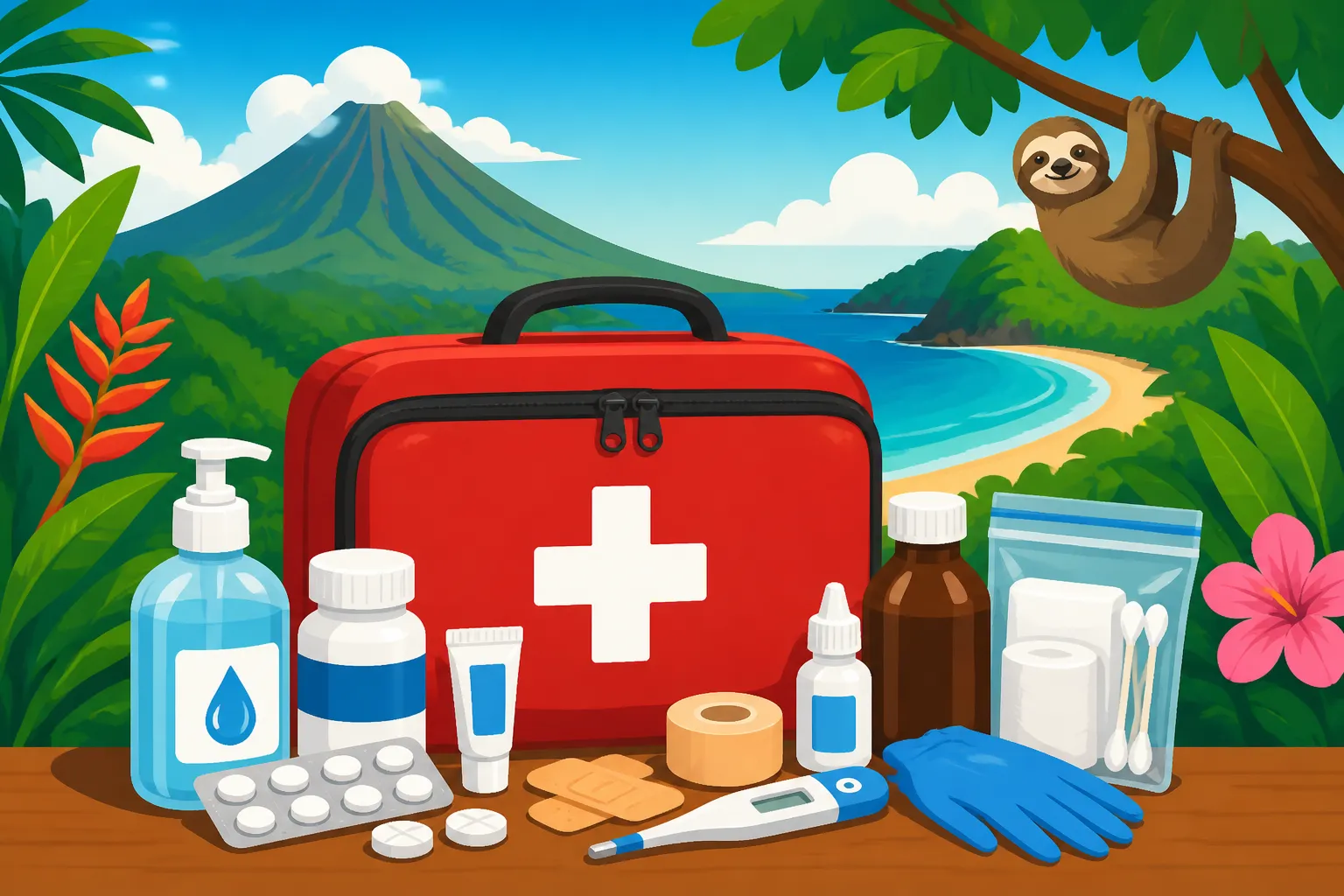
- Antiseptic wipes or solution (e.g., Betadine, rubbing alcohol, hydrogen peroxide): To clean wounds thoroughly. While peroxide is good for initial cleaning, Betadine is often preferred for ongoing wound care as it’s less irritating.
- Antibiotic ointment (e.g., Neosporin/Polysporin or Bacitracin): To prevent infection in cuts, scrapes, and minor burns.
- Assorted bandages (various sizes, including waterproof): You’ll want everything from small adhesive strips for finger cuts to larger pads for scrapes. Waterproof ones are great for beach days!
- Sterile gauze pads and adhesive tape: For covering larger wounds or holding dressings in place.
- Liquid bandage: For small cuts, especially on knuckles or joints, this can offer flexible, durable protection.
- Moleskin or blister pads: Hiking or just walking around more can lead to blisters. These are crucial for comfort.
Keeping wounds clean and covered is paramount here. Don't underestimate how quickly a small cut can get irritated if you're not diligent. If you face a more serious injury, remember to know What Is the Emergency Phone Number in Costa Rica?
Tools for Minor Injuries and Splinters
Beyond the immediate wound care, some small tools can be incredibly helpful for everyday mishaps.
- Tweezers: For splinters, ticks, or removing thorns from plants.
- Small sharp scissors: For cutting tape, gauze, or clothing in an emergency.
- Safety pins: Useful for securing bandages or slings.
- Thermometer: Crucial for monitoring fevers, especially with children. Digital thermometers are easy to use.
- Cotton swabs and balls: For applying ointments or cleaning small areas.
- Hand sanitizer: Always good to have for quick hand cleaning before treating a wound or after touching surfaces.
Having these tools readily available means you won't be rummaging through kitchen drawers when you’re dealing with a wailing child or a painful splinter. These are the small things that truly contribute to a comprehensive kit.
| Item Category | Specific Items to Pack | Why it's important in Costa Rica |
|---|---|---|
| Pain & Fever | Acetaminophen, Ibuprofen, Aspirin (adults) | Immediate relief for headaches, muscle aches, fevers. |
| Digestive Health | Anti-diarrhea meds, Antacids, Pepto-Bismol, ORS | Common 'Tico Tummy', rehydration is crucial in the heat. |
| Allergy & Skin | Antihistamines, Hydrocortisone, Calamine, Aloe gel, Anti-itch stick | Abundance of insects, new plants, and strong sun. |
| Wound Care | Antiseptic wipes, Antibiotic ointment, Bandages (various), Gauze, Tape, Liquid bandage | Cuts and scrapes can easily get infected in humid climates. |
| Tools & Misc. | Tweezers, Scissors, Thermometer, Hand sanitizer, Cotton swabs | Practical for splinters, measuring fever, general hygiene. |
| Tropical Specifics | Strong insect repellent, High SPF sunscreen, Water filter bottle | Essential protection against sun, bugs, and ensuring safe drinking water in some areas. |
| Prescription Support | All personal Rx meds (with doctor's note) | Ensure continuity of vital medications. |
Specialized Items for the Costa Rican Environment
Beyond the general medical kit, Costa Rica's specific climate and environment necessitate a few extra considerations. These aren't just good to have; they're pretty much essential for comfortable and safe living.
Sun Protection and Insect Repellents
The sun in Costa Rica is no joke, and neither are the bugs. You can easily underestimate both if you're not prepared.
- High SPF Sunscreen (SPF 50+): Don’t skimp here. The equatorial sun is intense, even on cloudy days. Bring reef-safe options if you plan to spend time in the ocean, as some popular brands are harmful to marine life.
- After-sun lotion/Aloe Vera: For those inevitable days when you do get too much sun.
- Strong Insect Repellent (with DEET or Picaridin): While there are local options, bringing your preferred brand and strength is wise. Mosquitoes carry diseases like Dengue, Zika, and Chikungunya, so protection is vital. Don’t forget the no-see-ums!
You might think you can just buy these here, and you can, but the selection might be limited or more expensive. Plus, your skin might react differently to local formulations. It's truly better to be safe than sorry with sun and bug protection in the tropics. Getting a good international travel insurance like SafetyWing for your initial months, or even just for a visit, can also cover you for unexpected urgent care if a bug bite gets infected. They are designed for digital nomads and expats, offering flexible and affordable coverage.
Prescription Meds and Doctor's Notes
This is crucial for anyone with ongoing health conditions. Don't leave this to chance.
- All your regular prescription medications: Bring at least a 30-day supply, ideally more, to give yourself a buffer. Keep them in their original prescription bottles with clear labels.
- A copy of your prescriptions: Have both digital and physical copies. This includes the generic names of your medications.
- A letter from your doctor: This letter should explain your medical conditions and list all your prescribed medications, including dosages. This is vital for customs and if you need to refill or seek medical care here.
- Glasses/Contact lenses and prescription: Bring an extra pair of glasses or enough contacts to last you for a good while, along with a copy of your prescription. Getting new ones might take time.
Refilling prescriptions in Costa Rica can sometimes be a hassle, requiring a local doctor’s prescription for certain medications, even if they are over-the-counter in your home country. Read up on Are Prescription Medications Expensive in Costa Rica? and The Expat Guide to Joining the Caja (CCSS) in Costa Rica (2027) as you'll want to get squared away with the local health system quickly for long-term prescription needs. For short-term visits or before your residency and Caja affiliation is fully processed, it's particularly important to be self-sufficient. This also ties into being prepared for How to Handle a Medical Emergency Abroad with Costa Rican Coverage.
Understanding Water Purification and Hygiene
While tap water is generally safe to drink in most urban areas of Costa Rica, especially in the Central Valley, it's not always the case everywhere, particularly in rural or coastal areas, or if you have a sensitive stomach.
- Personal water filter bottle or purification tablets: If you plan on hiking in remote areas or staying in places where tap water quality is uncertain, a personal filter bottle (like a Lifestraw or Sawyer filter) or purification tablets are excellent for ensuring safe drinking water.
- Electrolyte drink mixes: Beyond the ORS, general electrolyte mixes can help prevent dehydration from heat or activity, even without illness.
- Moisturizing hand cream: Frequent hand washing or sanitizing, combined with the climate, can dry out your hands.
- Lip balm with SPF: Again, sun protection is key for lips too.
Being mindful of what you're consuming and maintaining good personal hygiene, especially around food and water, will go a long way in preventing many common expat illnesses. And while most major hospitals like CIMA, Clinica Biblica, and Hospital Metropolitano will accept international insurance, having personal preparedness is your first line of defense. Even for minor illnesses, an urgent care visit can be pricey if you haven't sorted out your insurance yet, so being prepared can save you the cost of How Much Does an Emergency Room Visit Cost in Costa Rica for something you could have treated at home. In those early days, or even if you're just visiting, supplemental travel medical insurance like SafetyWing can provide critical coverage for more serious, unexpected medical issues.
Disclaimer
The information provided in this guide is for general informational purposes only and does not constitute medical advice. Always consult with a qualified healthcare professional for any health concerns or before making any decisions related to your health or treatment. The availability and regulations regarding medications and healthcare services in Costa Rica are subject to change.