Where Can I Get an Annual Physical in San Jose?
Moving to a new country like Costa Rica, you're often swept up in the excitement of a fresh start, navigating everything from residency paperwork to finding your favorite soda. But amidst all the adventure, it's easy to let crucial health matters, like that annual physical you always got back home, fall by the wayside. Finding where and how to get a comprehensive health check-up in San Jose can feel like a labyrinth, especially when you're still figuring out the local healthcare landscape. This guide is here to untangle that process, helping you understand your options and confidently schedule your yearly wellness visit in the bustling capital.
Understanding the Need for an Annual Physical in Costa Rica
It’s a common story among expats: we arrive, we settle in, and then suddenly a year or two has passed, and we realize we haven't seen a doctor for anything other than a minor sniffle or an urgent bug bite. The idea of an "annual physical" might not be as universally understood or structured in Costa Rica as it is in some Western countries, which can lead to confusion and, frankly, a bit of neglect when it comes to preventative care. But taking charge of your health here is just as important, if not more so, given the new environment and potential health considerations.
Why Expats Might Overlook Routine Check-ups
There are several reasons why routine check-ups often get pushed to the bottom of the to-do list for foreigners in Costa Rica. Firstly, the sheer administrative hurdle of understanding a new healthcare system can be overwhelming. You're trying to figure out the public system, known as the Caja Costarricense de Seguro Social (CCSS), also called the "Caja", or debating whether to go private. Then there's the language barrier; explaining nuanced symptoms or asking specific questions about preventative screenings in Spanish can be intimidating, especially if your medical vocabulary isn't up to par. It's a lot to navigate, and honestly, sometimes it just feels easier to put it off.
Another factor is the differing medical culture. In some countries, an annual physical is a deeply ingrained part of preventative healthcare, often covered comprehensively by insurance. Here, while preventative care is valued, the concept of a standardized, all-encompassing "annual physical" package might be approached differently, particularly within the public system. This isn't to say it's not available, but rather that you might need to be more proactive in requesting specific tests or understanding what is included. Don't let these initial hurdles deter you; your health is worth the effort, and with a little guidance, it's entirely manageable.
The Local Healthcare Mindset on Preventative Care
Costa Rica’s healthcare system is renowned for its accessibility and quality, especially the Caja. However, its preventative focus often manifests differently. For instance, children receive regular vaccinations and check-ups, and there are strong public health campaigns for communicable diseases. For adults, especially younger ones, the emphasis in the public system tends to be more on treating illness or addressing specific complaints rather than a broad, yearly wellness sweep unless you fall into a high-risk category or have an existing condition that requires monitoring.
Private healthcare, on the other hand, is much more aligned with the Western concept of proactive annual physicals. Private clinics and hospitals in San Jose often offer comprehensive packages designed specifically for general wellness, recognizing the demand from both Costa Ricans and expats who prioritize preventative health. These packages bundle various tests and consultations, making it straightforward to get a thorough check. This distinction is crucial for expats, as it guides where you should realistically look if you’re seeking a familiar, extensive annual physical.
Options for Getting an Annual Physical in San Jose
When it comes to getting an annual physical in San Jose, you essentially have two main avenues: the private healthcare sector or the public system. Each has its pros and cons, and understanding these will help you make the best choice for your needs and budget. As an expat, you’ll find that the private route generally offers a more streamlined and comprehensive experience for this particular type of visit, but the public system is still a vital resource for your overall healthcare needs. If you're pondering the broader question of Public vs Private Healthcare in Costa Rica: Which Should Expats Choose?, this decision is a great example of where that choice really comes into play.
Private Hospitals and Clinics: The Go-To for Expats
For most expats seeking a standard annual physical, private hospitals and clinics in San Jose are the most common and often preferred option. These facilities are generally well-equipped, offer shorter wait times, and many have English-speaking staff and doctors, which significantly eases the process. You'll find a range of options, from large, full-service hospitals to smaller, specialized clinics.
Key Private Institutions in San Jose:
- Hospital CIMA San José: Located in Escazú, CIMA is known for its modern facilities and high standards. They offer various health packages, including executive check-ups designed for comprehensive annual physicals. You can expect a comfortable environment and excellent service, albeit at a higher cost. It's a popular choice among the expat community for good reason.
- Clínica Bíblica Hospital: Situated right in the heart of San Jose, Clínica Bíblica is one of the oldest and most respected private hospitals. They also provide comprehensive health check-up programs. Their location makes them convenient for many, and they have a long history of serving both local and international patients with a wide array of services.
- Hospital Metropolitano: With multiple locations, including one in the central area of San Jose, Hospital Metropolitano offers competitive pricing for many services, including general check-ups. They are another strong contender, providing quality care that balances cost and convenience.
These private institutions often have dedicated "wellness" or "preventative care" departments that specifically cater to annual physicals. They typically offer structured packages that include a general practitioner consultation, blood tests, urine analysis, and sometimes specialized screenings like EKGs, chest X-rays, or consultations with other specialists depending on the tier of the package. It’s worth calling ahead or checking their websites for current package details and pricing, as these can change. Many of my expat friends, especially those with international insurance like SafetyWing, find these private hospitals to be incredibly efficient and user-friendly for their annual health needs.
Public Healthcare System (Caja): A Different Path
While you are certainly entitled to healthcare through the Caja if you are a resident and paying into the system, obtaining a traditional "annual physical" as a single, comprehensive appointment can be a different experience. The Caja operates on a referral system, starting with your local EBAIS (Equipo Básico de Atención Integral en Salud) clinic. Your EBAIS is your first point of contact for almost all public healthcare needs, and Understanding the Role of the EBAIS Local Health Clinic in Costa Rica is foundational to navigating the system.
If you go to your EBAIS and simply ask for "an annual physical," you might find that the concept isn't directly translated into a single, scheduled service. Instead, a general practitioner (GP) at your EBAIS might address specific concerns you have, order particular tests based on your age or reported symptoms, and then refer you to specialists if deemed necessary. You'll likely get your blood pressure checked, and they might do some basic blood work. However, assembling a full suite of tests that you'd expect in a private annual physical might require multiple visits, different appointments, and a fair amount of advocacy on your part. Wait times for non-urgent appointments and specialist referrals can also be significantly longer in the public system.
For instance, if you need a specific blood test like cholesterol or a general metabolic panel, your EBAIS doctor can order it. But if you also want a mammogram, a dermatologist check, and a gynecological exam all within the scope of one annual visit, these would likely be separate referrals, potentially to different facilities, and could take months to schedule. So, while the Caja is excellent for acute care and managing chronic conditions, for a convenient, one-stop annual physical, it requires a different approach and a lot more patience.
Telemedicine and Other Emerging Options
Beyond the traditional hospital and clinic settings, telemedicine has emerged as a convenient option, particularly since the pandemic. While it's unlikely you'll get a full physical exam virtually, telemedicine can be an excellent first step for a consultation, especially for things like medication refills, general health questions, or initial screenings. Some private clinics in San Jose offer virtual consultations, which can be a good way to discuss your health history and determine what tests might be appropriate before you even step foot in a clinic.
Additionally, some smaller private general practitioner clinics (often called consultorios) or independent doctors scattered throughout San Jose might offer more personalized care and could arrange a comprehensive check-up. These can sometimes be more affordable than the large hospitals while still providing a private, efficient experience. You might discover these through word-of-mouth in expat communities or by searching local directories. They are often more flexible and can sometimes tailor a check-up to your specific concerns rather than following a rigid package.
What to Expect During Your Physical and Costs Involved
Okay, so you've decided on your path – likely a private hospital or clinic in San Jose. Now, what's actually going to happen during this annual physical, and perhaps more importantly for many of us, what's it going to cost? Understanding these aspects upfront will help you prepare mentally and financially, minimizing any surprises. This is a crucial piece of the puzzle in The Cost of Healthcare in Costa Rica: A Complete Breakdown for Foreigners (2026).
Common Tests and Procedures in a Costa Rican Physical
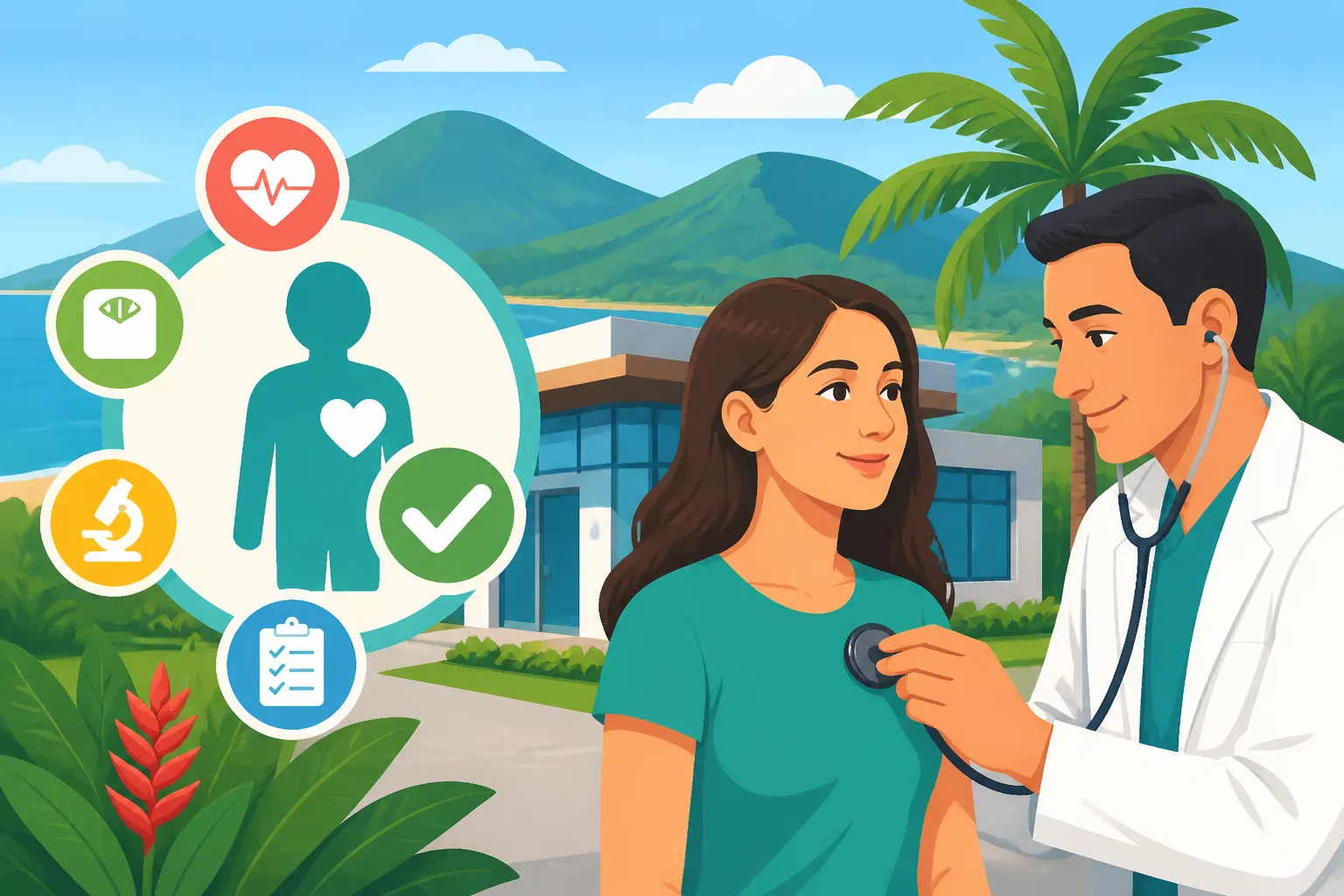
A typical comprehensive annual physical in a private San Jose facility will generally include several standard components. While exact offerings can vary by clinic and package, here's what you can usually expect:
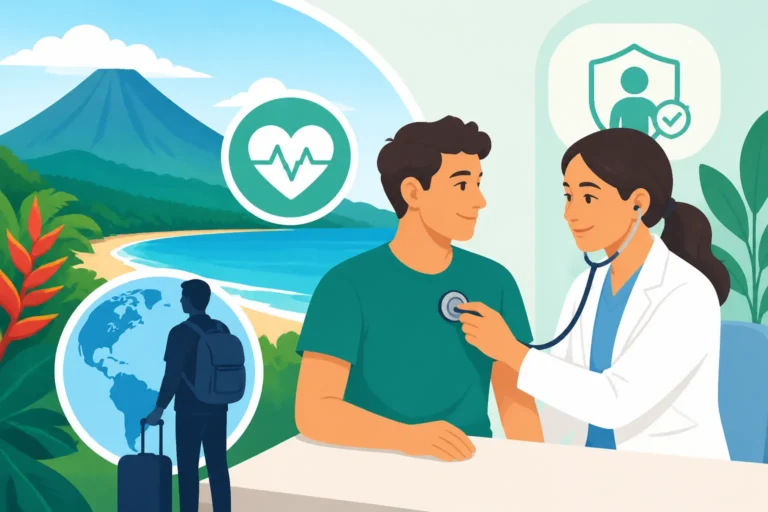
- General Practitioner Consultation: This is your primary doctor's visit. The doctor will review your medical history, ask about your lifestyle, diet, exercise habits, and any current health concerns. They'll also perform a basic physical examination, checking your eyes, ears, nose, throat, and listening to your heart and lungs.
- Vital Signs Check: Routine measurements will be taken, including blood pressure, pulse, temperature, weight, and height. These are fundamental indicators of your overall health.
- Blood Tests (Exámenes de Sangre): This is a big one. You’ll typically have a blood draw for a complete blood count (CBC), cholesterol levels (total, HDL, LDL, triglycerides), blood sugar (glucose), and kidney and liver function tests. Depending on your age and risk factors, they might also include thyroid function or other specific markers.
- Urine Analysis (Examen de Orina): A sample will be collected to check for signs of infection, kidney issues, or other underlying health problems.
- Electrocardiogram (EKG/ECG): Often included, especially for individuals over a certain age or with cardiovascular risk factors, to assess heart rhythm and electrical activity.
- Additional Screenings (Age/Gender Dependent):
- For Women: Pap smear and gynecological exam are very common. Mammograms are usually recommended for women over 40 or with family history.
- For Men: Prostate-specific antigen (PSA) test for prostate cancer screening might be included for men over 50, or earlier if there's a family history.
It's important to remember that this is a general overview. If you have specific concerns or a particular medical history, be proactive and discuss these with your doctor. They might recommend additional, more specialized tests or referrals. For instance, if you're managing a chronic condition, they might suggest different blood panels or imaging.
Breaking Down the Costs: What Your Plata Will Buy You
The cost of an annual physical in San Jose's private sector can vary significantly depending on the clinic, the doctor, and the comprehensiveness of the package you choose. Generally, you're looking at a range for a basic physical that includes a doctor's consultation and standard blood/urine tests.
Estimated Cost Range for a Private Annual Physical in San Jose (2026):
| Service Component | Estimated Cost (USD) | Notes |
|---|---|---|
| Basic Doctor Consultation | $50 – $100 | Without tests; just a general check-up. |
| Comprehensive Blood Panel | $100 – $300 | Includes CBC, cholesterol, glucose, liver/kidney function. Varies by lab. |
| Urine Analysis | $20 – $40 | Standard urinalysis. |
| EKG | $40 – $80 | Electrocardiogram. |
| Total for Basic Package | $200 – $500 | Doctor consultation + standard blood/urine + EKG. |
| Add-on: Pap Smear | $50 – $100 | Includes gynecological exam. |
| Add-on: Mammogram | $80 – $150 | May require separate scheduling. |
| Add-on: PSA Test | $30 – $60 | For prostate screening. |
| Executive/Advanced Package | $500 – $1000+ | May include specialist consults, advanced imaging, extensive lab work. |
Note: These are estimates for 2026 and can fluctuate. Always confirm current pricing directly with the clinic or hospital.
It might seem like a decent chunk of change, especially compared to co-pays back home, but remember you're often paying out-of-pocket upfront here. However, compared to what many of these tests and consultations would cost in some North American or European countries, the prices in Costa Rica are quite competitive for the quality of care received. For a deeper dive into specific charges, you can look into Understanding Co-Payments and Private Consultation Fees in Costa Rica.
Insurance Coverage: Private, INS, and International
How your annual physical is covered depends entirely on your insurance situation in Costa Rica.
- Caja (CCSS): If you are a resident paying into the Caja, your general practitioner visit at the EBAIS, and any medically necessary tests or referrals they order, would be covered. However, as discussed, getting a comprehensive annual physical in the same way a private clinic offers might be challenging to coordinate and might involve longer wait times.
- INS (Instituto Nacional de Seguros): Costa Rica's national insurance company, INS, offers various local private health insurance plans. Many of these plans will cover a percentage of preventative care, including annual physicals, once you meet your deductible. You would typically pay upfront and then submit a claim for reimbursement. It's essential to check the specifics of your INS policy regarding preventative care coverage, as plans can differ. You can find more details on these options by checking out Understanding INS Health Insurance Plans in Costa Rica.
- International Health Insurance: If you have international health insurance, like those offered by SafetyWing or similar providers, your annual physical might be covered, either in full or in part. Many international plans include a "wellness" or "preventative care" benefit that specifically covers routine check-ups. You'll likely pay the clinic directly and then submit your claim for reimbursement. Always verify with your insurance provider before your appointment to understand what's covered, any deductibles, co-insurance, or pre-authorization requirements. This clarity prevents any nasty financial surprises.
Choosing the Right Provider and Preparing for Your Appointment
Selecting the right doctor and clinic for your annual physical in San Jose is key to a positive experience. It’s not just about cost; it’s about comfort, communication, and confidence in the care you receive. As an expat, you might face unique challenges, so being prepared can make all the difference. Knowing How to Find an English-Speaking Doctor in Costa Rica can really make this process smoother.
Finding an English-Speaking Doctor
The good news is that in San Jose, especially within the private hospital systems like CIMA, Clínica Bíblica, and Hospital Metropolitano, you'll find a good number of doctors who are fluent in English. Many of them have studied abroad or frequently treat international patients.
Here are some tips for finding one:
- Hospital Websites and Directories: The major private hospitals often list their doctors and may indicate language proficiencies. You can usually search their online directories.
- Expat Forums and Social Media Groups: These are invaluable resources. Ask for recommendations in local expat Facebook groups or online forums for doctors who are highly regarded by other foreigners. Personal referrals often lead to the best experiences.
- Embassy/Consulate Lists: Your home country's embassy or consulate in San Jose might maintain a list of English-speaking doctors.
- Referral Services: Some concierge medical services or expat assistance companies can help you find and schedule appointments with English-speaking doctors.
When you call to schedule your appointment, always make it clear that you prefer an English-speaking doctor. Most receptionists in these facilities will be able to accommodate your request. It's one less thing to worry about when you're already in a foreign medical environment.
Key Questions to Ask and Documents to Bring
Preparation is your best friend when navigating healthcare in a new country. Don't be shy about asking questions when you call to book your physical or during the consultation itself.
Questions to ask before your appointment:
- "What is included in the annual physical package?" (Or "What tests are usually done for a general check-up?")
- "What is the total cost, and are there any additional fees I should be aware of?"
- "Do you have English-speaking doctors available for this type of appointment?"
- "How long will the appointment take?"
- "Do I need to fast for any of the blood tests?" (Usually yes, for 8-12 hours before cholesterol and glucose tests).
Documents to bring with you:
- Passport or DIMEX (Residency Card): Always have official identification.
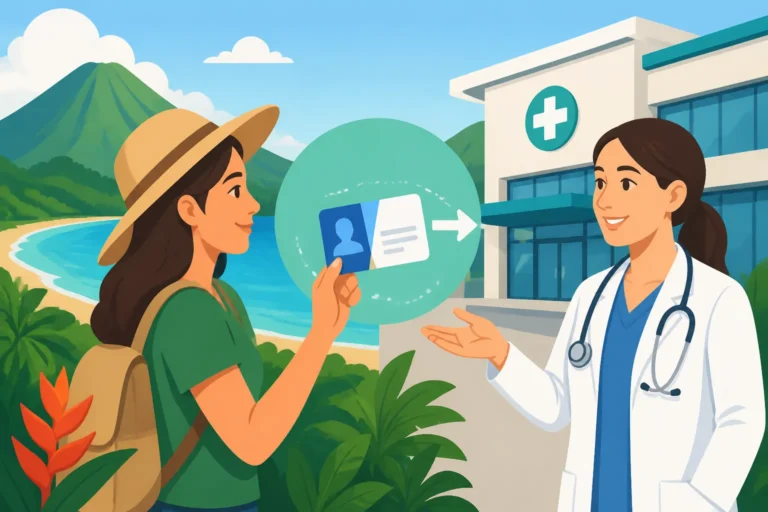
- Insurance Card/Details: Whether it's INS, SafetyWing, or another international provider, have your policy number and contact information readily available.
- Medical History: Bring a summary of your past medical history, including any chronic conditions, surgeries, allergies, and a list of current medications (with dosages). If you have past lab results that are relevant, bring those too.
- List of Questions/Concerns: Jot down any specific health concerns or questions you have for the doctor. This ensures you don't forget anything important during the consultation.
Having your medical history organized, even if it’s just bullet points on your phone, can save a lot of time and help the doctor get a comprehensive picture of your health quickly. This is especially true if this is your first visit with a new doctor here. It can also be very helpful when discussing How to Access Your Medical Records in Costa Rica if you're transferring from a previous doctor, either here or abroad.
Navigating Communication and Follow-ups
Even with an English-speaking doctor, sometimes medical terminology can be complex, or cultural nuances in communication might arise. Don't hesitate to ask for clarification if something isn't clear. It’s your health, and you have every right to understand your diagnosis, treatment plan, and test results fully.
- Clarify Instructions: Make sure you understand any instructions for follow-up tests, referrals, or medication.
- Results: Ask when and how you will receive your test results. Some clinics might offer an online portal, while others may require you to come back for a follow-up consultation to discuss results in person.
- Advocacy: If you feel a specific test or specialist referral is necessary, don't be afraid to advocate for yourself. While doctors here are highly competent, they may operate with different protocols or preferences than you're used to.
Getting an annual physical in San Jose is absolutely doable and a crucial part of maintaining your well-being as an expat. With a clear understanding of your options, a little preparation, and a willingness to navigate the system, you can ensure you stay on top of your health, enjoying all that Pura Vida has to offer for years to come.
Disclaimer
This article is for general informational purposes only and does not constitute professional advice. Laws, prices and regulations vary by location and change over time. Consult a qualified professional for guidance on your specific situation.