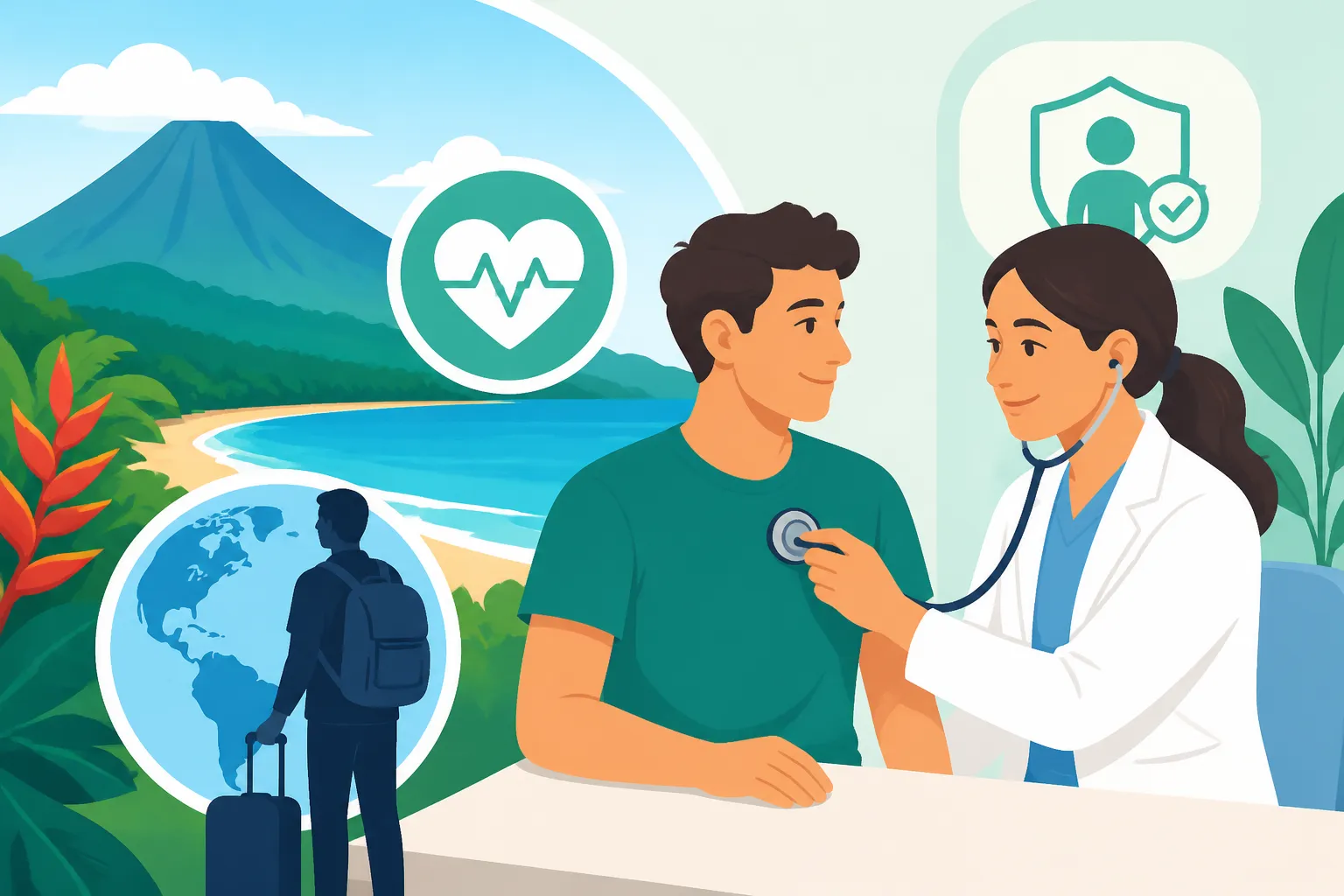
Can I Get a Health Screening as a Foreigner in Costa Rica?
Okay, so you've made the leap, you're living the pura vida in Costa Rica, and you're loving it. But at some point, that little voice in your head pipes up, asking about routine health stuff. Specifically, "Can I actually get a comprehensive health screening here as a foreigner?" It's a valid concern, and the short answer is a resounding yes, but navigating the system can feel like deciphering a secret code. This guide is going to walk you through exactly how foreigners, whether you're a tourist, temporary resident, or firmly rooted expat, can access crucial health screenings in Costa Rica, detailing both the private and public routes, and what you can expect along the way.
Absolutely! Accessing Health Screenings in Costa Rica as a Foreigner
Moving to a new country is exhilarating, but it also brings a whole new set of considerations, especially when it comes to your health. Many expats arrive with questions about how to maintain their well-being, beyond just handling emergencies. Routine health screenings, often called "check-ups" or "physical exams" back home, are a fundamental part of preventive care, and thankfully, Costa Rica has robust options for foreigners to access them. The notion that you might struggle to get a thorough health assessment here is a common misconception, usually stemming from unfamiliarity with the local healthcare landscape.
For many years now, I've seen countless friends and fellow expats successfully get their annual physicals, specialized screenings, and general wellness checks right here in Costa Rica. It might not always be the exact same process you're used to, but the quality of care, particularly in the private sector, is often on par with, if not exceeding, what you'd find in North America or Europe, and frequently at a fraction of the cost. The key is knowing where to look and what questions to ask, which is exactly what we're going to dive into. Don't let the administrative differences deter you from prioritizing your health; it's entirely achievable here.
Understanding the "Why" Behind Health Screenings Here
When you're caught up in the daily rhythm of life in Costa Rica – the vibrant markets, the stunning beaches, the mountain views – it’s easy to let regular check-ups slip your mind. However, these preventive health screenings are incredibly important, perhaps even more so when you're living in a different environment. Your body might react differently to new foods, new climate challenges, or even the different levels of activity you might be enjoying. Identifying potential health issues early, before they become serious problems, is always the smartest approach, regardless of where you live.
Beyond just general wellness, living in a tropical country like Costa Rica also introduces specific health considerations. Things like dengue fever, zika virus, or even just persistent parasitic infections can sometimes present with subtle symptoms that a routine screening might catch. Furthermore, lifestyle changes often accompany an expat move: maybe you’re eating out more, being more (or less) active, or perhaps feeling the stress of cultural adjustment. A good health screening can assess how these factors are impacting your cardiovascular health, metabolic markers, or even your mental well-being, helping you adjust your habits for long-term health. It’s about being proactive and giving yourself the peace of mind that comes from knowing where you stand.
Your Options for Getting Screened: Public vs. Private
When it comes to accessing healthcare, including health screenings, foreigners in Costa Rica generally have two primary pathways: the public healthcare system, known as the Caja Costarricense de Seguro Social (CCSS) or simply "the Caja," and the private healthcare system. Each has its own distinct advantages and disadvantages, especially when it comes to routine, non-emergency care like screenings. Your choice will largely depend on your residency status, your budget, and your personal preferences for speed and convenience.
For tourists or those without official residency, the private system is almost always the go-to option for planned health screenings. It offers immediate access, English-speaking staff, and a level of comfort many expatriates are accustomed to. If you're a legal resident, however, you're mandated to contribute to the Caja, which then opens up access to its services, including screenings, for little to no direct cost at the point of service. Understanding how each system operates and what to expect from each is crucial for making an informed decision about your health. We'll delve into the specifics of both, so you can confidently plan your next check-up.
Navigating the Private Healthcare Route for Screenings
For most foreigners, particularly those without legal residency or who prioritize speed and convenience, the private healthcare system is undoubtedly the easiest and most straightforward path to getting a health screening in Costa Rica. This system functions much like private healthcare in many Western countries, often providing quicker appointments, more personalized care, and a greater chance of finding English-speaking medical professionals. It's where many expats first dip their toes into Costa Rican healthcare, and for good reason.
The private sector boasts state-of-the-art facilities, highly trained doctors, and an efficient process that can alleviate a lot of the stress associated with getting medical attention in a foreign land. While it requires out-of-pocket payment or private insurance coverage, the costs are generally far more affordable than comparable services in North America. This blend of quality, accessibility, and relative affordability makes private clinics and hospitals a very attractive option for a comprehensive health screening.
Choosing a Clinic or Hospital for Your Check-up
The first step in getting a private health screening is deciding where to go. Costa Rica, especially in the Greater Metropolitan Area (GAM), has several excellent private hospitals and clinics renowned for their quality of care. The big names you'll hear most often are Clínica Bíblica, Hospital CIMA San José, and Hospital Metropolitano. These institutions are well-equipped, have modern diagnostic technology, and cater extensively to the international community.
For instance, How to Use Private Hospitals Like CIMA, Clinica Biblica and Hospital Metropolitano provides excellent details on their offerings. Clínica Bíblica, located right in the heart of San José, is one of the oldest and most respected private hospitals, offering a vast array of specialist services and comprehensive check-up packages. Hospital CIMA, situated in Escazú, is known for its luxurious facilities and often attracts patients seeking a more Western-style hospital experience. Hospital Metropolitano, with several locations, offers a more accessible and often slightly more budget-friendly option while maintaining high standards. Beyond these major hospitals, there are numerous smaller private clinics in expat-dense areas like Escazú, Santa Ana, or even coastal towns, where you can find general practitioners who offer routine physicals and can order basic lab work. Many of these clinics pride themselves on having English-speaking staff to ease communication.
The Process: From Appointment to Results
Once you've chosen your preferred clinic or hospital, arranging a health screening is quite simple. You can typically call or use their online portal to schedule an appointment. Many private clinics will have specific "executive check-up" or "wellness package" options that group together common screenings, making the process very streamlined. When you call, it's wise to specifically ask for an English-speaking doctor if your Spanish isn't up to medical nuances, and confirm what the package includes.
On the day of your appointment, you'll generally start with a physical examination by a general practitioner. This usually involves checking your vital signs, listening to your heart and lungs, and a general assessment. They’ll take your medical history, so be prepared with any relevant past diagnoses, medications you’re taking, and family medical history. Following the physical, the doctor will likely order a series of tests. Common screenings include comprehensive blood panels (to check cholesterol, blood sugar, kidney and liver function), urinalysis, and sometimes an electrocardiogram (ECG) to assess heart health. For women, this often includes a mammogram and Pap test, and for men, a PSA test may be recommended depending on age. You might be directed to an in-house lab or a partnered diagnostic center for these tests. Results are usually available within a few days to a week, after which you'll have a follow-up consultation with your doctor to discuss the findings and any recommended next steps. It's a very organized process, designed to provide a thorough overview of your health.
Costs and Payment Options for Private Screenings
Let’s talk money, because that’s often a big factor. The cost of a private health screening in Costa Rica can vary significantly based on the specific clinic or hospital, the doctor's specialty, and the comprehensiveness of the tests included. A basic general physical with standard blood work might range from $150 to $300. More extensive executive check-up packages, which can include specialist consultations, advanced imaging, or a wider range of lab tests, could easily run from $500 to $1,500, or even more for truly exhaustive evaluations. While these figures might seem substantial, they are often a fraction of what you'd pay for similar services in many other countries.
Most private clinics and hospitals accept direct payment via credit card or cash (USD or Colones). If you have international health insurance, you'll need to check your policy carefully. Many international plans, like those offered by SafetyWing, are designed to cover routine check-ups and preventative care in private facilities globally. It's absolutely crucial to contact your insurance provider before your appointment to confirm coverage, understand their direct billing policies (if any), and inquire about any deductibles or co-payments you might be responsible for. Sometimes you’ll pay upfront and then submit a claim for reimbursement, which means keeping all your receipts and medical reports in order. Understanding how your insurance works can save you a lot of headache and unexpected expenses.
Utilizing the Public Healthcare System (Caja) for Screenings
For foreigners who have successfully obtained legal residency in Costa Rica, accessing health screenings through the public healthcare system, known as the Caja Costarricense de Seguro Social (CCSS), becomes an option. The Caja is a universal healthcare system, meaning it aims to provide comprehensive medical care to all its contributors and their dependents. While it might not offer the same level of immediate access or luxurious amenities as the private sector, it is a remarkably robust system that covers a vast range of services, including preventive screenings, once you are fully enrolled.
The biggest draw of the Caja is its affordability. Once you are enrolled and making your monthly contributions (which are mandatory for most residents), the majority of your medical care, including health screenings, primary care visits, specialist referrals, and even major surgeries, comes at little to no additional cost. However, navigating the Caja system requires patience and an understanding of its unique procedures, which can be quite different from private care.
Eligibility and Enrollment for Caja Coverage
To be eligible for Caja coverage, you must be a legal resident of Costa Rica. This includes those on various residency categories like Pensionado, Rentista, Inversionista, or those with family ties. The process of enrolling in the Caja is typically one of the final steps in securing your residency, and it involves presenting your official residency document (DIMEX card) and other required paperwork to the local Caja office or a designated enrollment center. You can learn more about this process in our guide, How to Enroll in the Caja (CCSS) as a Foreigner in Costa Rica.
Your monthly contributions to the Caja are calculated based on your declared income, and once these payments begin, you gain access to the system. It’s important to understand that while your contributions start immediately, there can sometimes be a waiting period before full services are available, especially if there are any administrative backlogs. However, once you're officially registered and your EBAIS (local clinic) has you in their system, you're generally good to go for everything from routine check-ups to emergency care. The Caja requirement for residency is a key aspect of living here legally, so ensuring you’re properly enrolled is paramount.
The Screening Process within the Caja System
Getting a health screening through the Caja system typically starts at your local Equipo Básico de Atención Integral en Salud (EBAIS) clinic. The EBAIS is your primary point of contact for all non-emergency medical care within the public system. You'll need to register with your nearest EBAIS, which is usually determined by your residential address. For more on this, check out How to Find and Register with an EBAIS Clinic in Costa Rica.
To schedule a routine check-up or screening, you'll typically call or visit your EBAIS to request an appointment with a Médico General (general practitioner). Be prepared for potentially longer wait times for appointments compared to the private sector, especially for non-urgent screenings. During your EBAIS visit, the doctor will conduct a basic physical exam and may order standard blood tests, urinalysis, or other basic screenings based on your age, gender, and medical history. If a more specialized screening is deemed necessary (like a mammogram, colonoscopy, or consultation with a cardiologist), the EBAIS doctor will provide a referral to a regional hospital or specialist clinic. This referral process can sometimes involve additional wait times, which is one of the more common frustrations expats experience with the public system.
What's Covered and What to Expect
The Caja system is incredibly comprehensive in what it covers once you are enrolled. Routine health screenings, including annual physicals, basic lab work (blood count, cholesterol, glucose, kidney/liver function), women's health screenings (Pap tests), and some men's health screenings are generally included. If a condition is detected during your screening that requires further investigation or treatment, the Caja will cover those costs as well, including specialist visits, diagnostic imaging (like X-rays or ultrasounds), medications dispensed from Caja pharmacies, and even surgeries.
However, you need to manage your expectations. While the care is often high quality, the process can be slow. Appointments might be weeks or months out, and referrals to specialists can take even longer. Facilities can also vary significantly from one EBAIS to another, though the central hospitals are generally modern. Communication might also be more challenging if your Spanish isn't strong, as English-speaking staff are not guaranteed in the public system, especially outside of major cities. Despite these potential hurdles, the Caja provides essential healthcare access for many residents, ensuring that even routine preventive care is within reach without incurring significant out-of-pocket expenses. It's a valuable safety net once you understand how to use it effectively.
Essential Considerations for Your Health Screening in Costa Rica
Whether you choose the rapid convenience of private care or the comprehensive coverage of the public system, there are a few universal considerations that will help you have a smoother and more effective health screening experience in Costa Rica. Understanding these practical aspects can alleviate much of the anxiety that often accompanies navigating medical care in a new country. It’s not just about finding a doctor; it’s about preparing yourself for the entire process.
From communication strategies to knowing what documents to bring, being proactive in these areas will ensure you get the most out of your health screening. Remember, pura vida extends to your health, and being prepared means you can focus on the important medical advice rather than getting bogged down in logistical challenges.
Language Barriers and Communication
One of the most common anxieties for foreigners seeking medical care in Costa Rica is the language barrier. While many doctors in the private sector, especially in tourist and expat-heavy areas, speak excellent English, this is not a universal guarantee, particularly outside of the GAM or within the public Caja system. It's always best to inquire about English-speaking staff when booking your appointment. If they can't guarantee an English-speaking doctor, consider bringing a trusted friend or a professional medical translator with you.
Even if your Spanish is good for daily conversations, medical terminology can be complex. Having someone who can accurately convey your symptoms and understand the doctor’s instructions is critical for your health and peace of mind. Apps like Google Translate can be helpful for simple words, but they are no substitute for clear, direct communication in a medical setting. Don't be afraid to ask for clarification, or for the doctor to write down instructions if you're unsure. Open and accurate communication is key to effective diagnosis and treatment.
What to Bring and How to Prepare
Preparation is paramount for a productive health screening. Regardless of whether you’re going private or public, always bring your identification: your passport if you’re a tourist, or your DIMEX residency card if you’re a resident. If you have any medical insurance, bring your policy information and card. This is especially true for international plans like SafetyWing. You’ll also want to have a comprehensive list of your current medications (prescription and over-the-counter), including dosages. It’s a good idea to bring a brief summary of your medical history, including any chronic conditions, past surgeries, allergies, and family medical history.
On the practical side, if blood work is anticipated, you might be asked to fast for a certain number of hours beforehand, so confirm this when you make your appointment. Dress comfortably, and come prepared with a list of any specific health concerns or questions you have for the doctor. Thinking these through ahead of time ensures you don't forget anything important during the consultation, allowing you to maximize the value of your visit.
Understanding Follow-up Care and Referrals
A health screening isn't just about the initial tests; it's also about understanding the results and any necessary follow-up care. After your tests, you'll have a consultation where the doctor explains the findings. If anything concerning is found, they will recommend further diagnostics, specialist referrals, or lifestyle changes. In the private system, getting a referral to a specialist is typically quick and straightforward; the doctor will often provide a direct recommendation or even help schedule the next appointment.
Within the Caja system, as mentioned, specialist referrals originate from your EBAIS doctor and can involve longer waiting periods. It's crucial to understand these timelines and follow up if you don't hear back within the expected timeframe. For significant diagnoses, it’s always wise to consider seeking a Can I Get a Second Medical Opinion in Costa Rica? if you feel it’s necessary, whether within Costa Rica or from your home country. Maintaining open lines of communication with your doctor and actively participating in your follow-up care plan is essential for ensuring your long-term health and well-being in Costa Rica. Remember, this is your health, and being your own advocate is always a good strategy.
| Healthcare System | Accessibility for Foreigners | Typical Cost | Wait Times for Screening | English-Speaking Staff | Primary Point of Contact |
|---|---|---|---|---|---|
| Private | High (Tourists & Residents) | Moderate to High (Out-of-pocket/Insurance) | Short (Days to 1-2 weeks) | Common, especially in expat areas | Clinics, Private Hospitals (CIMA, Clínica Bíblica, Hospital Metropolitano) |
| Public (Caja) | Residents only (mandatory enrollment) | Low (Included in monthly contributions) | Moderate to Long (Weeks to months) | Less common, not guaranteed | EBAIS Clinic (local general practitioner) |
For further information on integrating with Costa Rica's healthcare, consider reading Navigating the Costa Rican Healthcare System: An Expat's Roadmap (2027). If you're pondering which system aligns better with your needs, our article Public vs Private Healthcare in Costa Rica: Which Should Expats Choose? offers a detailed comparison. Expats often worry about getting sick before their Caja enrollment is complete, and we cover that in What Happens If I Get Sick Before My Caja Enrollment Is Complete?. And for a detailed look at the financial aspects, don't miss The Cost of Healthcare in Costa Rica: A Complete Breakdown for Foreigners (2026). If you're a self-employed individual, knowing Understanding Health Coverage for the Self-Employed in Costa Rica is key. Finally, for those considering international insurance for peace of mind, our guide Health Insurance in Costa Rica: Caja, INS and International Options Explained is a must-read.
Disclaimer
The information provided in this guide is intended for general informational purposes only and does not constitute medical, legal, or financial advice. While we strive to offer accurate and up-to-date content, healthcare regulations, procedures, and costs in Costa Rica can change. Always consult with a qualified medical professional, an immigration attorney, or a financial advisor for advice tailored to your specific situation. Reliance on any information in this article is solely at your own risk.