Is the Caja or Private Healthcare Better for Expats in Costa Rica?
One of the most paralyzing decisions you will face after moving to the Tropics is deciding where to put your trust when your health is on the line. Between the legendary long wait times of the public system and the high-end price tags of private clinics, many foreigners feel stuck in a bureaucratic limbo. This guide breaks down the "Caja vs. Private" debate to help you build a healthcare strategy that actually works.
Understanding the Dual System: The Caja vs. Private Healthcare
To understand healthcare here, you have to realize that Costa Rica operates on a bifurcated system that is both a source of national pride and a frequent target of local frustration. On one side, you have the Caja Costarricense de Seguro Social, universally known as "the Caja" or CCSS. On the other, you have a burgeoning private sector featuring world-class hospitals that look more like five-star hotels than medical facilities.
What Exactly is the Caja?
The Caja is the backbone of the Costa Rican social safety net. It is a mandatory, single-payer system funded by payroll taxes and monthly contributions from residents. If you are pursuing legal residency, you will eventually find that How Costa Rica's Health System Works: The Caja (CCSS) vs Private Explained (2027) is the most important concept to grasp early on. The Caja covers everything from a simple flu shot to complex heart surgery and cancer treatments with zero out-of-pocket costs at the point of service.
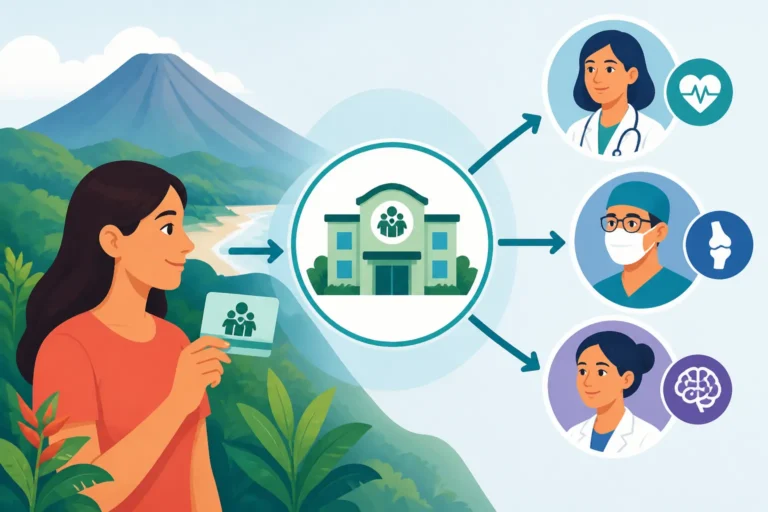
However, the "free" nature of the service comes with a catch: the bureaucracy. When you are part of the public system, you are assigned to a local clinic called an EBAIS based on your neighborhood. For minor issues, your EBAIS is your first stop. But if you need a non-emergency specialist, such as a dermatologist or an orthopedic surgeon, you might be looking at a waitlist that spans months or, in extreme cases, years. Veteran expats often joke that you need to schedule your knee replacement five years before your knee actually starts hurting.
The Reality of Private Care in Costa Rica
Private healthcare is the polar opposite experience. In centers like Hospital CIMA in Escazú or Clínica Bíblica in downtown San José, the experience is efficient, high-tech, and very familiar to North Americans or Europeans. You can often book a specialist appointment for the same afternoon just by calling their office directly. There are no "gatekeepers" in the private system; you don’t need a referral from a general practitioner to see a cardiologist.
The quality of care in these private facilities is exceptional, often surpassing what you might find in many mid-sized US cities. Many of the doctors are US-board certified and speak perfect English. However, this convenience comes at a price. While significantly cheaper than US prices, a major surgery in a private hospital can still cost tens of thousands of dollars. This is why many digital nomads and temporary visitors rely on international providers like SafetyWing to bridge the gap before they are fully integrated into the local system.
Comparing the Two: Quality, Cost, and Accessibility
When choosing between these two paths, you aren't just choosing a doctor; you are choosing a lifestyle. The public system requires patience and a decent grasp of Spanish, while the private system requires a healthy bank account or a robust insurance policy.
Wait Times and Bureaucracy
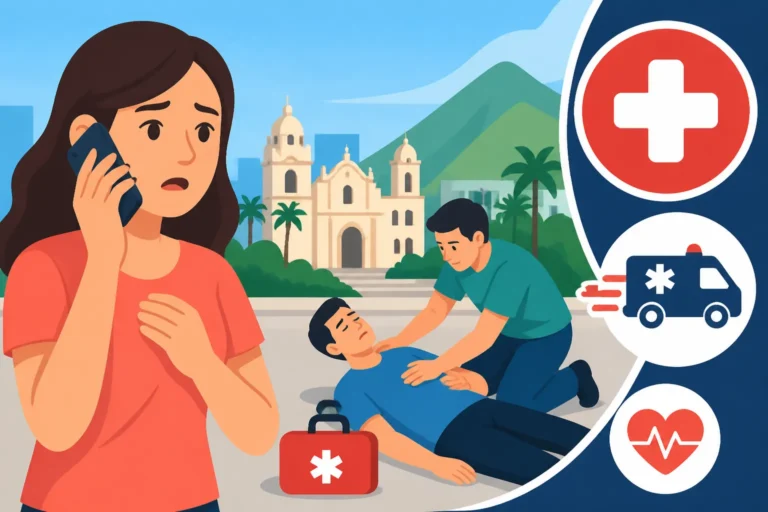
This is the single biggest "pain point" for foreigners. In the public system, if you show up at an emergency room with a life-threatening injury, the Caja is incredible. They will air-lift you from a remote jungle and provide life-saving care without asking for a credit card. But for "elective" or chronic issues, the wait is grueling.
In contrast, private care is instantaneous. If you wake up with an ear infection, you can walk into a private clinic and be seen in 20 minutes. For many expats, the time saved is worth the $80 to $120 consultation fee. If you are wondering How Much Does a Specialist Consultation Cost in Costa Rica?, it generally scales based on the doctor's prestige and location, but it rarely reaches the astronomical levels seen in the United States.
Technology and Facility Standards
The Caja’s major hospitals, like Hospital México or San Juan de Dios, are functional but often overcrowded. You might be in a ward with several other patients, and the buildings can feel dated. That said, the medical equipment is often state-of-the-art because the Caja has a massive budget for life-saving technology.
Private hospitals feel like luxury. You get a private room, often with a couch for a family member to sleep on, gourmet food options, and a level of personalized nursing care that is hard to find elsewhere. For things like How to Choose Between Caja and Private Maternity Care in Costa Rica, the choice often comes down to this comfort level. Most expats prefer the private route for childbirth simply because of the privacy and the ability for the partner to stay in the room.
Language Barriers and Bedside Manner
In the private sector, English is the lingua franca. From the receptionists to the surgeons, you will likely have no trouble communicating. This reduces the stress of a medical emergency significantly. In the public system, while many doctors do speak English (having studied abroad), the administrative staff and nurses at the local EBAIS likely will not. You will need to bring a translator or have a very high level of Spanish to navigate the paperwork. This is a major factor when trying to How to Find an English-Speaking Doctor in Costa Rica or surrounding areas.
| Feature | The Caja (Public) | Private Healthcare |
|---|---|---|
| Monthly Cost | Percentage of income (Mandatory for residents) | Pay-per-use or Insurance Premiums |
| Wait Times | Can be long for non-emergencies | Nearly zero; same-day appointments |
| Language | Primarily Spanish | English widely spoken |
| Medication | Included in monthly fee (Formulary only) | Paid out-of-pocket (Full variety) |
| Specialist Access | Requires referral from EBAIS | Direct booking allowed |
| Facilities | Basic, crowded, functional | Modern, luxury, private rooms |
Hybrid Strategies: Why Most Expats Use Both
The "secret" that veteran expats eventually learn is that you don't actually have to choose just one. In fact, most of us use a hybrid model that maximizes the strengths of both systems. This approach ensures you aren't overpaying for simple things while still having a safety net for the "big stuff."
When to Use the Caja
The Caja is unbeatable for two things: catastrophic emergencies and long-term maintenance medications. If you have a chronic condition that requires monthly prescriptions, the cost of buying those at a private pharmacy can add up to hundreds of dollars a month. Once you are enrolled, the Caja provides these medications as part of your membership. You can learn more about this in our guide on Understanding the Costa Rican Pharmacy (Farmacia) system.
Furthermore, for long-term residency, you must pay into the system anyway. Since you are already paying, it makes sense to use it for your annual blood work or basic check-ups. It is also important to remember that Do I Have to Join the Caja to Get Residency in Costa Rica? is a resounding "yes," so you might as well get your money's worth.
When to Go Private
Most expats go private for diagnostic imaging (MRIs, CT scans) and specialist consultations. Waiting six months for an MRI in the public system is stressful; paying $400 to get it done tomorrow at a private imaging center provides peace of mind. Many people also choose private care for "quality of life" surgeries, like cataracts or hip replacements, where the public waitlist is simply too long for someone who wants to remain active.
Even if you are an advocate for the public system, you should understand The Cost of Healthcare in Costa Rica: A Complete Breakdown for Foreigners (2026) before you arrive, so you can budget for those times when the Caja's timeline doesn't align with your needs.
Supplementing with International Insurance
For those who are not yet residents or who travel frequently, international insurance is a lifesaver. Companies like SafetyWing offer specialized plans for nomads that cover you globally, including in Costa Rica. This is particularly useful during the "gap period" between arriving and receiving your residency card.
During this time, you may be wondering How Much Does a Specialist Consultation Cost in Costa Rica? or how you will handle a sudden appendicitis. Having a plan that covers private hospital stays ensures you don't drain your relocation savings on a single hospital visit. This type of coverage acts as a bridge, giving you access to the top-tier private hospitals while you navigate The Expat Guide to Joining the Caja (CCSS) in Costa Rica (2027).
Making the Choice: Factors to Consider for Your Situation
Ultimately, your decision will be dictated by your legal status, your age, and your tolerance for Latin American bureaucracy. There is no one-size-fits-all answer, but there are clear paths depending on your profile.
Your Residency Status and Legal Requirements
If you are living here as a "perpetual tourist" (leaving every 180 days to renew your visa), you cannot join the Caja. You are essentially forced into the private system. In this scenario, having high-quality international insurance is not optional; it is a necessity.
If you are a legal resident, your contribution is calculated based on your reported income. For many retirees, this is a very affordable way to ensure lifelong medical coverage. You'll want to look into Understanding the Voluntary Caja Affiliation for Residents in Costa Rica to see how your specific income bracket affects your monthly bill. This mandatory contribution covers you, your spouse, and any dependent children.
Your Budget and Health Needs
If you are young, healthy, and rarely see a doctor, you might find that the public system is more than enough for your occasional needs. However, if you have pre-existing conditions that require frequent specialist visits, the efficiency of the private sector will be a massive relief.
A common strategy for families is to use the Caja for routine vaccinations and basic care, but keep a "private fund" or insurance policy for specialists. This ensures that if a child needs to see an ENT or a pediatric neurologist, they aren't stuck on a waitlist. It's all about balancing the Health Insurance in Costa Rica: Caja, INS and International Options Explained to find the sweet spot for your family's specific medical history.
Common Pitfalls to Avoid
Many expats make the mistake of assuming the Caja works like the NHS in the UK or the healthcare system in Canada. It doesn't. It is its own beast. One common mistake is failing to register at your local EBAIS immediately after getting your DIMEX (residency card). If you wait until you are sick to register, you will find the process of "opening a file" is a headache you don't want while you have a fever.
Another pitfall is assuming that "private" always means "better." While the facilities are nicer, many of the doctors in the private hospitals also work in the Caja during the morning. You are often seeing the exact same surgeon; you are just paying for the privilege of seeing them in a nicer office at 4:00 PM instead of waiting for them at 7:00 AM in a public clinic. Knowing how to navigate these overlaps is the key to mastering life in Costa Rica.
Important Medical Disclaimer
The information provided in this guide is for informational and educational purposes only. It is based on the personal experiences of expats and the current administrative climate in Costa Rica. This content is not a substitute for professional medical advice, diagnosis, or treatment. Always seek the advice of your physician or another qualified health provider with any questions you may have regarding a medical condition. Healthcare laws and residency requirements in Costa Rica are subject to change, and you should consult with a legal professional or the CCSS directly regarding your specific obligations and rights.