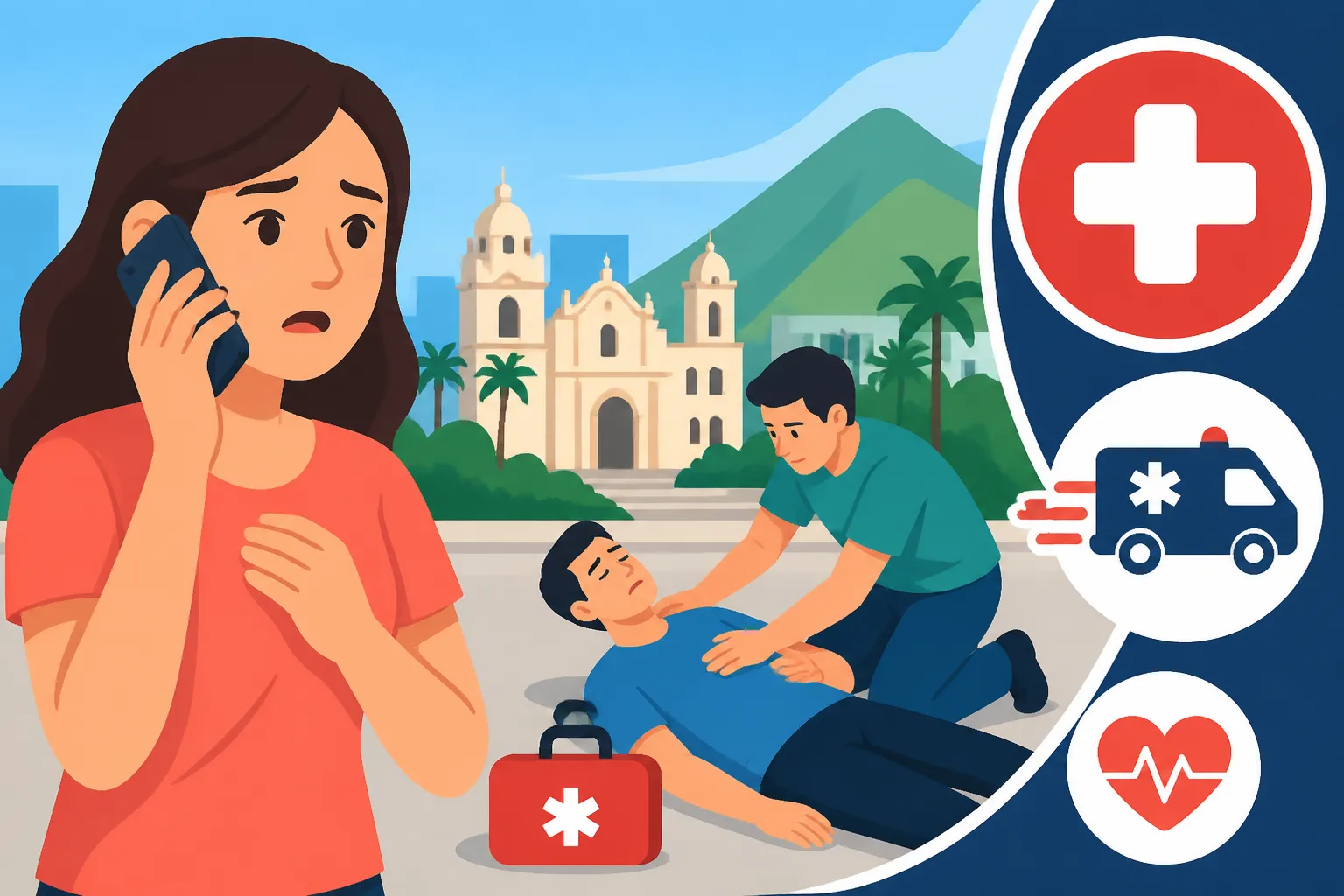
What Should I Do in a Medical Emergency in San Jose?
One of the biggest fears for any expat, or even a tourist, in a new country is a medical emergency. When minutes count, navigating an unfamiliar healthcare system in a foreign language in a bustling city like San José can feel utterly overwhelming, triggering instant panic. This guide is here to walk you through exactly what to do when a medical crisis hits in the capital of Costa Rica, giving you the practical, step-by-step advice you need to handle the unexpected with confidence.
Immediate Steps: Assessing the Situation and Calling for Help
When a medical emergency strikes, that initial surge of adrenaline can make it hard to think straight. But taking a moment to assess the situation is crucial before you even reach for your phone. Is it a true, life-threatening emergency, or something that needs urgent, but not immediate, attention? Knowing the difference can save you time and ensure you get to the right place.
Identifying a True Emergency vs Urgent Care
Let's be real, sometimes it's hard to tell. You might trip and twist an ankle, and while it hurts like the dickens, it's likely not a siren-blaring, lights-flashing emergency. But then there are those moments that grab you by the gut. If someone collapses, is unconscious, is experiencing severe chest pain, has difficulty breathing, a suspected stroke, a major trauma like a serious car accident, or profuse bleeding, that is absolutely a "call 911 now" situation. Don't second-guess yourself if it feels truly life-threatening.
On the other hand, for things like a high fever that isn't breaking, a deep cut that might need stitches but isn't gushing blood, or a suspected minor fracture where the person can still move, those might be better suited for an urgent care clinic (clínica de urgencias) or a taxi ride to a private hospital's emergency room if you're close. Public hospital emergency rooms, especially in San José, can have extremely long wait times for non-critical issues. Trust me, you don't want to spend six hours waiting with a sprained ankle when you could be seen much faster elsewhere.
The All-Important Emergency Numbers
Okay, so you've assessed the situation and it's definitely an emergency. What's the number? In Costa Rica, just like in many places, it's 911. This number connects you to a central emergency service that can dispatch ambulances (Cruz Roja or private services), fire, or police. It's the first and most critical number to remember.
When you call 911, try your best to speak calmly, even if your heart is pounding out of your chest. The operators generally speak Spanish, but many also have English speakers available or can quickly find one. Don't be shy about immediately asking, "Necesito hablar con alguien en inglés, por favor" (I need to speak with someone in English, please). It can make all the difference. For a deeper dive into what to expect, check out our guide on Understanding Emergency Numbers (911) and Ambulance Care in Costa Rica.
While the Cruz Roja (Red Cross) handles the vast majority of public ambulance calls, sometimes in San José, especially if you're in a private hospital network or have specific private insurance, you might opt for a private ambulance service like Emergencias Médicas or Ambulance CR. These typically offer faster response times and direct transport to private facilities. However, if you're unsure, just call 911. They are your best bet. It’s also incredibly helpful to have a small note prepared with your vital information in Spanish, in case you're not able to communicate clearly due to stress or injury.
What Information to Provide When You Call
Once you're connected to the 911 operator, they'll need specific information to send help efficiently. This isn't the time to ramble, so try to be concise and clear:
- Your Exact Location: This is paramount. Don't just say "San José." Give the precise address, including the province, canton, and district. If you don't know the exact address, use landmarks. "Estoy en frente de la Farmacia Fischel en Escazú, cerca del Multiplaza." (I'm in front of Farmacia Fischel in Escazú, near Multiplaza). If you have GPS coordinates on your phone, that's even better – learn how to quickly access them.
- Nature of the Emergency: What happened? "Mi amigo no puede respirar" (My friend cannot breathe) or "Hubo un accidente de carro con heridos" (There was a car accident with injuries). Be direct.
- Number of People Affected: Is it just you, or are there multiple injured parties?
- Patient's Condition: Are they conscious? Breathing? Bleeding heavily? Any known medical conditions or allergies? Even if you don't know all the details, relay what you observe.
- Your Contact Number: Ensure they have a number to call you back if they need more information or if the ambulance can't find you immediately.
Remember, they're trying to help you. Answering their questions quickly and clearly will allow them to dispatch the right resources.
Navigating Hospitals in San José During an Emergency
Once help is on the way, or if you're transporting someone yourself, knowing where you're headed is the next critical step. San José has a mix of public and private hospitals, and they operate quite differently, especially in an emergency.
Public vs. Private Hospitals for Emergencies
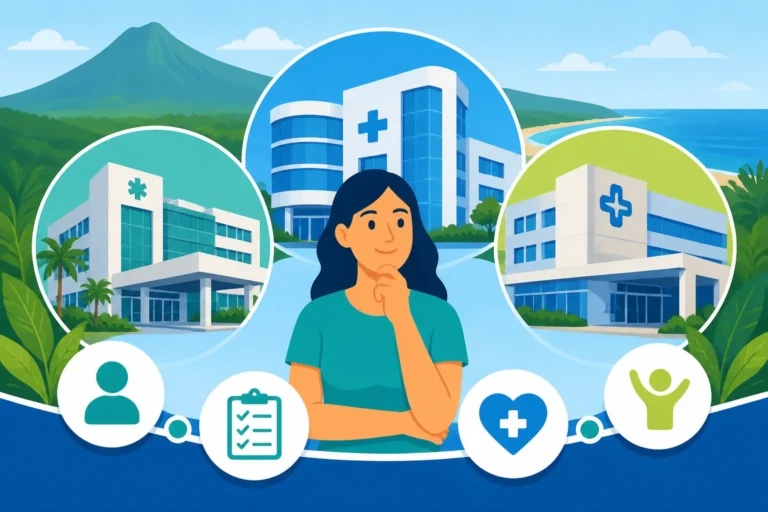
This is where your decision can truly impact your experience. San José is home to several major public hospitals, part of the CCSS (Caja Costarricense de Seguro Social), often simply called "La Caja." These include Hospital México, Hospital San Juan de Dios, and Hospital Dr. Rafael Ángel Calderón Guardia. For residents contributing to the Caja, emergency care is covered. For tourists or those without Caja coverage, there will be fees, which can vary depending on the severity of the case.
The biggest challenge with public hospitals in an emergency, particularly for non-life-threatening issues, can be the wait times. They are often overcrowded, and the language barrier can be more pronounced. While doctors and nurses are highly competent, they may not all speak English fluently. The process can feel bureaucratic and slow, which is incredibly frustrating when you're worried about a loved one or yourself.
On the flip side, San José boasts excellent private hospitals like CIMA Hospital in Escazú, Clínica Bíblica in the city center, and Hospital Metropolitano with several locations. These hospitals are known for faster service, state-of-the-art facilities, and a higher likelihood of finding English-speaking staff. They cater to a more international clientele, and the overall experience often feels more akin to what you might expect in North America or Europe. However, this level of service comes at a cost. They will often require upfront payment or proof of private insurance before admitting you, unless it's a critical, life-or-death situation. For a detailed comparison, our article on Public vs Private Healthcare in Costa Rica: Which Should Expats Choose? is an excellent resource, as is How to Use Private Hospitals Like CIMA, Clinica Biblica and Hospital Metropolitano.
Arrival and Admission Process
Regardless of whether you end up at a public or private facility, your first stop will be the emergency room (Sala de Emergencias or Urgencias). Upon arrival, you'll go through a triage process, where medical staff will quickly assess the patient's condition to prioritize care based on urgency. Don't be surprised if someone who arrived after you is seen first; it simply means their condition was deemed more critical.
You will need certain documents:
- Passport: For identification and registration.
- DIMEX (Residency Card): If you are a legal resident. This is vital for Caja members.
- Insurance Information: Your local private insurance card (like INS) or international private health insurance details. If you have travel insurance, like SafetyWing, have all your policy details ready.
Private hospitals will typically ask for payment or proof of insurance coverage almost immediately. Be prepared to provide credit card details or proof of your ability to pay. It’s a good idea to notify your insurance provider as soon as possible, or have someone else do it, so they can assist with direct billing if that's an option. This is where a good travel insurance policy like SafetyWing can be a lifesaver, as they are used to dealing with international medical emergencies.
Communication and Advocacy
The language barrier is a real challenge for many expats in an emergency. Even if you have some Spanish, medical terminology can be complex. Don't hesitate to ask if there's an English-speaking doctor or nurse available. Many private hospitals will have them, and some public hospitals might as well, especially in larger departments.
If you have a local friend or family member who speaks fluent Spanish, ask them to come with you if possible. Their ability to advocate on your behalf, ask questions, and translate crucial information can significantly reduce stress and miscommunication. If you're alone, consider using a translation app on your phone, but understand its limitations for complex medical discussions. Remember, our guide on Emergency Medical Care in Costa Rica: What Every Expat Needs to Know has more tips for these situations.
Financial Considerations and Follow-up Care
Medical emergencies are stressful enough without worrying about how you're going to pay for it all. Understanding the potential costs and how your insurance works before an emergency is absolutely critical.
Understanding the Costs Involved
The cost difference between public and private emergency care in San José is substantial. For those enrolled in the Caja, public emergency services are essentially free at the point of care, as you've already paid your monthly contributions. However, if you are a tourist or a resident without Caja coverage, you will be billed, and these costs can add up quickly.
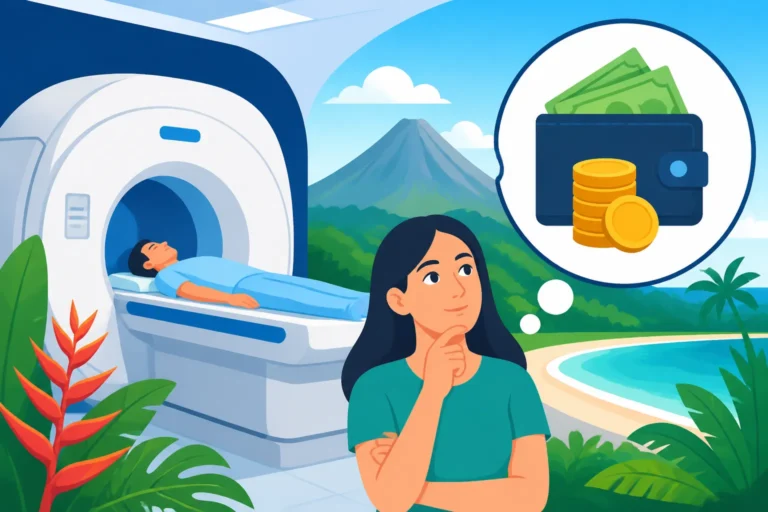
Private hospitals, while offering superior speed and amenities, come with a higher price tag. An emergency room visit alone could range from $100-$300 just for the initial consultation. Diagnostic tests like X-rays, MRIs, or lab work, plus medications and any procedures, will be additional. A major emergency with surgery and an overnight stay can easily run into thousands, or even tens of thousands, of dollars. For a deeper understanding of potential expenses, consult our article on The Cost of Healthcare in Costa Rica: A Complete Breakdown for Foreigners (2026), How Much Does an Emergency Room Visit Cost in Costa Rica?, and How Much Does an Ambulance Cost in Costa Rica?.
Let's look at a quick comparison:
| Feature | Public Hospital (Caja) | Private Hospital (e.g., CIMA, Clínica Bíblica) |
|---|---|---|
| Cost (for Non-Caja) | Moderate fees, but still significant for complex cases | Significantly higher fees, often requiring upfront payment |
| Wait Times | Can be very long, especially for non-critical cases | Generally much shorter |
| Language Support | Predominantly Spanish, English speakers less common | Higher likelihood of English-speaking doctors/staff |
| Facilities | Basic, functional, can feel crowded | Modern, comfortable, state-of-the-art equipment |
| Accepts Foreigners | Yes, but billed | Yes, often caters to expats/medical tourists |
| Ambulance Dispatch | Cruz Roja (911) | Cruz Roja (911) or private services (e.g., Emergencias Médicas) |
Insurance: Your Lifeline in an Emergency
This cannot be stressed enough: have appropriate health insurance. For tourists or digital nomads, a good travel insurance policy is non-negotiable. Many digital nomads rely on flexible options like SafetyWing, which is designed for remote workers and travelers and covers unexpected medical emergencies. Always carry your policy details, including the emergency contact number for your insurance provider.
For residents, your options typically include:
- Caja (CCSS): If you're enrolled in the public system, your emergency care is covered. However, remember the potential for longer waits.
- INS (Instituto Nacional de Seguros): Costa Rica's national insurance provider offers various private health plans that can cover private hospital emergencies, often with co-pays.
- International Private Insurance: Many expats opt for international plans that offer comprehensive coverage, allowing them to access private facilities and potentially seek care abroad.
Understanding your specific policy – what it covers, what deductibles or co-pays apply, and the process for filing a claim or getting direct billing – is paramount. Don't wait until you're in an emergency to figure this out. Our guide Health Insurance in Costa Rica: Caja, INS and International Options Explained details your options. Also, if you have international insurance, check Can I Use International Insurance at Costa Rican Hospitals? to know which facilities are in your network.
Post-Emergency Steps and Follow-Up
The emergency might be over, but your journey isn't finished. You'll need to secure your medical records. This is vital for continuity of care, future doctor visits, and, crucially, for insurance claims. Request copies of all reports, test results, and discharge summaries, preferably in English if available, or at least a certified Spanish copy that you can later have translated. Our article on How Do I Access My Medical Records in Costa Rica? can provide guidance.
Depending on the nature of your emergency, you'll likely need follow-up appointments. If you were treated at a public hospital, they will usually direct you back to your local EBAIS (the community health clinic) for ongoing care. If at a private hospital, they will recommend specialists or follow-up with their own doctors. This is also the time to fill any prescriptions. San José has numerous pharmacies (farmacias), some open 24/7, where you can get medications. Be aware that brand names might be different, but pharmacists are usually helpful. Read our Prescription Medications and Pharmacies in Costa Rica: The Complete Guide for more info.
If you used travel insurance like SafetyWing, you'll need to promptly submit all documentation for reimbursement. Keep every receipt and report meticulously organized.
Preparation is Key: Being Ready for the Unexpected
While we all hope to never face a medical emergency, being prepared can drastically reduce stress and improve outcomes. A little foresight goes a long way, especially when you're living in or visiting a foreign country.
Essential Information to Keep Handy
Create a small, easily accessible "emergency packet" – physical and digital – that contains crucial information. Think of it as your personal medical passport. This should include:
- Emergency Contact List: Names and phone numbers of at least two people, both local (if you have them) and international.
- Medical History: A concise summary of your major medical conditions, surgeries, chronic illnesses, and any allergies (food, medication, environmental).
- Current Medications: A list of all medications you're taking, including dosage and frequency. Have the generic names, not just brand names, as these are more universal.
- Insurance Details: Copies of your health insurance card (Caja, INS, international, or travel insurance like SafetyWing), policy number, and the emergency contact number for your provider.
- Identification: A copy of your passport and DIMEX (if applicable).
- Blood Type: An often-overlooked but crucial piece of information.
- Translated Phrases: A small card with basic Spanish phrases for pain, symptoms, or requests like "Necesito un médico" (I need a doctor).
Keep this information in your wallet, on your phone (perhaps as a lock screen image or in a readily accessible note), and share it with someone you trust.
Learning Basic Spanish Medical Phrases
You don't need to be fluent, but knowing a few key phrases can make a world of difference when you're trying to describe what's happening to you or a loved one. Here are some examples:
- Me duele aquí. (It hurts here. – Point to the area.)
- Tengo dolor en el pecho/cabeza/estómago. (I have pain in my chest/head/stomach.)
- No puedo respirar. (I can't breathe.)
- Él/ella está inconsciente. (He/she is unconscious.)
- Tengo alergias a… (I have allergies to…)
- Necesito un médico que hable inglés. (I need a doctor who speaks English.)
- Por favor, llame a mi seguro. (Please call my insurance.)
Even attempting to speak a few words of Spanish shows respect and can facilitate better communication.
Familiarizing Yourself with Local Resources
Finally, take the time to know your surroundings. Locate the nearest EBAIS clinic, which is your first point of contact for non-emergency public health care. Understand the role of the EBAIS (Local Health Clinic) in Costa Rica. Also, identify the major public and private hospitals in San José and their approximate distance from your home or common haunts. Knowing the general direction or a major landmark for CIMA Hospital in Escazú, Clínica Bíblica near Parque Nacional, or Hospital Metropolitano in Tibás can save precious time. For a broader overview of the system, our guide on Navigating the Costa Rican Healthcare System: An Expat's Roadmap (2027) is an invaluable tool. And if you're specifically looking for an English-speaking doctor in San José, we have a guide for that too: Where Can I Find an English-Speaking Doctor in San Jose?.
Being prepared doesn't mean living in fear; it means empowering yourself with knowledge so that if a medical emergency does arise, you can act decisively and get the best possible care in beautiful Costa Rica.
Disclaimer
The information provided in this guide is for general informational purposes only and does not constitute medical or legal advice. Healthcare systems and regulations can change, and individual circumstances vary. Always consult with qualified medical professionals for any health concerns and legal experts for residency or insurance questions. In a medical emergency, always call 911 immediately.