Understanding the Difference Between the Caja and Private Insurance in Costa Rica
One of the most overwhelming hurdles for any newcomer moving to the land of Pura Vida is untangling the complex web of the national healthcare system. You are likely wondering if you can rely solely on the public system, whether private insurance is a luxury or a necessity, and how these two worlds collide during your residency application. This guide demystifies the differences between the Caja and private insurance, ensuring you make an informed choice for your health and your wallet.
The Foundations of Costa Rican Healthcare Socialized Security vs Private Choice
When you first land in Costa Rica, you’ll hear the word "Caja" mentioned in almost every conversation regarding legal residency. Officially known as the Caja Costarricense de Seguro Social (CCSS), this is the backbone of the country’s socialized medical system. It is a mandatory requirement for anyone seeking legal residency, and it operates on a principle of solidarity. This means everyone contributes based on their income, and everyone receives the same level of care, regardless of whether they are a high-earning CEO or a retiree on a modest pension. It is a system that prides itself on universal coverage, ensuring that no one is left behind due to a lack of funds.
The private sector, on the other hand, operates much like the healthcare systems in North America or Europe, where efficiency, comfort, and speed are the primary drivers. Private healthcare in Costa Rica is world-class, often cited as a reason for the booming medical tourism industry. While the Caja is focused on public health and long-term sustainability, the private sector caters to those who want immediate access to specialists, English-speaking staff, and modern amenities that feel more like a hotel than a hospital. Understanding how these two systems interact is the first step in Navigating the Costa Rican Healthcare System: An Expat's Roadmap (2027).
The Philosophy of the Caja (CCSS)
The Caja is not just a health insurance plan; it is a national institution that manages everything from local clinics to the most advanced specialty hospitals in San Jose. For an expat, the transition into this system can be jarring. There are no "in-network" or "out-of-network" providers within the Caja; there is simply the facility assigned to your place of residence. The philosophy is one of total coverage, including everything from a simple check-up to complex heart surgery and lifelong cancer treatments.
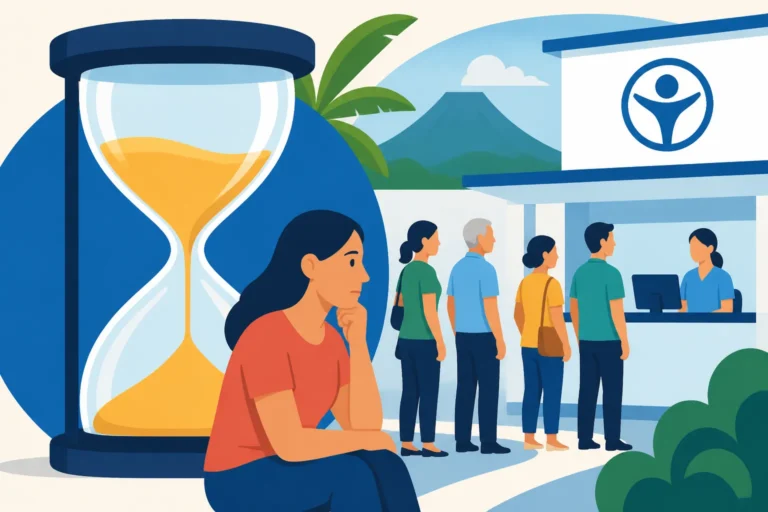
However, because it is a public system, it faces the same challenges as socialized medicine anywhere else in the world: bureaucracy and high demand. You will quickly learn that patience is a required virtue when dealing with the Caja. You might find yourself waiting months for a non-essential surgery or a diagnostic scan like an MRI. This is why many expats view the Caja as their "catastrophic coverage" while looking elsewhere for day-to-day needs. Before you sign up, it’s vital to understand The Expat Guide to Joining the Caja (CCSS) in Costa Rica (2027) to avoid common administrative pitfalls.
The Private Sector Advantage
The private healthcare system in Costa Rica is represented by prestigious names like CIMA, Clinica Biblica, and Hospital Metropolitano. These facilities offer cutting-edge technology and a patient experience that is significantly more streamlined than the public alternative. In the private sector, you are the customer, and the service reflects that. You can often book a specialist appointment for the very next day, and diagnostic tests are frequently performed within hours.
For many foreigners, the language barrier is a significant concern. In private hospitals, a large percentage of the medical staff has been trained in the United States or Europe and speaks fluent English. This eliminates the "lost in translation" anxiety that can occur in a crowded public clinic. Furthermore, private insurance plans often allow for more flexibility, especially for those who travel frequently. Options like SafetyWing are popular among digital nomads who need coverage that follows them across borders while they wait for their local residency to be finalized.
Why the Dual System Exists
Costa Rica has intentionally maintained this dual system to balance the needs of its population. The public system ensures that every citizen and resident has a safety net, which contributes to the country’s high life expectancy and overall well-being. The private system alleviates pressure on public resources by allowing those with the financial means to opt out of the public queues for certain procedures.
As an expat, you aren't really choosing between one or the other; you are usually choosing how much of each you want to utilize. Even if you have the best private insurance in the world, the law requires you to pay into the Caja once your residency is approved. This leads to a hybrid lifestyle where you might see a private doctor for a quick prescription but rely on the Caja for a major surgery that would otherwise cost tens of thousands of dollars out of pocket. Understanding Public vs Private Healthcare in Costa Rica: Which Should Expats Choose? is essential for long-term financial planning.
Coverage and Access How the Two Systems Function in Reality
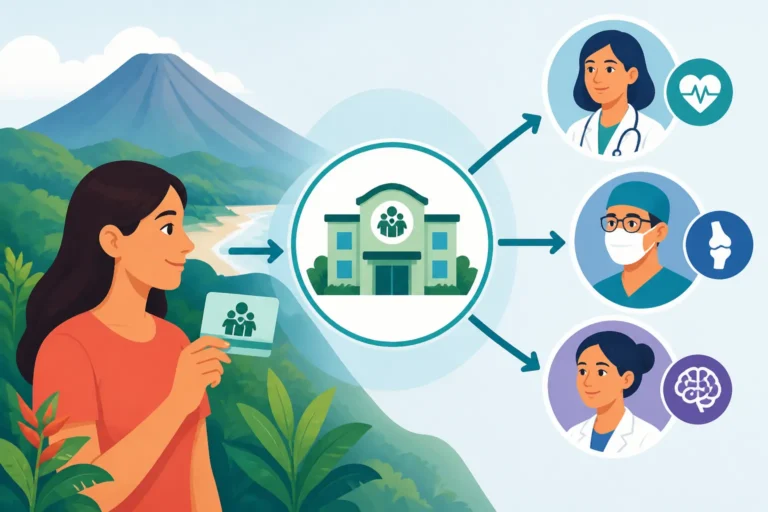
In the Caja, your primary point of contact is the EBAIS (Equipo Básico de Atención Integral en Salud). This is your neighborhood clinic. When you move to a new town, one of your first tasks should be How to Find and Register with an EBAIS Clinic in Costa Rica. This clinic handles vaccinations, basic ailments, and initial consultations. If your condition is more serious, the EBAIS doctor will refer you up the chain to a regional hospital or a specialized facility in the Central Valley.
The private system doesn't have this rigid hierarchy. You can simply look up a specialist online, call their office, and make an appointment. There is no need for a referral from a general practitioner, which saves an immense amount of time. If you need a dermatologist or a cardiologist, you go straight to the source. This direct access is the hallmark of private care and the primary reason people pay for additional insurance premiums on top of their mandatory Caja contributions.
Prescription Medications and Pharmacies
One of the most significant differences lies in how you get your medicine. If you are treated through the Caja, your medications are provided at no additional cost at the hospital or clinic pharmacy. However, the Caja has a specific "formulary," meaning they only provide certain brands or generic versions of drugs. If you require a very specific, brand-name medication that isn't on their list, you will have to buy it privately.
In the private sector, you will receive a prescription that you can take to any "Farmacia" in the country. While private pharmacies are convenient and stocked with everything from international brands to local generics, you will pay out of pocket for these. Some private insurance plans offer pharmacy discounts or reimbursements, but it involves more paperwork than the "show your ID and get your meds" system of the Caja. For a deeper look, check out Prescription Medications and Pharmacies in Costa Rica: The Complete Guide.
Emergency Care Logistics
In a true life-or-death emergency, the advice from seasoned expats is almost always the same: go to the nearest hospital, whether public or private. Costa Rican law requires all hospitals to stabilize a patient in a life-threatening situation. However, once stabilized, if you don't have private insurance or the means to pay, you will likely be transferred to a Caja facility.
The Caja is excellent at trauma care. Their doctors see everything and are highly skilled in emergency procedures. The downside is the environment—emergency rooms in public hospitals can be crowded, loud, and lack privacy. Private emergency rooms, like those at CIMA or Clinica Biblica, offer a much calmer environment and faster transition to a private room. If you are living in a remote area, you must understand Emergency Medical Care in Costa Rica: What Every Expat Know to know which facility is truly accessible during a crisis.
Diagnostic Services and Specialized Equipment
If you need an X-ray, ultrasound, or blood work, the Caja provides these services, but the wait times can be frustrating. It is not uncommon for a "non-urgent" ultrasound to be scheduled several weeks out. In contrast, private labs and imaging centers are everywhere. You can often walk into a private lab in the morning and have your blood work results emailed to you by the afternoon.
Because of this, many expats who use the Caja for their primary care still choose to pay for diagnostic tests privately. They then take the results back to their Caja doctor to speed up the treatment process. This "best of both worlds" approach is a common strategy for Understanding How to Move to Costa Rica Legally from Abroad (2027) while managing health expectations.
The Financial Reality Contributions vs Insurance Premiums
The cost of the Caja is not a flat fee. It is calculated as a percentage of the income you declared during your residency application. This often catches people off guard. If you are a high-income earner or have a significant pension, your Caja bill might be higher than a private insurance policy in your home country. It is crucial to look into Understanding How Caja Contributions Are Calculated in Costa Rica before finalizing your residency category.
Private insurance, conversely, is priced based on your age, health history, and the level of coverage you select. Costa Rica has a national insurance provider called INS (Instituto Nacional de Seguros), but there are also many international carriers. For those who are not yet residents, such as digital nomads, temporary solutions like SafetyWing provide an affordable way to stay covered without the long-term commitment of a local policy.
Budgeting for the Caja
For many retirees under the Pensionado category, the Caja contribution is usually manageable, often ranging from $70 to $150 per month, though this can fluctuate based on the exchange rate of the Colon vs. the Dollar. For those under the Rentista or Investor categories, the costs can be significantly higher. It is a social tax, and there is no way to "opt out" if you want to keep your residency in good standing.
The benefit of this "tax" is that there are no co-pays, no deductibles, and no caps on coverage. Once you have paid your monthly bill, every single medical service within the public system is covered 100%. This is an incredible relief for those with chronic conditions that require expensive, long-term care. You can find more details in The Cost of Healthcare in Costa Rica: A Complete Breakdown for Foreigners (2026).
Private Insurance Premiums and Deductibles
Private insurance plans in Costa Rica come in various flavors. Local plans through INS often require you to use their network of doctors and hospitals to get the best reimbursement rates. International plans are more expensive but offer higher coverage limits and the ability to seek treatment outside of Costa Rica.
A typical private plan for a healthy couple in their 50s might cost anywhere from $200 to $500 per month. These plans usually have a deductible—the amount you pay out of pocket before the insurance kicks in. For minor visits to a specialist, which might cost $80 to $120 out of pocket, many expats don't even bother filing an insurance claim, as it might be less than their deductible. For more on these options, read Health Insurance in Costa Rica: Caja, INS and International Options Explained.
Comparing the Costs At a Glance
| Feature | Caja (Public) | Private Insurance |
|---|---|---|
| Monthly Cost | Percentage of declared income | Based on age and health status |
| Co-pays | None | Usually required (or subject to deductible) |
| Pre-existing Conditions | Always covered | Often excluded or requires a waiting period |
| Wait Times | Can be long (weeks to months) | Very short (days or hours) |
| Medication | Free (within the official list) | Out of pocket (unless reimbursed) |
| Facility Quality | Basic, functional, often crowded | High-end, private rooms, modern |
Quality of Care and Patient Experience
There is a common misconception that "public" means "low quality." In Costa Rica, this is simply not true. Many of the top specialists who work in the glitzy private hospitals in the afternoons are the same doctors who lead departments in the public hospitals in the mornings. The clinical expertise in the Caja is exceptional; it is the administrative and logistical framework that is often lacking.
In the private sector, the quality of care is matched by the quality of the environment. You will have a private room with a bed for a family member to stay overnight, better food, and nurses who have more time to attend to your individual needs. For many, this comfort is worth the extra cost, especially when dealing with a stressful health event. Learning How to Use Private Hospitals Like CIMA, Clinica Biblica and Hospital Metropolitano can make a huge difference in your comfort levels during a medical stay.
The Wait Time Crisis
The "plazos de espera" or wait times are the single biggest complaint about the Caja. For elective surgeries like knee replacements or cataracts, the wait list can literally be years long. This is where the system fails many people. If you are in pain and want to maintain your quality of life, waiting three years for a surgery is not a viable option.
This is the primary scenario where even the most "pro-Caja" expats will turn to the private sector. Paying $8,000 for a private surgery that happens next week is often seen as a better investment than waiting for a free one that might happen in 2029. This is why having a backup plan, whether it's savings or a policy like SafetyWing for unexpected accidents, is so vital.
Communication and the Language Barrier
In an EBAIS, the staff may or may not speak English. While the doctors often do, the administrative staff and nurses frequently do not. If your Spanish is not yet at a level where you can discuss complex medical symptoms or navigate insurance forms, the public system will be a significant challenge. You may need to bring a translator or a bilingual friend to your appointments.
Private facilities go out of their way to cater to the international community. They often have dedicated "International Patient" offices that handle everything from insurance coordination to providing translators. This level of service provides a peace of mind that is hard to quantify. If you are worried about communication, you might want to look into How to Find an English-Speaking Doctor in Costa Rica.
Pre-existing Conditions: The Great Decider
If you have a significant pre-existing condition—such as diabetes, heart disease, or a previous cancer diagnosis—the private insurance market in Costa Rica may be difficult or impossible to navigate. Most private policies will either exclude these conditions entirely or charge a premium that is prohibitively expensive.
This is where the Caja shines. The Caja cannot deny you coverage based on your health history. Once you are a resident and paying your monthly contribution, you are fully covered for everything, including those pre-existing conditions. For many expats with health issues, the Caja isn't just a requirement; it is a literal lifesaver that makes living in Costa Rica possible.
Choosing Your Strategy The Hybrid Approach
Most successful expats in Costa Rica eventually settle on a hybrid strategy. They pay their mandatory Caja dues and use the local EBAIS for routine blood work and vaccinations. They appreciate knowing that if they ever have a catastrophic health event like a stroke or a major car accident, the Caja will take care of them for life without bankrupting them.
Simultaneously, they maintain a private insurance policy or a healthy "medical emergency" savings fund. They use this for specialist visits, dental work, and any situation where speed and comfort are more important than cost. This balanced approach allows you to enjoy the high standard of living in Costa Rica without the constant anxiety of a "what if" medical scenario.
When to Rely on the Caja
- Routine preventative care: Vaccinations and basic screenings are handled well by the EBAIS.
- Catastrophic illness: For long-term treatments like chemotherapy or dialysis, the Caja is the most financially sustainable option.
- Emergency stabilization: In a rural area, the local Red Cross or public clinic is often your only immediate choice.
- Managing pre-existing conditions: When private insurers won't touch you, the Caja has your back.
When to Go Private
- Specialist consultations: If you need to see a neurologist or an ENT, skip the Caja referral line and pay the $100 for a private visit.
- Diagnostic imaging: If you need an MRI or CT scan quickly, do it privately and take the results to your doctor.
- Minor surgeries: If a procedure is necessary for your quality of life but is considered "elective" by the state, private is the way to go.
- Maternity care: While the Caja is safe, many expat families prefer the comfort and personalized care of private maternity wards. You can compare options in How to Choose Between Caja and Private Maternity Care in Costa Rica.
The Role of International Insurance
For those who are in the "in-between" stage—perhaps you are waiting for residency or you are a digital nomad—international health insurance is a vital bridge. Companies like SafetyWing offer specialized products for those who aren't yet integrated into the local social security system. These plans provide a safety net for accidents and sudden illnesses while you are exploring the different regions of the country.
Once you have your DIMEX (residency card), your priorities might shift toward local private options like INS or Blue Cross, but the flexibility of international coverage remains a strong draw for those who still travel back to their home country frequently. Understanding the nuances of Health Insurance in Costa Rica: Caja, INS and International Options Explained will help you decide when it's time to switch from an international plan to a local one.
Practical Advice for Your First Year
Your first year in Costa Rica will be a learning curve of epic proportions. You will likely spend a significant amount of time gathering documents, getting them apostilled, and waiting in various "plataformas" to get your residency approved. During this time, you won't have access to the Caja yet. It is imperative that you have some form of private coverage during this transition.
Once you receive your residency approval, you will be required to visit a Caja office to activate your insurance. This is a separate step from getting your DIMEX card. You will need to show proof of your income and pay your first month's contribution. From that moment on, you are part of the system. Make sure you understand How to Use Your DIMEX to Access Healthcare in Costa Rica to make the process as smooth as possible.
Finding the Right Doctors
Word of mouth is the most powerful tool in the expat community. Join local Facebook groups for your specific town (e.g., "Expats in Nosara" or "Residents of Escazu") and ask for recommendations. You will find that certain doctors are favorites because of their bedside manner or their ability to navigate both the public and private systems on your behalf.
Don't be afraid to interview a doctor before committing to a long-term treatment plan. Most private doctors are happy to have an initial consultation to discuss your history and how they can help you interface with the Caja if necessary. This proactive approach is the hallmark of a veteran expat who knows how to make the system work for them.
Final Thoughts on the Healthcare Fork in the Road
Moving to Costa Rica doesn't mean you have to sacrifice your health or your comfort. By understanding the fundamental differences between the Caja and private insurance, you can build a personalized healthcare plan that fits your budget and your lifestyle. Whether you are here to surf in your 20s or retire in your 60s, the dual system offers a level of flexibility that is rare in many parts of the world. Embrace the Caja for its social mission and its safety net, but don't hesitate to use the private sector to ensure your time in paradise is spent in good health and comfort.
Disclaimer
The information provided in this guide is for educational and informational purposes only and does not constitute professional medical, legal, or financial advice. Healthcare laws and residency requirements in Costa Rica are subject to change, and you should always consult with a qualified attorney or insurance professional regarding your specific situation. This content was created to assist expats in understanding the general landscape of the Costa Rican healthcare system based on current practices in 2026.