How to Add Dependents to Your Caja Coverage in Costa Rica
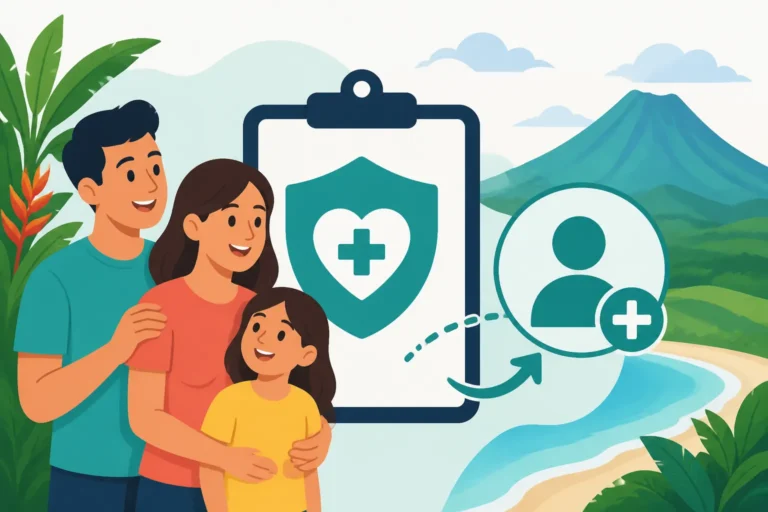
Moving your family to Costa Rica is an exhilarating adventure, but the reality of local bureaucracy often hits the moment you try to secure healthcare for your loved ones. Navigating the CCSS, or the "Caja," can feel like a labyrinth of paperwork and shifting requirements that leave many expat families feeling vulnerable. This guide breaks down exactly how to add your dependents to your coverage, ensuring your spouse and children are protected under the national system.
Who Qualifies as a Dependent in the Costa Rican System
The first hurdle is understanding exactly who the Caja considers a "dependiente." In Costa Rica, the social security system is built on the principle of solidarity, meaning the head of the household’s contributions can extend to cover family members who are financially dependent on them. This isn't just a courtesy; it is a fundamental part of the How Costa Rica's Health System Works: The Caja (CCSS) vs Private Explained (2027) framework that every resident must eventually master.
Spouses and Common-Law Partners
The most common dependent is a spouse. If you are legally married, the process is relatively straightforward, provided you have a marriage certificate that has been properly apostilled and translated. However, Costa Rica also recognizes "unión de hecho" or common-law marriage. If you aren't legally wed but have lived together for several years, you can still add your partner, though the evidentiary requirements are much higher. You will likely need a notarized declaration or a court ruling to prove the stability and exclusivity of the relationship.
Children and Students
Children are naturally covered as dependents until they reach the age of 18. The Caja is generally very protective of minors, and you will find that getting a child into the system is often faster than getting an adult in. If your child is between 18 and 25 and is a full-time student at a recognized Costa Rican institution, they can remain on your coverage. You will need to provide an updated "constancia de estudio" (proof of enrollment) from their university every semester to maintain this status.
Elderly Parents and Special Cases
One of the more compassionate aspects of the Costa Rican system is the ability to include elderly parents as dependents if they rely on you for their basic needs. This is particularly relevant for those moving under a How to Get the Pensionado (Retiree) Residency in Costa Rica (2027) visa who might be bringing their own aging parents along. To do this, you must prove that the parent has no independent source of income and resides with you. The Caja will often send a social worker to your home to verify these living conditions before approval.
Essential Documentation for the Affiliation Process
You cannot simply walk into a clinic and claim someone is your dependent. The Caja operates on a strict "documentos en mano" policy. If you are missing a single stamp or a specific translation, you will be sent home to start over. This is where the frustration peaks for most foreigners, but being meticulous with your folder can save you weeks of delays.
The Apostille and Translation Requirements
Every foreign document, whether it’s a birth certificate for your child or a marriage license for your spouse, must be apostilled in its country of origin. An apostille is an international certification that authenticates the document for use in Costa Rica. Once you have the apostilled document, it must be translated into Spanish by an official translator certified by the Costa Rican Ministry of Foreign Affairs. Do not try to use a generic online translation service; the Caja will reject it immediately.
Identification and Residency Status
To add a dependent, both the primary contributor and the dependent usually need to have their residency in process or completed. If you have your DIMEX (residency card), the process is significantly smoother. If you are still in the "expediente" phase (waiting for approval), you can sometimes use your "plantilla" or proof of filing, but this varies by office. If there is a gap in your coverage while waiting for residency papers to finalize, many expats rely on Health Insurance in Costa Rica: Caja, INS and International Options Explained or temporary solutions like SafetyWing to ensure they aren't left without any medical safety net during the administrative limbo.
Proof of Economic Dependency
The "estudio socioeconómico" is a unique feature of the Caja. For non-minor dependents, the CCSS wants to see that the person truly depends on you financially. This might involve showing bank statements that prove you are the sole breadwinner or providing a utility bill in your name for the home where you both live. The goal is to ensure that people aren't adding roommates or friends to the system under the guise of dependency.
Navigating the Local EBAIS and Regional Offices
In Costa Rica, healthcare is localized through the EBAIS (Equipos Básicos de Atención Integral en Salud). Understanding How to Find and Register with an EBAIS Clinic in Costa Rica is critical because this is where your family will receive most of their primary care. However, the actual "affiliation" or the act of adding a dependent often happens at the larger regional CCSS office (Sucursal) rather than the small local clinic.
Finding Your Assigned Sucursal
You cannot choose which CCSS office you go to; it is determined by your place of residence. You should bring your lease agreement or a utility bill to prove your address. When you arrive at the Sucursal, expect to wait. It is a rite of passage for expats to spend a morning in a plastic chair waiting for their number to be called. Bringing a book and a dose of patience is highly recommended. The clerks are generally helpful, but they rarely speak English, so if your Spanish is limited, consider bringing a friend to translate.
The Interview with the Social Worker
For spouse or parent additions, you will often be referred to a "Trabajadora Social" (Social Worker). This sounds intimidating, but it is a standard part of the process. They will ask questions about your household income, your monthly expenses, and how you support the dependent. They aren't trying to catch you in a lie; they are simply filling out a mandated report to justify the inclusion of a non-contributing member in the public system. Be honest, be humble, and have your receipts ready.
Receiving the Carné and Digital Activation
Once the Sucursal approves the addition, they will issue a document or update the system. The physical "carné" (ID card) is becoming less common as the system moves digital, but you should still ask for a printed "comprobante de derechos." This paper proves your dependent is active. Once they are in the system, they must download the EDUS app. This app is the digital heart of the Caja, allowing you to see appointments, prescriptions, and medical history. Knowing How to Use Your DIMEX to Access Healthcare in Costa Rica in conjunction with the EDUS app is the final step in becoming a fully integrated user of the system.
Comparing Family Coverage Options
While the Caja is mandatory for residents, many families find that a hybrid approach works best. The Caja is excellent for emergencies, chronic medications, and major surgeries, but the wait times for non-essential procedures or specialized consultations can be lengthy.
| Feature | Caja (Public) | Private Insurance (e.g., INS/SafetyWing) |
|---|---|---|
| Cost | Percentage of income (covers all dependents) | Monthly premium per person |
| Wait Times | Can be long for specialists | Usually very short |
| Prescriptions | Included in monthly fee | Usually a co-pay or reimbursement |
| Doctor Choice | Assigned by EBAIS | Choice of any private provider |
| Language | Primarily Spanish | Many English-speaking options |
Many families choose to maintain their Caja coverage for legal residency requirements and major medical events while using a policy like SafetyWing for quicker access to private doctors in places like Escazú or Lindora. This ensures that if a child has a sudden ear infection or a spouse needs a quick dermatological check, you aren't waiting weeks for an appointment.
Common Challenges and How to Overcome Them
The road to adding dependents is rarely a straight line. One of the most frequent issues is the "vencimiento" or expiration of documents. If your apostilled birth certificate is more than six months old (or sometimes three, depending on the clerk's interpretation), they may reject it. Always ensure your documents are "fresh" before heading to the office.
Dealing with Discrepancies in Names
If your spouse’s name on the marriage certificate doesn't perfectly match their passport (common with middle names or maiden names), you might be required to get a "declaración jurada" (sworn statement) from a Costa Rican lawyer. This document essentially states that "Jane Doe" and "Jane Smith-Doe" are the same person. These minor discrepancies are the number one cause of "vueltas"—the local term for being sent back and forth between offices.
The Residency "Link"
Your Caja coverage is inextricably linked to your residency status. If your DIMEX expires, your dependent’s coverage might be suspended as well. It is vital to keep an eye on the expiration dates of every family member’s ID card. If you are in the process of renewing, make sure to get a "comprobante de trámite" from Migración, which the Caja can use to extend coverage temporarily. Understanding How the Caja Requirement Connects to Your Residency in Costa Rica will help you avoid sudden lapses in medical access for your children.
Language Barriers and Cultural Expectations
It is important to remember that the CCSS is a national institution designed for Costa Ricans. While they are accommodating to foreigners, the burden of communication is on you. If you show up demanding service in English, you will likely face a much harder time. A "buenos días" and a polite "mucho gusto" go a long way. If the paperwork feels overwhelming, remember that this system provides your family with a lifetime of medical security regardless of future health conditions—a benefit that is increasingly rare globally.
Integrating Private Care for Peace of Mind
Even after you successfully add your dependents to the Caja, you may still feel the need for supplemental coverage. The public system is robust but can be slow. For many expats, the goal is to have the Caja for the "big things" and private options for the "small things." For instance, Understanding the Difference Between the Caja and Private Insurance in Costa Rica becomes very practical when your child needs a specialist referral that might take six months in the public system but six hours in the private one.
For families who travel frequently or are still in their first year of residency, keeping a flexible plan like SafetyWing is a common strategy. It provides a bridge of coverage that works alongside the Caja, giving you access to private hospitals like CIMA or Clínica Bíblica. This is particularly helpful for families who haven't quite mastered the EBAIS system or who live in areas where the local clinic is heavily burdened.
When to Use the Caja vs. Private Care
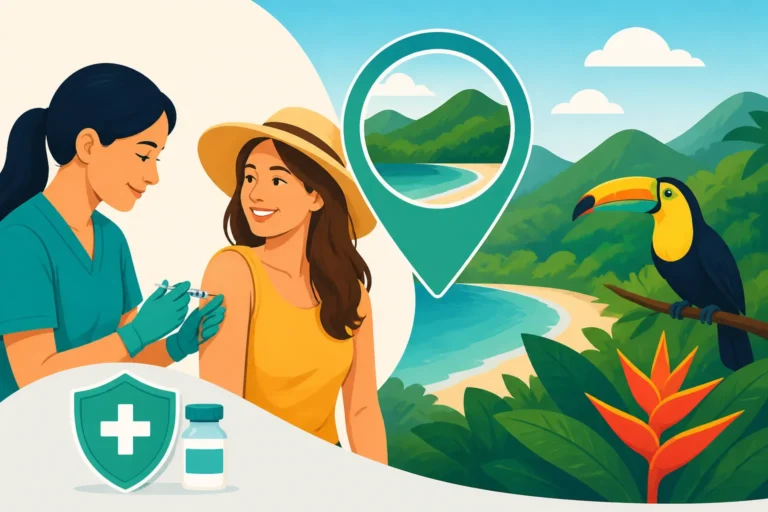
If your child needs standard vaccinations, the Caja is excellent. They follow a strict schedule, and the vaccines are high-quality and free at the point of service. You can learn more about this in our guide on Understanding Vaccination Schedules and Requirements in Costa Rica. However, if you want a specific "boutique" birthing experience or a private room for a minor surgery, the private system is the way to go. Most expat families find a rhythm where they use the EBAIS for routine check-ups and private clinics for immediate concerns.
Final Administrative Tips
Always keep a digital folder (on a cloud drive) with scans of every document you have submitted to the Caja. The system is getting better, but files do occasionally get lost. Having a copy of the "recibido" (received) stamp from the Sucursal can be your "get out of jail free" card if a clerk claims your spouse was never added. Additionally, ensure you are familiar with How to Add Dependents to Your Caja Coverage in Costa Rica procedures specifically if you are self-employed, as the paperwork for "voluntarios" is slightly different from those employed by a Costa Rican company.
Legal and Medical Disclaimer
This guide is intended for informational purposes only and does not constitute legal or professional medical advice. The requirements for the CCSS (Caja) can change without notice based on new government regulations or administrative shifts within the Costa Rican healthcare system. Always consult with a qualified Costa Rican residency attorney or an official CCSS representative to confirm the current requirements for your specific situation. Medical decisions should always be made in consultation with a licensed healthcare professional.