How Do I Get a Temporary Residency Card in Costa Rica?
Navigating the labyrinthine halls of Costa Rican immigration can feel like an Olympic sport, especially when you're just trying to get your feet on solid ground. So many expats arrive here with dreams of Pura Vida, only to hit a wall of paperwork and what feels like endless waiting. If you’re asking "How do I get a temporary residency card in Costa Rica?" you’re asking one of the most fundamental (and frustrating!) questions every long-term expat faces. This guide is here to walk you through the process, temper your expectations with a dose of reality, and hopefully, make the journey to obtaining your DIMEX a little less daunting.
Understanding Temporary Residency in Costa Rica: What is a DIMEX?
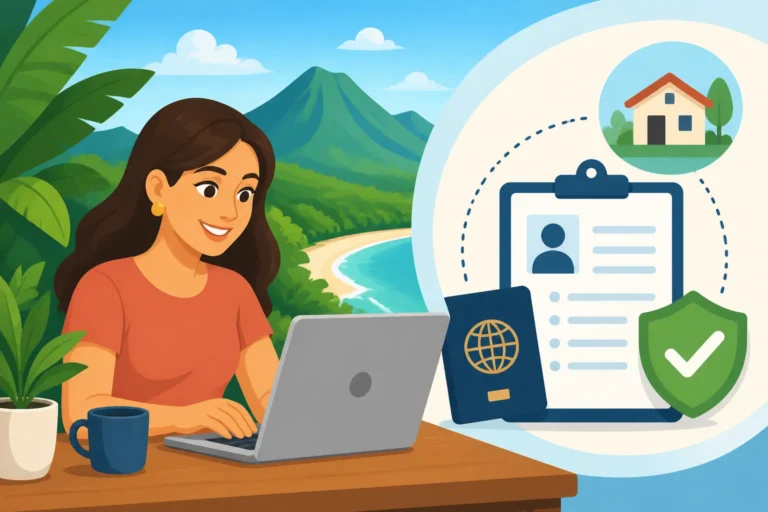
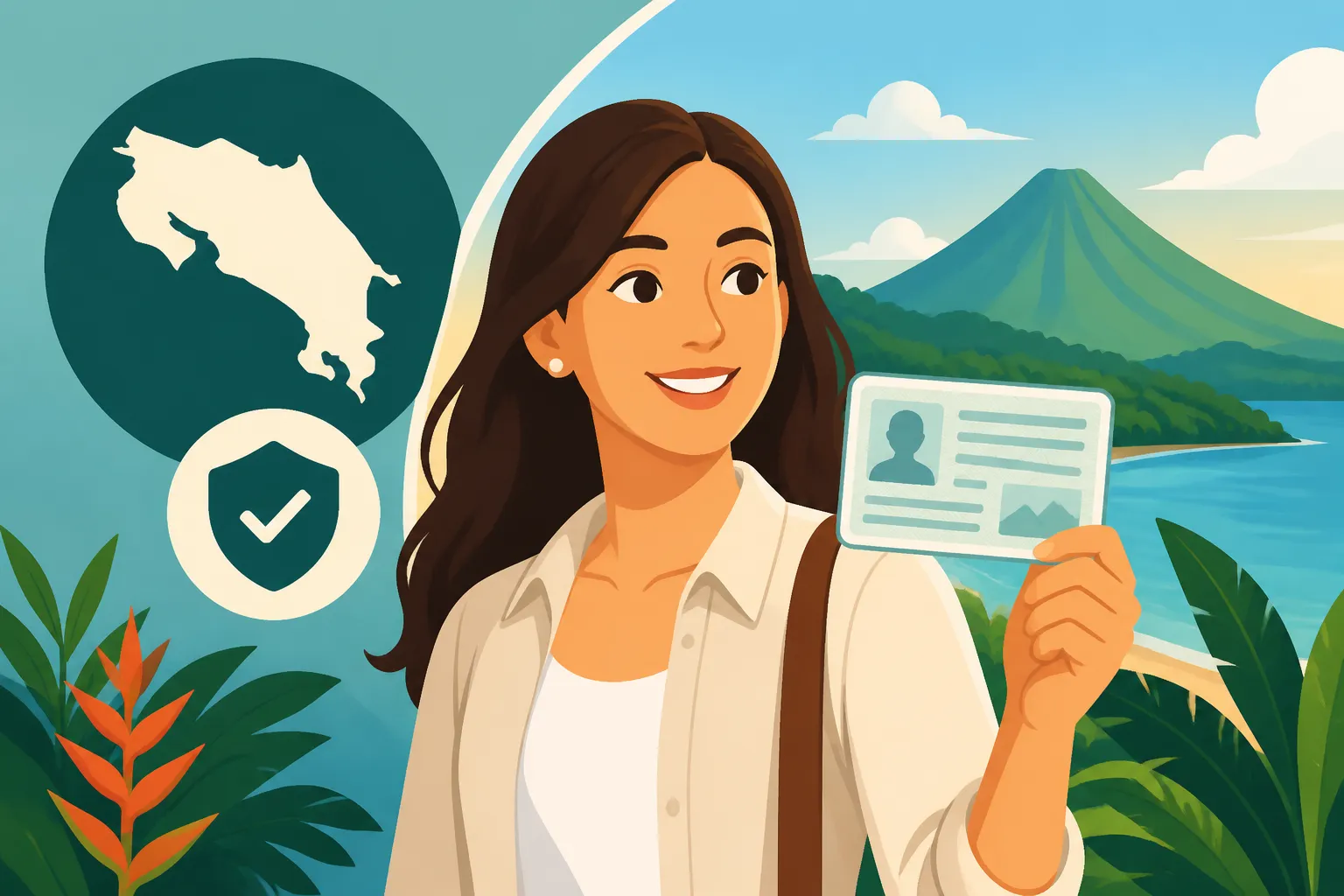
Before we dive into the nitty-gritty, let's clarify what we're talking about. The Documento de Identificación Migratorio para Extranjeros, or DIMEX, is essentially your identity card as a legal foreign resident in Costa Rica. It’s a physical card, much like a driver's license, that validates your status and, more importantly, unlocks your ability to truly integrate into society here. Without it, you’re forever in tourist limbo, unable to open a proper bank account, get a phone contract easily, or even enroll in the public health system.
More Than Just a Card: Your Gateway to Pura Vida Living
For many, getting that DIMEX in hand is the moment Costa Rica truly starts to feel like home. While your passport allows you to enter the country, the DIMEX gives you the right to reside here, often to work (depending on your specific residency category), and to access a host of services that are otherwise off-limits. Imagine trying to get internet installed, or even a simple SIM card, without a local ID – it’s a constant struggle. The DIMEX simplifies so much of daily life and signals to local institutions that you're a recognized part of the community. It’s also your official ID for everything from voting in local elections (if applicable to your residency type) to simply proving who you are when asked. Think of it as your official welcome to becoming a Tico by choice.
Initial Validity and Renewal Expectations
Typically, temporary residency cards are issued for an initial period of one to two years. Don't be surprised if your first card is for a shorter duration; it's quite common. But here's the good news: renewing it is generally a much smoother process than the initial application. Once you have your foot in the door, subsequent renewals usually just require an updated police record (from Costa Rica, not your home country), proof of continued income/investment, and current Caja contributions. After a certain period of temporary residency (usually three years for most categories, but it varies), you may become eligible to apply for permanent residency. This is a significant milestone, as permanent residency often removes the need to prove ongoing income and offers more stability. For more detailed information, be sure to check out our guide on How to Renew Your Temporary Residency (DIMEX) in Costa Rica.
Laying the Groundwork: Prerequisites Before You Apply
This is where the rubber meets the road, and often where the most significant frustrations arise. Getting your ducks in a row before you even step foot in the Migración office will save you countless headaches. Trust me, I’ve seen enough hopeful expats crumble under the weight of an incomplete application.
Choosing Your Residency Category: The Crucial First Step
Your temporary residency journey begins and ends with your chosen category. This isn't a "one size fits all" situation, and the requirements vary wildly. Here are some of the most common paths expats take:
- Pensionado (Retiree): This is a popular option for those receiving a lifetime pension. You need to prove a minimum guaranteed monthly income of at least $1,000 USD from a pension source (social security, private pension, etc.). It’s a solid route if you meet the income threshold, and you can include your spouse and dependents. For all the details, read How to Get the Pensionado (Retiree) Residency in Costa Rica (2027).
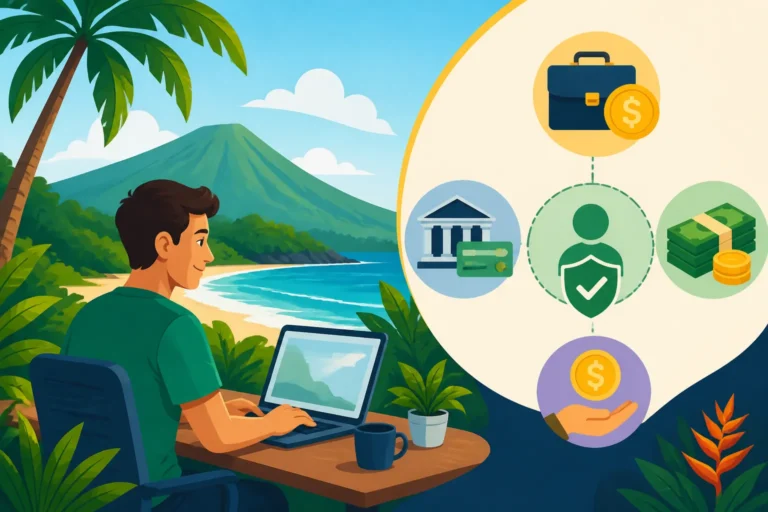
- Rentista (Fixed Income): If you don't have a pension but have other reliable, stable income, this might be your path. It generally requires proof of $2,500 USD per month of income from investments, annuities, or other passive sources. Alternatively, you can typically make a deposit of $60,000 USD in a Costa Rican bank, which is then drawn down at $2,500 per month. This is often an attractive option for younger retirees or those with substantial savings. Our guide The Expat Guide to the Rentista Residency in Costa Rica (2027) has more on this.
- Inversionista (Investor): For those looking to make a significant investment in Costa Rica, this category can lead to residency. The minimum investment currently stands at $150,000 USD in real estate, a business, or other approved projects. This can be a faster route to residency if you have the capital. Learn more in The Inversionista (Investor) Residency in Costa Rica: A Complete Guide (2027).
- Digital Nomad: A newer, very appealing option for remote workers. Introduced to attract talent, it requires proof of a stable income from outside Costa Rica (currently $3,000 USD/month for an individual, more for a family). It offers a visa for two years, extendable for one, with potential tax benefits. Check out The Complete Guide to the Costa Rica Digital Nomad Visa (2027) for full eligibility.
- Family Ties (Vínculo): If you marry a Costa Rican citizen or have a child born in Costa Rica, this path opens up. It’s often considered one of the more straightforward routes, as it's based on family reunification. Sponsoring your spouse or children falls under this umbrella. Dive deeper with Family Residency in Costa Rica: How to Bring Your Spouse and Children (2027).
- Worker or Student Visas: These are generally more complex and often require an employer to sponsor you or acceptance into a recognized educational institution. They tend to have very specific requirements that aren't as commonly pursued by general lifestyle expats.
The absolute most important thing you can do at this stage is to research your chosen category thoroughly. The specific documents, income thresholds, and processing nuances will depend entirely on which path you choose. Don't gloss over this, as it's the foundation of your entire application.
Gathering Your Essential Documents: The Paper Chase
Ah, the infamous document gathering. This is where Costa Rican bureaucracy tests your patience and organizational skills like no other. Imagine you're building a massive Jenga tower, and every piece has to be perfectly cut and placed. One crooked piece, and the whole thing comes crashing down.
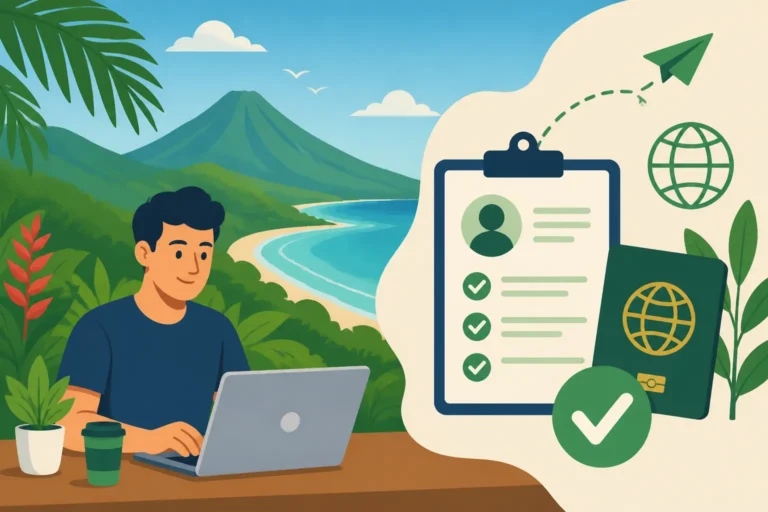
Here's a list of common documents you'll almost certainly need, regardless of your category:
- Birth Certificate: A certified copy, with an apostille from your home country. This stamp validates the authenticity of the document for international use. Without it, the document is useless here. Read more about this crucial step in How to Get a Birth Certificate and Documents Apostilled for Costa Rica.
- Marriage Certificate (if applicable): Again, a certified copy with an apostille if you’re applying with your spouse.
- Police Record/Criminal Background Check: This is one of the most critical documents. You'll need an original, certified copy from your country of origin (or any country you've lived in for more than 6 months in the last three years), with an apostille. It usually has an expiry date, so make sure it's current. Our guide Understanding Background Checks and Criminal Record Requirements for Residency explains this in detail.
- Passport: A full copy of every single page of your current passport, even the blank ones. It must be valid for at least six months beyond your application date.
- Proof of Income/Funds: This is highly specific to your chosen category. For pensionados, it's a letter from your pension administrator. For rentistas, it could be bank statements or a certificate of deposit. For inversionistas, proof of investment. These documents often need to be authenticated and translated.
- Fingerprints: You won't get these in your home country. Once your application is submitted, you’ll be directed to go to the local police (Ministerio de Seguridad Pública, Dirección de Servicios de Seguridad Privada) here in Costa Rica to have your fingerprints taken. This is for the local background check.
- Proof of Caja Affiliation or Intent: This is a bit of a dance. As a resident, you must join the Caja Costarricense de Seguro Social (CCSS), Costa Rica's public healthcare system. When you apply for residency, you’ll typically need to show either proof of existing Caja membership or, more commonly, a letter of intent to join the Caja once your residency is approved. This is non-negotiable and fundamental to legal residency here. It's often a point of confusion for new arrivals, so Understanding the Caja Affiliation Requirement for Residency in Costa Rica is vital.
- Passport Photos: You'll need a specific size (usually 2×2 inches or passport photo size, with a white background). Have several copies, as different stages might ask for them.
- Application Forms: These are provided by Migración or your lawyer. Fill them out meticulously.
- Entry Stamps: Copies of your most recent entry stamp into Costa Rica. If you've been doing "visa runs" (leaving the country every 90 days as a tourist), keep records of all those entries and exits.
A note on translations: Any document not originally in Spanish must be translated by an official, certified translator in Costa Rica. Do NOT bring translations done in your home country unless they are specifically recognized (which is rare). This is a common pitfall. The translator will stamp and sign the document, giving it legal validity in Costa Rica.
Brands Mentioned: When preparing for your move, services like Sirelo can be incredibly helpful for managing the logistics of getting your belongings down here. They can take some of the pressure off the physical move, allowing you to focus on the bureaucratic side of things.
The Application Process: Navigating Migración
With your meticulously prepared stack of documents (and perhaps a prayer or two), it's time to face Migración. This is not for the faint of heart, but knowing what to expect can ease the tension.
Submitting Your Application: Patience is a Virtue
Your application is generally submitted at the main offices of the Dirección General de Migración y Extranjería (DGME) in La Uruca, San José. While some categories might allow initial submission through specific channels or even online for the Digital Nomad visa, the physical submission of documents is often still a requirement.
When you go to Migración, be prepared for a quintessential Costa Rican bureaucratic experience: queues, different windows for different stages, and a pace that can feel glacial compared to what you might be used to. This is where having an immigration lawyer really shines. They know the ropes, they speak the language, and they can navigate the system with a level of efficiency and understanding that most expats simply cannot. They will present your perfectly organized binder of documents, pay the initial application fees, and get your expediente (case file) number. This number is your golden ticket for tracking your application.
Remember, one missing signature, one incorrect date, one document not properly apostilled or translated, and your application can be rejected, forcing you to go back and rectify it, only to start the waiting process all over again. The emphasis here is on perfection in your submission.
Waiting Game: What Happens After Submission?
And then, you wait. This is arguably the longest and most psychologically taxing part of the process. Processing times for temporary residency can vary wildly, from a few months to a year, or even longer in some cases. There's no fixed timeline, and it often feels like the processing speed is directly proportional to the amount of café consumed by the officials that day.
You'll receive an expediente number, which theoretically allows you to check the status online or by calling Migración. In reality, these systems are often slow to update, and direct communication is challenging. Your lawyer will be your best resource for status updates.
During this waiting period, it's very common to receive what are called prevenciones. These are official requests from Migración for additional documents, clarifications, or corrections to your submitted paperwork. Do NOT panic if you receive one. It's not a denial; it's just another hoop. Address these prevenciones promptly and precisely with your lawyer's help. Failing to respond or responding incorrectly can lead to your application being archived or rejected.
While your application is processing, you need to be mindful of your legal status. If you submitted while on a tourist visa, you generally need to continue exiting the country every 90 days (the "visa run") to maintain your legal status, unless Migración has granted you a special extension to remain in the country. Working during this period is also generally not allowed. This is a critical point that many new arrivals misunderstand, so understanding Can I Work in Costa Rica While My Residency Is Processing? is extremely important.
The total financial outlay for the entire process, including legal fees, translations, and government charges, can also be substantial. It's wise to budget appropriately. For a full breakdown, consider looking into Understanding the Cost and Timeline of the Residency Process in Costa Rica.
The Final Stretch: Fingerprints, Payments, and Your DIMEX Card
You've submitted, you've waited, you've responded to prevenciones. Now, the light at the end of the bureaucratic tunnel starts to flicker a little brighter.
The Police Check and Caja Affiliation
Once Migración has given your application an aprobado en firme (approved in principle) status, two key steps typically follow before you get the physical card.
First, the local police check. This involves going to a specific office (usually the Dirección de Servicios de Seguridad Privada of the Ministerio de Seguridad Pública) to have your fingerprints taken. This isn't the background check from your home country; it's a local check to ensure you haven't committed any crimes within Costa Rica since your arrival. Your lawyer will usually schedule this for you.
Second, and perhaps most crucially, is your formal affiliation with the Caja. You cannot get your DIMEX without proving you've joined and begun contributing to the public health system. This means going to your nearest EBAIS (local clinic) or the main Caja offices with your aprobado en firme letter, registering, and making your first payment. This is often an entirely new bureaucratic challenge in itself, but it's non-negotiable. It's essential to understand The Expat Guide to Joining the Caja (CCSS) in Costa Rica (2027) to navigate this stage effectively. While waiting for the Caja to fully kick in or for additional coverage, many expats opt for international private insurance plans like Cigna Global to bridge any gaps or provide more comprehensive options.
Paying Your Dues and Picking Up Your Card
With your fingerprints done and Caja affiliation initiated, you're almost there! The final steps involve a series of payments:
- Deposit of Guarantee (Depósito de Garantía): This is a refundable bond that you pay to the government. The amount varies depending on your nationality. It's a deposit held by Migración and returned if you eventually cancel your residency when leaving the country permanently.
- Cédula Issuance Fee: The fee for the physical production of your DIMEX card.
- Other Government Fees: There may be other small administrative fees or stamps (timbres) required at this stage.
These fees are typically paid at specific authorized banks, such as Banco de Costa Rica or Banco Nacional. Your lawyer will provide you with the exact amounts and payment slips.
Once all payments are confirmed, you'll usually be given instructions on where to pick up your DIMEX. Often, this is at a local Correos de Costa Rica (post office) branch, which is surprisingly efficient for this final step. You'll need to present your passport and the payment receipts.
That moment when you hold your DIMEX card in your hand for the first time? It's pure relief, a sense of accomplishment, and the feeling that you've truly arrived. Before you walk away, double-check every detail on the card – your name, date of birth, photo, and especially your residency category. Mistakes happen, and it's easier to fix them on the spot.
Essential Tips for a Smoother Journey
I've been through this, and I've watched countless others go through it. Here's my advice, distilled from years of experience and observations.
The Value of Professional Help
I cannot stress this enough: hire a reputable immigration lawyer. While it might seem like an added expense, it is almost always worth every penny. Think of it this way: you’re navigating a foreign legal system, in a foreign language, with constantly evolving rules and interpretations. A good lawyer will:
- Help you choose the correct residency category.
- Advise you on exactly which documents you need and how to get them apostilled/legalized.
- Facilitate certified translations.
- Prepare all application forms correctly.
- Submit your application on your behalf.
- Track your application status.
- Respond to any prevenciones Migración sends.
- Guide you through the Caja affiliation and fingerprint process.
- Inform you of all required fees and payment locations.
They act as your advocate, translator, and guide through what can be an incredibly confusing and frustrating process. Don't try to go it alone unless you have a high tolerance for stress and an impeccable grasp of legal Spanish.
Patience, Persistence, and a Pura Vida Mindset
Costa Rican bureaucracy moves at its own pace. It's not a reflection of inefficiency; it's just the way things are. Expect delays, unforeseen hurdles, and moments where you feel like you're going in circles. The best strategy is to adopt a Pura Vida mindset: relax, be polite, and understand that yelling or getting angry will only make things worse. Go into every interaction with a smile, a willingness to follow instructions, and an understanding that things might take longer than you expect. This isn't your home country, and embracing the cultural differences, even in bureaucracy, will save your sanity.
Remember how I mentioned Sirelo earlier? Even the process of moving your household goods can be stressful, so consider streamlining that part to minimize other pressures while you focus on the immigration process.
Staying Informed and Organized
Beyond hiring a lawyer, your personal organization is key:
- Keep Copies of EVERYTHING: Every email, every receipt, every version of every document. Create a physical binder and digital folders. You never know when you'll need to reference something.
- Maintain Communication: Stay in regular contact with your lawyer, even if it's just a quick check-in.
- Passport Validity: Ensure your passport remains valid throughout the entire residency process. Renewing it mid-application can add significant complications and delays.
Getting your temporary residency card in Costa Rica is a significant achievement and a necessary step for truly building a life here. It requires preparation, persistence, and a healthy dose of patience, but the reward – the ability to live legally and fully embrace Pura Vida – is absolutely worth it.
Disclaimer
The information provided in this guide is for general informational purposes only and does not constitute legal, financial, or immigration advice. Immigration laws and procedures in Costa Rica can change frequently. It is highly recommended that you consult with a qualified Costa Rican immigration attorney or legal professional for advice tailored to your specific situation before making any decisions related to residency.