Can I Apply for Citizenship After Permanent Residency in Costa Rica?
Okay, so you've navigated the sometimes-bumpy road of getting your permanent residency here in Costa Rica. You've embraced the pura vida lifestyle, maybe even learned to love the traffic, and now you're wondering, "What's next? Can I take that final step and become a Costa Rican citizen?" It's a natural progression for many who truly fall in love with this country, but let me tell you, it's another journey with its own set of winding paths and patience-testing moments. This guide is going to walk you through exactly what it means to move from being a permanent resident to a full-fledged citizen, detailing the requirements, the process, and what you can expect along the way.
Navigating the Path from Permanent Resident to Citizen
Ah, citizenship! It’s the ultimate commitment, isn't it? It means you’ve decided that Costa Rica isn’t just your home for now, but your home, period. For those of us who have lived here for years, watching our DIMEX cards change color from temporary to permanent, the idea of finally becoming a Tico or Tica through naturalization feels like the grand finale. But don't let the relaxed pace of life here fool you; the path to citizenship is rigorous and requires a deep understanding of the country you wish to call entirely your own.
The Waiting Game: Timeframes and Requirements
Let's get straight to one of the most common questions: how long does it really take? Generally speaking, if you're a permanent resident, you're looking at a minimum of seven years of continuous legal residency before you can even apply for naturalization. That’s seven years after you obtained your permanent residency status, not from when you first arrived or got your temporary visa. If you've previously held temporary residency, that time doesn't typically count directly towards the seven years for naturalization, so be clear on your start date for permanent status.
This "waiting game" can be a significant point of frustration for many expats. You might have been here for a decade, living, working, and contributing, only to realize the clock for citizenship eligibility started ticking much later. This requirement underscores the commitment Costa Rica expects. It’s not just a matter of living here, but living here legally and continuously for a substantial period. During this time, it's crucial to ensure you've maintained your legal status impeccably. Any lapses in your residency or Caja payments could potentially reset your clock or complicate your application, so make sure you understand How the Caja Requirement Connects to Your Residency in Costa Rica.
The concept of "continuous legal residency" is key here. It doesn't mean you can never leave the country, but it does mean you can't abandon your residency. Prolonged absences could be viewed as a break in continuity. Always confirm with an immigration lawyer if you plan extended trips, as regulations can change. For those who used services like Sirelo to help them relocate their entire lives to Costa Rica, this long-term view was likely part of their initial planning – a foresight that definitely pays off now.
Understanding Naturalization vs. Direct Citizenship
It’s important to distinguish between naturalization and other routes to citizenship, as they have different requirements and timelines.
When people talk about getting "citizenship after permanent residency," they are almost always referring to naturalization. This is the process where a foreign national becomes a citizen of Costa Rica after fulfilling certain residency requirements, demonstrating integration, and passing specific exams. It's available to those who have established roots here and have held legal residency for a specific duration.
There are other, often faster, paths to Costa Rican citizenship, but they don't typically involve prior permanent residency as the primary qualifier:
- Citizenship by Marriage: If you marry a Costa Rican citizen, the waiting period to apply for citizenship is significantly shorter – typically two years of marriage and continuous residency. This is a common route and one that many expats explore if they find love here. The process still requires careful documentation and proof of a genuine marriage.
- Citizenship by Birth: If you are born in Costa Rica, you are automatically a Costa Rican citizen, regardless of your parents' nationality (with some exceptions for diplomatic personnel). If a child is born to expat parents here, they can generally claim Costa Rican citizenship.
- Citizenship by Vinculo (Family Ties): In some specific cases, individuals with strong family ties to Costa Rican citizens (beyond just marriage) might have different avenues, though these are less common for the average expat seeking citizenship after permanent residency. For example, if you are a minor child of a Costa Rican citizen, you can be registered.
This guide, however, is laser-focused on the naturalization process for those who have already established themselves through legal residency. It’s a testament to your enduring commitment to Costa Rica, built over years of living and contributing here.
Key Eligibility Criteria Beyond Time
Simply clocking in your seven years of permanent residency isn't enough. The Costa Rican government wants to ensure that those who become citizens are truly integrated and committed to the country. This means there are several other crucial eligibility criteria you must meet:
- Good Conduct (Buena Conducta): This is paramount. Costa Rica expects its citizens to be law-abiding individuals. Any criminal record, even minor infractions, can jeopardize your application. This often involves providing updated criminal record checks from both your home country and Costa Rica, demonstrating a clean slate. It’s not just about avoiding serious crimes; consistently demonstrating respect for local laws and customs is important. The concept of "good conduct" also extends to your financial responsibilities, ensuring you've paid your taxes and Caja contributions.
- Demonstrating a Fixed Domicile: You must prove that you have a stable, established home in Costa Rica. This isn't about owning property (though that helps), but about showing that your primary residence is here. Utility bills in your name, rental agreements, and even testimony from neighbors can sometimes be used to demonstrate this long-term commitment. It reinforces the idea that you are truly living here, not just using it as a convenient base.
- Means of Livelihood: You need to show that you can support yourself economically in Costa Rica. This means having a stable income, whether from employment, self-employment, a pension, or investments. The government wants to ensure you won't become a burden on the state. This ties back to your initial residency application, where you likely had to prove a source of income for your Pensionado (Retiree) Residency in Costa Rica (2026) or Rentista Residency in Costa Rica (2026), but now it’s about demonstrating continued financial stability as a resident.
- Language and Social Studies Proficiency: This is where many expats hit a snag. To become a naturalized citizen, you must demonstrate a sufficient command of the Spanish language and knowledge of Costa Rican history, geography, and values. This is typically assessed through formal exams. We'll delve deeper into these later, but be prepared to hit the books! For those who've been here for years, speaking Tico Spanish with all its localisms might be second nature, but passing a formal exam is a different beast. Many new arrivals looking to integrate long-term make sure to immerse themselves and consider Learning Spanish in Costa Rica: A Complete Guide for Expats early on.
These criteria are designed to ensure that new citizens are not just legally present but are active, contributing members of Costa Rican society who understand and appreciate its culture and values. It’s a big step, and the country wants to be sure you're ready for it.
The Application Process: Steps and Documentation
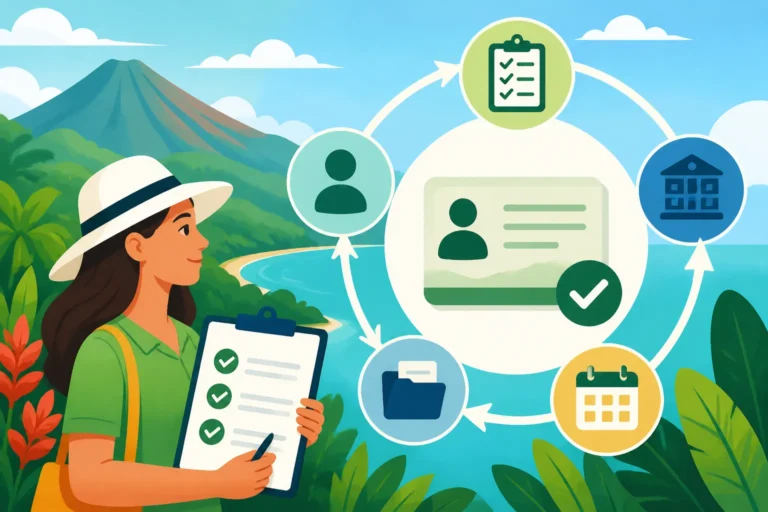
The journey from permanent resident to citizen in Costa Rica is, as you might expect, a bureaucratic marathon. It's not for the faint of heart or those who despise paperwork. But with patience, meticulous organization, and perhaps a good lawyer by your side, it's entirely achievable. The process is handled by the Civil Registry (Registro Civil), which falls under the Tribunal Supremo de Elecciones (TSE), not the immigration office (DGME) that handled your initial residency. This is a crucial distinction.
Gathering Your Arsenal of Documents
Just like when you applied for your residency, preparing your document "arsenal" is the first and often most time-consuming step. Expect a list that feels familiar, but with even more scrutiny:
- Original Birth Certificate: This must be authenticated (apostilled or legalized) in your home country and translated into Spanish by an official Costa Rican translator. This document is a perennial favorite for all official processes here.
- Criminal Record Checks: You'll need an updated criminal record check from your home country, again apostilled/legalized and translated, and a local one from Costa Rica, showing buena conducta. These can expire quickly, so ensure they are recent when submitted.
- Copies of Your Passport: Every page, front to back, including all entry and exit stamps. This helps establish your continuous presence and legal entries.
- Copies of Your Residency History: This means copies of all your past DIMEX cards, both temporary and permanent, showing the dates of issuance and expiry. This is critical for proving your continuous legal residency. Make sure you keep all these documents, even old expired cards! If you need to renew or replace your current DIMEX, understanding How to Renew or Replace Your DIMEX Card in Costa Rica is key.
- Proof of Domicile: Recent utility bills (electricity from ICE or water from AyA), a rental contract, or property title in your name.
- Proof of Economic Solvency: Bank statements, letters from employers, pension statements, or proof of investments. This demonstrates your ability to support yourself.
- A Detailed Application Form: This will be provided by the Civil Registry and must be filled out meticulously.
- Two Passport-Sized Photos.
- Tax Clearance Certificate: Proof from the Ministry of Finance (Hacienda) that you are current on all your tax obligations. This aligns with the "good conduct" requirement.
The frustration of constantly chasing down documents, getting them apostilled, then translated, then submitting them only for them to expire before the next step, is something all expats here know well. My advice? Start early, be organized, and make multiple certified copies of everything. The guide on Understanding the Documents and Apostille Needed for Residency in Costa Rica offers valuable insights that are equally relevant here.
The Citizenship Interview and Exams
This is often the most nerve-wracking part for many applicants. The Civil Registry conducts an interview and administers two key exams:
- Spanish Language Exam: This isn't just about conversational fluency. You'll be tested on your reading, writing, and comprehension skills. Expect grammar, vocabulary, and perhaps even writing a short essay. The goal is to ensure you can fully participate in Costa Rican society, understand official communications, and interact effectively. Don't underestimate this exam; even long-term residents who speak Spanish daily can struggle with the formal aspects. Practice reading local newspapers, official documents, and work on your grammar.
- Social Studies/History Exam: This exam covers Costa Rican history, geography, civics, culture, and government structure. You'll need to know about key historical figures, important dates, national symbols, the branches of government, and the fundamental rights and duties of citizens. This demonstrates your understanding and appreciation for the country's heritage and civic framework. The Tribunal Supremo de Elecciones (TSE) usually publishes a study guide or syllabus, so get your hands on that and study diligently. Many language schools or private tutors offer specific preparation courses for this exam, which can be invaluable.
The interview itself is generally conducted in Spanish and focuses on your reasons for seeking citizenship, your commitment to Costa Rica, and verification of the information in your application. It’s a chance for the officials to get to know you a bit and confirm your sincerity. Approach it respectfully and be honest.
The Role of Legal Counsel and Supporting Organizations
Given the complexity, the sheer volume of paperwork, and the critical nature of the exams, it is highly, highly recommended to hire an experienced immigration attorney specializing in naturalization. While you can try to navigate this on your own, a good lawyer will:
- Help you gather and organize all required documents, ensuring they are correctly apostilled, translated, and submitted within deadlines.
- Guide you through the application forms and ensure accuracy.
- Advise you on preparing for the exams and perhaps even connect you with tutors.
- Represent you in communications with the Civil Registry and troubleshoot any issues that arise.
- Keep track of your application's progress, which can be agonizingly slow.
Think of it this way: you've invested years of your life building a home here. Investing in professional legal help for this final step can save you immense stress, time, and potential heartache due to errors or misunderstandings. While the DGME handles The Complete Guide to Costa Rica Residency for Expats (2027), the Tribunal Supremo de Elecciones (TSE) is the authority for citizenship, and an attorney who understands both systems is invaluable.
The Realities and Rewards of Costa Rican Citizenship
So, you’ve put in the time, studied hard, passed your exams, and navigated the bureaucracy. What happens when you finally get that coveted "carta de naturalización"? And what does it truly mean to be a citizen here?
Benefits and Responsibilities
Becoming a Costa Rican citizen comes with a whole host of benefits that go beyond just residency:
- Voting Rights: You gain the right to vote in national and local elections, giving you a voice in the country's political future. This is a profound privilege and responsibility.
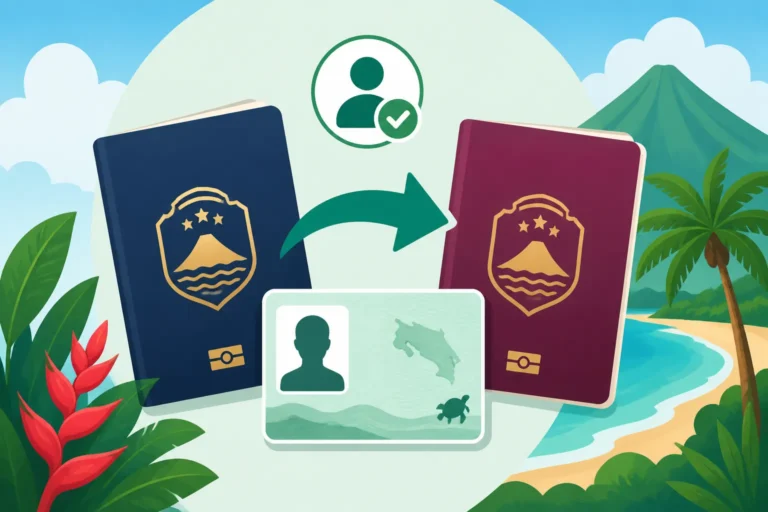
- Costa Rican Passport: You can obtain a Costa Rican passport, which offers visa-free or visa-on-arrival access to a wide range of countries, including the European Schengen Area, Canada, and many in Latin America. This can significantly simplify international travel for some.
- No More Residency Renewals: The days of worrying about renewing your DIMEX card or maintaining your continuous residency are over! You are a citizen for life (unless you renounce it).
- Full Rights and Privileges: You enjoy the same rights and privileges as native-born Costa Ricans, including the right to work in any sector (no more work permits tied to specific jobs!), own property in restricted zones (like the maritime zone which has limitations for foreigners), and hold public office. This freedom is a huge relief for many expats who felt limited by their residency status.
- Stronger Connection: Beyond the legalities, becoming a citizen often deepens your emotional connection to the country. You're no longer just living here; you're truly part of the fabric of society.
However, citizenship also comes with responsibilities:
- Civic Duties: You are expected to uphold the Constitution, respect the laws, and contribute to the well-being of the nation.
- Military Service (Though Rarely Enforced): While Costa Rica famously abolished its army, the constitution technically requires military service for citizens if it were ever reinstated. This is largely symbolic, but it's part of the legal framework.
- Tax Obligations: Your tax obligations might change slightly depending on your specific circumstances, although Costa Rica operates on a territorial tax system, meaning it generally only taxes income earned within its borders. Still, Understanding Costa Rica's Territorial Taxation of Foreign Income is crucial, and you'll always need to file accurately with Hacienda.
- Loyalty: The oath of citizenship involves loyalty to Costa Rica.
For those considering this long-term commitment, it's worth thinking about every aspect of your life here. For example, while the Caja system is robust, some expats still opt for private health insurance like Cigna Global for more choices and faster access to specialists, even as citizens, as Public vs Private Healthcare in Costa Rica: Which Should Expats Choose? explains. Being a citizen means you can now make these choices with the full backing of your legal status.
Dual Citizenship Considerations
One of the most common questions expats have is about dual citizenship: Can I keep my original citizenship if I become a Costa Rican citizen? The good news is that Costa Rica generally permits dual citizenship. This means you typically do not have to renounce your original nationality when you naturalize as a Costa Rican.
However, this is a two-sided coin. While Costa Rica may allow it, you must check the laws of your home country. Some countries do not permit their citizens to hold another nationality without formally renouncing their original one. For example, while the US generally allows dual citizenship, specific rules apply, and you still have tax obligations to your home country regardless of where you live. Always consult with legal experts in both Costa Rica and your country of origin to understand the full implications.
The implications of dual citizenship can include:
- Travel: You'll have two passports, allowing you to choose which one to use depending on your destination and visa requirements.
- Legal Protections: You might benefit from the consular protection of both countries.
- Taxation: Your tax obligations can become more complex, especially if your home country taxes its citizens on worldwide income regardless of residency (like the US).
- Military Service: Again, a rare consideration for Costa Rica, but some home countries might still have requirements.
It's a huge relief for many to know they don't have to sever ties with their birth country to fully embrace Costa Rica. It truly offers the best of both worlds.
Long-Term Outlook and What to Expect
The final reality check: the naturalization process is not fast. Even after you've submitted all your meticulously prepared documents and passed your exams, the administrative review process by the Tribunal Supremo de Elecciones (TSE) can take several years. It’s not uncommon for applicants to wait two, three, or even more years for a final decision.
This protracted timeline is another major source of frustration, especially after the already lengthy residency process. It requires immense patience and a philosophical approach. You’ve come this far, what’s a few more years, right? Keep your records updated, respond promptly to any requests for additional information, and lean on your legal counsel to keep tabs on the progress.
But when that letter finally arrives, confirming your naturalization, it’s a moment of profound accomplishment. You'll participate in a ceremony, take an oath of loyalty, and receive your carta de naturalización. You'll then be able to apply for your cédula de identidad (national ID card) and your Costa Rican passport. For those who've chosen to make Costa Rica their forever home, it's the culmination of years of effort, adaptation, and love for this incredible country. It’s a moment to truly celebrate your new identity as a Tico or Tica.
Comparing Permanent Residency and Citizenship
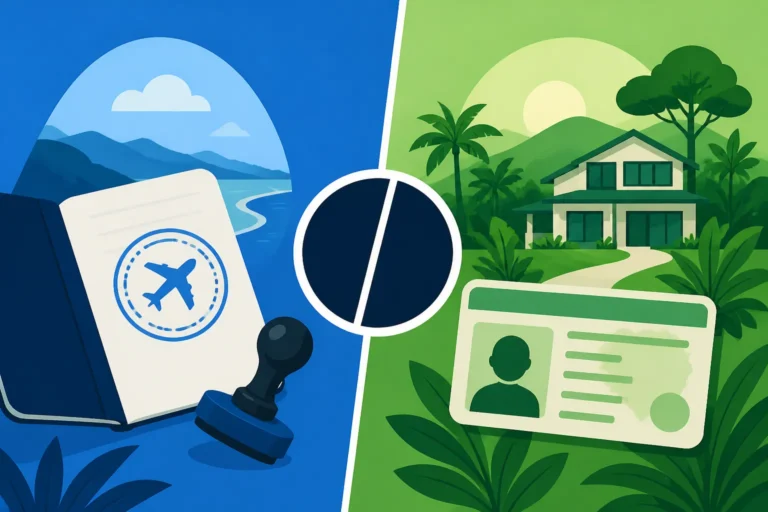
Let's quickly lay out the key differences between Permanent Residency and Naturalized Citizenship in a table, so you can see at a glance what each status entails.
| Feature | Permanent Residency (Residente Permanente) | Naturalized Citizenship (Ciudadanía) |
|---|---|---|
| Duration | Requires renewal (e.g., DIMEX every few years). | Permanent, for life. No renewals needed. |
| Voting Rights | No voting rights in national or local elections. | Full voting rights in all national and local elections. |
| Passport | Holds passport from country of origin. | Eligible for a Costa Rican passport, in addition to country of origin passport (if dual citizenship allowed). |
| Work Rights | Full work rights, but still subject to immigration status. Can't hold certain public sector jobs. | Full work rights, no restrictions. Eligible for public sector jobs. |
| Property Rights | Generally same property rights as citizens, but cannot own property in restricted zones (e.g., maritime zone). | Full property rights, including in restricted zones. |
| Travel | Travels on home country passport; may require visas for many countries. | Can travel on Costa Rican passport, offering broader visa-free access. |
| Bureaucracy | Ongoing interaction with DGME (Migración) for renewals and status changes. | Interaction with Registro Civil (TSE) for initial naturalization; minimal thereafter. |
| Obligations | Subject to Costa Rican laws, taxes, and Caja payments. | Subject to Costa Rican laws, taxes, Caja payments, and full civic duties. |
| Time to Obtain | Typically 3 years of temporary residency for most categories, or immediate for certain family ties. | Minimum 7 years of permanent residency, plus application processing time (several years). |
Disclaimer
The information provided in this article is for general guidance only and does not constitute legal, financial, or immigration advice. While we strive to keep information up-to-date, laws and regulations in Costa Rica can change frequently. Always consult with a qualified Costa Rican immigration attorney or legal professional for advice tailored to your specific situation before making any decisions related to residency or citizenship.