Are Generic Medicines Available in Costa Rican Pharmacies?
One of the most immediate concerns for any expat landing in Costa Rica, after figuring out the basics of getting around and finding a place to live, is often healthcare – and a big part of that is knowing where and how to get your medications. It's totally natural to worry about everything from finding your usual prescriptions to understanding if you'll be able to afford them. This guide is here to walk you through the ins and outs of pharmacies and, specifically, the availability and quality of generic medicines in Costa Rica, so you can breathe a little easier.
The Lay of the Land: Pharmacies and Medication in Costa Rica
When you first arrive, you might notice that pharmacies here operate a little differently than what you're used to back home. But don't fret; once you get the hang of it, you'll find it to be a relatively straightforward and often very personal experience.
The Ubiquity of Farmacias
Farmacias, or pharmacies, are everywhere in Costa Rica. Seriously, you'll find them tucked away on bustling street corners, integrated into larger supermarkets, and as standalone stores in every town, big or small. Chains like Farmacia Fischel and Farmacia La Bomba are prominent and can be found across the country, often in larger commercial centers. But don't underestimate the charm and often excellent service of the smaller, independent farmacia de la esquina (corner pharmacy), which can sometimes feel more like a community hub.
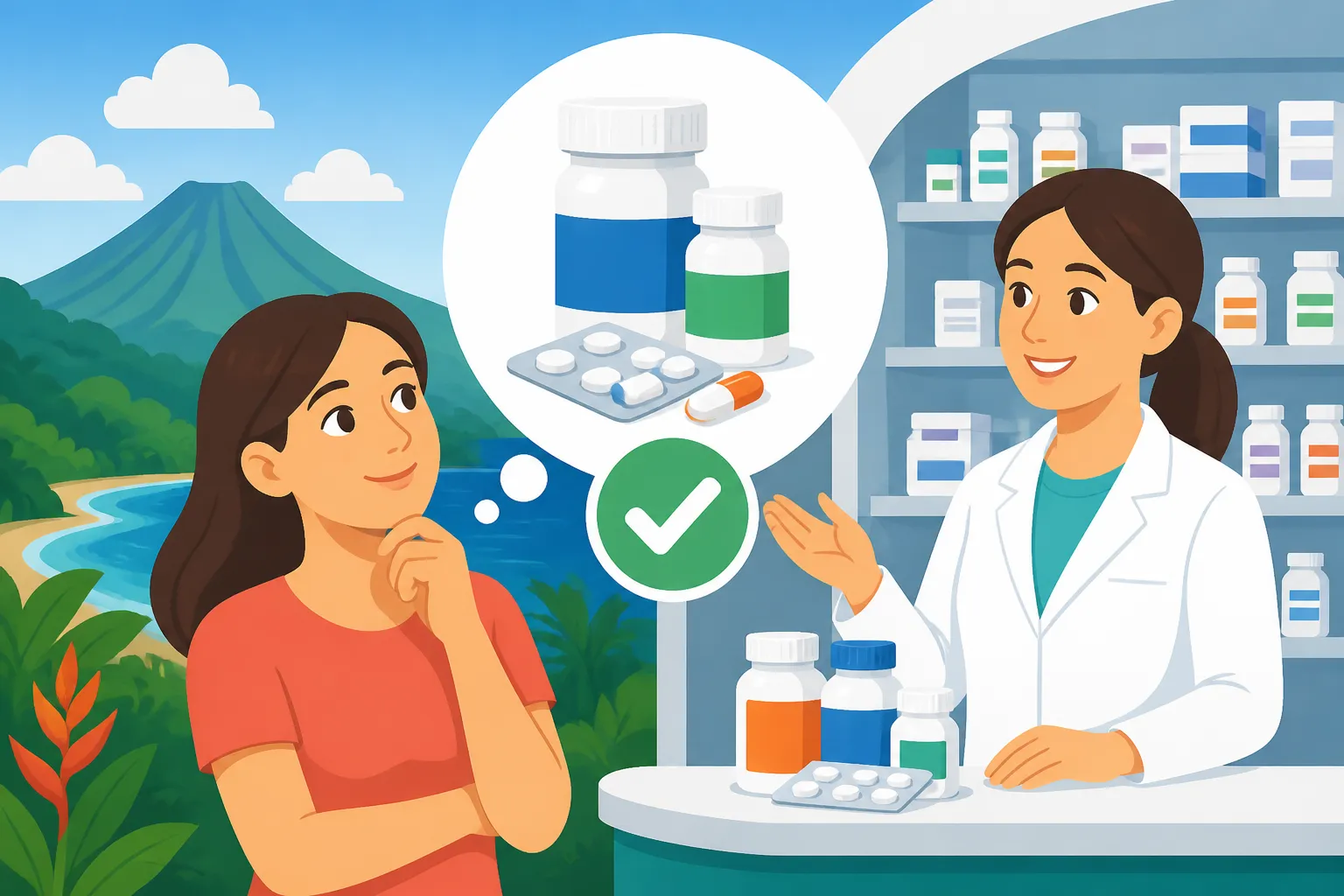
The experience inside a Costa Rican pharmacy can feel quite personal. Instead of simply grabbing items off a shelf, you'll typically approach a counter, state your needs, and the pharmacist or an assistant will retrieve the medication for you. This interaction is key, as pharmacists here often play a much more active role in advising on medication, dosages, and even minor ailments, sometimes acting as a first point of contact before a doctor's visit. It’s part of the local culture, and it’s actually a wonderful resource once you get used to it. They are often incredibly knowledgeable and can offer practical advice, especially if you're battling a common tropical bug or trying to understand local equivalents for a medication you took back home.
Understanding the Regulatory Framework
Costa Rica, despite its laid-back vibe, has a fairly robust regulatory system for medications, overseen primarily by the Ministry of Health (Ministerio de Salud). This means that any medication, whether brand-name or generic, has to go through an approval process to ensure its safety and efficacy before it can be sold to the public. This might lead to some medications you're used to from your home country not being available here, simply because they haven't gone through the local approval channels yet, or sometimes, they’ve been deemed unnecessary because a local equivalent exists.
While this regulatory process can sometimes mean a delay in new drugs reaching the market or a limited selection of specific brands, it ultimately serves to protect the consumer. You can generally trust that the medications you purchase in Costa Rican pharmacies, whether locally produced or imported, meet established quality standards. This is a common concern among expats, especially when they first encounter a new healthcare system, and it's completely valid to want reassurance about what you're putting into your body.
Deciphering Generics: Availability, Quality, and Cost Savings
Now, let's get to the heart of the matter: generic medicines. This is where many expats find significant relief, both in terms of availability and, most definitely, cost.
Are Generic Medications Readily Available?
Yes, absolutely! Generic medications are not just available in Costa Rican pharmacies; they are widely prevalent and often the standard option offered. When you present a prescription, especially from a local doctor, the pharmacist will usually offer you the generic version (medicamento genérico) first, alongside any brand-name options (medicamento de marca) if they are available and you specifically request them. This is a huge positive for expats, particularly those managing chronic conditions or who might find themselves needing unexpected treatment.
For a vast array of common health issues, from everyday aches and pains to more serious conditions like diabetes, hypertension, and various infections, you will find generic equivalents. Think antibiotics, pain relievers, anti-inflammatories, cholesterol medications, and many psychiatric drugs – they are all generally available in their generic forms. In fact, the public healthcare system, the Caja Costarricense de Seguro Social (CCSS), relies heavily on generic drugs to manage its extensive patient load, ensuring that essential treatments are accessible and affordable for everyone enrolled. This emphasis on generics means pharmacists are very familiar with them and can usually guide you to the correct option even if you're not entirely sure of the local generic name.
It's common for expats to initially worry about whether they'll be able to continue their existing medication regimens. The good news is that for most widely used medications, a generic alternative is almost certainly on hand. If you're wondering about specific prescriptions, it's always a good idea to chat with a local doctor or pharmacist, or consult a comprehensive resource like the article on Prescription Medications and Pharmacies in Costa Rica: The Complete Guide.
The Quality and Efficacy of Costa Rican Generics
A natural question that follows "Are they available?" is "Are they any good?" And again, the answer is generally reassuring: yes, Costa Rican generics are considered to be of good quality and efficacy. The regulatory bodies ensure that generic medications contain the same active ingredients, in the same dosages, and are bioequivalent to their brand-name counterparts. This means they should work in the body in the same way, producing the same therapeutic effects.
The public health system, the Caja, has a stringent procurement process and relies on these generics daily for millions of Costa Ricans. This widespread use by a trusted national institution should provide significant comfort to expats. There's a common misconception that "generic" means "inferior," but in Costa Rica, it simply means a more affordable version of a medication that has met the same rigorous standards. So, you can feel confident that you're getting effective treatment without breaking the bank. This is a crucial aspect of How Costa Rica's Health System Works: The Caja (CCSS) vs Private Explained (2027), as it ensures broad access to necessary care.
Significant Cost Savings with Generics
This is perhaps one of the biggest benefits for expats in Costa Rica. The difference in price between a brand-name drug and its generic equivalent can be substantial, often 50% to 80% cheaper, or even more. This makes managing ongoing health conditions much more financially feasible, especially if you're paying out-of-pocket before you've fully integrated into the local healthcare system or secured adequate insurance. For many, this affordability significantly lowers the overall The Cost of Healthcare in Costa Rica: A Complete Breakdown for Foreigners (2026).
Let's look at a hypothetical example. A monthly supply of a common brand-name blood pressure medication might cost you $50-70, but the generic version could easily be found for $10-20. For antibiotics, a full course might be $30-50 for a brand name, but $5-15 for the generic. These savings accumulate rapidly, especially for maintenance medications. This affordability is a huge relief and allows expats to manage their health proactively without constant financial stress. When considering your overall budget, knowing that your ongoing medication costs are significantly reduced can be a game-changer.
Here's a quick comparison of general characteristics for brand-name vs. generic medications in Costa Rica:
| Feature | Brand-Name Medication (Medicamento de Marca) | Generic Medication (Medicamento Genérico) |
|---|---|---|
| Active Ingredient | Same | Same |
| Dosage | Same | Same |
| Bioequivalence | Meets regulatory standards | Meets regulatory standards, proven bioequivalent |
| Appearance | Unique, often patented | May differ in color, shape, or packaging |
| Availability | Widely available, but sometimes limited by import/patent issues | Widely available, often the standard option offered |
| Cost | Significantly higher (due to R&D, marketing, patent protection) | Significantly lower (no R&D costs, competition drives prices down) |
| Effectiveness | High | High, same therapeutic effect |
| Regulation | Approved by Ministry of Health | Approved by Ministry of Health, subject to same quality controls |
| Prescription | Often requires one, though some common meds becoming available over-the-counter | Often requires one, though some common meds becoming available over-the-counter |
Navigating the Pharmacy for Your Prescriptions
Stepping into a farmacia with a prescription for the first time in a new country can be a bit daunting. Knowing what to expect and how to communicate effectively can make all the difference.
The Prescription Process for Expats
Generally, if you're seeing a doctor in Costa Rica, whether in the public Caja system or a private clinic, they will provide you with a written prescription (receta médica). While Costa Rica is moving towards electronic health records, paper prescriptions are still very common. This document is usually quite clear, stating the medication name (often the generic name), dosage, and instructions for use. It's a good idea to keep this paper prescription safe, as some pharmacies might want to hold onto it, or you might need it for refills. For private doctor visits, understanding How Do I Pay for a Private Doctor Visit in Costa Rica? can help you prepare financially.
One thing that might surprise you, especially if you come from a country with strict prescription rules, is that some medications that would require a prescription back home can sometimes be purchased over the counter here. This used to be quite common for certain antibiotics or other specific drugs. However, the Ministerio de Salud has been tightening regulations over the years, and pharmacists are increasingly adhering to stricter protocols, especially for antibiotics, to combat antibiotic resistance. So, while you might hear old expat tales of getting anything you want without a prescription, it's safer and generally necessary to have a doctor's order for most medications, especially anything beyond basic pain relievers or cold remedies. Always assume you need a prescription unless explicitly told otherwise. If you're unsure, you can always ask a pharmacist, "Is this venta libre?" (Is this over-the-counter?). For more on specific cases, check out Can I Buy Antibiotics Over the Counter in Costa Rica?.
Language Barriers and Communication
This is where the rubber meets the road for many new arrivals. While many pharmacists, particularly in tourist areas or larger cities like San José or Escazú, might speak some English, it's not guaranteed. Knowing a few key Spanish phrases can be incredibly helpful. Don't be afraid to pull out your phone and use a translation app to clearly communicate your needs. Showing the pharmacist your written prescription is, of course, the easiest way to avoid miscommunication.
When you hand over your prescription, make sure to:
- State the active ingredient: If you know the generic name or active ingredient from your home country, mention that (el principio activo es…). This helps them find the Costa Rican equivalent.
- Clarify dosage: Double-check the dosage and how many pills to take (¿Cuántas debo tomar?).
- Mention allergies: Crucial for your safety (Tengo alergia a…).
- Ask for instructions: Confirm how to take the medication (¿Cómo se toma?).
Even with a language barrier, most pharmacists are incredibly patient and dedicated to helping. They understand that a foreigner's health is in their hands. The detailed guidance in Understanding the Costa Rican Pharmacy (Farmacia) System can further help you prepare for these interactions.
Practical Tips for Sourcing Specific Medications
If you're looking for a very specific brand-name medication that isn't commonly found in Costa Rica, or a lesser-used generic, you might need to do a little legwork. My advice, from years of living here, is:
- Ask for the principio activo (active ingredient): Always, always ask for the medication by its active ingredient, not just a brand name. This is the universal language of medicine.
- Check multiple pharmacies: If one pharmacy doesn't have it, don't give up! Smaller pharmacies might have it tucked away, or larger chains might be able to order it. Sometimes, different branches of the same chain (e.g., Farmacia Fischel) might have varying stock levels.
- Consult your doctor: If you're struggling to find something, go back to your doctor. They often know which pharmacies are better stocked for specific items or can suggest an alternative medication with the same active ingredients. This is part of the comprehensive advice you'd find in What Documents Do I Need to See a Doctor in Costa Rica?.
- Keep original packaging (if bringing from home): If you've brought a small supply of a crucial medication from home, keep the original packaging. This clearly shows the active ingredient and dosage, which is incredibly helpful for a Costa Rican pharmacist or doctor trying to find an equivalent.
- Consider private hospitals' pharmacies: The pharmacies at major private hospitals like Clínica Bíblica, Hospital CIMA, or Hospital Metropolitano often have a wider range of medications, including more specialized or less common ones, compared to smaller community pharmacies. However, expect prices to be higher there.
Remember, having a good plan for healthcare is essential. Before you're fully settled, having reliable travel insurance, like SafetyWing, can be a lifesaver. It can cover unexpected medical emergencies or the initial costs of seeing a private doctor and getting those first few prescriptions filled if your local setup isn't complete. While you're still figuring out The Expat Guide to Joining the Caja (CCSS) in Costa Rica (2027), having that safety net for things like emergency medical care is priceless. SafetyWing is often popular with digital nomads and long-term travelers because it's designed to be flexible and understands the unique needs of people living abroad. It's an excellent stop-gap or supplementary option when you're still navigating the initial complexities of the local system, especially if you need to quickly access private care and get a prescription filled without waiting.
Finding your way around Costa Rican pharmacies and understanding the world of generic medicines is a key step in feeling truly at home here. While it might take a little adjusting, you'll soon appreciate the accessibility and affordability that Tico healthcare offers.
Disclaimer
The information provided in this guide is intended for general informational purposes only and does not constitute medical advice. While every effort has been made to ensure accuracy, regulations and availability can change. Always consult with a qualified healthcare professional or pharmacist in Costa Rica for personalized medical advice and current information regarding medications and health services. This guide does not endorse specific medical treatments or products.