How Much Does Physical Therapy Cost per Session in Costa Rica?
Trying to figure out how much anything really costs in Costa Rica as an expat can feel like a wild goose chase, especially when it comes to something as specific as physical therapy. You're probably used to a system where prices are clear, but here, it often feels like you need a secret decoder ring. This guide will cut through the noise, giving you a clear, realistic picture of what to expect for physical therapy sessions, whether you're navigating the public "Caja" system or opting for private care.
Understanding the Landscape of Physical Therapy in Costa Rica
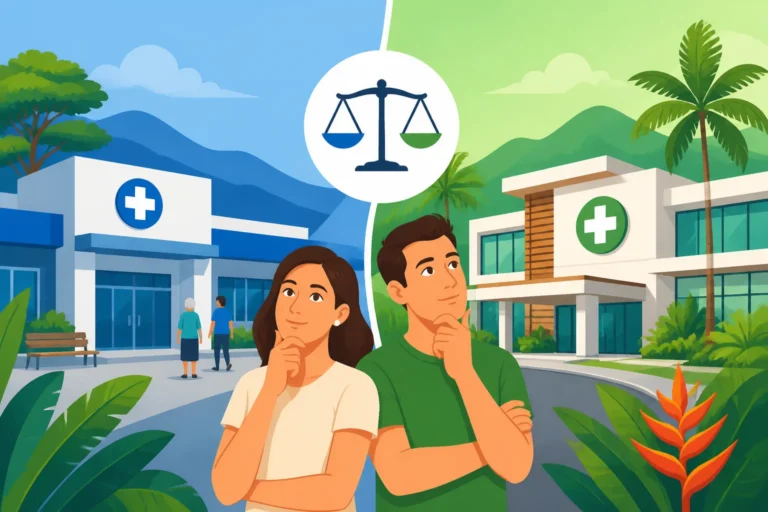
Before we dive into the numbers, it's crucial to understand the two main avenues for physical therapy in Costa Rica: the public healthcare system, known as the Caja Costarricense de Seguro Social (CCSS), or simply "Caja," and the private sector. Each has its own distinct characteristics, benefits, and, most importantly, cost implications for foreigners.
Public (Caja) vs. Private Options
The Caja system is a source of immense pride for Costa Ricans, offering universal healthcare that includes physical therapy. If you're a legal resident and contributing to the Caja, you are entitled to physical therapy services without direct, per-session costs. Sounds great, right? Well, like many public systems, it comes with its own set of challenges, primarily wait times and, occasionally, a difference in the types of equipment or intensity of one-on-one time you might be accustomed to in your home country.
To even access physical therapy through the Caja, you'll first need a referral from a Caja doctor, typically a general practitioner from your local EBAIS clinic, and then potentially a specialist. The waiting list for an initial evaluation with a physical therapist can be weeks or even months long, depending on your region and the urgency of your case. Once you're in, the sessions themselves are "free" in terms of direct payment, but they might be group-based, shorter, or less frequent than you'd prefer for a quicker recovery. It's a fantastic safety net, but for acute injuries or specific needs requiring immediate or intensive care, it can be a test of patience. Understanding the difference between the Caja and Private Insurance in Costa Rica is key to managing these expectations.
On the other hand, the private sector offers speed, convenience, and often more personalized attention. You can typically get an appointment within days, sometimes even the same day, and you don't necessarily need a doctor's referral to start (though it's always recommended for proper diagnosis). Private clinics range from small, independent practices to larger rehabilitation centers attached to private hospitals. This is where the majority of expats find themselves for physical therapy, especially if they have private insurance or are willing to pay out-of-pocket for faster, more tailored treatment.
Factors Influencing Private Session Costs
The cost of a private physical therapy session in Costa Rica isn't a fixed price tag; it's a dynamic figure influenced by several factors. Think of it like buying a car: there's a base model, and then there are all the upgrades and options that push the price up or down.
First off, location plays a huge role. Clinics in more affluent areas like Escazú, Santa Ana, or parts of Heredia, particularly those frequented by expats and offering English-speaking staff, tend to have higher prices. Conversely, clinics in less touristy or metropolitan areas might offer more budget-friendly rates. It's a simple supply-and-demand economic principle at play.
Next, the therapist's experience and specialization will impact the cost. A physical therapist with decades of experience, advanced certifications in specific areas like sports medicine, manual therapy, or neurological rehabilitation, will naturally charge more than a newly graduated therapist. Some clinics might even have different price tiers based on the seniority of their staff.
The type and duration of the treatment itself also matters. A standard 45-minute to one-hour session of general rehabilitation will have a baseline cost. However, if your treatment requires specialized equipment, like advanced electrotherapy, specific dry needling, or extensive manual manipulation techniques, the price could be higher. Some clinics offer longer, more intensive sessions, which will, of course, increase the per-session fee.
Finally, the clinic's facilities and amenities contribute to the cost. A modern clinic with state-of-the-art equipment, private treatment rooms, comfortable waiting areas, and perhaps even a gym for rehabilitative exercises, will likely have higher overheads that are reflected in their prices. Boutique clinics offering a spa-like experience or comprehensive wellness programs will certainly be at the higher end of the spectrum.
A Detailed Breakdown of Private Physical Therapy Costs
Let's get down to the brass tacks. What can you actually expect to pay out of your wallet for physical therapy sessions in Costa Rica? The good news is, it's generally more affordable than in North America or many European countries, but "affordable" is a relative term, right?
Typical Price Ranges for Individual Sessions
Based on what I've seen and heard from other expats over the years, a single, private physical therapy session in Costa Rica can range quite a bit.
For a standard, individual session lasting 45-60 minutes, you're generally looking at:
- Entry-level clinics or less urban areas: $40 – $60 USD per session. These might be smaller, independent clinics, perhaps with less modern equipment, but often with very dedicated therapists. You might find some excellent care here if you're willing to do a bit of searching and don't mind a more "local" feel.
- Mid-range clinics in city centers or popular expat towns: $60 – $80 USD per session. This is probably the most common price point. You'll get good facilities, experienced therapists, and a comfortable environment. Many English-speaking therapists operate in this range.
- High-end clinics, private hospital-affiliated centers (like those associated with CIMA, Clinica Biblica, or Hospital Metropolitano), or specialized practices: $80 – $120+ USD per session. These clinics often boast the latest technology, highly specialized therapists, and a more luxurious or comprehensive patient experience. If you're looking for very specific treatments or want the absolute best facilities, this is where you'll be paying more.
It's important to remember these are cash prices. If you're going through insurance, the billed amount might be slightly different, but these are solid benchmarks for your out-of-pocket planning. Just to give you a clearer picture, here's a rough breakdown:
| Clinic Type / Location | Estimated Cost Per Session (USD) | Common Features |
|---|---|---|
| Local/Entry-Level | $40 – $60 | Smaller clinics, basic equipment, personalized but no-frills, often Spanish-only |
| Mid-Range/Expat-Friendly | $60 – $80 | Good facilities, experienced therapists, English available, good value |
| High-End/Specialized/Hospital | $80 – $120+ | State-of-the-art equipment, highly specialized, premium service, luxurious settings |
Keep in mind that some clinics might offer slightly shorter sessions (30 minutes) for a reduced rate, or longer, more intensive ones (90 minutes) at a higher proportionate cost. Always clarify the session duration when inquiring about prices.
Packages and Long-Term Treatment Savings
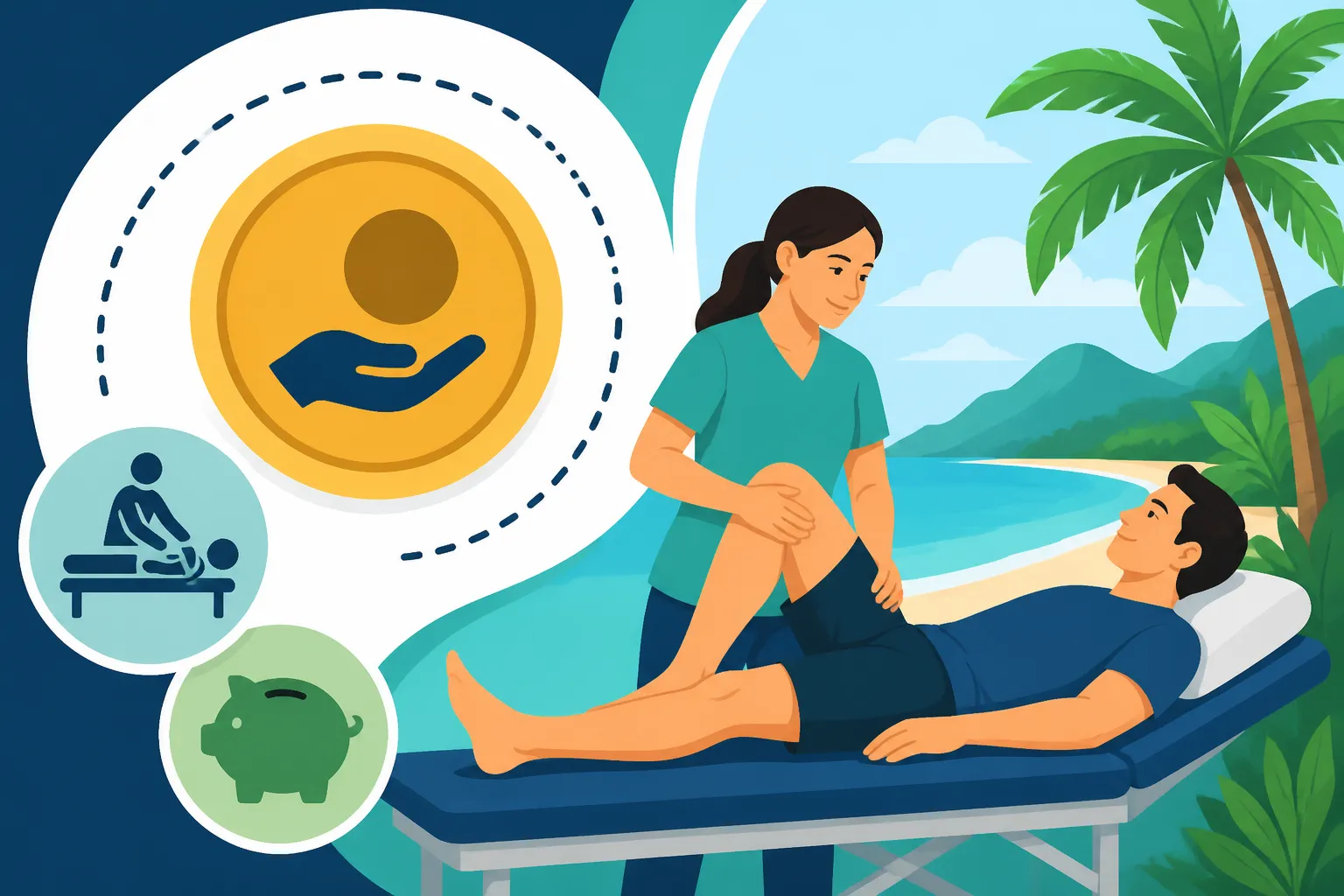
If your physical therapist recommends a course of multiple sessions – which is usually the case for effective rehabilitation – it's always worth asking about package deals. Many private clinics offer discounts when you commit to a block of sessions upfront. This can be a smart way to save money if you know you'll need ongoing care.
For instance, instead of paying $70 per session, a clinic might offer a package of 5 sessions for $300 (saving you $50) or 10 sessions for $550 (saving you $150). These packages are designed to encourage consistency in treatment and provide a financial incentive. Don't be shy about asking for these options, even if they're not explicitly advertised. A friendly chat with the clinic's administrative staff can often reveal these kinds of savings.
Sometimes, clinics might also have introductory offers for new clients, or a slightly reduced rate for initial consultations versus follow-up sessions. Always ask for their full pricing structure, including any special offers or packages. This is particularly relevant if you're dealing with a chronic issue that requires long-term management, where even small per-session savings can add up considerably over time.
Navigating Insurance and Payment for Physical Therapy
The topic of insurance and how it interacts with physical therapy costs in Costa Rica can be a bit of a maze. As an expat, you're likely juggling several options: the mandatory Caja, local private insurance, or international health insurance. Let's break down how each typically handles physical therapy.
Public Caja Coverage and Its Limitations
As mentioned, once you're a legal resident and contributing to the Caja, physical therapy is covered. However, it’s not as simple as walking in and demanding treatment. The process involves:
- Doctor's Referral: You'll need an initial consultation with your EBAIS doctor, who will assess your condition and, if deemed necessary, refer you to a physical therapist within the Caja system. This initial appointment can sometimes take a week or two to get.
- Specialist Referral (Sometimes): For more complex cases, your EBAIS doctor might refer you to a specialist (e.g., an orthopedist) within the Caja first, who then provides the physical therapy referral. This adds another layer of waiting time.
- Waiting Lists for PT: This is often the biggest hurdle. The waiting list for an initial physical therapy evaluation and subsequent sessions can be significant. I've heard stories of expats waiting for months, especially for non-urgent conditions. For acute injuries where timely intervention is crucial, these waits can be agonizing and, frankly, detrimental to recovery.
- Nature of Sessions: Caja physical therapy sessions are often more standardized and, at times, group-oriented due to the high volume of patients. You might not get the same amount of one-on-one time or access to the very latest niche equipment that a private clinic offers.
While the Caja system is invaluable for its comprehensive coverage, its limitations in terms of wait times and personalized care often push expats towards private physical therapy, even if they are fully enrolled in the public system. It’s a common scenario to use the Caja for basic healthcare needs, but then supplement with private care for specialists or therapies requiring quicker access. For more details on the public system, you can read about The Expat Guide to Joining the Caja (CCSS) in Costa Rica (2027).
Private Local and International Insurance Reimbursement
This is where things get a bit more complex, but also more flexible.
Local Private Insurance (e.g., INS):
Costa Rica's national insurance provider, INS (Instituto Nacional de Seguros), offers a variety of private health insurance plans. Many expats opt for these plans as they are designed for the local market and are often more affordable than international options.
- Direct Billing: Some INS plans might have agreements with specific private physical therapy clinics for direct billing, meaning you pay a co-payment, and the insurance covers the rest. This is convenient but not universally available at all clinics.
- Reimbursement: More commonly, you'll pay for your physical therapy sessions out-of-pocket and then submit the invoices to INS for reimbursement. The percentage of reimbursement will depend entirely on your specific policy. It could be anywhere from 60% to 90% after you meet your deductible. You’ll need a detailed invoice (factura) from the clinic, and often a doctor's referral or prescription for physical therapy, to facilitate the claim. Understanding INS Health Insurance Plans in Costa Rica can help you choose the right one.
International Health Insurance:
Many expats arrive in Costa Rica with international health insurance plans. These plans are typically designed for global coverage and offer excellent flexibility.
- Network vs. Out-of-Network: Your international plan might have a network of preferred providers in Costa Rica, or it might allow you to go to any licensed physical therapist and get reimbursed. Check your policy for specifics.
- Direct Billing (Less Common): Direct billing with international insurance is less common for physical therapy sessions compared to, say, major hospital procedures. You'll most likely pay upfront and then seek reimbursement.
- Reimbursement Process: The reimbursement process is similar to local private insurance: pay for your sessions, obtain detailed invoices and a doctor's referral (crucial for international claims), and submit them to your insurance provider. You might need to fill out specific claim forms provided by your insurer. Companies like SafetyWing offer flexible, global health insurance options that can be a good fit for digital nomads and expats. Their plans are designed for those on the move and often provide a clear, user-friendly process for submitting claims for medical expenses like physical therapy, even if you pay upfront.
- Deductibles and Co-insurance: Remember to factor in your plan's deductible and co-insurance rates. You'll need to pay these out-of-pocket before your insurance kicks in fully.
It’s always a good idea to contact your insurance provider before starting a course of physical therapy to understand your coverage, reimbursement rates, and any specific documentation requirements. This can save you a lot of headaches and unexpected costs down the line. Knowing How to Claim Reimbursement from INS or Private Insurance in Costa Rica will be incredibly useful.
Real-World Scenarios and Money-Saving Tips
Let's look at some practical scenarios and how you can manage the costs effectively, drawing from what I and other expats have learned firsthand.
Hypothetical Treatment Plans and Their Associated Costs
Imagine three different scenarios:
Scenario 1: The Weekend Warrior's Sprained Ankle
You're playing beach volleyball in Tamarindo, take a bad step, and now your ankle is throbbing. It's painful, but not severe enough for an ER visit. You want to get back on your feet quickly.
- Initial Action: You see an English-speaking general practitioner privately in Tamarindo (cost: $60-$80) who diagnoses a mild sprain and recommends 5-7 physical therapy sessions.
- PT Plan: You find a mid-range private clinic in town. They offer a 5-session package for $350 (or $70 per session if paid individually).
- Total Out-of-Pocket (before insurance): ~$410 – $430 (doctor + 5 PT sessions).
- Insurance Impact: If you have an international plan like SafetyWing or a good local INS policy, you might get 70-80% of this reimbursed after your deductible, bringing your personal cost down significantly.
Scenario 2: Chronic Lower Back Pain Management
You've had nagging lower back pain for years, and it's flared up again. You need ongoing maintenance, not just acute treatment.
- Initial Action: You might have an existing doctor's referral or decide to self-refer to a specialized clinic in San José known for back pain. Initial consultation at the clinic (often included in the first session's higher rate) costs $100.
- PT Plan: The therapist recommends a longer course of 12 sessions, perhaps twice a week for six weeks, followed by monthly maintenance. The clinic offers a 10-session package for $700 (saving $100 off individual $80 sessions). You decide to buy two such packages over several months.
- Total Out-of-Pocket (before insurance for 10 sessions): $700.
- Insurance Impact: For chronic conditions, some insurance policies might have limits on the number of PT sessions covered per year or may require strict ongoing doctor's referrals. Always check these details. If covered, SafetyWing or INS could reimburse a substantial portion.
Scenario 3: Post-Surgery Rehabilitation
You had knee surgery (perhaps even as part of medical tourism in Costa Rica) and now need intensive post-operative physical therapy, three times a week for two months, followed by less frequent sessions.
- Initial Action: Your surgeon provides a clear referral for intensive physical therapy. You opt for a high-end clinic attached to one of the major private hospitals like CIMA or Clinica Biblica for continuity of care.
- PT Plan: The clinic charges $100 per session. They don't offer package deals for this intensive level but provide detailed invoices. You need 24 sessions over two months.
- Total Out-of-Pocket (before insurance): $2,400.
- Insurance Impact: This is where good private or international insurance is absolutely critical. Post-operative physical therapy is usually well-covered, especially with a clear medical necessity. You would likely pay upfront and then claim a large portion back. Without robust insurance, this could be a significant financial burden.
These scenarios illustrate that while individual session costs are manageable, the total cost for a full course of treatment can add up.
Ways to Reduce Your Out-of-Pocket Expenses
Even with good insurance, there are always strategies to keep your costs down and ensure you're getting the most value for your money:
- Ask for Package Deals and Discounts: As discussed, always inquire about discounts for booking multiple sessions upfront. Some clinics might also offer a small cash discount if you pay in full rather than splitting payments.
- Clarify Insurance Coverage Before Treatment: Before your first private physical therapy session, call your insurance provider. Confirm what percentage of physical therapy is covered, if there's a limit on the number of sessions, and exactly what documentation they require for reimbursement (e.g., doctor's referral, specific billing codes, itemized invoices). Don't assume; get it in writing if possible.
- Get a Doctor's Referral: Even if a private clinic doesn't require one for treatment, your insurance almost certainly will for reimbursement. A clear, detailed referral from a local doctor (even a private one) outlining the diagnosis and prescribed therapy will significantly streamline your reimbursement claims. You can even consider getting a referral from a How to Find an English-Speaking Doctor in Costa Rica if language is a barrier.
- Consider the "Best Value" vs. "Cheapest": While it's tempting to go for the lowest price, consider the overall value. A slightly more expensive therapist who provides excellent, effective treatment might get you better results in fewer sessions, ultimately saving you money and pain in the long run. Look for clinics with good reviews or personal recommendations from other expats.
- Explore Clinics Outside of Expat Hubs (if feasible): If you're able to travel a bit, or live outside the immediate San José Greater Metropolitan Area (GAM) expat bubbles like Escazú, you might find equally competent physical therapists at a lower price point.
- Utilize Public Resources for Maintenance: If your primary issue has been resolved privately but you need ongoing maintenance exercises or general guidance, you could explore if the Caja system can pick up routine, less intensive follow-up sessions, assuming you can tolerate the wait times. This is an option best explored after your acute phase of recovery.
- Negotiate (Respectfully): While not always possible, especially at larger institutions, smaller, independent clinics sometimes have a little wiggle room, particularly if you're paying in cash for a long course of treatment. Approach this respectfully, focusing on your financial constraints and long-term commitment.
Navigating physical therapy costs in Costa Rica can feel like a lot to handle, but with a bit of research and proactive communication, you can find quality care that fits your budget and helps you get back to enjoying life in this beautiful country. Remember, your health is worth investing in, so make informed choices!
Disclaimer
The information provided in this article is for general informational purposes only and does not constitute professional medical, legal, or financial advice. Costs and regulations in Costa Rica are subject to change. It is highly recommended to consult with a qualified physical therapist, insurance provider, and/or legal professional for advice tailored to your specific situation. We are not responsible for any decisions made based on this information.