Understanding How to Prepare for the Rainy Season in Costa Rica
Ah, the temporada de lluvias, or rainy season in Costa Rica. If you're new to this beautiful country, you've likely heard hushed warnings, or perhaps experienced the sudden, dramatic downpours that can make you wonder if your roof is suddenly a sieve. It’s not just about getting wet; it's a fundamental shift in daily life, impacting everything from your commute to your mood. This guide will walk you through everything you need to know to not just survive, but truly thrive during Costa Rica's green season.
Understanding the Rainy Season: More Than Just "Rain"
When you hear "rainy season" in Costa Rica, it's easy to picture months of non-stop, miserable drizzle. But let me tell you, as someone who’s lived through quite a few of them, that's rarely the reality. It's a complex, dynamic period that offers its own unique charm, challenges, and rhythms. Understanding these nuances is key to truly settling in and appreciating this time of year.
The Temporada de Lluvias Calendar
Generally speaking, the rainy season in most parts of Costa Rica, particularly the Central Valley and Pacific regions, kicks off around May and runs through November. Sometimes it starts a little earlier, sometimes a little later, and the intensity can vary from year to year. The crucial thing to remember is that it's seldom a continuous deluge. You'll often wake up to glorious sunshine, enjoy a beautiful morning, and then, like clockwork, the clouds roll in around 1 PM or 2 PM, unleashing a powerful downpour for a few hours. By late afternoon or early evening, it often clears up again, leaving behind a freshly washed, vibrant landscape.
These afternoon showers, while intense, are part of the rhythm. They cool everything down, clear the air, and contribute to the incredible biodiversity that makes Costa Rica so famous. Don't be surprised if your afternoon plans shift to accommodate this schedule; ticos have been doing it for generations, and you'll quickly adapt too. It's all part of the experience, learning to live al tico.
Regional Variations: Pacific vs. Caribbean vs. Central Valley
Now, here's where it gets really interesting, and often confuses newcomers. Costa Rica has multiple microclimates, meaning "rainy season" isn't a one-size-fits-all definition across the entire country. If you're pondering where to settle, or just planning a trip, this is vital information to consider, which is why a resource like "Understanding the Best Towns and Regions for Expats in Costa Rica" can be so valuable.
On the Pacific side, including popular expat spots like Guanacaste, the Central Pacific (Jaco, Manuel Antonio), and the Southern Zone (Dominical, Uvita), the rainy season generally follows the May-November pattern I described. The further south you go on the Pacific, the heavier and longer the rains tend to be, often starting earlier and finishing later. Up north in Guanacaste, it's often drier even during the green season, but when it rains, it pours. The Caribbean coast, however, dances to its own drum. Areas like Limón and Puerto Viejo experience their heaviest rains during what's considered the "dry season" on the Pacific side, particularly from November to January and again in June and July. This means if you're craving sun during the height of the Pacific rainy season, the Caribbean might be your escape! The Central Valley, where San José and surrounding areas like Escazú and Heredia are located, experiences a very classic rainy season pattern, with predictable afternoon showers. It’s usually a moderate amount of rain, enough to keep things green without being constantly drenched.
The Myth of Non-Stop Rain
Let's bust this myth right now: the rainy season is not a non-stop, gloomy, eight-month-long downpour. While there will certainly be days, or even weeks, of more consistent rain, especially towards October and November which are historically the wettest months, it’s far more common to have beautiful mornings followed by intense afternoon rain. This is a crucial distinction that many people moving from temperate climates often struggle with. You'll still get plenty of sunshine to enjoy the beach, go for hikes, or simply sit on your terraza with a coffee.
In fact, many expats come to love the rainy season. The landscape transforms into an unbelievably lush, vibrant green, waterfalls are at their most spectacular, and the air feels clean and fresh after a good rain. Plus, it’s a wonderful excuse to slow down, read a book, or enjoy a quiet afternoon at home. Embrace it for what it is: a different, but equally beautiful, side of Costa Rica.
Practical Preparations for Your Home
Once you understand the rhythm of the rainy season, your next step is to prepare your home. The reality is, the heavy rains and constant humidity can take a toll on your living space, and a little foresight can save you a lot of headaches, and potentially money, down the road.
Humidity Control and Mold Prevention
This is probably one of the biggest battles you’ll face during the rainy season. The air here can feel incredibly thick, and that constant dampness is a breeding ground for mold and mildew. This isn't just an aesthetic issue; it can be a serious health concern, especially for those with allergies or respiratory problems.
Invest in good dehumidifiers – seriously, they are your best friends here. Placing them in strategic areas like bedrooms, closets, and any rooms that feel particularly damp can make a huge difference. You'll be amazed at how much water these machines pull out of the air. Also, consider products like DampRid (or similar local brands) for smaller, enclosed spaces like drawers and wardrobes. Keep your clothes, especially leather items, as dry as possible. Regularly open windows and doors during dry spells, particularly in the mornings, to get some airflow, even if it feels counterintuitive when it's humid outside. You might also want to look into moisture-absorbing packets for electronics that are not in use or for storing important documents.
Water Management: Gutters, Drainage, and Power Outages
The sheer volume of water that can fall in a short period is staggering. Well-maintained gutters and proper drainage around your property are absolutely non-negotiable. If your rental home has clogged gutters, ask your landlord to clear them, or if you own, make it a regular maintenance task. Improper drainage can lead to water pooling, which attracts mosquitos (more on that later!) and can even cause structural damage to your home.
Beyond immediate water management, prepare for the inevitable: power outages. While ICE (the national electricity company) is generally reliable, heavy rains, lightning, and strong winds can and do knock out power, sometimes for a few hours, sometimes for a full day or more. This is where your understanding of The Expat Guide to Setting Up Utilities (ICE/AyA) in Costa Rica comes in handy, especially knowing how to report outages. Keep flashlights, candles, and a good supply of batteries on hand. A portable power bank for charging your phone and other small devices is also a lifesaver. Some expats even invest in small generators if they live in an area prone to frequent or prolonged outages.
Protecting Your Electronics and Valuables
Given the humidity and the risk of power surges during storms, your electronics need extra protection. Surge protectors are a must for all your valuable devices – computers, TVs, kitchen appliances. When lightning storms are really intense, it's often wise to unplug sensitive electronics entirely. I've heard too many stories of fried modems and TVs from direct lightning strikes or surges.
For important documents, photographs, and other valuables that are susceptible to moisture, invest in waterproof containers or sealable bags. Even a simple plastic tub with a lid can offer significant protection against ambient humidity and accidental leaks. If you're just moving here, remembering how essential it is to properly pack these things, perhaps with the help of a service like Sirelo, can save you a lot of hassle later. Think about what you'd be heartbroken to lose to mold or water damage, and then proactive measures to safeguard it.
Getting Around During the Temporada de Lluvias
The rainy season doesn't mean you're stuck at home, but it definitely means adjusting how you plan to travel, whether it's a short hop to the supermercado or a longer road trip across the country. Road conditions can change rapidly, and flexibility becomes your best friend.
Navigating Wet Roads and Landslides
Driving in Costa Rica is already an adventure, and the rainy season ups the ante. Roads can become incredibly slick, and visibility can drop to near zero during a heavy downpour. It’s crucial to drive slower, maintain greater distances from other vehicles, and ensure your tires are in good condition. If you need a refresher on local driving nuances, check out Driving in Costa Rica: Licenses, Registration and Rules for Expats (2027).
Beyond wet roads, the biggest concern is landslides, or deslizamientos. These are unfortunately common, especially on mountainous routes or roads along riverbanks. Always check local news and social media for road closures before embarking on a long journey, particularly after prolonged heavy rains. Waze is an excellent app for real-time traffic and road condition updates from other drivers. If you encounter a flooded road or a small landslide, never attempt to cross it; find an alternative route or wait it out. Safety first, always.
Public Transportation and Ride-Sharing Adjustments
If you rely on public transport, be prepared for delays. Buses might run late due to traffic, road conditions, or detours. Always factor in extra travel time. The Expat Guide to Public Transport in Costa Rica is a good resource for understanding the system, but remember that schedules can be more fluid in the rain. Carry a good umbrella and wear appropriate footwear if you'll be walking to and from bus stops.
Ride-sharing services like Uber and Didi are widely available in urban centers like San José. They can be a godsend during heavy rains when you don’t want to walk or drive. However, surge pricing is common during peak rainy hours, and sometimes drivers might cancel if the conditions are too challenging for their vehicle or the route. Always be patient and understanding; remember, they're navigating the same difficult conditions you are.
Essential Gear for Outings
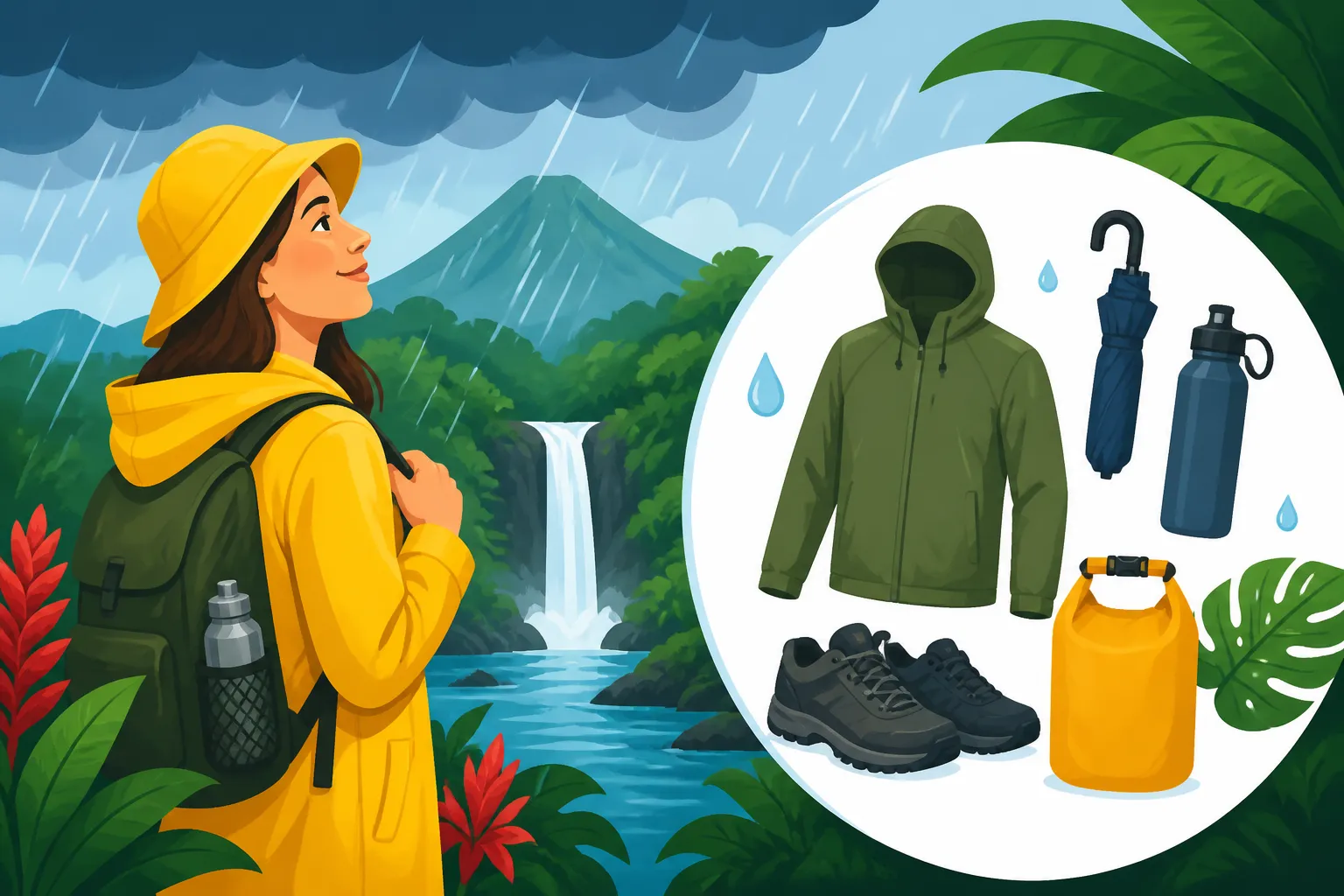
Gone are the days of stepping out without a thought. During the rainy season, you need a "rainy day kit" for every outing. A sturdy umbrella is non-negotiable. Forget those flimsy ones that flip inside out; you need something robust. A lightweight rain jacket or poncho is also essential, even if you’re just running errands. It's surprising how quickly a sunny morning can turn into a deluge.
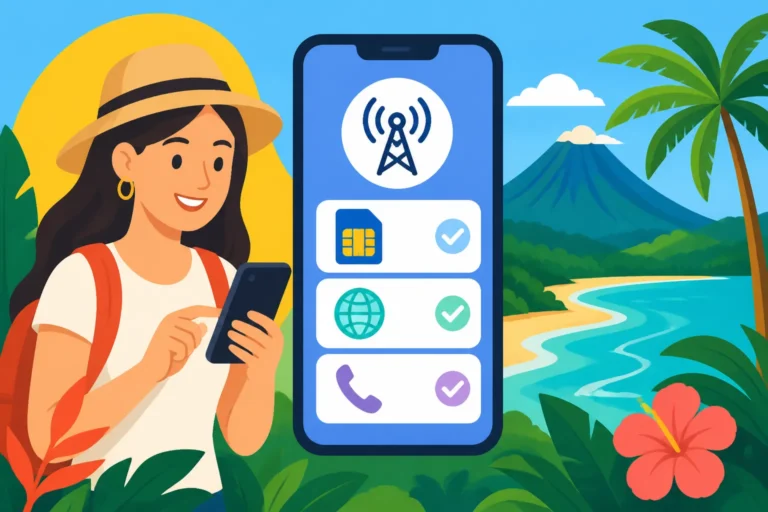
Footwear is another critical consideration. Those cute sandals might not be practical when you're wading through puddles or navigating muddy paths. Water-resistant shoes or sandals with good grip are ideal. Keep a change of clothes or at least socks in your car if you drive, especially if you have an active lifestyle. And don't forget waterproof bags or covers for your backpack or purse to protect your phone, wallet, and any important documents. You can also pick up a local SIM card and consider an eSIM like Airalo for backup connectivity, especially when you’re out and about and might need to check weather updates or call for a ride.
Staying Healthy and Happy During the Green Season
The rainy season isn't just about external preparations; it also impacts your well-being. Dealing with increased insect activity, potential health issues, and even mood shifts are all part of the expat experience here.
Managing Mosquitos and Other Pests
With the increased moisture comes an inevitable increase in mosquito populations, and with them, the risk of mosquito-borne illnesses like dengue, Zika, and chikungunya. This is a serious concern, so prevention is key. Screen all your windows and doors to prevent them from getting into your home. If your screens have holes, fix them promptly.
Beyond that, eliminate any standing water around your property – even a small amount in a plant pot can become a breeding ground. Use insect repellent, especially during dawn and dusk, which are peak mosquito hours. Long-sleeved shirts and long pants, particularly if you're in a rural or heavily vegetated area, also offer good protection. For managing a home medical kit, particularly with things like anti-itch creams or fever reducers, check out What Should I Pack in a Home Medical Kit for Costa Rica?.
Battling the "Rainy Season Blues"
The endless sunshine that draws many people to Costa Rica can feel a world away when you're in the middle of a prolonged rainy spell. It's totally normal to feel a bit down or experience what some call "rainy season blues." The reduced daylight hours and the constant dampness can impact your mood and energy levels.
Acknowledge these feelings; don't just dismiss them. Try to maintain a routine, get outside during sunny mornings, and make sure your indoor spaces are bright and comfortable. Connecting with friends, pursuing hobbies that can be done indoors, and generally practicing self-care are essential. Perhaps it's a good time to explore your creativity or catch up on reading. If you find yourself struggling significantly with your mood, remember that mental health support is available here, and resources like "How to Access Mental Health Services in Costa Rica as an Expat" can help guide you to English-speaking professionals.
Keeping Your Home Fresh and Clean
The perpetual dampness can lead to a musty smell in your home. Combat this with good ventilation whenever possible. Running fans, even ceiling fans, can help circulate air and prevent stagnant moisture. You might also want to invest in essential oil diffusers or air purifiers to keep the air feeling fresh.
Regular cleaning is even more important during the rainy season. Wipe down surfaces frequently, especially in bathrooms and kitchens, to prevent mold from taking hold. Pay attention to dark, hidden corners and behind furniture. Laundry can also become a challenge as clothes take longer to dry. Many homes have dryers, but if yours doesn't, utilize sunny mornings for drying clothes outside or invest in a good indoor drying rack and run a dehumidifier nearby.
Personal Preparedness and Emergency Planning
Living in Costa Rica, especially during the rainy season, requires a certain level of self-reliance and preparedness. Things can happen unexpectedly, and having a plan in place can significantly reduce stress and keep you safe.
Emergency Kits and Supplies
Every home in Costa Rica, expat or local, should have a basic emergency kit, and the rainy season makes it even more critical. This kit should include:
- Water: At least a 3-day supply per person (one gallon per person per day).
- Non-perishable food: Canned goods, energy bars, dried fruit, etc., enough for 3-5 days.
- First-aid kit: Bandages, antiseptic wipes, pain relievers, any necessary prescription medications, etc.
- Flashlights and extra batteries: Essential for power outages.
- Radio (battery-powered or hand-crank): To stay informed if cell service is down.
- Whistle: To signal for help.
- Basic tools: Wrench, pliers, manual can opener.
- Personal hygiene items: Soap, toilet paper, feminine hygiene products.
- Cash: Small denominations, as ATMs might not work during power outages.
- Copies of important documents: In a waterproof bag.
Regularly check and replenish your kit. Remember, during a serious emergency, you might not be able to rely on outside help immediately, so being prepared to sustain yourself for a few days is paramount.
Communication and Connectivity Solutions
Staying connected is vital, both for practical matters and for peace of mind. While your home internet might go out during a storm, your mobile phone is often your best bet for communication. Ensure your phone is always charged, especially if a storm is predicted. Consider having a local SIM card, as well as an eSIM service like Airalo. Airalo provides flexible data plans, which can be a lifesaver if your primary internet goes down or if you're traveling and need reliable connectivity without relying on Wi-Fi. It’s also wise to have a list of important phone numbers written down somewhere, not just stored on your phone, including Understanding Emergency Numbers (911) and Ambulance Care in Costa Rica, your landlord, neighbors, and family members.
If you work remotely, this is where having backup options for internet can be crucial. Many digital nomads and remote workers in Costa Rica have a primary fiber optic connection, but also keep a 4G LTE modem with a local SIM card as a secondary option. Even if your internet is down, a mobile hotspot might still work.
Vehicle Maintenance and Safety Checks
If you own a car, the rainy season demands extra attention to its maintenance. Before the season truly kicks off, have your vehicle inspected. Pay particular attention to:
- Tires: Good tread is critical for traction on wet, slick roads.
- Wipers: Ensure they are new and effective; you'll be using them a lot!
- Brakes: Make sure they are in top working order.
- Lights: Check headlights, taillights, and turn signals for visibility.
- Fluid levels: Ensure all fluids, especially brake fluid and windshield wiper fluid, are topped up.
Keeping a small emergency kit in your car is also a good idea: a reflective triangle, jumper cables, a flashlight, and perhaps a small shovel if you venture off paved roads. Never underestimate the rapid changes in conditions during the rainy season.
Embracing the Veranillo and the Green Season's Beauty
Despite all the talk of preparation and potential challenges, the rainy season, or "green season" as many prefer to call it, is a truly magnificent time in Costa Rica. It’s a period of incredible natural beauty, lush landscapes, and unique cultural experiences that you won't want to miss.
Enjoying the Lush Greenery and Waterfalls
This is perhaps the most obvious, but also the most spectacular, benefit of the rains. The entire country, which can look a bit parched at the tail end of the dry season, bursts into vibrant shades of green. Every tree, every plant, seems to radiate life. The air smells fresh and clean, especially after a good downpour.
Waterfalls, which might be mere trickles during the dry months, become roaring cascades during the green season. Visiting places like La Paz Waterfall Gardens, Nauyaca Waterfalls, or any of the countless smaller falls around the country is an entirely different, and arguably more impressive, experience. The rivers are fuller, the forests denser, and the wildlife often more active, reveling in the abundant water. It's truly Pura Vida in its most verdant form.
Taking Advantage of the Veranillo de San Juan
Just when you think you've settled into the rainy season routine, Costa Rica often surprises you with a veranillo de San Juan. This "little summer" is a mini-dry spell that typically occurs around late June or early July, often coinciding with the feast day of San Juan Bautista. It’s not guaranteed every year, but when it happens, it's a glorious reprieve. You'll get several consecutive days, sometimes even a week or two, of clear, sunny weather, almost like a return to the dry season.
This is the perfect time to enjoy outdoor activities, head to the beach, or simply relish in the sunshine without the dry season crowds. It’s a reminder that even within the rainy season, there’s variation and plenty of opportunity for sunshine. Keep an eye on local forecasts and be ready to seize the moment when the veranillo arrives!
Activities and Mindset for Rainy Days
So, what do you do when the sky opens up and your outdoor plans are temporarily on hold? Embrace it! The rainy season encourages a slower pace of life, which is often what many expats move here for in the first place.
- Coffee Time: This is the ultimate excuse for a long, leisurely coffee break, watching the rain from your porch or a cozy cafetería.
- Reading and Hobbies: Catch up on those books you've been meaning to read, learn to paint, or dive into a new craft.
- Cooking and Baking: The cooler temperatures after a rain are perfect for baking. Experiment with local ingredients or revisit old comfort food recipes.
- Indoor Exploration: Visit museums in San José, explore local markets (many are covered), or check out indoor attractions.
- Learn Spanish: If you’re serious about integrating, rainy afternoons are perfect for dedicated language study. There are plenty of online resources or local tutors.
Ultimately, your mindset is key. Instead of viewing the rain as an inconvenience, try to see it as an essential part of the Costa Rican experience. It nourishes the land, brings vibrant life, and offers a beautiful contrast to the sunny dry season. Adjust your expectations, prepare your home, pack smart, and you'll find yourself not just enduring, but truly enjoying the spectacular green season.
Rainy Season Preparation Checklist
Here’s a quick overview of essential preparations for the temporada de lluvias:
| Category | Key Actions | Why It Matters |
|---|---|---|
| Home Protection | Clear gutters, check drainage. | Prevents water damage, pooling, and mosquito breeding. |
| Invest in dehumidifiers & moisture absorbers. | Combats mold, mildew, and protects belongings from humidity. | |
| Use surge protectors for electronics. | Protects sensitive devices from power surges during storms. | |
| Secure important documents in waterproof bags. | Safeguards against accidental leaks and humidity damage. | |
| Power & Utilities | Stock flashlights, batteries, power banks. | Ensures light and charging capabilities during power outages. |
| Know how to report outages to ICE (electric company). | Speeds up restoration times. | |
| Personal Safety | Always carry a sturdy umbrella and rain jacket. | Keeps you dry during sudden downpours. |
| Wear appropriate, non-slip footwear. | Prevents slips on wet surfaces. | |
| Use insect repellent; screen windows/doors. | Prevents mosquito bites and reduces risk of vector-borne diseases. | |
| Drive slower, check road conditions (Waze). | Reduces accident risk on slick roads and helps avoid landslides. | |
| Emergency Prep | Assemble a 3-5 day emergency kit (water, food, first aid). | Ensures self-sufficiency during unexpected disruptions. |
| Keep phone charged; have local SIM/eSIM (Airalo). | Maintains communication channels. | |
| Write down emergency contacts (911, neighbors, etc.). | Provides access to help even if phone is dead or service is down. | |
| Vehicle Prep | Check tires, wipers, brakes, and lights. | Ensures vehicle is safe and visible for wet driving conditions. |
| Keep a car emergency kit (jumper cables, shovel). | Assists with minor vehicle issues or difficult terrain. | |
| Mindset | Embrace the greenery, plan indoor activities. | Fosters appreciation for the season; provides alternative entertainment. |
| Seek sunshine during mornings; practice self-care. | Combats "rainy season blues"; maintains mental well-being. |
Disclaimer
The information provided in this guide is intended for general informational purposes only and does not constitute professional advice. While we strive to provide accurate and up-to-date information based on typical expat experiences and publicly available data, conditions in Costa Rica can change rapidly. Readers are advised to consult with local professionals, such as attorneys, real estate agents, or government offices, for specific advice tailored to their individual circumstances. We assume no liability for any loss or damage incurred as a result of relying on this information.