Driving in Costa Rica: Licenses, Registration and Rules for Expats (2027)
Oh, driving in Costa Rica! That's a topic near and dear to every expat's heart, usually accompanied by a sigh, a laugh, or a dramatic eye-roll. It's not just about getting from point A to point B; it’s a full immersion into a unique culture on wheels, where the rules seem to change with the weather and the potholes have personalities. This guide will help you navigate the often-confusing world of Costa Rican driving, from understanding your foreign license privileges to finally getting your very own licencia and keeping your ride legal.
The Initial Confusion: Driving on a Tourist Visa
When you first arrive, whether for a scouting trip or your grand move, the driving rules can feel like a riddle wrapped in an enigma. Many new arrivals misunderstand their rights, and honestly, the authorities sometimes aren't entirely clear either. Let's peel back the layers of this initial phase.
Understanding the 90-Day Rule
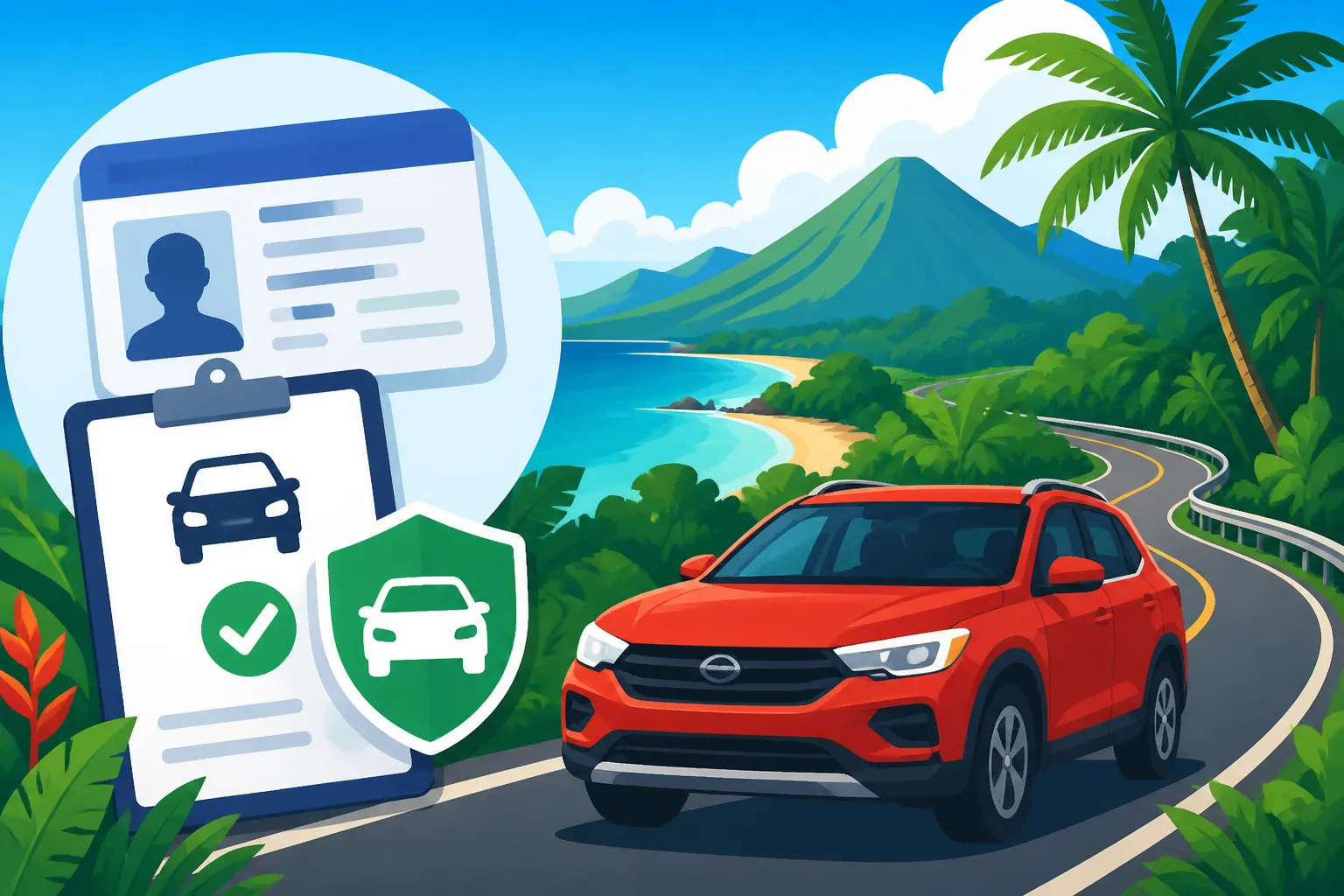
Here’s the golden nugget of information for all fresh-off-the-plane foreigners: you can drive legally in Costa Rica using your valid foreign driver's license for the entire duration of your legal tourist stay. Typically, this is 90 days, though sometimes immigration might grant you less, so always check your passport stamp! This means if you flew in on a Tuesday with your U.S. or Canadian license, you can hop into a rental car or even your newly purchased vehicle and drive away without a worry, as long as your home country's license isn't expired.
Now, this isn't just a casual suggestion; it's enshrined in the traffic law. The purpose of this rule is to make life easier for tourists and new arrivals, allowing them to explore and settle in without immediate bureaucratic headaches. You'll need to carry your valid foreign driver's license, your passport with the entry stamp (showing your legal stay duration), and sometimes even a copy of your current visa (if applicable, though most tourists enter visa-free). Just remember, this privilege is directly tied to your legal immigration status. If your 90 days are up, so is your driving permission on that foreign license.
Navigating the Visa Run Dilemma
Ah, the infamous "visa run." It’s a common strategy for many long-term visitors who haven't yet secured residency. When your 90-day tourist stamp is nearing its end, you might hear advice to "do a border run" to Nicaragua or Panama to get a fresh 90-day stamp upon re-entry. And yes, a new entry stamp does technically reset your 90-day driving privilege. So, if you return to Costa Rica and get another 90 days in your passport, your foreign driver's license is once again valid for that new period.
However, this is absolutely not a sustainable or advisable long-term solution. First, while it resets your driving clock, it doesn't give you any other rights of residency. Second, immigration officers have the discretion to deny re-entry or grant fewer days, especially if they see a pattern of consecutive border runs without a clear intent to leave or establish legal residency. And third, relying on visa runs can complicate any future residency application. It's a stop-gap, a temporary measure, and should be treated as such. If you're planning on staying longer, you absolutely need to be thinking about The Complete Guide to Costa Rica Residency for Expats (2027). Don't get caught out relying on this method for too long.
What Happens If Your License Expires?
This is where things can get sticky, and trust me, you don't want to be in this position. If your foreign driver's license expires while you're driving in Costa Rica, or if your legal tourist stay expires, you are effectively driving without a valid license. This isn't just a minor infraction; it can lead to hefty fines, your vehicle being impounded, and a whole lot of stress and wasted time.
Imagine this: you're pulled over for a routine check near Tamarindo, and the traffic officer (a Tránsito) notices your driver's license from home expired last month. Or maybe your 90-day tourist stamp ran out last week. Suddenly, your tranquil drive turns into a bureaucratic nightmare. The fine for driving without a valid license (or an expired one) is significant, and recovering an impounded vehicle involves multiple trips to different government offices, paying storage fees, and finding someone with a valid Costa Rican license to drive it out. It's a costly and frustrating experience that is easily avoidable by keeping a close eye on your dates. Always know your license expiry and your legal stay expiry.
Making It Official: Getting Your Costa Rican Driver's License
For anyone planning to live here long-term, getting your Costa Rican driver's license, or licencia, is not just a good idea; it's a necessity. The process can feel like a gauntlet, but it’s entirely doable.
The Homologación Process: Validating Your Foreign License
This is the preferred route for most expats with existing driver's licenses. Homologación literally means convalidation or validation, and it allows you to essentially swap your valid foreign driver's license for a Costa Rican one without taking a new driving test. However, there are crucial prerequisites: you must have legal residency in Costa Rica and possess your DIMEX (foreigner's identification card). This isn't something you can do on a tourist visa.
The general process involves several steps. First, you need to ensure your foreign license is valid and unexpired. Then, you'll need to get a medical exam at an authorized clinic. These clinics (often called Clinicas Médicas de Licencias) are ubiquitous and specifically cater to driver's license applications. They'll check your vision, hearing, reflexes, and ask a series of health questions. They'll also record your blood type, or you may need to provide proof if you don't know it. Next, you'll pay a small fee at a bank (often Banco de Costa Rica or Banco Nacional) for the license itself. Finally, with all your documents in hand – your DIMEX, passport, foreign driver's license, medical certificate, and payment receipt – you'll need to make an appointment with COSEVI (Consejo de Seguridad Vial) or a BCR office that handles licencias. Appointments can be tricky to secure and often require patience. Once you're there, they'll verify everything, take your photo, and issue you a temporary paper license on the spot, with the plastic card arriving by mail or for pickup shortly after. It's a huge relief when you finally get that card in hand, marking a significant step in your integration. Understanding How to Use Your DIMEX to Access Healthcare in Costa Rica and other services highlights just how central this ID is to expat life.
The Driving Test: If Homologación Isn't an Option
If you don't have a valid foreign license (perhaps it expired long ago, or you've never held one), or if you're a new driver, then the full Costa Rican driving test process awaits. This involves two main components: the theoretical test (Examen Teórico) and the practical test (Examen Práctico).
The theoretical test assesses your knowledge of Costa Rican traffic laws, road signs, and safe driving practices. Many expats find this challenging not just because of the content, but often because the study materials are primarily in Spanish. You can find official manuals (Manual del Conductor) and even enroll in driving schools that offer courses in English. Booking the test itself can be an exercise in patience, as slots fill up quickly. Once you pass the theoretical test, you can move on to the practical. The practical test is where you demonstrate your actual driving skills. You'll need to provide a suitable vehicle, which can be your own (if legally registered and insured) or one rented from a driving school. Testers are notoriously strict, looking for perfect execution of maneuvers, proper signaling, and adherence to speed limits. Common reasons for failure include not stopping completely at stop signs, improper turns, or hitting cones during the parking exercise. It’s a nerve-wracking experience, but practice, practice, practice is key.
The Medical Exam and Blood Type Requirements
Regardless of whether you go through homologación or take the full driving test, everyone needs to pass a medical examination. This is a fairly standard procedure conducted at authorized clinics across the country. These clinics, often advertised as "Clínica de Licencias," are private establishments specifically approved by the MOPT (Ministerio de Obras Públicas y Transportes) to perform these evaluations. The exam is not extensive; it typically involves a vision test (bring your glasses if you wear them!), a hearing check, a basic coordination assessment, and a series of questions about your medical history, any chronic conditions, or medications you're taking. They’re looking to ensure you’re physically and mentally capable of driving safely.
Part of this medical certificate also includes your blood type. If you don't know your blood type or don't have official documentation of it, the clinic can usually do a quick test for an additional fee, or you might be directed to a lab. It’s a simple, straightforward step, but a non-negotiable one. Without that green light from the doctor, your licencia application won't proceed.
Vehicle Ownership: Registration and Documentation
So, you've got your license sorted. Now, what about the car itself? Owning a vehicle in Costa Rica comes with its own set of administrative hoops, distinct from many other countries.
Buying a Car in Costa Rica as a Foreigner
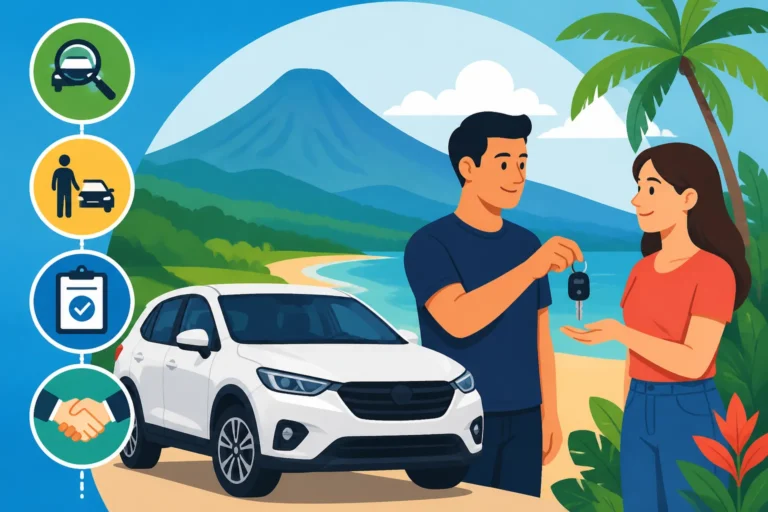
Buying a car here, whether new or used, is an experience. New cars from authorized dealerships generally follow a clear process, but they come with a hefty price tag due to import taxes. Used cars are where things get interesting. You can buy from used car dealerships (agencias de carros usados) or directly from individuals. If buying from an individual, a word of caution: involve a lawyer! This is non-negotiable. Your lawyer will perform a due diligence check on the vehicle's title, ensuring there are no liens, outstanding fines, or other legal issues registered against it at the National Registry (Registro Nacional de Propiedad – R.N.P.). This is absolutely critical, as any existing debts or legal encumbrances will transfer with the vehicle, not just the previous owner.
Once cleared, the transfer of ownership (traspaso) is done by a notary public (who is also a lawyer in Costa Rica) and registered with the R.N.P. You'll need your DIMEX, and the process involves paying transfer taxes and registration fees. It's not a quick transaction, but with a good lawyer, it should be smooth. This is where a knowledgeable attorney can guide you through How to Register and Title a Vehicle with the Registro in Costa Rica, ensuring all steps are legally sound.
Understanding Marchamo and Riteve
These two terms will become staples in your Costa Rican vehicle vocabulary.
The Marchamo is the mandatory annual circulation tax that every vehicle owner in Costa Rica must pay. It's due by December 31st each year for the upcoming year. The cost varies based on the vehicle's make, model, year, and value. What's often misunderstood is that the Marchamo isn't just a road tax; it also includes the mandatory third-party liability insurance (SOV – Seguro Obligatorio de Vehículos), administered by the state-owned INS (Instituto Nacional de Seguros). If you don't pay your Marchamo on time, you'll incur penalties, and driving without current Marchamo makes your vehicle illegal, leading to fines and potential impoundment. Many banks and even some supermarkets offer Marchamo payment services, typically starting in November.
Riteve (or now, more accurately, RTV by DEKRA) is the mandatory technical vehicle inspection. Think of it as your vehicle's annual MOT or emission test. Its purpose is to ensure your car meets safety and environmental standards. After a period of public outcry, the concession for vehicle inspection was awarded to DEKRA, a German company, in late 2022, replacing the previous company, Riteve. The process involves booking an appointment online, driving your vehicle to one of their stations, and having technicians inspect everything from brakes and lights to emissions and tire tread. If your vehicle passes, you get a sticker for your windshield and a certificate. If it fails, you'll be given a list of deficiencies, a limited time to fix them, and then need to return for a re-inspection (often at a reduced fee). Driving without a valid RTV sticker is also subject to fines. Missing either the Marchamo or RTV can leave you feeling frustrated, as detailed in Understanding the Marchamo (Annual Vehicle Tax) and Riteve in Costa Rica.
Car Insurance (Seguro Obligatorio de Vehículos – SOV and INS)
As mentioned, a basic third-party liability insurance, the SOV, is included in your annual Marchamo payment. This covers damages to third parties (other vehicles, property, individuals) in an accident up to certain limits. However, it provides absolutely no coverage for damages to your own vehicle or for your medical expenses beyond the basic public health system (Caja).
For comprehensive protection, most expats choose to purchase additional, voluntary insurance from INS or one of the growing number of private insurance providers (like Qualitas, Aseguradora del Istmo, etc.). These policies are similar to what you’d find in North America or Europe, offering collision, theft, fire, and extended medical coverage. Given the road conditions, the sometimes-unpredictable driving habits, and the cost of repairs, having comprehensive insurance is highly recommended. It’s an investment in peace of mind. When choosing, compare coverage, deductibles, and customer service, as filing a claim can be a bureaucratic journey. Understanding these options is key to protecting yourself, as explored in Health Insurance in Costa Rica: Caja, INS and International Options Explained.
The Rules of the Road: Navigating Costa Rican Driving Culture
Once you're legally squared away, the next challenge is actually driving here. It's a unique blend of formal rules and informal customs that can initially feel like the Wild West.
Road Conditions and Infrastructure
Let's not sugarcoat it: Costa Rican roads are a mixed bag. In and around major cities like San José, Escazú, and Heredia, you'll find modern highways and well-maintained paved roads. However, venture off the beaten path, especially towards more rural or beach destinations, and you'll encounter gravel roads, unpaved tracks, and infamous potholes that could swallow a small car whole. The rainy season, from May to November, exacerbates these issues, causing landslides, flooding, and further deteriorating road surfaces.
This is why a 4×4 vehicle is often recommended, especially if you plan to explore widely. It's not always about needing four-wheel drive for off-roading, but rather for the higher clearance and more robust suspension that can better handle the rough patches. Be prepared for slow travel, unexpected detours, and the occasional need to ford a small stream. Infrastructure projects are ongoing, but many areas still lack proper signage, streetlights, or even clear lane markings. Keeping an eye on local news for road closures or issues is a good habit. You might even find some unexpected utility work causing temporary diversions, a common occurrence that ties into general infrastructure discussions, as seen in The Expat Guide to Setting Up Utilities (ICE/AyA) in Costa Rica.
Traffic Laws and Local Customs
While Costa Rica has official traffic laws, the actual practice on the road is often a "Pura Vida" interpretation. Speed limits are posted (usually in kilometers per hour, so adjust your mental math if you're used to miles!), but adherence can be lax. Overtaking on solid lines, turning left from the right lane, or making U-turns where prohibited are not uncommon sights. Signaling is… optional for many drivers, so always assume the driver next to you won't signal their intentions.
Ceda el paso (yield) signs are crucial; these are not just suggestions. Pedestrian crossings exist, but pedestrians often dart out into traffic, assuming cars will stop – and sometimes they do, sometimes they don't. Motorcycles weave through traffic with astounding agility (and sometimes reckless abandon), so always be aware of your mirrors. The unwritten rule is often "might makes right," with larger vehicles asserting their presence. Defensive driving isn't just a recommendation here; it's a survival skill. Anticipate, be patient, and try not to take anything personally.
Police Interactions and Fines
Encountering a Tránsito (traffic police officer) is a part of driving life in Costa Rica. It might be for a routine document check, a moving violation, or after an accident. Firstly, always be polite and respectful. Keep your documents handy: your driver's license (foreign or Costa Rican), passport (or DIMEX if you have it), vehicle registration (documento de propiedad), and Marchamo receipt.
If you are pulled over, roll down your window, turn off your engine, and keep your hands visible. The officer will typically ask for your documents and explain the reason for the stop. If you've committed an infraction, they will issue you a ticket (boleta). Crucially, never, ever offer or agree to pay a fine directly to the officer. This is illegal and constitutes bribery. Fines must be paid through official channels, usually at a bank or online. The officer will issue a physical ticket with the details, including how and where to pay. Fines can be quite substantial, especially for serious offenses like speeding or driving under the influence. If you feel a fine is unjust, you have the right to appeal it, but this is a legal process that often requires a lawyer. Knowing the official process for fines can save you from scams and headaches.
Essential Preparations and Safety Tips for Expats
Driving in Costa Rica requires more than just a valid license and car; it demands a proactive approach to safety and preparation.
Emergency Preparedness
Accidents happen, even to the most careful drivers. Knowing what to do in an emergency is paramount. First, always carry the essential documents: your driver's license, passport/DIMEX, vehicle registration, Marchamo, and insurance information. Keeping digital copies on your phone is also a good backup.
In the event of an accident, if possible, move your vehicle to the side of the road to avoid further incidents. Immediately call 911 for emergency services – police (Tránsito), ambulance, and fire department. If there are injuries, prioritize medical attention. If the vehicle is insured by INS, call their emergency line immediately. They will send an adjuster (ajustador) to the scene. Do not admit fault or sign any documents without consulting with your insurance company or lawyer. Take photos of the scene, vehicle damage, and any relevant road signs or conditions. A basic first-aid kit, a spare tire, a jack, and reflective triangles (required by law) should always be in your vehicle.
GPS and Connectivity
Forget paper maps; GPS is your lifeline in Costa Rica. Street names are often non-existent or confusing, and addresses are based on landmarks (e.g., "100 meters east of the old fig tree, next to the pink house"). Waze and Google Maps are indispensable tools, providing real-time traffic updates and often the most accurate routes, even for unpaved roads. Download offline maps if you're heading to remote areas where cell service might be spotty.
Reliable data connectivity for your phone is therefore crucial. Getting a local SIM card (from Kolbi, Movistar, or Claro) is easy, but for travelers or those initially settling, an eSIM like Airalo can be a godsend. It allows you to get online immediately upon arrival without fumbling with physical SIM cards, ensuring your GPS is active from the moment you leave the airport. Staying connected means you can navigate confidently and access emergency services or roadside assistance if needed.
Vehicle Maintenance and Local Mechanics
Given the varied road conditions, proactive vehicle maintenance is more important here than in many other places. Regular oil changes, tire rotations, brake checks, and suspension inspections should be on your routine. Potholes and rough roads can quickly wear down components.
Finding a trusted mechanic (mecánico) is like striking gold. Ask for recommendations from other expats or trusted locals. When you find one, stick with them. Be aware that parts can sometimes be more expensive or harder to source for certain vehicle makes and models, especially European ones. A good mechanic will be transparent about costs and explain what needs to be done. If your Spanish isn't strong, it's helpful to bring a translation app or a Spanish-speaking friend to avoid misunderstandings about complex repairs.
Renting a Car vs. Owning: A Cost-Benefit Analysis
This is a common dilemma for expats in Costa Rica. Do you commit to buying a car, or do you stick with rentals? Each option has distinct advantages and disadvantages.
Pros and Cons of Renting
Pros:
- Flexibility: You can rent different types of vehicles depending on your needs (e.g., a small car for city driving, a 4×4 for a weekend adventure to the mountains).
- No Maintenance Worries: All maintenance, repairs, Marchamo, and RTV are the rental company's responsibility. You just fill the tank and go.
- Newer Vehicles: Rental fleets are typically newer models, offering more reliability and modern features.
- Insurance Included (mostly): Basic liability insurance is usually mandatory and included in the rental price, though you'll often be strongly encouraged to buy additional coverage.
- No Long-Term Commitment: Perfect for those on tourist visas or still deciding where to settle.
Cons:
- Higher Daily/Weekly Costs: Over the long run, daily rental rates quickly add up, making it significantly more expensive than ownership for extended periods.
- Limited Customization: You can't personalize the vehicle, and you might not always get your preferred model.
- Always a "Tourist Driver": You'll always be driving with your foreign license (if on a tourist stay), meaning the 90-day reset game still applies.
- Rental Car Scams: Be vigilant about hidden fees, aggressive upselling of insurance, and meticulous pre-rental inspections to avoid post-rental disputes over damage.
Pros and Cons of Owning
Pros:
- Freedom and Familiarity: Having your own car offers unparalleled freedom to explore and the comfort of driving a vehicle you know inside and out.
- Long-Term Cost Savings: After the initial purchase, the monthly costs (gas, insurance, maintenance) are generally lower than continuous rentals, especially if you plan to stay for years.
- Asset Ownership: The car is an asset, even if it depreciates.
- Residency Convenience: Once you have your Costa Rican license, driving is just simpler and fully legal without the 90-day clock.
Cons:
- Initial Investment: Buying a car, particularly a new one, is expensive due to high import taxes. Used cars still require significant upfront cash.
- Ongoing Expenses: You're responsible for Marchamo, RTV, comprehensive insurance, maintenance, repairs, and depreciation.
- Depreciation: Cars in Costa Rica, while holding value better than some countries, still depreciate, especially immediately after purchase.
- Administrative Hassle: Dealing with registration, RTV, Marchamo, and potential repairs can be time-consuming and frustrating.
- Security Concerns: Theft and vandalism are concerns, so secure parking and good insurance are vital.
The total The Complete Guide to Cost of Living in Costa Rica for Expats (2026) will always include a significant chunk for transportation, whether you rent or own.
Long-Term Rental and Leasing Options
For those caught between the two, long-term rental or leasing might be a viable compromise. Some rental car companies offer monthly rates that are more economical than daily rates, essentially bridging the gap between short-term rentals and full ownership. These arrangements can still include maintenance and basic insurance, reducing your administrative burden.
Leasing, while less common for individuals, might be an option through certain financial institutions or dealerships, typically for new vehicles. This would involve fixed monthly payments for a set period, after which you could either return the car or buy it outright. These options are worth exploring if you need a vehicle for an extended period but don't want the full commitment of ownership.
Moving Your Car to Costa Rica: The Importation Saga
"Should I ship my car to Costa Rica?" This is a question many expats ponder, and the answer is almost always: "Probably not, unless it's very special."
The Complexities of Vehicle Importation
Importing a vehicle into Costa Rica is famously, or infamously, complicated and expensive. The primary reason is the high import taxes and tariffs, which can add anywhere from 50% to over 80% (or even more for luxury vehicles) to the value of the car. These taxes are calculated based on a specific valuation system, not necessarily what you paid for the car, which can lead to unexpected costs.
The process involves dealing with customs, getting your vehicle inspected, paying duties, and then registering it. It's not a simple "drive it off the boat" scenario. For older or mid-range vehicles, the import taxes alone often exceed the car's market value, making it financially illogical. You're essentially paying twice for the car. Most expats realize it's far more economical to sell their existing car in their home country and buy a used vehicle locally in Costa Rica.
Required Documentation and Costs
If you still decide to import, be prepared for a mountain of paperwork. You'll need the original vehicle title, bill of sale, passport/DIMEX, and detailed specifications of the vehicle. All documents from your home country will likely need to be apostilled or legalized.
The costs are multi-faceted:
- Shipping Costs: The actual cost of transporting the vehicle by sea.
- Customs Duties and Taxes: This is the big one, often the deal-breaker.
- Port Fees: Fees for handling and storage at the port of entry (Caldera or Limón).
- Broker Fees: You will almost certainly need a customs broker.
- RTV (Technical Inspection): Your imported vehicle will need to pass this before registration.
- Registration Fees: Costs to get your vehicle officially registered with the Registro Nacional.
- Marchamo: You'll have to pay the annual circulation tax for the current year.
As a rough example, a 5-year-old mid-range SUV valued at $20,000 in the US could easily incur $15,000-$20,000 in import taxes and associated fees, bringing the total cost close to $40,000, for a car you could likely buy locally for less.
Hiring a Customs Broker
For anything other than a new vehicle imported by a dealership, engaging a licensed customs broker (agente aduanal) is not just recommended, it's virtually essential. These professionals specialize in navigating the intricate customs regulations and paperwork. They understand the valuation system, can help you calculate estimated duties, and will handle all the necessary declarations and interactions with customs officials.
Look for a broker with good references and a solid track record. They will act as your intermediary, ensuring your vehicle clears customs efficiently (or as efficiently as possible in Costa Rica). While this adds another fee to the process, it can save you immense headaches, costly delays, and potential mistakes that could lead to even higher charges or legal issues. When thinking about moving your entire life, including vehicles, companies like Sirelo can offer useful insights and platforms to compare international moving services, including vehicle shipping, giving you an idea of the logistics involved before diving into the tax labyrinth. For more specific details, you should consult Understanding Car Import, Registration and Insurance (INS) in Costa Rica.
The Costa Rican Driving Experience: A Cultural Immersion
Beyond the licenses and logistics, driving in Costa Rica is a full sensory and cultural experience. It requires a mental shift and a good dose of patience.
Defensive Driving and Pura Vida Mentality
As mentioned, defensive driving is key. Expect the unexpected:
- Pedestrians: They often walk in the road, especially in rural areas, and may not expect you to stop.
- Animals: Cattle, horses, dogs, and even sloths can be on or near the road, particularly outside urban centers.
- Motorcycles: They will weave through traffic, pass on either side, and often have a different interpretation of lane discipline.
- Buses and Trucks: These larger vehicles often command the road, and you'll need to be extra cautious when encountering them on narrow or winding stretches.
- Unpredictable Turns: Drivers might suddenly stop, slow down, or turn without signaling.
The "Pura Vida" mentality, while lovely in many aspects of life, can sometimes translate to a relaxed attitude towards road rules. This isn't malicious, but it means you, as the expat driver, need to maintain heightened vigilance. Always have an escape route, keep extra space, and be prepared to react quickly.
Dealing with Presas (Traffic Jams)
The Central Valley, encompassing San José, Heredia, and Alajuela, is notorious for its presas (traffic jams). Rush hour, particularly from 6-9 AM and 4-7 PM, can turn short distances into hour-long journeys. Fridays are often the worst, as people head out for the weekend. The main arteries, like Route 1 (General Cañas Highway) and Route 27, can become parking lots.
To cope, try to plan your trips outside of peak hours, if possible. Utilize Waze or Google Maps religiously, as they often suggest alternative (though sometimes equally congested) routes. Be patient, bring a good playlist or podcast, and consider public transport for certain city trips, though it has its own learning curve. Unfortunately, the train network, while expanding, is not yet extensive enough to solve all urban transit woes, as you might learn in Understanding the Tren Urbano and Public Transit in San Jose.
Parking Challenges
Parking can be a challenge, especially in busy urban areas or popular beach towns. Street parking is often scarce or in designated zones that require payment (look for meters or attendants). Many businesses offer their own parking lots, sometimes for a fee.
You'll also encounter guachimanes (literally "watchmen," often unofficial parking attendants) in various areas. They will offer to "watch" your car for a small fee (a few hundred or a thousand colones). While not officially sanctioned, it's often advisable to pay them, as they do keep an eye on vehicles, and refusing can sometimes lead to your car being targeted for minor mischief. Always park in well-lit areas, remove valuables from sight, and lock your doors. For larger shopping centers or private clinics like Clinica Biblica or CIMA, parking garages are available, but they charge hourly rates.
Table: Key Driving Requirements for Tourists vs. Residents in Costa Rica
Here's a quick overview of the main differences in driving requirements:
| Feature | Tourist Driver (with valid foreign license) | Legal Resident Driver (with DIMEX) |
|---|---|---|
| Driver's License | Valid foreign driver's license from home country. | Costa Rican Driver's License (Licencia) obtained via homologación or test. |
| Validity Period | For the duration of your legal tourist stay (usually up to 90 days). | Valid for 2-6 years, depending on age and license type. |
| Renewal | Resets with each new passport entry stamp (not recommended long-term). | Formal renewal process with COSEVI, including medical exam. |
| Required Documents | Foreign license, passport with valid entry stamp. | Costa Rican Licencia, DIMEX (identification card). |
| Vehicle Ownership | Can buy a vehicle, but title will be under your name, still driving on foreign license until residency/homologación. | Can buy and register a vehicle; typically drive with Costa Rican Licencia. |
| Marchamo & RTV (DEKRA) | Required for the vehicle, regardless of driver's status. | Required for the vehicle, regardless of driver's status. |
| Insurance | SOV included in Marchamo (mandatory). Private comprehensive insurance recommended. | SOV included in Marchamo (mandatory). Private comprehensive insurance recommended. |
| Work Eligibility | Cannot legally work, even if driving for a local company (unless on specific work visa). | Can legally work (if residency category permits), including driving for employment. |
| Long-Term Status | Unsustainable for long-term living. | Essential for long-term, legal driving in Costa Rica. |
Disclaimer
The information provided in this guide is intended for general informational purposes only and is subject to change. While we strive to keep our content accurate and up-to-date for 2026, specific laws, regulations, and procedures, particularly those related to immigration and vehicle registration, can be updated by the Costa Rican government at any time. We strongly recommend consulting with a qualified legal professional, immigration expert, or official government sources (such as COSEVI, MOPT, or the Dirección General de Migración y Extranjería) for the most current and personalized advice regarding your specific situation before making any decisions related to driving, vehicle ownership, or residency in Costa Rica.