The Complete Guide to Moving to Costa Rica: Your First 90 Days (2027)
Landing in Costa Rica with a suitcase full of dreams and a fresh entry stamp in your passport is an unforgettable feeling. However, navigating the sprawling bureaucracy, unwritten cultural rules, and logistics of settling in can quickly overwhelm even the most seasoned traveler. This comprehensive guide breaks down your crucial first 90 days into actionable, stress-free steps so you can transition seamlessly into your new life.
Arrival and the Initial Transition Period
Landing at Juan Santamaria or Daniel Oduber
Stepping off the plane at Juan Santamaría International Airport in Alajuela or Daniel Oduber Quirós International Airport in Liberia brings an instant rush of tropical warmth and excitement. The immediate reality of customs and immigration can be a bit jarring after a long flight, especially when tourist lines stretch deep into the terminal. Having your initial entry paperwork, proof of onward travel, and physical address for your first lodging written down in Spanish will make your interaction with immigration officers smooth and swift.
The immigration officer will examine your passport and assign an authorized duration of stay, which can range depending on your nationality and individual circumstances. It is essential to double-check the entry stamp in your passport before walking away from the desk to ensure the written date is legible and correct. Misunderstandings at immigration can lead to unexpected administrative headaches later when you are trying to extend your legal stay or process paperwork with immigration officials.
Once you clear customs and retrieve your luggage, you will step out into a bustling crowd of official taxis, tour operators, and eager drivers. The chaotic atmosphere outside the terminal is where your adaptation to local rhythm truly begins. Ignoring unofficial touts and heading straight to the official red taxicabs with yellow triangles on the doors, or meeting a pre-arranged shuttle, ensures a safe and transparent journey to your temporary lodging.
Setting Up Immediate Communication and Connectivity
Staying connected from the moment you land is vital for organizing airport pickups, navigating unfamiliar streets, and staying in touch with family back home. Relying solely on public Wi-Fi or expensive international roaming plans from your home provider can quickly become frustrating or financially draining. Having a reliable mobile signal allows you to translate Spanish conversations on the fly and access navigation apps without getting lost in winding central valley streets.
One of the most seamless ways to ensure uninterrupted mobile data upon landing is to set up an eSIM through a service like Airalo before you even depart. Having an active digital SIM profile ready to connect to local networks upon arrival eliminates the immediate hunt for a physical SIM card kiosk while wrangling heavy luggage. This allows you to call a rideshare or notify your Airbnb host that you are on the way the moment you step out of the terminal.
If your device does not support digital profiles, purchasing a local prepaid SIM card from providers like Kolbi, Liberty, or Claro is a top priority for your first forty-eight hours. You will find official service centers in major shopping malls and urban centers, where you must present your physical passport to register the line. Securing a local phone number immediately simplifies local administrative tasks, as almost every local business, government office, and delivery service communicates primarily through messaging apps.
Securing Temporary Housing for the First Month
Resisting the urge to sign a long-term lease before landing in the country is one of the smartest decisions an incoming resident can make. Photos on real estate listings can be remarkably deceptive, often failing to reveal neighborhood noise levels, steep access roads, or proximity to construction sites. Renting a temporary home or vacation rental for your first thirty to sixty days gives you the runway needed to explore different neighborhoods on foot.
During your initial month, base yourself in a convenient central location like Escazú, Santa Ana, Atenas, or central Heredia if you are targeting the Central Valley, or a central hub in your chosen coastal area. Living in a short-term rental gives you a firsthand feel for daily climate shifts, localized morning commute traffic, and proximity to grocery stores. It also provides a safe staging ground while you inspect potential long-term properties in person.
When evaluating short-term accommodations, look for amenities that cushion your initial transition, such as hot water systems, secure parking, reliable high-speed internet, and a well-equipped kitchen. Staying in a comfortable, fully functioning home base reduces the emotional fatigue of relocating abroad. Use this initial period to network with neighbors, chat with local shopkeepers, and get a realistic sense of what everyday life in that specific community entails before committing to a multi-year contract.
Navigating Housing and Long-Term Accommodations
Renting vs Buying in Your First 90 Days
The age-old dilemma of whether to rent or purchase real estate immediately upon arrival is one of the biggest decision points for new expats. Experienced foreign residents almost universally advise against purchasing real estate during your first three months in the country. Your perspective on what constitutes an ideal home will shift dramatically as you adjust to the climate, discover different regional microclimates, and understand local property dynamics.
Renting initially allows you to test out different lifestyles without tying up significant capital in a foreign property market. You might discover that the humid coastal environment requires more building maintenance than you are willing to manage, or that the cooler mountain towns better suit your daily routine. Renting gives you the ultimate flexibility to pack up and move to a new region if your initial geographic choice does not live up to your expectations.
If you eventually plan to purchase a home, spend your first 90 days observing market prices, consulting with licensed legal representatives, and speaking with long-term residents about property values. Take time to study local property titling systems, zoning laws, and environmental restrictions. When you are ready to make a move, consulting The Complete Guide to Renting a Home in Costa Rica (2027) will help you evaluate rental terms and establish a firm foundation while you survey the real estate landscape.
Navigating Leases and Rental Agreements
Understanding local tenancy laws and customary lease terms is essential before signing any long-term contract. Standard residential leases in Costa Rica are governed by specific tenant protection laws, typically carrying a legal minimum duration of three years, even if the written contract states a shorter period. However, many contracts include specific diplomatic or exit clauses that allow tenants to vacate earlier under defined conditions with proper advance notice.
Leases are generally drafted in Spanish, which remains the legally binding version in local courts even if an English translation is provided alongside it. Never sign an agreement without having a trusted, independent bilingual attorney review the document to ensure that clauses regarding security deposits, maintenance responsibilities, and rental increase caps comply with national law. Ensure that the lease clearly specifies whether rent is paid in local currency or US dollars, as currency fluctuations can impact your monthly budget over time.
Security deposits typically equal one month’s rent and are designed to cover damages beyond normal wear and tear upon move-out. Take a thorough inventory of the property, taking time-stamped photographs and videos of every room, appliance, and existing structural flaw before moving your personal belongings in. Documenting pre-existing wear protects you when it comes time to reclaim your deposit at the end of your tenancy.
Understanding Utilities and Local Infrastructure
Setting up utilities in a new home can present a steep learning curve due to unique administrative procedures and utility provider networks. Electricity is provided by state and regional monopolies such as the Instituto Costarricense de Electricidad (ICE) or the Compañía Nacional de Fuerza y Luz (CNFL). Water service is managed nationally by the Instituto Costarricense de Acueductos y Alcantarillados (AyA) or locally through municipal systems and rural water boards known as ASADAS.
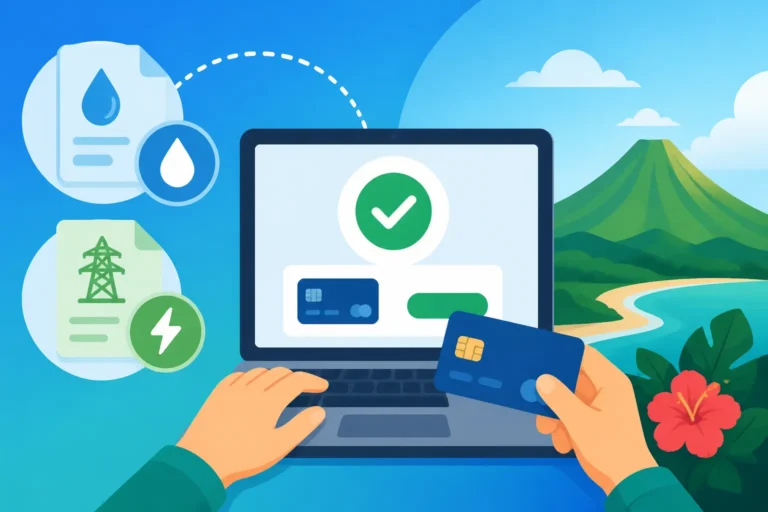
In many rental situations, utility accounts remain registered under the property owner’s name, and you will simply pay the monthly bills through online banking apps or local collection points. If you are responsible for transferring or managing these services directly, you will need to learn the account numbers and billing schedules to avoid service interruptions. For detailed guidance on managing electricity and water connections, consult The Expat Guide to Setting Up Utilities (ICE/AyA) in Costa Rica.
Internet connectivity across major towns and cities is generally excellent, with fiber-optic connections widely available from major telecommunications providers. However, internet speeds and infrastructure reliability can vary significantly in remote coastal or rural areas. It is wise to inquire about local backup power solutions, surge protectors for sensitive electronics, and water storage tanks, as seasonal utility outages do occur during heavy weather events.
Handling Essential Administrative Tasks and Logistics
Moving Household Goods and International Shipping
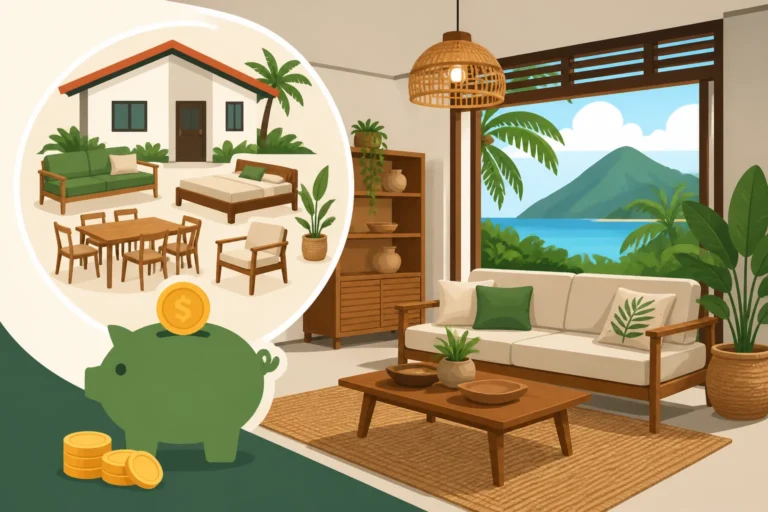
Deciding what personal belongings to bring along on your move requires balancing sentimental value against international shipping costs and import duties. Shipping a full container of furniture and personal effects involves navigating complex customs regulations, paying import tariffs, and coordinating with foreign freight forwarders. Many expats find that bringing personal essentials, electronics, and specialty items in oversized luggage is far less burdensome than shipping container loads.
When coordinating an international move, organizing international shipping and comparing professional moving services through Sirelo can streamline the process of gathering quotes and understanding transport timelines. A reliable international moving service can assist you with foreign customs paperwork, inventory declarations, and doorstep delivery, minimizing the risk of expensive port storage fees while your container clears customs review.
Be mindful that certain items, such as new electronics, firearms, and motorized vehicles, face strict regulatory restrictions and high import taxes. Tropical climates can also be tough on wood furniture, fine leather goods, and delicate clothing brought from temperate zones. Prioritize bringing high-quality bedding, specialized kitchen implements, and personal electronics, while sourcing heavy furniture and household appliances locally from established retail hubs.
Banking and Financial Setup for Foreigners
Opening a local bank account is one of the most frustrating administrative challenges newcomers encounter during their initial 90 days. Anti-money laundering regulations require financial institutions to enforce strict compliance procedures, demanding extensive documentation to verify the source of your funds. Without official residency status, opening an account at state banks can require patience and multiple visits.
Foreigners in the process of securing legal residency often find it easier to open a simplified basic account or work with private institutions like BAC Credomatic, which are accustomed to serving international clients. You will generally need to present a valid original passport, proof of local physical address, income verification documents certified by a certified public accountant or official body from your home country, and reference letters. Review The Expat Guide to Opening a Bank Account in Costa Rica to prepare your financial paperwork correctly.
While you navigate the process of opening a local bank account, relying on international credit cards and multi-currency debit accounts is standard practice. Ensure your home banks are informed of your international travel plans to prevent security freezes on your cards. Additionally, learning how to use local instant transfer systems through mobile banking applications will make paying local service providers, handymen, and informal vendors much easier.
Understanding Local Taxes and Legal Obligations
Understanding your tax obligations and legal standing during your first 90 days is vital to avoiding administrative fines or legal complications. Costa Rica operates largely on a territorial tax system, meaning income earned from source activities inside the country is subject to national income tax, while income earned from overseas operations or investments generally falls outside local tax liability. However, tax laws are nuanced, and proper structure is crucial.
If you engage in local commercial activities, rent out real estate, or operate a business within national borders, you must register with the tax authority (Hacienda) and issue digital tax invoices (facturas electrónicas). Value Added Tax (IVA) applies to most goods and services purchased domestically, and understanding how this tax affects daily living expenses will help you budget accurately. Working with a qualified local tax attorney ensures full compliance with local regulations.
Foreign residents must also remain vigilant about maintaining their legal immigration status while living in the country. Many prospective residents start their journey by learning Understanding How to Move to Costa Rica Legally from Abroad (2027) to lay the groundwork for long-term residency. Keeping accurate records of entry dates, legal visas, and official tax documents from day one prevents costly surprises when applying for temporary or permanent residency status down the road.
Healthcare Integration and Staying Healthy
The Dual Healthcare System Explained
Costa Rica is internationally renowned for its comprehensive healthcare system, which operates as a dual structure combining public universal coverage with a robust private sector. The public system, managed by the Caja Costarricense de Seguro Social (CCSS) and universally referred to as the “Caja,” provides universal coverage to citizens and legal residents through a network of local clinics and regional hospitals.
The private medical sector offers rapid access to specialized care, state-of-the-art facilities, and English-speaking medical staff across modern medical centers such as Hospital CIMA, Clínica Católica, and Hospital Metropolitano. While private care requires out-of-pocket payment, local private insurance plans, or international health coverage, it provides immediate convenience for elective procedures and specialized consultations without waiting lists.
Understanding how these two parallel systems interact enables you to tailor your medical care to your lifestyle and budget. Many expats choose to utilize private clinics for routine care and quick specialist consultations while keeping public coverage as a fallback for high-cost long-term treatments. To better understand how public coverage operates, explore The Expat Guide to Joining the Caja (CCSS) in Costa Rica (2027) for insights on public health enrollment.
Accessing Medical Care During Your First 90 Days
During your initial 90 days, while your formal residency application may still be processing, accessing the public healthcare system for non-emergency routine visits can be challenging. Tourists and non-resident applicants can access emergency room care at public hospitals, but routine appointments, general checkups, and non-urgent specialist care in the public system are reserved for registered Caja members holding a valid DIMEX card.
For routine medical issues, minor illnesses, or specialist consultations during your transition period, utilizing private clinics and walk-in facilities is the most efficient route. Private consultation fees are reasonable compared to North American standards, and many private physicians in major population centers speak fluent English. You can simply call a private facility or visit an urgent care center to book a same-day appointment.
If you have pre-existing conditions or require routine monitoring, take time during your first month to build a network of trusted private physicians. Request digital copies of your medical records and prescription histories from your home doctors before relocating, translated into Spanish if possible. Having these records ready makes your initial consultations with local physicians efficient and thorough.
Managing Medications and Local Pharmacies
Pharmacies (farmacias) in Costa Rica act as an accessible first line of care for minor ailments, offering direct advice and over-the-counter availability for many medications that require prescriptions in other nations. Highly trained pharmacists (farmacéuticos) can evaluate symptoms, recommend treatments, and even administer basic injections or blood pressure checks on-site.
Many standard medications, including routine blood pressure drugs, cholesterol treatments, and maintenance prescriptions, can be purchased directly over the counter at local pharmacy chains such as Farmacia La Bomba, Farmacia Fischel, or Farmacia Sucre. However, controlled substances, narcotics, and specialized psychiatric medications remain strictly regulated and require an official prescription from a locally registered physician.
Prices for brand-name imported medications can be high, so inquiring about generic equivalents (medicamentos genéricos) can reduce out-of-pocket costs. If you rely on specialized maintenance medications, bring a three-month supply in their original labeled containers along with a doctor’s letter when entering the country. Use your first 90 days to locate local pharmacy stocking schedules and verify that your specific medications are regularly imported into the domestic market.
Transportation and Getting Around Costa Rica
Driving with a Foreign License and Car Ownership
Navigating Costa Rican roads requires defensive driving skills, patience, and an understanding of local transit rules. As a newly arrived tourist or residency applicant, you are legally permitted to drive using your valid home country driver’s license alongside your physical passport for the duration of your legal tourist entry stamp. You must carry both original documents while driving, as copies are generally not accepted during routine traffic stops.
Purchasing a vehicle during your first 90 days as a non-resident is legally permissible, but the administrative purchasing process requires precise execution. Cars are bought and sold through a legal bill of sale overseen by a local notary public, and vehicle transfers must be officially registered with the Registro Nacional. Vehicles must pass an annual technical inspection and pay an annual road tax known as the Marchamo to operate legally.
If you plan to stay long-term and convert your foreign credentials into a local license once your residency is approved, familiarize yourself with local licensing regulations. Understanding Driving in Costa Rica: Licenses, Registration and Rules for Expats (2027) will keep you informed on road rules, while reviewing How to Convert or Use a Foreign Driver’s License in Costa Rica will guide you through the process of securing a domestic driving license down the road.
DRIVER LICENSE & VEHICLE REQUIREMENTS
| REQUISITE | DETAILS & ACTIONS NEEDED |
|---|---|
| Foreign License Validity | Valid alongside original passport & current entry stamp |
| Mandatory Vehicle Inspection | Annual technical inspection required for all road vehicles |
| Annual Circulation Tax (Marchamo) | Paid annually; includes mandatory basic liability insurance |
| Vehicle Title Registration | Registered through a attorney/notary at Registro Nacional |
| License Conversion (Post-Residency) | Administered by COSEVI after official DIMEX card issuance |
Public Transportation and Ridesharing Networks
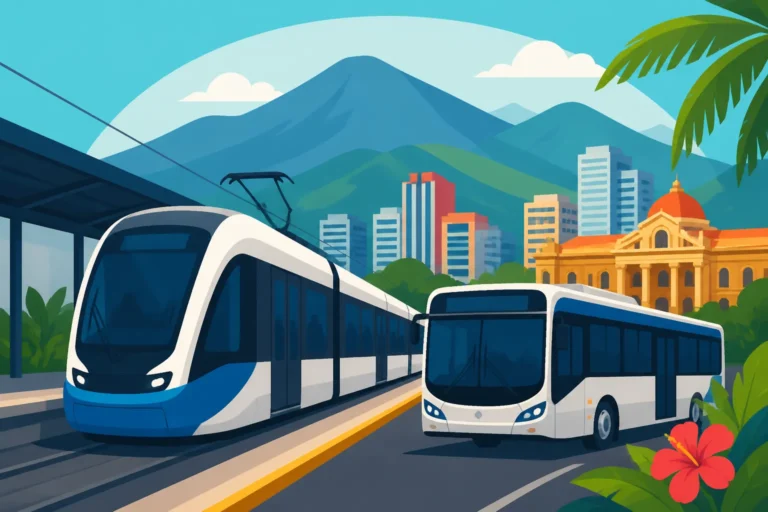
If you prefer to defer buying a vehicle during your initial 90 days, Costa Rica offers an extensive public transportation network that connects nearly every corner of the country. Intercity bus routes operated by private bus companies run frequently from San José to regional hubs, coastal towns, and rural villages. Bus travel is economical, reliable, and provides a great way to view the countryside without the stress of navigating unknown roads.
Within urban areas and major valley towns, local city buses run along established corridors. Taxis are also widely available and easily recognizable by their distinctive red paint and yellow triangular door decals. Red taxis are required by law to use a meter (maría) for fare calculation, so ensure the driver resets and activates the meter at the start of your journey.
Rideshare applications such as Uber and DiDi operate extensively across the Greater Metropolitan Area (GAM), as well as in major coastal tourist hubs like Jacó, Tamarindo, and Manuel Antonio. Using rideshares provides a convenient, cash-free travel alternative with predetermined fare pricing, eliminating language barriers when specifying destination addresses to drivers.
Navigating Costa Rica’s Unique Address System
One of the most surprising culture shocks for newly arrived expats is the absolute absence of standardized street names and house numbers in most parts of the country. Instead of a traditional address like “123 Main Street,” local directions are built around landmark navigation, using distance and cardinal directions measured from well-known reference points, such as churches, parks, old trees, or prominent businesses.
A typical written address might read: “From the Catholic Church in Santa Ana, 200 meters North and 50 meters East, white house with a black iron gate on the left.” Understanding that 100 meters roughly corresponds to one standard city block will help you estimate distances accurately when navigating urban areas or relaying delivery instructions to couriers.
To avoid getting lost during your initial 90 days, rely heavily on digital navigation tools like Waze and Google Maps, which are widely adopted across the nation. Local delivery drivers, service technicians, and mail services frequently ask for a pin drop via messaging apps rather than a written physical address. Embracing this unique spatial navigation system quickly becomes a fun and engaging part of daily life.
Culture Shock, Community, and Daily Life Adjustments
Embracing the Concept of Pura Vida
The national phrase “Pura Vida” (literally “Pure Life”) is far more than a catchy slogan for souvenirs; it is the philosophical core of Costa Rican culture. Used as a greeting, a farewell, an expression of gratitude, or a reassuring phrase when things do not go as planned, Pura Vida embodies a relaxed, community-centered approach to life that prioritizes relationships and personal well-being over strict efficiency.
For newcomers accustomed to fast-paced environments, adjusting to this relaxed pace can initially induce mild frustration. Bureaucratic processes, home repairs, and professional appointments often take longer than anticipated. Learning to pause, take a deep breath, and meet delays with a warm smile rather than anger is essential for successfully adapting to local life.
Embracing Pura Vida means recalibrating your daily expectations and recognizing that personal interactions take priority over rigid schedules. Building genuine connections with neighbors, local store owners, and service workers opens doors and turns administrative hurdles into manageable learning experiences. Once you adjust to this gentler rhythm, the daily stress of modern life begins to evaporate.
Language Barriers and Daily Communication
While many educated professionals, medical personnel, and tourism workers speak fluent English, everyday life in Costa Rica moves in Spanish. Navigating local produce markets, communicating with repair technicians, reading municipal notices, and handling government paperwork requires a functional working knowledge of Spanish. Making a dedicated effort to learn the local language during your first 90 days pays immediate dividends.
Costa Rican Spanish is known for its polite tone, softer cadence, and unique local idioms, referred to as tiquismos. Terms such as mae (dude/friend), tuanis (cool/great), and regalar (used politely when asking to purchase or receive an item) color daily conversations. Using formal address (usted) is common practice across all social settings, reflecting deep-seated cultural norms of respect and social harmony.
Enrolling in a local language school, hiring a private tutor, or participating in neighborhood language exchanges during your first month builds confidence and accelerates your social integration. Local residents deeply appreciate any genuine effort by foreigners to speak Spanish, even if your grammar is imperfect. Effort and politeness are universally rewarded with warm encouragement and helpful assistance.
Building an Expat and Local Support Network
Relocating to a new country can occasionally feel isolating, making the creation of a balanced social support network vital for long-term happiness. Costa Rica hosts diverse, active expat communities across regions like the Central Valley, the Nicoya Peninsula, the Gold Coast of Guanacaste, and the Southern Zone. Connecting with seasoned expats who have successfully navigated the transition provides invaluable real-world guidance.
Online community forums, local social media groups, weekly farmer’s markets (ferias), and community service organizations offer easy avenues to meet fellow international residents. Participating in local volunteer efforts, beach cleanups, or animal rescue initiatives allows you to give back to your new host community while making meaningful friendships with both expats and locals (Ticos).
When selecting your ideal community base, take time to explore distinct towns and regional living options across the country. Reviewing The Best Places to Live in Costa Rica for Expats: A Complete Guide (2027) can help you match your personal lifestyle goals with the ideal geographic community, while Understanding the Best Towns and Regions for Expats in Costa Rica offers deeper insights into regional climates, community dynamics, and local amenities.
RECOMMENDED FIRST 90-DAY MILESTONES
| TIMEFRAME | ACTIONABLE GOALS & ADMINISTRATIVE STEPS |
|---|---|
| Days 1 to 30 | – Secure temporary housing & mobile data profile (Airalo/eSIM or prepaid SIM) |
| – Explore target neighborhoods on foot & build daily routines | |
| – Establish local emergency contacts & locate nearest medical facilities | |
| Days 31 to 60 | – Tour long-term rental properties with trusted bilingual legal assistance |
| – Open a basic local bank account & set up electronic transfer tools | |
| – Enroll in intensive Spanish classes & join local community groups | |
| Days 61 to 90 | – Complete transition into long-term lease & manage utility account billing |
| – Consult with legal representatives regarding residency filing steps | |
| – Evaluate long-term healthcare options & establish local doctor networks |
Mastering Daily Finances and Budget Management
Managing your day-to-day finances effectively in Costa Rica requires understanding a dual-currency system where both the Costa Rican Colón (CRC) and the US Dollar (USD) circulate freely. Major transactions—such as property purchases, real estate rentals, vehicle sales, and tourism activities—are frequently priced in US Dollars. Conversely, everyday expenses like fresh groceries, dining at local sodas, public transit fares, utility bills, and municipal fees are handled primarily in Colones.
DUAL-CURRENCY OPERATIONAL BREAKDOWN
| TRANSACTION TYPE | PREFERRED CURRENCY & PRACTICAL NOTES |
|---|---|
| Long-term Real Estate Leases | Typically quoted and paid in USD |
| Local Farmer’s Markets (Ferias) | Exclusively local currency (Colones) in cash |
| Utilities (ICE, AyA, CNFL) | Billed in Colones; payable via online banking platforms |
| Major Supermarket Chains | Both accepted; change provided in local Colones |
| Taxi Fares & Local Buses | Local currency (Colones) preferred for small transactions |
During your first 90 days, monitor foreign exchange rates closely when converting funds from overseas bank accounts. Converting money at commercial banks or utilizing official online banking platforms typically offers better exchange rates than currency exchange booths at airports or tourist hotels. Keep small denominations of local currency on hand for tipping, street parking attendants (guardas), and rural toll roads where credit card readers may experience intermittent connectivity.
Living comfortably in Costa Rica requires adjusting your shopping habits to align with domestic market realities. Imported food items, foreign electronics, imported wine, and brand-name consumer goods carry significant import tariffs and can prove substantially more expensive than in North America or Europe. By shifting your diet toward fresh, locally grown fruits, vegetables, coffee, and domestic staples purchased at weekly neighborhood markets, you can significantly lower your household living costs while enjoying healthier, farm-fresh ingredients.
ESTIMATED EXPENSE CATEGORY COMPARISON
| CATEGORY | RELATIVE COST LEVEL & SAVINGS TIPS |
|---|---|
| Fresh Produce & Local Foods | Very Low — Shop at weekly neighborhood ferias |
| Imported Grocery Goods | High — Limit purchase of foreign brand-name imports |
| Domestic Public Transit | Very Low — Utilize intercity buses and regional transit |
| Private Medical Consultations | Moderate — High value compared to Western private care |
| Electricity & Air Conditioning | High — Optimize AC use and leverage natural ventilation |
Finally, track your spending closely throughout your initial 90 days to establish a realistic long-term operating budget. Factors like electricity consumption—particularly in warm coastal areas where air conditioning runs continuously—can lead to unexpectedly high monthly utility bills if unmanaged. Learning where to source quality domestic products, taking advantage of local services, and managing energy consumption will allow you to maintain a high quality of life without exceeding your financial plan.
Summary Timeline for Your First 90 Days
To keep your relocation organized and manageable, the following structured roadmap outlines key milestones and tasks across your initial three months in the country.
FIRST 90 DAYS EXPENSE & LOGISTICS SUMMARY
| TIMELINE | ADMINISTRATIVE & HOUSING FOCUS | HEALTH, TRANSPORT & COMMUNITY FOCUS |
|---|---|---|
| Month 1 | – Clear immigration & verify | – Activate mobile data profile via Airalo |
| passport entry stamp | – Rely on short-term transit & rideshares | |
| – Move into temporary housing | – Locate local emergency clinics & pharmacies | |
| – Gather physical address details | – Begin learning local Spanish phrases | |
| Month 2 | – Survey long-term neighborhoods | – Rent a car or test regional bus routes |
| – Review lease agreements with a | – Research private health coverage options | |
| bilingual attorney | – Attend local farmer’s markets (ferias) | |
| – Gather documents for bank account | – Connect with expat & local community groups | |
| Month 3 | – Sign long-term housing lease | – Build network of trusted private doctors |
| – Set up utility payments & internet | – Drive legally using foreign credentials | |
| – Submit residency application | – Re-evaluate budget & long-term goals | |
| documentation with attorney | – Fully adopt Pura Vida daily lifestyle |
Taking your relocation step by step transforms what could be an overwhelming process into an rewarding life journey. By giving yourself time to adjust, remaining adaptable, and embracing local customs, your first 90 days will lay a solid foundation for a fulfilling, joyful life in Costa Rica.
Disclaimer
This article is for general informational purposes only and does not constitute professional advice. Laws, prices and regulations vary by location and change over time. Consult a qualified professional for guidance on your specific situation.