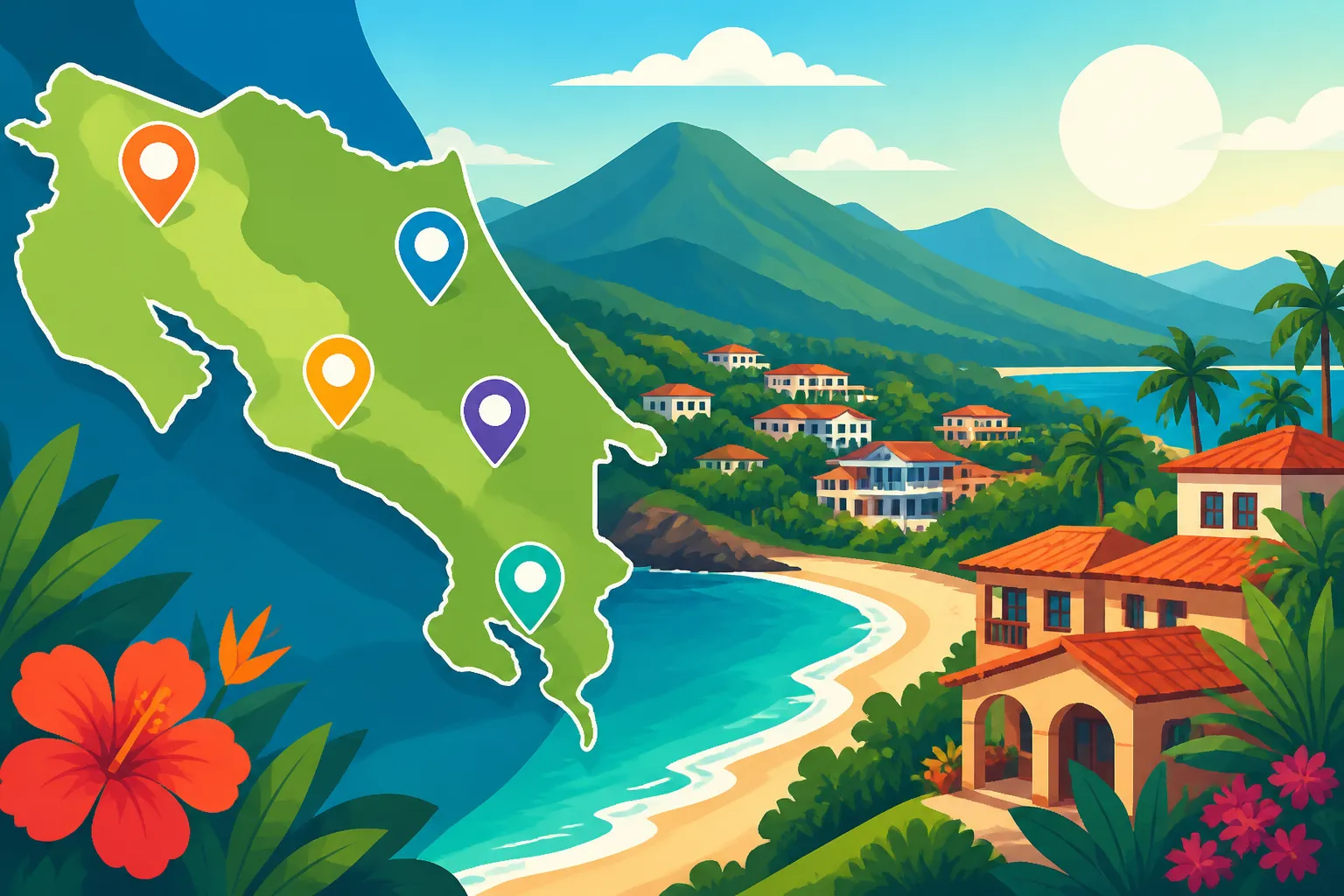
Understanding the Best Towns and Regions for Expats in Costa Rica
Trying to figure out where to plant roots in Costa Rica can feel like trying to navigate a jungle blindfolded, right? There are so many stunning places, each with its own unique vibe, and what looks amazing for a two-week vacation might not be the right fit for your daily life as an expat. This guide will walk you through the most popular towns and regions where foreigners have settled, helping you understand the pros and cons of each, so you can find your own little piece of paradise without the guesswork.
The Great Divide: Coast vs. Central Valley
When expats first consider moving to Costa Rica, their minds often jump straight to the beaches. And for good reason! The coastline is breathtaking. But many soon discover the unique charm, convenience, and often more temperate climate of the Central Valley. It's a classic expat dilemma: do you want to wake up to the sound of waves, or be closer to city amenities and cooler mountain air? There’s no single right answer, and what works for one person might be another's worst nightmare.
Living on the coast offers that quintessential "Pura Vida" beach lifestyle, with endless opportunities for surfing, swimming, and enjoying stunning sunsets. However, this often comes with hotter, more humid weather, and sometimes fewer immediate options for high-level medical care or international schools, depending on the specific town. You also might find that prices, especially for housing and certain imported goods, can be surprisingly high in the most popular coastal enclaves. On the flip side, the Central Valley boasts a vibrant cultural scene, excellent healthcare facilities, a wider array of shopping and dining, and a perpetually spring-like climate. But you trade the immediate access to the beach for mountain views and a more urban or suburban feel, often accompanied by city traffic and a faster pace of life.
Coastal Living: Sun, Sand, and Sea
For many, the dream of Costa Rica is the beach. And truly, the country delivers. But coastal living isn't a monolith; it varies dramatically from the dry, developed north Pacific to the lush, wild south, and the laid-back Caribbean. Each stretch of coastline attracts a different kind of expat, and understanding these nuances is key to finding your ideal spot.
One common frustration I hear from new expats is that they picture one type of beach town and end up in another entirely. It's easy to assume all coastal areas are the same, but the reality couldn't be further from the truth. The infrastructure, climate, and local culture can be vastly different, even within a single province. This is why thorough research and scouting trips are absolutely essential before committing to a long-term move.
North Pacific Guanacaste: Expat Hotspots and Dry Season Bliss
When people think of Costa Rica beaches, often they're thinking of Guanacaste. This region, particularly the northern part, is famous for its long stretches of golden sand, sunny dry season, and well-established expat communities. Towns like Tamarindo, Playa del Coco, and Flamingo are practically household names in expat circles.
Tamarindo, for example, is a bustling hub that was once a sleepy surf village. Now, it's a vibrant town with a strong international flavor, known for its surf schools, diverse restaurants, and lively nightlife. You'll find everything from luxury condos to quaint bungalows, and a wide range of services catering specifically to foreigners. However, this popularity comes with a price tag; it's one of the more expensive places to live, and during peak season, it can feel very crowded. My friend, Sarah, moved there envisioning a tranquil surf life, but quickly realized it was more akin to a small city by the beach. She loved the social scene, but missed the quieter "Tico" authenticity. For those who prioritize convenience and a ready-made expat network, it’s fantastic, but if you’re seeking solitude or deep cultural immersion, you might feel a bit overwhelmed.
Playa del Coco offers a slightly different vibe. While still very popular with expats and tourists, it feels a bit more like a traditional Costa Rican fishing village that's grown into a small town. It has a larger local population and a slightly more relaxed pace than Tamarindo, though it still offers plenty of amenities like grocery stores, medical clinics, and a good selection of restaurants. Flamingo, on the other hand, tends to be more upscale, known for its beautiful marina and luxury properties. It's a quieter, more exclusive area, perfect for those seeking a tranquil, high-end lifestyle. The dry season here is glorious, with endless sunny days, but the trade-off is often a more arid landscape compared to the lushness of other regions. Remember, even with these popular spots, having reliable internet and phone service is paramount, especially when you’re first finding your feet. Using an eSIM from providers like Airalo can be a game-changer for staying connected without the hassle of local SIM cards right away.
Central Pacific: Accessibility and Greenery
Moving south from Guanacaste, you hit the Central Pacific, a region characterized by its lush, green landscapes and easy accessibility from the Central Valley. Towns like Jacó and Manuel Antonio/Quepos are prime examples, offering a different flavor of coastal living. Here, the climate is generally more humid and rainy than the North Pacific, contributing to the vibrant rainforests that meet the ocean.
Jacó is often described as Costa Rica's most developed beach town, famous for its surf breaks and a very active atmosphere. It caters to a younger crowd and weekend visitors from San Jose, so it has a plethora of restaurants, shops, and nightlife options. However, some expats find it a bit too commercial and bustling, perhaps lacking some of the serene "Pura Vida" charm they envisioned. It's a fantastic spot if you want everything at your fingertips and don't mind a lively environment, but it might not be the tranquil escape many dream of. It's a great base for exploring the region and has a good expat support network, but definitely scout it out first to ensure it matches your personal rhythm.
Further south, Manuel Antonio and Quepos offer a blend of stunning natural beauty and tourist amenities. Manuel Antonio is home to one of Costa Rica's most famous national parks, boasting pristine beaches and abundant wildlife. Quepos, the neighboring port town, provides more of the local infrastructure and services. This area is breathtakingly beautiful, but it's also a major tourist destination, meaning higher prices and crowds, especially during peak season. You'll find many expats living in the hills overlooking the ocean, enjoying cooler breezes and magnificent views. While healthcare access is decent for a coastal area, for complex needs, many still head to the Central Valley. Consider exploring options for Understanding the Cost of Healthcare in Costa Rica: A Complete Breakdown for Foreigners (2026) before you commit to any region.
South Pacific: Raw Beauty and Off-the-Beaten-Path
The South Pacific, particularly the Osa Peninsula and its surroundings, represents a different kind of Costa Rica altogether. This is the realm of raw, untamed nature, where dense rainforest meets dramatic coastlines. Towns like Uvita, Dominical, and Ojochal have attracted a growing number of expats seeking a more environmentally conscious, secluded, and adventurous lifestyle.
Uvita is perhaps the most well-known of these, famous for its "Whale's Tail" natural sand formation and access to Marino Ballena National Park. It's a rapidly developing area, but still maintains a strong connection to nature. Expats here are often drawn by the lush rainforest, wildlife, and a community focused on wellness and outdoor activities. Dominical is a quintessential surf town, smaller and more laid-back than Jacó, with a bohemian vibe. Ojochal, nestled in the hills, has become a culinary hotspot, known for its fantastic restaurants and breathtaking views. Living here means embracing a slower pace, incredible biodiversity, and often a more rustic way of life.
The infrastructure in the South Pacific is less developed than in the northern and central parts of the country. While you'll find essential services, specialist care or a wider variety of shopping might require a trip to a larger town like San Isidro de El General or even San Jose. Roads can be rough, especially during the rainy season, and power outages are not uncommon. However, for those willing to embrace these realities, the reward is living amidst unparalleled natural beauty and a strong sense of community. It's a place where you truly feel immersed in the "Pura Vida," away from the more commercialized tourist zones. If you're pondering the idea of How to Buy Property in Costa Rica as a Foreigner: The Full Guide (2027) in these more remote areas, make sure you understand the unique challenges and legalities involved.
Central Valley Living: Mountain Breezes and Urban Conveniences
Stepping away from the beaches, the Central Valley offers a completely different, yet equally appealing, lifestyle for expats. Nestled amidst volcanoes and verdant hills, this region boasts a consistently mild, spring-like climate year-round, making it a comfortable haven from the coastal heat and humidity. For many, the Central Valley strikes a perfect balance between modern conveniences and the country's natural beauty, providing easier access to everything from top-tier hospitals to diverse cultural events.
The pace of life here is generally faster than in rural beach towns, but still more relaxed than many North American or European cities. It's where the majority of Costa Ricans live, work, and connect, offering a deeper immersion into local culture if that's what you're seeking. However, it's also where you'll find the most traffic, especially around San Jose, which can be a real adjustment if you're used to open roads.
San Jose Metropolitan Area: The Heartbeat of Costa Rica
San Jose, the capital city, is undeniably the economic, political, and cultural heart of Costa Rica. For expats who thrive in an urban environment and value access to extensive services, it presents a compelling option. The city itself, along with its immediate surrounding suburbs, is a bustling metropolis that offers everything you'd expect from a capital, and then some.
Living in the San Jose metro area means you're at the epicenter of activity. You'll find the country's best hospitals, a vast array of shopping malls, international restaurants, theaters, museums, and universities. If you're looking for How to Find an English-Speaking Doctor in Costa Rica or need specialized medical treatments, this is where you'll have the most options. The weather is fantastic, typically hovering in the low to mid-70s Fahrenheit (around 20-25 Celsius) with cool evenings. However, the downside is the traffic, which can be notoriously heavy, and the concrete jungle aspect that some expats try to escape. It's a vibrant city with a lot to offer, but it might lack the immediate connection to nature that other regions provide.
Many expats choose to live in the more suburban areas surrounding the immediate downtown, which offer a calmer atmosphere while still being close to amenities. These areas provide a wide range of housing options, from modern apartments to spacious family homes, often in gated communities for added security. For families with children, the Central Valley is home to many of the best international schools, making it a top choice for those prioritizing education. Understanding Schools and Education in Costa Rica: A Complete Guide for Expat Families is critical, and the options are most abundant here.
Escazu and Santa Ana: Upscale Expat Enclaves
Just west of San Jose, the neighboring towns of Escazu and Santa Ana have long been magnets for expats and affluent Costa Ricans. These areas are synonymous with upscale living, offering a blend of modern amenities, international flair, and a comfortable, convenient lifestyle. If you're looking for a smooth transition with many comforts of home, these towns are often at the top of the list.
Escazu, in particular, has a reputation for being very "gringo-friendly," with a high concentration of foreign residents. You'll find luxury shopping centers like Multiplaza Escazu, a plethora of international restaurants (think everything from sushi to Italian to American diners), and many English-speaking services. The hills of Escazu offer stunning views of the Central Valley and cooler breezes. Santa Ana, a bit further west, maintains a slightly more local feel than Escazu but has also seen significant development catering to expats, particularly with its modern apartment complexes and commercial centers. Both areas offer excellent infrastructure, including reliable internet and easy access to top private hospitals like CIMA.
While incredibly convenient and comfortable, the cost of living in Escazu and Santa Ana is higher than in most other parts of Costa Rica. Housing, groceries, and dining out can quickly add up, rivalling prices in many North American cities. However, for those who prioritize convenience, safety, and a strong sense of community with fellow expats, these towns are hard to beat. They offer a familiar environment, which can be particularly reassuring when you’re first navigating the complexities of setting up utilities like The Expat Guide to Setting Up Utilities (ICE/AyA) in Costa Rica or figuring out local transport.
Heredia and Alajuela: Local Charm and Cooler Climates
North of San Jose, the provinces of Heredia and Alajuela offer a slightly different Central Valley experience. While still part of the greater metropolitan area, towns within these provinces often have a more traditional Costa Rican feel, cooler climates due to higher elevations, and a slightly lower cost of living compared to Escazu or Santa Ana. They present an attractive option for expats seeking a blend of local culture and accessible amenities.
Heredia, often called the "City of Flowers," is known for its beautiful architecture, universities, and vibrant coffee culture. Towns like San Isidro de Heredia or Barva offer quaint, traditional atmospheres with stunning views of the surrounding mountains and valleys. Expats here often enjoy a quieter life, more immersed in local Tico culture, while still being a relatively short drive from San Jose's major amenities. The weather is usually a few degrees cooler than in the capital, making for very pleasant days and crisp nights. You'll find charming local markets, cafes, and a strong sense of community.
Alajuela, home to Juan Santamaría International Airport (SJO), is another popular choice. The city of Alajuela itself is bustling but has a friendly, local vibe, with a large central park and historic cathedral. Surrounding towns like Atenas have become particularly popular with retirees and those seeking a "perfect climate" – boasting moderate temperatures year-round. Grecia is another gem, known for its unique metallic church and commitment to eco-friendly practices. These areas offer a more relaxed pace than San Jose, with beautiful scenery, and often more affordable housing options. However, while essential services are readily available, a greater variety of specialist services or certain international products might still require a trip into San Jose. When planning your move, consider how much you're bringing; services like Sirelo can help you manage the logistics of international shipping to these regions.
Northern Plains and Highlands: Adventure and Tranquility
Beyond the immediate gravitational pull of the Central Valley and the main coastal strips, Costa Rica offers even more diverse landscapes and lifestyles. The Northern Plains and the cooler highlands provide unique environments that appeal to expats looking for adventure, agricultural opportunities, or simply a more tranquil existence surrounded by extraordinary natural beauty. These regions are often less developed than the traditional expat hotspots, offering a deeper dive into the country's rural heartland.
For those dreaming of wide-open spaces, active volcanoes, and misty cloud forests, these areas are perfect. While they might require a bit more self-sufficiency and a willingness to embrace a different pace, the rewards are immense. You’ll find fewer crowds, more wildlife, and a strong sense of community with fellow adventurers and locals alike.
Arenal and La Fortuna: Volcanic Views and Adventure Hub
The Arenal region, dominated by the majestic Arenal Volcano, is a world-renowned tourist destination that also attracts a specific type of expat. The main town, La Fortuna, is a vibrant hub for adventure tourism, offering everything from zip-lining and white-water rafting to hot springs and nature tours. Living here means being surrounded by breathtaking natural beauty and having constant access to outdoor activities.
Expats in La Fortuna and the surrounding areas are often drawn by the stunning landscapes, the proximity to a continuously active (though currently quiet) volcano, and the lush rainforest environment. It’s a place for those who love nature and an active lifestyle. The climate here is generally warm and humid, with significant rainfall that keeps the landscape incredibly green and vibrant. While La Fortuna is a well-developed tourist town, it still retains a local charm, and you’ll find a good mix of Ticos and foreigners. Essential services, grocery stores, and medical clinics are available, but for specialized medical care or a wider range of shopping, you might need to travel to Ciudad Quesada or even San Jose.
The community in Arenal is often made up of entrepreneurs running tourism-related businesses, or individuals seeking a peaceful life close to nature. It’s a less conventional expat destination compared to the beaches or the Central Valley, but it offers a unique and fulfilling experience for those who align with its adventurous spirit. Remember, even in these more remote parts, maintaining connection is key for safety and logistics. Ensure your cell service or eSIM, like one from Airalo, provides coverage in these areas if you plan to rely on it.
Monteverde: Cloud Forest Mystique and Cooler Elevations
Perched high in the Tilarán mountain range, Monteverde is famous for its misty cloud forests, incredible biodiversity, and eco-tourism. It's a truly unique environment, attracting nature lovers, researchers, and expats who cherish cooler temperatures and a serene, conservation-focused lifestyle. The journey to Monteverde itself is an adventure, often involving winding, sometimes unpaved roads, which adds to its remote charm.
Expats living in Monteverde and its sister town, Santa Elena, embrace a quieter, more introspective way of life. The climate is significantly cooler and often damp, with frequent misty conditions that create the magical cloud forest ecosystem. This isn't a place for sunbathing, but rather for hiking, birdwatching, and immersing yourself in nature. The community has a strong environmental consciousness and a rich history, including its Quaker founders who established a dairy farming community focused on peace and sustainability.
Amenities in Monteverde are sufficient for daily living, with grocery stores, local restaurants, and basic medical facilities. However, advanced services, larger shopping options, and specialized healthcare will require a trip down the mountain, typically to Puntarenas or San Jose. The cost of living can be moderate, though tourism-related activities can be pricey. It’s a destination for those who are truly committed to a connection with nature, willing to live a simpler life, and don't mind the seclusion that comes with living high in the mountains. This is a far cry from the bustling beach towns, offering a tranquil retreat where the sounds of the forest replace urban noise.
Making Your Choice: Factors to Consider
Deciding where to live in Costa Rica is a deeply personal journey, and there’s no universal "best" place. What constitutes paradise for one expat might be a deal-breaker for another. The key is to thoroughly assess your own priorities, lifestyle preferences, and non-negotiables before making a final decision. Don't fall into the trap of choosing a place based solely on a short vacation experience; living somewhere is vastly different from visiting.
Think about the long term: what will your daily life look like? How will you access essentials? Will you feel connected to the community? These are the questions that will truly guide you to your ideal Costa Rican home.
Climate and Environment
The climate in Costa Rica varies dramatically from one region to another, and this is often one of the biggest factors for expats. Are you a sun worshipper who thrives in consistent heat and humidity, or do you prefer cooler temperatures and misty mornings? Do you mind a pronounced rainy season, or do you prefer regions with more consistent weather patterns?
For instance, the North Pacific (Guanacaste) offers a long, dry season with abundant sunshine, but it can be intensely hot and arid, and the landscape often turns brown. The Central and South Pacific are much lusher due to higher rainfall, but this means more humidity and frequent downpours during the rainy season. The Central Valley, with its "eternal spring" climate, typically enjoys mild temperatures year-round with less extreme humidity, but you'll experience a distinct rainy season. Highlands like Monteverde are cool and often shrouded in mist. Consider how these conditions will impact your comfort, your outdoor activities, and even your utility bills (air conditioning in a hot, humid climate can be costly!). Don't forget that if you're shipping all your belongings, companies like Sirelo can advise on climate-appropriate packing to protect your items from humidity.
Cost of Living and Budget
Your budget will inevitably play a significant role in where you choose to settle. Costa Rica is not always the inexpensive paradise many imagine, especially in popular expat areas. The cost of living varies widely, with some regions being considerably more expensive than others.
Generally, the most developed beach towns (like Tamarindo, Manuel Antonio, Jacó, or the luxury enclaves of Guanacaste) and the upscale Central Valley suburbs (Escazu, Santa Ana) tend to have the highest costs for housing, groceries, and dining. More rural areas, or less tourist-centric towns in the Central Valley (like parts of Heredia or Alajuela), often offer more affordable options. Don't just look at rent; consider the cost of utilities, groceries, transportation (especially if you need a car or rely on expensive taxi/rideshare services), and healthcare. For a comprehensive overview, it's worth checking out The Complete Guide to Cost of Living in Costa Rica for Expats (2026) to get a realistic picture across different regions. It’s crucial to crunch the numbers for each potential location against your personal budget to avoid any financial surprises down the line.
Access to Amenities and Services
What level of convenience do you require in your daily life? Some expats are perfectly content with basic amenities and embrace a simpler, more rustic lifestyle, while others need reliable access to international schools, high-quality medical care, specific shopping options, or a vibrant social scene.
The Central Valley, particularly the San Jose metropolitan area and its immediate suburbs, offers the broadest range of services: top-tier hospitals (both public and private), international schools, major shopping malls, diverse cultural events, and a wider variety of specialized goods and services. Coastal areas, especially the more developed ones, have good basic services, but for anything specialized, you might be looking at a several-hour drive to the Central Valley. Remote areas like the South Pacific or Northern Plains will have fewer immediate options, requiring more planning for significant errands or appointments. Think about your family's needs, especially if you have children or require ongoing medical attention. Access to things like reliable internet is important everywhere, and having a portable data solution like an Airalo eSIM can keep you connected even in areas where local SIM availability might be tricky.
| Region/Town | Climate | Expat Density | Typical Cost of Living (Housing) | Access to Amenities (Medical/Shopping) | Vibe/Lifestyle |
|---|---|---|---|---|---|
| Tamarindo (N. Pacific) | Hot, dry season (Dec-Apr) | High | High | Good | Bustling, surf, touristy, social |
| Escazu (Central V.) | Mild, "eternal spring" | High | High | Excellent | Upscale, convenient, urban/suburban |
| Uvita (S. Pacific) | Hot, humid, lush, rainy season | Moderate | Moderate-High | Basic-Moderate | Nature-focused, wellness, adventurous |
| Atenas (Alajuela) | Mild, "best climate" | Moderate-High | Moderate-High | Moderate | Tranquil, retirement, coffee culture |
| La Fortuna (N. Plains) | Warm, humid, rainy | Moderate | Moderate | Basic-Moderate | Adventure tourism, nature, volcano views |
| Monteverde (Highlands) | Cool, misty, cloud forest | Moderate | Moderate | Basic | Eco-focused, quiet, nature immersion |
Note: Costs are relative to other regions in Costa Rica and can fluctuate.
Disclaimer
The information provided in this guide is intended for general informational purposes only and does not constitute legal, financial, or medical advice. While every effort has been made to ensure accuracy and provide up-to-date information, circumstances in Costa Rica can change rapidly. Expats are strongly advised to conduct their own thorough research and consult with qualified local professionals (attorneys, real estate agents, financial advisors, medical professionals) before making any decisions related to relocation, residency, property purchase, or healthcare. This guide reflects personal experiences and general observations, which may not apply to every individual's situation.