How Do I Apply for a Private School Spot in Costa Rica?
Landing in Costa Rica with kids is a dream for many, but then the reality of schooling hits. Figuring out the education system, especially getting a spot in a reputable private school, can feel like navigating a jungle without a map. It’s a completely different ballgame than what most of us are used to, filled with unique processes, cultural nuances, and often, long waitlists. This guide is here to help you demystify the private school application process, providing a step-by-step roadmap to secure a fantastic educational environment for your children in paradise.
Understanding Costa Rica's Private School Landscape
When you first start looking into schools here, you quickly realize that the public school system, while robust, often doesn't align with what many expat families are seeking, particularly concerning language and curriculum. That's where private schools step in, offering a diverse range of educational philosophies and environments.
Why Private Schools are Popular for Expats
Let's be real: one of the biggest draws of private schools for expat families is the language. Many offer instruction primarily in English, which is a massive relief if your children aren't fluent in Spanish yet (and let's face it, neither are many parents!). This provides a much smoother transition, allowing kids to focus on their studies without the added stress of a language barrier. Beyond language, these schools often follow familiar international curricula like the International Baccalaureate (IB), American, or British systems. This means that if you anticipate moving again in a few years, or if your child plans to attend university back home, their academic journey will remain consistent and easily transferable.
Then there's the environment itself. Generally, private schools boast smaller class sizes, which means more individualized attention from teachers. The facilities are often top-notch, with modern classrooms, science labs, art studios, sports fields, and even swimming pools. These resources provide a stimulating and well-rounded educational experience that goes beyond basic academics, fostering creativity, physical development, and a strong sense of community. It's about providing a certain standard of living and learning that many expat families prioritize for their children, even if it comes with a higher price tag compared to the public system. For a broader overview of the educational options, check out our guide on Schools and Education in Costa Rica: A Complete Guide for Expat Families.
Types of Private Schools in Costa Rica
Costa Rica's private school sector is quite varied, catering to different needs, budgets, and educational philosophies. Understanding the distinctions will help you narrow down your choices considerably.
- International Schools: These are typically the most sought-after by expats, especially those relocating to the Central Valley. Schools like the Country Day School, Lincoln School, and Marian Baker School in areas like Escazú and Santa Ana offer curricula aligned with US or international standards, taught predominantly in English. They often have a diverse student body, representing many nationalities, and frequently feature rigorous academic programs, a wide array of extracurricular activities, and state-of-the-art facilities. These schools are designed with global citizens in mind, preparing students for universities worldwide. While they provide an excellent educational experience, they also come with the highest tuition fees.
- Bilingual Local Schools: These schools often follow the Costa Rican Ministry of Education (MEP) curriculum but integrate a strong English language program. While classes might be taught in both Spanish and English, the emphasis is usually on ensuring students achieve fluency in both. You'll find a greater concentration of local students in these schools, offering a more immersive cultural experience. They tend to be a bit more affordable than the full-fledged international schools, making them a great option for families looking for a balance between international standards and local integration. Many of these can be found throughout the Central Valley and in larger towns in the coastal regions.
- Faith-Based Schools: A significant number of private schools in Costa Rica are affiliated with religious organizations, primarily Catholic. These schools also vary in their language of instruction, with many offering strong bilingual programs. They often emphasize moral and spiritual development alongside academics. While they might have a religious focus, many are welcoming to students of all backgrounds. Their tuition fees can also range, often sitting somewhere between the purely international schools and the more budget-friendly local bilingual options.
Choosing the right type depends heavily on your family's priorities regarding language, curriculum, cultural integration, and, of course, your budget. Consider visiting these schools if you can, or at least setting up virtual tours and information sessions to get a feel for their environment.
The Application Process: Step-by-Step for Foreign Families
Once you've identified a few schools that seem like a good fit, the real work begins: navigating the application process. This can be complex and requires patience and meticulous organization, but with a clear understanding of the steps, you can tackle it head-on.
Research and Initial Contact
The golden rule for private school applications in Costa Rica is: start early! Many popular schools open their applications months, sometimes even a full year, in advance of the academic year's start (which often aligns with the US calendar, beginning in August or September). Spaces, especially in popular grades like kindergarten or middle school, can be incredibly limited and fill up quickly.
Begin your research online by exploring individual school websites. Look for their admissions section, curriculum details, academic calendar, and any stated prerequisites. Once you have a shortlist, the next crucial step is direct contact. Don't hesitate to email or call the admissions office. Be prepared with questions about:
- Availability of spots for your child's specific grade level.
- Specific application requirements for international students (these can differ from local applicants).
- Application fees and deadlines.
- The interview and assessment process.
- Tuition and other associated costs (we'll dive into this later).
If you're already in Costa Rica, try to schedule in-person visits to the schools. Nothing beats seeing the facilities, feeling the atmosphere, and perhaps even observing a classroom in action. If you're still abroad, many schools offer virtual tours or online information sessions. This initial contact is vital not just for gathering information, but also for making a good impression and getting a sense of the school's culture. You'll be surprised how much information you can gather from online expat groups and forums, but always verify details directly with the school. When you're running around visiting schools or dealing with the constant back-and-forth communication, a reliable data plan is a lifesaver. I wish I'd known about services like Airalo for an eSIM when I first arrived, instead of fumbling with local SIM cards right away. It makes navigating and communicating so much easier.
Required Documents for Enrollment
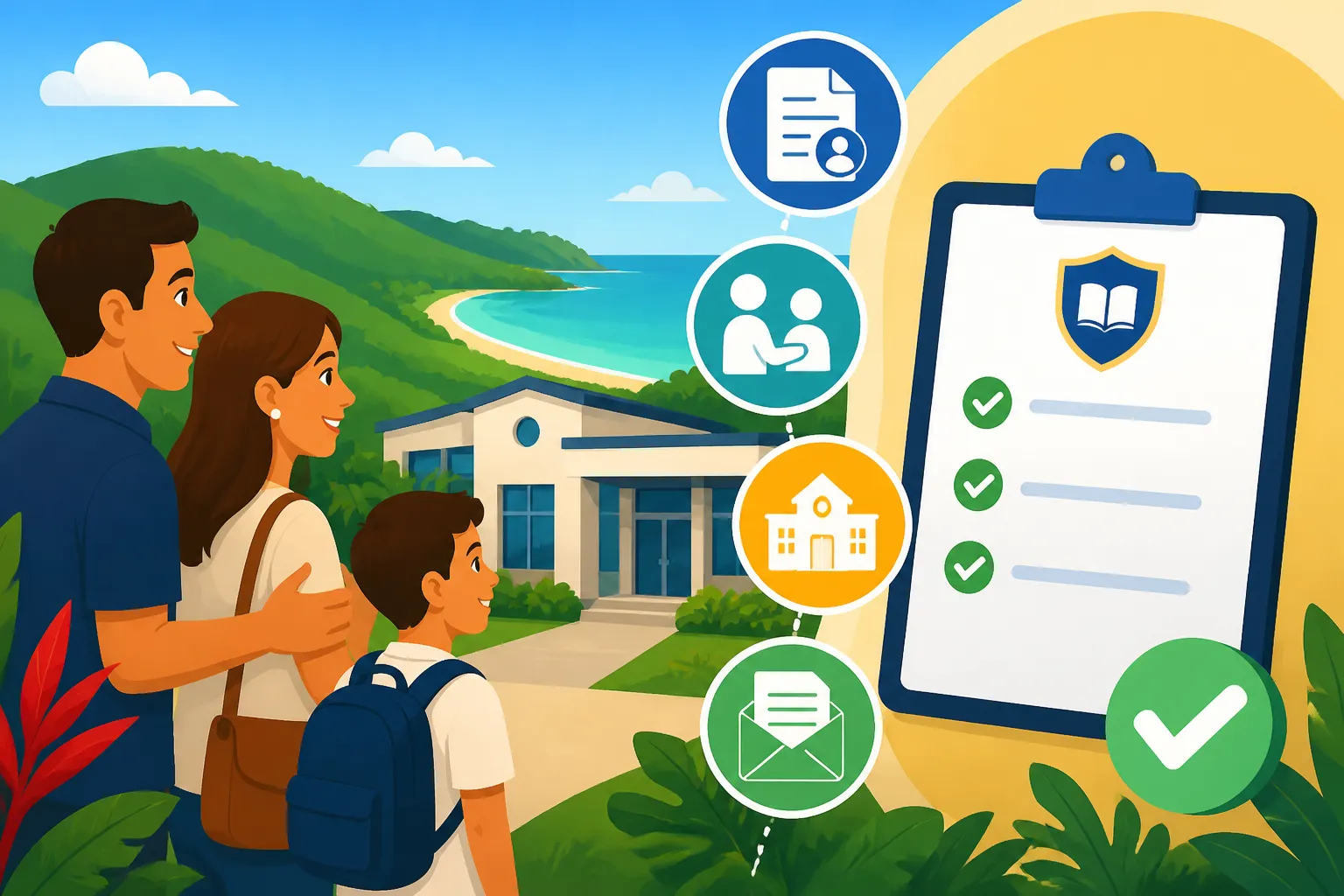
This is often where expats hit their first bureaucratic wall. The list of documents required for private school enrollment can be extensive, and many will need to be specially prepared. While requirements vary by school, here's a general list you should prepare for:
- Child's Birth Certificate: This will almost certainly need to be apostilled (or legalized) in your home country and then officially translated into Spanish by a public translator in Costa Rica. This process can be time-consuming, so get started early.
- Academic Transcripts/Records: Official school records from the past 1-2 years, also requiring apostille/legalization and official translation. Some schools might also ask for curriculum details from previous grades.
- Immunization Records: Official records of all vaccinations, again, likely needing translation and potentially an equivalency letter from a Costa Rican doctor. For important health considerations, remember to also read up on The Complete Guide to Healthcare in Costa Rica for Expats (2027).
- Passport Copies: A clear copy of your child's and both parents' passports, including the entry stamp to Costa Rica.
- Residency Documents (if applicable): If you or your child already have Costa Rican residency (DIMEX), a copy of the card will be required. If you're in the process of applying for residency, you might need a letter from your attorney confirming this. This connects directly to broader immigration processes, which our guide on The Complete Guide to Costa Rica Residency for Expats (2027) covers.
- Recommendation Letters: Some schools ask for letters of recommendation from previous teachers or school administrators, especially for older students.
- Photos: Passport-sized photos of the child.
- Application Forms: The school's specific application forms, usually filled out online or manually.
The apostille and translation process is a common headache for anything official in Costa Rica, from residency applications to school enrollment. You might need to send documents back to your home country for apostilling. Then, upon arrival, find a traductor oficial (official translator) certified by the Ministry of Foreign Affairs here to translate them into Spanish. Do not try to use Google Translate or a non-certified translator; schools will not accept it. This is similar to the process for residency, as explained in How Do I Get My Documents Apostilled for Costa Rican Residency?. Always check the specific requirements of each school, as they can sometimes differ significantly.
Assessments, Interviews, and Acceptance
Once your application and documents are submitted, the next phase involves evaluations designed to ensure your child is a good fit for the school's academic and social environment.
- Entrance Exams: Many private schools, particularly international ones, require entrance exams. These typically assess academic readiness in subjects like math and English, and sometimes Spanish. For non-native English speakers, there might be English proficiency tests. These aren't meant to "weed out" students, but rather to place them appropriately and identify any areas where additional support might be needed.
- Interviews: Both the student and parents might be interviewed. The student interview is often a casual conversation designed to gauge their personality, interests, and how they might adapt to a new school. Parental interviews are an opportunity for the school to understand your family's values, expectations, and commitment to the school community. This is your chance to ask any remaining questions and show genuine interest.
- Waitlists: Be prepared for the possibility of a waitlist. Highly-regarded private schools, especially in popular expat areas like Escazú and Santa Ana, often have more applicants than available spots. If your child is placed on a waitlist, inquire about its typical movement and any steps you can take to improve their chances. Sometimes, showing continued interest can make a difference.
- Acceptance and Enrollment: If your child is accepted, you'll receive an acceptance letter along with instructions for enrollment. This usually involves paying a non-refundable enrollment fee (matricula) and signing various agreements. This fee secures your child's spot, so be ready to act quickly.
The entire process demands patience. Things often move at a "Pura Vida" pace, which can be frustrating if you're used to quicker turnaround times. Follow up politely, but frequently, and keep all your correspondence organized.
Practical Considerations and Insider Tips
Beyond the application itself, there are several practical aspects and insider tips that can make your private school journey in Costa Rica much smoother. Trust me, I've seen enough expat families navigate this to know where the common pitfalls lie.
Costs and Financial Planning
Let's not beat around the bush: private schooling in Costa Rica, especially at international schools, is a significant financial commitment. It’s crucial to understand all the associated costs to budget effectively.
- Application Fees: A non-refundable fee, usually between $50-$200, simply to submit the application.
- Enrollment Fees (Matricula): This is a one-time or annual fee to secure your child's spot. It can range from a few hundred dollars to over $1,000, and is typically non-refundable.
- Tuition: This is the big one. Monthly tuition at international schools can range from $500 to $1,500+, depending on the grade level and the prestige of the school. Some schools offer discounts if paid annually in advance. Bilingual local schools tend to be more affordable, often in the $300-$800 per month range.
- Uniforms: Most private schools require uniforms. These must be purchased from designated suppliers and can cost several hundred dollars per child for a full set.
- Books and Materials: Textbooks, school supplies, and digital learning platforms might be an additional cost, sometimes covered by tuition, sometimes not. Expect to pay anywhere from $100 to $500 annually for these.
- Transportation: Many schools offer bus services, but these come at an extra charge (often $100-$300+ per month, depending on distance). If you plan to drive your child, factor in gas and vehicle maintenance, especially with the Central Valley's traffic.
- Extracurricular Activities: While some basic activities might be included, specialized programs, sports teams, or private lessons usually incur additional fees.
- Technology: Some schools require students to have their own laptops or tablets, which is an initial investment.
Here’s a rough breakdown of typical monthly costs to help you visualize the financial commitment, particularly for international schools:
| Cost Category | Estimated Monthly Range (USD) | Notes |
|---|---|---|
| Tuition | $500 – $1,500+ | Varies significantly by grade and school type |
| School Bus/Transport | $100 – $300+ | Optional, depends on distance |
| Meals/Lunch | $50 – $150 | If school cafeteria is used |
| Extracurriculars | $50 – $200+ | Varies by activity |
| Total (excluding initial fees) | $700 – $2,150+ | Does not include initial application, enrollment, uniform, books |
This is a significant portion of The Complete Guide to Cost of Living in Costa Rica for Expats (2026), so budget accordingly. Don't forget to ask about payment plans or any available sibling discounts. Scholarship opportunities for international students are rare, but it never hurts to inquire.
Logistics and Cultural Adaptation
Getting your child into a school is one thing; navigating the daily logistics and helping them adapt culturally is another.
- Transportation: If you plan on driving your kids to school, especially around the San José metropolitan area (Escazú, Santa Ana, Heredia), be prepared for serious traffic. School zones can get congested, and what looks like a short distance on a map can take ages. Consider carpooling with other expat families if possible. If you decide to drive yourself, understanding Driving in Costa Rica: Licenses, Registration and Rules for Expats (2027) is essential. Many families opt for the school bus service, despite the extra cost, for convenience and safety.
- Integration: Encourage your child to participate in extracurricular activities. This is often the quickest way for them to make friends and feel integrated into the school community. For parents, joining the Parent-Teacher Organization (PTO) or attending school events can help you build your own support network among other expat and local families.
- Language Support: Even in English-speaking international schools, children will be exposed to Spanish daily. This is a wonderful opportunity for them to become bilingual. Some schools offer additional Spanish language support for new students. Be mindful that outside of classes, especially with local friends, conversations will often switch to Spanish, which can be challenging at first.
- Patience with Bureaucracy: You'll hear this advice a lot in Costa Rica: Pura Vida also applies to administrative processes. Things can take longer than you expect, and communication might not always be as direct as you're used to. Adopt a patient, flexible mindset. Always follow up, but do so with a smile.
- Moving Your Life: If enrolling your child in school is part of a bigger move to Costa Rica, don't forget the logistics of actually getting your life here. Reliable international movers are crucial, and platforms like Sirelo can help you compare options to bring all your family's essentials, from furniture to those sentimental items that make a new house a home. It's a huge undertaking, and having your possessions arrive safely and efficiently can significantly ease the transition for the whole family. For advice on settling in, refer to The Complete Guide to Moving to Costa Rica: Your First 90 Days (2027).
Ultimately, applying for a private school spot in Costa Rica is a manageable process, but it demands forethought, organization, and a healthy dose of Pura Vida patience. Do your homework, get your documents in order, and be prepared for an exciting new chapter in your children's education!
Disclaimer
The information provided in this guide is for general informational purposes only and does not constitute legal, financial, or educational advice. While we strive to provide accurate and up-to-date information, school policies, fees, and governmental regulations in Costa Rica are subject to change without notice. We strongly recommend consulting directly with individual schools, legal professionals, or educational consultants for personalized advice regarding your specific situation.