How Do I Add My Newborn to My Residency in Costa Rica?
Oh, the sheer joy of welcoming a new little tico (or tica) into your expat family here in Costa Rica! It’s truly a magical experience, but let’s be real for a moment: the paperwork that follows is enough to make even the most seasoned expat want to pull their hair out. You’ve just gone through the miracle of childbirth, and now you’re faced with the labyrinthine process of adding your precious newborn to your Costa Rican residency. This guide is here to walk you through every step, every document, and every deep breath you’ll need to take to ensure your little one is legally settled in their new Pura Vida home.
Understanding the Legal Framework for Your Tico Baby
When you have a baby in Costa Rica, it’s not just about tiny clothes and sleepless nights; it’s also about laying the legal groundwork for their life here. It’s a bit different than what you might be used to back home, especially regarding nationality and how that links to your own residency.
Birth Registration and Nationality
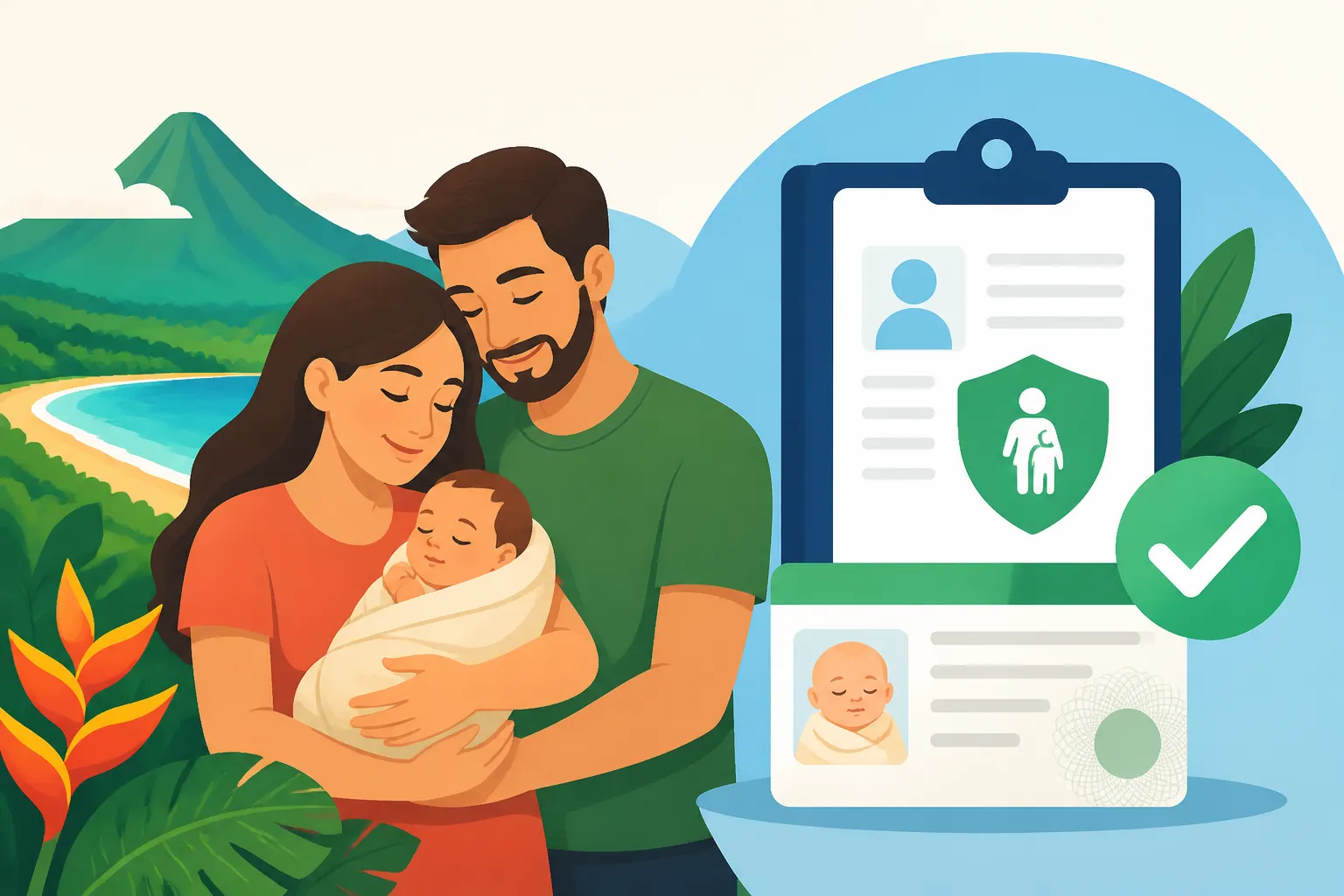
The first crucial step after your baby arrives is, naturally, getting their birth officially registered. This happens at the Registro Civil, which is the Civil Registry. If your baby is born in a hospital here – which most expat babies are – the hospital staff will usually help you initiate this process. They will provide you with a "Certificado de Nacimiento" or a birth certificate form, which you then take to the Registro Civil. This is where your baby’s journey into the Costa Rican system truly begins.
What’s fascinating (and often a huge relief for expat parents) is Costa Rica's jus soli principle, meaning "right of the soil." Any child born on Costa Rican territory, regardless of the parents' nationality, is automatically a Costa Rican citizen. Yes, that’s right – your little one is a bona fide tico from day one! This can be incredibly beneficial for their future, offering them all the rights and privileges of a national. You’ll need to provide your own identification, like your DIMEX residency card, and sometimes your passport, along with the birth certificate from the hospital, to complete this registration. Don't underestimate the significance of this first step; it’s the foundation for everything else, so get it done as soon as you're physically and emotionally ready after the birth.
The Importance of a Legal Foundation
Securing your newborn's birth registration and linking it to your residency status isn't just a bureaucratic formality; it's a critical step for their entire life here. Without proper registration, your child won’t officially exist in the eyes of the Costa Rican government, which means no access to public healthcare, no enrollment in schools, and no ability to get their own passport or cédula later on. Think of it as their legal identity card – indispensable for everything.
Any delays in this process can create a ripple effect of complications. Imagine trying to get your child urgent medical care only to find they aren't properly registered in the national health system, or attempting to enroll them in school years down the line and encountering hurdles because their initial birth record is incomplete or wasn't correctly linked to your family unit. Getting this right from the very beginning, with all documents in order and submitted promptly, saves you countless headaches and future frustration. It truly sets your child up for a smooth life as part of the Costa Rican community.
Step-by-Step Guide to Adding Your Newborn to Your Residency
Once your newborn is officially registered as a Costa Rican citizen, the next big hurdle is to ensure they are formally recognized as a dependent on your residency status. This process falls under what's often called "family reunification" or "Vinculo familiar" at Dirección General de Migración y Extranjería (DGME), also known as Migración.
Gathering Essential Documents
This is where the infamous Costa Rican paperwork shuffle truly begins. You’ll need a meticulously organized folder (or three!) because Migración loves its documents in perfect order. Here’s a breakdown of what you'll typically need, but always check the most current requirements on the Migración website or with a trusted immigration lawyer, as they can sometimes change:
First and foremost, you’ll need your newborn’s official Costa Rican birth certificate, certificado de nacimiento, issued by the Registro Civil. This is the cornerstone. Then, for both parents, you'll need your valid DIMEX residency cards (the physical card itself and several copies, front and back) and your passports (original and copies of all stamped pages, including your entry stamp into Costa Rica). If you are married, your marriage certificate will also be required. If that marriage certificate was issued outside of Costa Rica, it must be apostilled in your home country (or legally certified by the Costa Rican consulate in that country) and then translated into Spanish by an official translator here. This step of authentication and translation for foreign documents is absolutely vital – don't skip it, or your application will be rejected.
You'll also need proof of economic solvency, demonstrating that you can support your child. This usually involves recent bank statements, a letter from your employer, or other documentation showing a stable income. Depending on the type of residency you hold (e.g., Pensionado, Rentista, Inversionista), the specific requirements for this might vary, so double-check what's relevant to your situation. Additionally, you’ll need to provide several passport-sized photos of your newborn. While newborns obviously don't have fingerprints taken, older children (typically 12 and above) would need this, but it's good to be aware for future renewals or if you have older children joining you. The document scavenger hunt can feel overwhelming, especially with a new baby, so consider getting professional help or at least starting early. For more detailed insights into what documents are required for your own residency, you might want to read our guide on What Documents Do I Need for Costa Rican Residency?.
Navigating Migración (DGME) for Family Unification
Once you have your stack of perfectly organized and authenticated documents, the next step is to submit your application to Migración. This process can be quite daunting if you’re doing it alone, as the system can be complex and appointments hard to come by.
You'll generally need to apply for a "Vinculo" (family tie) residency for your newborn. This usually falls under the same category as when you apply for Family Residency in Costa Rica: How to Bring Your Spouse and Children. You’ll need to make an appointment with Migración. In the past, this often involved showing up incredibly early and waiting in long lines, but now many processes are handled via an online appointment system. However, getting those appointments can still feel like winning the lottery. You'll submit all your compiled documents, pay the application fees, and then, well, you wait.
The processing times at Migración are, to put it mildly, variable. It’s not uncommon for applications to take several months, sometimes even over a year, to be fully processed. This is why many expats choose to work with an experienced immigration lawyer. A good lawyer not only helps you gather and prepare all the necessary documents correctly but can also navigate the appointment system and follow up on your application, often expediting the process and catching potential issues before they become major roadblocks. They know the ins and outs, the unspoken rules, and how to best present your case. This investment can save you immense stress and time, allowing you to focus on your new family member. It's often worth exploring how long the entire process might take by checking out How Long Does Costa Rican Residency Take to Process?.
Healthcare and Education for Your New Family Member
Beyond the initial residency paperwork, you'll need to think about your newborn's ongoing needs, particularly healthcare and, eventually, education. Costa Rica has systems in place, but understanding how they integrate with your expat status is key.
Enrolling Your Newborn in the Caja (CCSS)
One of the cornerstones of living legally in Costa Rica as a resident is participation in the Caja Costarricense de Seguro Social (CCSS), the public healthcare system. This is non-negotiable for residents, and your newborn is no exception. As soon as your residency for your child is approved (or even while it's processing, if you've done everything else correctly), you'll need to ensure they are added to your Caja coverage. The beauty of the Caja is that once you’re enrolled, your dependents are covered, often with minimal additional cost.
The process to add your child usually involves providing their new Costa Rican birth certificate and your DIMEX cards to the local EBAIS (clinic) where you are registered, or directly at a Caja office. They will then be assigned an EBAIS, a primary care doctor, and will be able to access all the services the Caja offers, including routine check-ups, vaccinations, and specialized care if needed. This is a massive benefit, ensuring your child has access to quality medical care from birth. Having your child on the Caja gives you incredible peace of mind, knowing that whatever medical need arises, they’ll be covered. To understand this better, you can refer to our detailed guide on How to Add Dependents to Your Caja Coverage in Costa Rica. The initial enrollment process for you, the parent, is comprehensively covered in The Expat Guide to Joining the Caja (CCSS) in Costa Rica (2027).
Planning for Their Future: Education and Other Services
While your newborn might be years away from school, thinking ahead about their education and other essential services is a smart move. Because your child is a Costa Rican citizen by birth, they will have access to the full public education system, which can be a significant financial relief for expat families. However, many expat families also choose private or international schools for continuity or specific curricula.
Early registration into the national system, even if it's just their birth registration and Caja affiliation, ensures that when the time comes for school, you won't encounter unnecessary administrative hurdles. This robust legal foundation means they can seamlessly transition into various Costa Rican services as they grow. For those who want supplementary medical coverage, or desire access to private hospitals like Hospital CIMA, Clínica Bíblica, or Hospital Metropolitano without long wait times, a private health insurance plan can be a great option. Providers like Cigna Global offer comprehensive international health insurance that can complement your Caja coverage, giving you the best of both worlds and flexibility in choosing doctors and facilities. Knowing you have these options allows you to tailor your child's care to your family's preferences and needs. You can explore more about school options in Schools and Education in Costa Rica: A Complete Guide for Expat Families.
Common Challenges and Expert Tips for New Expat Parents
Navigating the expat journey with a newborn adds a whole new layer of complexity. The joys are immense, but so too can be the challenges, especially when dealing with a foreign bureaucracy.
Bureaucratic Hurdles and Patience
Let’s be honest: Costa Rican bureaucracy can test the patience of a saint, and it's even more challenging when you’re sleep-deprived and juggling a tiny human. The system operates on a different rhythm, often much slower than what you might be accustomed to in your home country. You might find conflicting information, encounter multiple steps for what seems like a simple task, or face unexpected delays. This is where the Pura Vida mentality truly comes into play – not just as a saying, but as a survival strategy. Take a deep breath, accept that things will move at their own pace, and remember that persistence is key.
My best advice for dealing with government offices like Migración or the Registro Civil is to be meticulously organized, always make multiple copies of every single document, and arrive early for any appointments. Be polite, even when frustrated, and try to learn a little Spanish; it goes a long way. Consider engaging a reputable immigration attorney or a tramitador (a professional who helps navigate paperwork) to assist with the residency process. While there's a cost, the peace of mind and time saved can be invaluable. It ensures that all documents, especially those requiring apostilles and translations, are handled correctly, minimizing the chances of rejection. For more on navigating your own residency, see The Complete Guide to Costa Rica Residency for Expats (2027).
Logistical Considerations Beyond Paperwork
Beyond the piles of paperwork, welcoming a newborn as an expat involves a myriad of logistical considerations. If you’re newly arrived or planning a move with a baby, shipping all your baby essentials can be a huge undertaking. Companies like Sirelo specialize in international moving and can help streamline the process of getting everything from cribs to car seats safely to Costa Rica, alleviating one massive stress point. They understand the nuances of international logistics and can make your transition smoother.
Finding your support network is also paramount. Seek out other expat parents – online forums, local expat groups, or even hospital connections can be a great starting point. They can share advice on everything from finding English-speaking pediatricians (a huge relief when you’re concerned about your little one!) to where to buy specific baby products. Many areas, especially around San José like Escazú and Santa Ana, have excellent private clinics and pediatricians who are fluent in English. Having a doctor you can communicate clearly with is invaluable, especially in those early months. Additionally, understanding the intricacies of the public health system and knowing How to Find an English-Speaking Doctor in Costa Rica can provide immense comfort. It’s not just about the legalities; it’s about building a life and a support system for your new family here.
| Step | Action Required | Key Documents | Location | Estimated Timeline |
|---|---|---|---|---|
| 1. Birth Registration | Obtain birth certificate from hospital, then register with Registro Civil. | Hospital Birth Certificate, Parents' IDs (DIMEX/Passport), Marriage Certificate (if applicable, apostilled/translated if foreign). | Hospital & Registro Civil | 1-4 weeks |
| 2. Residency Application | Apply for "Vinculo" (Family Tie) residency for newborn at Migración. | Newborn's Costa Rican Birth Certificate, Parents' DIMEX/Passports, Proof of Solvency, Passport Photos, Marriage Certificate (if applicable). | Migración (DGME) | 6-18 months (variable) |
| 3. Caja Enrollment | Add newborn as a dependent to your existing Caja (CCSS) coverage. | Newborn's Costa Rican Birth Certificate, Parents' DIMEX, Proof of Residency Approval (if applicable). | Local EBAIS / Caja Office | 2-4 weeks after residency approval |
| 4. Ongoing Services | Explore private health insurance (optional), plan for future education. | N/A (for initial setup) | Various providers & schools | Ongoing |
Disclaimer
The information provided in this guide is intended for general informational purposes only and does not constitute legal or professional advice. While we strive to provide accurate and up-to-date information, immigration laws and procedures in Costa Rica can change frequently. It is highly recommended that you consult with a qualified Costa Rican immigration attorney or legal professional for advice tailored to your specific situation. Reliance on any information in this guide is solely at your own risk.