Can Americans Get Residency in Costa Rica?
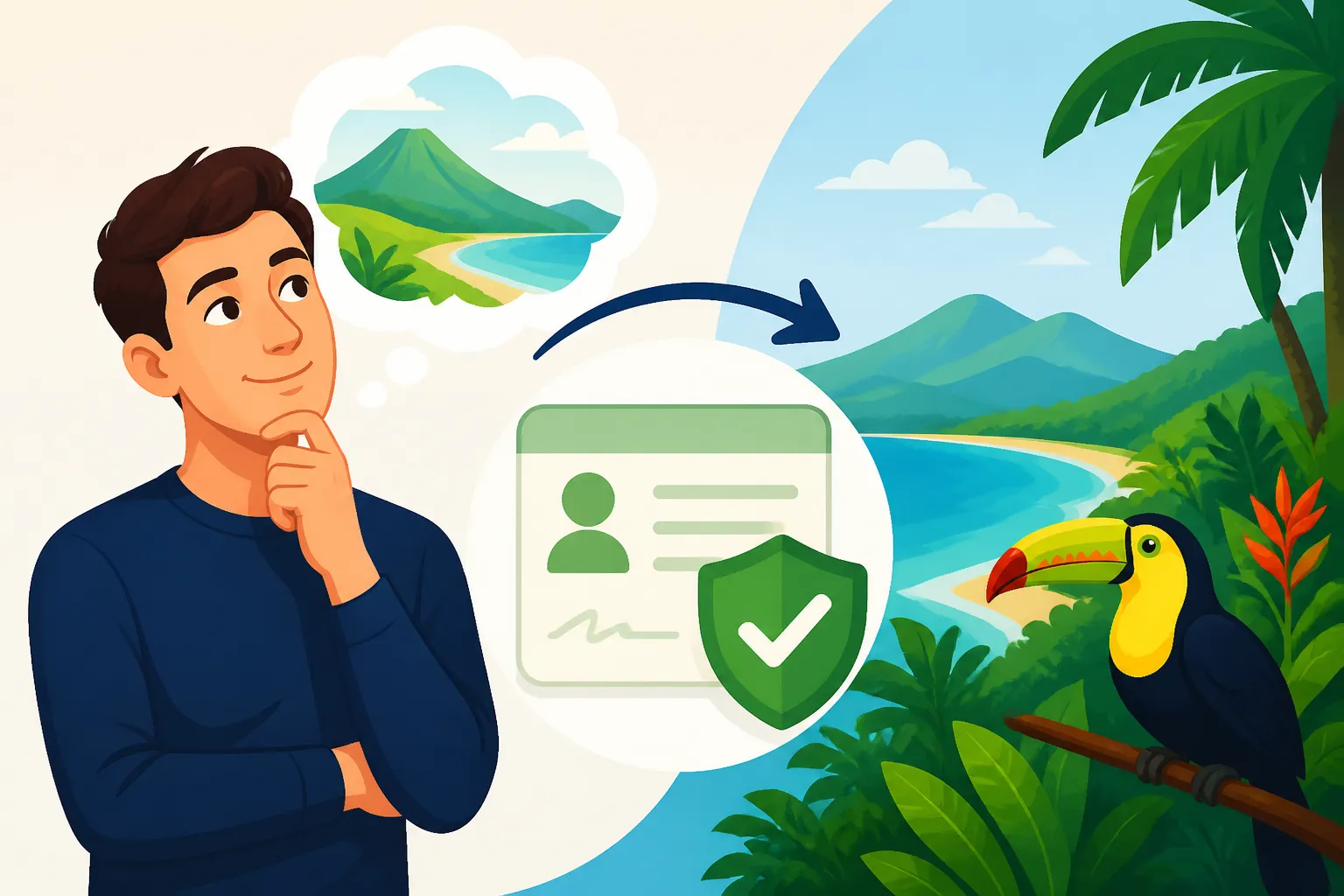
The dream of moving to Costa Rica is a powerful one for many Americans, fueled by images of lush rainforests, pristine beaches, and a slower pace of life. But beneath the allure of "Pura Vida" lies a bureaucratic labyrinth that can quickly turn excitement into exasperation when it comes to long-term stays. This guide is here to cut through the confusion, offering a realistic, empathetic, and step-by-step look at how Americans can actually secure residency in this beautiful country.
The Straight Answer: Yes, Americans Can Get Residency in Costa Rica (But There's a Catch)
Let's get right to it: Yes, absolutely, Americans can obtain legal residency in Costa Rica. You are not barred by your nationality, which is fantastic news. However, it’s not simply a matter of wanting to live here. Like any sovereign nation, Costa Rica has specific rules and requirements, and these rules are designed to ensure that foreign residents can support themselves and contribute to the local economy without becoming a burden. The "catch" isn't malicious; it's just different from what you might be used to, and it requires planning, patience, and often a healthy dose of good humor.
Many come down thinking they can just show up and figure it out. Believe me, I’ve seen countless hopefuls try that approach, only to find themselves stuck in a cycle of visa runs or, worse, running afoul of immigration rules. The key to a successful move is understanding the pathways before you even pack your first box. Costa Rica isn't looking for just anyone; they're looking for individuals who fit into established categories, mainly based on economic stability or family ties. This means you need to meet specific financial thresholds or have a direct familial connection to a Costa Rican citizen or resident. If you’re coming from a country where immigration processes are simpler or more fluid, prepare for a bit of a culture shock. It's a system that values careful documentation and adherence to procedures, which can feel incredibly slow and opaque at times.
Common Residency Pathways for Americans in Costa Rica
Costa Rica offers several avenues for foreigners to become residents, and for Americans, the most common ones typically revolve around proving a stable income or making a significant investment. It's crucial to pick the right category for your situation, as the requirements and benefits vary significantly. Each path has its own set of hoops to jump through, and understanding these upfront can save you a tremendous amount of time, money, and stress.
Pensionado Residency Program for Retirees
The Pensionado program is perhaps the most well-known and often the most appealing for American retirees. It's designed for those who can demonstrate a consistent, lifetime income from a pension or retirement fund. The appeal is clear: enjoy your retirement in a tropical paradise.
To qualify for Pensionado residency, you need to prove a minimum monthly income of $1,000 USD from a permanent pension source. This isn't just a lump sum in your bank account; it must be a verifiable, recurring payment, usually from a government pension, private company pension, or other retirement fund. Social Security benefits are a common way many Americans meet this requirement. You'll need official letters from the paying institution, translated into Spanish, and often apostilled in the United States before you even arrive. This documentation is critical, as immigration authorities will scrutinize it to ensure its legitimacy and permanence. The process requires careful attention to detail, and any discrepancy or missing document can cause significant delays. Remember, this $1,000 threshold covers the primary applicant, and it's generally understood that it needs to be sufficient for your basic living expenses here. If you're bringing a spouse, they can be added as a dependent, but it's wise to have more than the bare minimum to live comfortably, especially with inflation and unexpected costs. Many expats find that while the $1,000 minimum gets you in the door, a more realistic budget for a comfortable life starts closer to $2,000-$3,000 a month for a couple.
Rentista Residency for Independent Income Earners
If you're not retired but have a stable, independent income, the Rentista program might be your best bet. This category is perfect for those who receive consistent income from investments, rentals, or other passive sources.
The Rentista residency requires you to prove a minimum monthly income of $2,500 USD. However, unlike the Pensionado, this income typically needs to be deposited into a Costa Rican bank account. Alternatively, and more commonly for Americans, you can deposit a lump sum of $60,000 USD into a Costa Rican bank for a two-year period, effectively guaranteeing your income for the initial residency term ($2,500 x 24 months). This sum must remain untouched, providing proof that you have the financial means to support yourself without seeking employment in Costa Rica. This can be a significant hurdle for some, as it means tying up a substantial amount of capital. For those who earn their income through remote work, it's important to understand that technically, the Rentista category is for passive income. However, many remote workers apply under this category, fulfilling the financial requirement through bank deposits, while their foreign-sourced work income is generally not taxed in Costa Rica due to its territorial tax system. This is a nuanced area, and getting clarity from a local immigration attorney is always advisable.
Inversionista Residency for Investors
For those with capital to invest in Costa Rica, the Inversionista residency offers a pathway to permanent stay. This is a popular option for Americans looking to start a business, invest in real estate, or contribute to the country's economic development.
The Inversionista program requires a minimum investment of $150,000 USD. This investment can be in various forms, such as real estate (buying a house or land), a business, or even reforestation projects. The key is that the investment must be recognized and approved by the Costa Rican government. For many, purchasing property is the most straightforward way to meet this requirement. You'll need to provide documentation of the investment, such as property titles or business registration papers, and demonstrate that the funds came from legitimate sources. This path often involves working closely with local lawyers and financial advisors to ensure the investment qualifies and all paperwork is correctly filed. This category often appeals to those who are already committed to making Costa Rica their home and want to establish roots through ownership. Remember, while the investment amount is significant, the long-term benefits of residency and potentially generating income from that investment can be very attractive.
Digital Nomad Visa: A Newer, Flexible Option
The Digital Nomad Visa is a relatively new and exciting option, specifically designed for remote workers and freelancers who earn their income from outside Costa Rica. This visa isn't exactly a "residency" in the traditional sense, but it offers a longer, more flexible stay than a tourist visa.
To qualify for the Digital Nomad Visa, you need to prove a minimum monthly income of $3,000 USD from a foreign source. If you're applying with dependents, this amount increases to $4,000 USD per month. This income must come from work performed remotely for a company or clients outside of Costa Rica. The visa grants you an initial stay of one year, with the possibility of extending it for an additional year. One of the attractive benefits is an exemption from Costa Rican income tax on your foreign earnings and the ability to open a local bank account and use your foreign driver's license for the duration of the visa. This is a game-changer for many who struggled with the limitations of a tourist visa. While it doesn't lead directly to permanent residency in the same way the other categories do, it's a fantastic stepping stone for those who want to "try out" living in Costa Rica for a longer period before committing to a full residency application. This visa has streamlined the process significantly for remote workers, acknowledging the global shift in employment.
You can learn more about this specific pathway in our detailed guide on The Complete Guide to the Costa Rica Digital Nomad Visa (2027).
Marriage or Family Ties Residency (Vinculo)
For Americans married to a Costa Rican citizen or who have a Costa Rican child, the Vinculo residency offers a direct path. This category emphasizes family unity and is often one of the more straightforward routes, though it still requires extensive documentation.
If you are married to a Costa Rican citizen, you can apply for residency based on your marital union. Similarly, if you have a child born in Costa Rica, you can apply for residency as the parent. The crucial part here is proving the authenticity of the relationship. For spouses, this means providing a valid marriage certificate, often apostilled in your home country and translated. For parents, it involves the child’s Costa Rican birth certificate. Immigration officials are vigilant about preventing sham marriages, so expect a thorough review of your relationship's history, including joint bank accounts, property, or shared photos. This process, while often more emotionally charged, can cut through some of the financial hurdles associated with other residency types. However, it’s not an instant solution, and the application still moves at the same ritmo tico (Costa Rican pace) as others.
Navigating the Application Process: What Americans Can Expect
So, you've chosen your residency path. Now comes the real work: the application itself. This is where many expats hit a wall, not because the requirements are impossible, but because the process demands extreme patience, meticulous organization, and a willingness to adapt to the local way of doing things. It's often said that "patience is a virtue" in Costa Rica, and nowhere is that more true than with immigration.
Gathering Your Documents: The Apostille Trail
The first, and arguably most critical, step is gathering all the necessary documents from your home country. For Americans, this usually means obtaining original birth certificates, marriage certificates (if applicable), and a criminal background check (FBI report is usually required). Each of these documents must be apostilled by the relevant authority in the United States. An apostille certifies the authenticity of the document's signature and seal, making it recognizable internationally.
This apostille process can be a bureaucratic headache in itself, often requiring you to send documents to various state departments or the U.S. Department of State. If you have records from multiple states, this means navigating different state procedures. Don't underestimate the time this takes; it can easily be weeks, if not months, to get everything back properly certified. Once apostilled, these documents will need to be translated into Spanish by an official translator here in Costa Rica. This isn't a job for Google Translate; you'll need a certified public translator, many of whom can be found through the Ministry of Foreign Affairs and Worship or recommended by your immigration attorney. Missing even one apostille, or having an uncertified translation, will lead to your application being rejected or significantly delayed. It's truly a test of your organizational skills and your commitment to the move. For a more detailed look at this, check out Understanding the Documents and Apostille Needed for Residency in Costa Rica.
Engaging an Immigration Attorney
While some expats attempt to navigate the residency process on their own, it's highly recommended for Americans to engage a reputable Costa Rican immigration attorney. These professionals understand the nuances of the law, the specific requirements of Migración (Costa Rica's immigration department), and can help you avoid common pitfalls. They'll also handle the submissions, follow-ups, and communications with government agencies on your behalf, which is invaluable if your Spanish isn't fluent.
A good attorney will guide you on exactly which documents you need, ensure they're correctly apostilled and translated, and help you prepare for any interviews or additional requests from Migración. They can also advise on the best residency category for your unique situation and help troubleshoot issues that inevitably arise. While this adds to the cost, the peace of mind and increased likelihood of a smooth process are often well worth the investment. Be wary of attorneys who promise impossibly fast timelines or charge suspiciously low fees; like anywhere, quality legal representation comes at a price. Many successful expats consider their immigration attorney to be one of their first and most important hires.
The Timeline: Expect Paciencia
The Costa Rican residency process is not fast. From the moment you submit your complete application, expect it to take anywhere from 6 months to 2 years, or even longer in some cases. This timeframe varies depending on the type of residency, the volume of applications Migración is handling, and how quickly you can respond to any requests for additional information.
During this waiting period, you'll generally be in a legal "pending" status, which means you are allowed to remain in Costa Rica. However, until your residency is officially approved and your DIMEX card is issued, you are still technically operating under the rules of your tourist visa, meaning you can't work legally, even if your residency category allows it eventually. This can be a challenging period, as you are in limbo. Many Americans choose to do "visa runs" during this time, leaving the country every 90 days to reset their tourist visa, though this practice is officially discouraged if you have a pending residency application. However, once you receive your DIMEX card, which is your official residency identification, a whole new world opens up. Read about the process of getting your ID in How to Get Your DIMEX Residency Card in Costa Rica.
Here's a simplified breakdown of the common residency types and their income/investment requirements for Americans:
| Residency Category | Minimum Monthly Income | Minimum Investment (if applicable) | Work Permit | Ideal For |
|---|---|---|---|---|
| Pensionado | $1,000 USD (lifetime pension) | N/A | After 3 years (not direct) | Retirees with stable pensions |
| Rentista | $2,500 USD (passive income) or $60,000 lump sum | $60,000 USD (deposited locally) | After 3 years (not direct) | Those with independent, passive income |
| Inversionista | N/A | $150,000 USD (property, business, etc.) | Yes, for own business | Investors, entrepreneurs |
| Digital Nomad | $3,000 USD (single) / $4,000 USD (family) | N/A | N/A (work for foreign entities only) | Remote workers, freelancers |
| Vinculo | N/A (depends on relationship) | N/A | Yes (with spouse/child) | Spouses of Ticos, parents of Tico children |
Maintaining Your Residency and Life Beyond the Permit
Getting residency is a huge milestone, but it's just the beginning of your life as an expat in Costa Rica. Once you have your DIMEX card in hand, there are ongoing responsibilities and considerations to ensure you maintain your legal status and integrate smoothly into your new home.
Mandatory Caja Membership
One of the most significant aspects of obtaining and maintaining residency in Costa Rica is the mandatory enrollment in the Caja Costarricense de Seguro Social (CCSS), the public healthcare system, often simply called "La Caja." This is not optional; it's a legal requirement for all residents. Your monthly contribution to the Caja is typically calculated as a percentage of your declared income, whether from your pension, investments, or business.
This enrollment grants you access to Costa Rica's excellent public healthcare system, which includes doctor's visits, specialists, surgeries, and prescription medications. While the system can have wait times for certain procedures or specialist appointments, the quality of care is generally high, and it's a huge benefit. Expect some initial paperwork and a bit of a wait to get fully integrated, but once you're in, you're covered. This is a critical component of living legally here, and understanding it fully is paramount. You can dive deeper into this topic with our guide on Understanding the Caja Affiliation Requirement for Residency in Costa Rica or read up on The Expat Guide to Joining the Caja (CCSS) in Costa Rica (2027). While the Caja is mandatory, many also opt for supplemental private insurance, with providers like Cigna Global offering comprehensive international plans that can provide quicker access to private hospitals like CIMA, Clínica Bíblica, or Hospital Metropolitano, especially for non-emergency situations.
Renewals and Permanent Residency
Your initial temporary residency permit (DIMEX card) is typically valid for one or two years. Before it expires, you must apply for a renewal. This renewal process is generally less arduous than the initial application but still requires updated documents, proof of continued income/investment, and current Caja payments.
After a certain period of temporary residency (usually three years for Pensionado, Rentista, and Inversionista categories, but it varies), you may become eligible to apply for permanent residency. Permanent residency offers more stability, fewer renewal requirements, and often greater flexibility, including the ability to work in any field without specific permits. This transition from temporary to permanent is a significant step and requires another formal application process through Migración. For example, individuals under the How to Get the Pensionado (Retiree) Residency in Costa Rica (2027) category can often apply for permanent residency after three years.
Settling In and Living "Pura Vida"
Once you have your residency sorted, the real fun begins: integrating into Costa Rican life. This includes everything from setting up utilities like electricity (ICE/CNFL) and water (AyA), to learning Spanish, to understanding local customs and traditions. You'll want to explore the different regions to find your perfect fit, whether that's the vibrant Central Valley, the laid-back Pacific coast, or the serene Caribbean side.
Many expats find that engaging with the local community, whether through volunteer work, language exchanges, or simply patronizing local businesses, enriches their experience immensely. Shipping your belongings to Costa Rica is another big hurdle, and many expats utilize international moving services like Sirelo to help them navigate the logistics of transporting their life down here. It’s a huge undertaking, so having expert help with customs forms and transportation can make a world of difference. The administrative hurdles of residency may seem daunting, but the reward of a fulfilling life in Costa Rica makes it all worthwhile. Embrace the journey, be patient, and prepare to immerse yourself in the beauty of Pura Vida. For more comprehensive information, consult The Complete Guide to Costa Rica Residency for Expats (2027).
Disclaimer
The information provided in this guide is for general informational purposes only and does not constitute legal or financial advice. Immigration laws and regulations in Costa Rica can change frequently. It is essential to consult with a qualified Costa Rican immigration attorney for advice tailored to your specific situation and to ensure you have the most current information before making any decisions related to residency or relocation.