Are Private Hospital Rooms Expensive in Costa Rica?
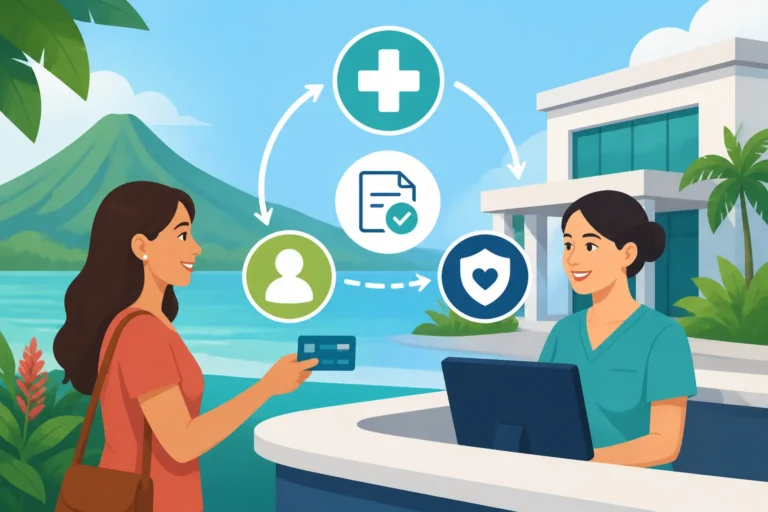
One of the biggest anxieties for anyone moving to a new country, especially when it comes to healthcare, is the unknown cost. You might be wondering about the comfort and accessibility of private hospitals in Costa Rica, and specifically, if getting a private room is going to break the bank. It's a completely valid concern, and I've seen countless expats grapple with this very question. This guide will dive deep into the real costs of private hospital rooms in Costa Rica, exploring what you can expect, how insurance plays a role, and practical tips for navigating these expenses.
Understanding the Landscape of Private Hospitals in Costa Rica
When you first arrive in Costa Rica, the healthcare system can feel like a maze. While the public system, known as the Caja Costarricense de Seguro Social (CCSS) or simply "Caja," is robust, many expats often opt for private healthcare due to perceived shorter wait times, English-speaking staff, and more comfortable facilities. The decision between public and private can be a big one, as explored in Public vs Private Healthcare in Costa Rica: Which Should Expats Choose?.
The Major Players and Their Reputation
Costa Rica boasts several highly reputable private hospitals, primarily concentrated in the greater San José area, though you'll find quality clinics and smaller hospitals elsewhere. These institutions are often state-of-the-art and cater heavily to the expat community and medical tourists.
- Hospital CIMA San José: Located in Escazú, CIMA is often considered one of the top private hospitals in the country, known for its modern facilities, broad range of specialists, and strong international accreditations. It's a popular choice for expats and often has English-speaking staff readily available. This hospital's reputation for high standards naturally translates into its pricing structure.
- Clínica Bíblica: With its main hospital in downtown San José and several satellite clinics, Clínica Bíblica is another long-standing and respected private healthcare provider. It offers a comprehensive array of services and is also well-regarded for its quality of care. Their facilities are continually updated, making them a comfortable option for many.
- Hospital Metropolitano: This hospital, with its main campus in Tibás and smaller clinics around the Central Valley, has gained popularity for offering quality care at slightly more competitive prices than CIMA or Clínica Bíblica, making it an attractive option for those looking for a balance between cost and quality. They've expanded their reach, and their facilities are clean and modern.
These hospitals offer a noticeable upgrade in terms of patient amenities and often provide a more personalized experience compared to the public system. However, this comfort and convenience come with a price tag, and understanding that price tag is key. When you're dealing with an emergency, knowing Emergency Medical Care in Costa Rica: What Every Expat Needs to Know is paramount, regardless of whether you choose public or private.
Factors Influencing Private Hospital Room Costs
The cost of a private hospital room isn't just a flat rate; it's influenced by a variety of factors, much like a hotel room. It's not just about the bed; it's about the entire support system around it.
- Location, Location, Location: Just like real estate, the hospital's location plays a role. Hospitals in prime areas of San José, like Escazú, tend to have higher overheads, which are reflected in their room rates. A room in a smaller private clinic outside the capital might be less expensive, but perhaps with fewer specialized services on hand.
- Type of Room: This is probably the most significant factor. Most private hospitals offer a spectrum of rooms:
- Standard Private Room: This is your basic single-occupancy room, providing privacy, an en-suite bathroom, and typically a pull-out couch for a family member. It's a step up from a shared ward.
- Deluxe Private Room/Suite: These rooms offer more space, sometimes a separate sitting area, upgraded amenities, and perhaps better views. They are designed for maximum comfort and convenience during your stay. The luxury and added space, of course, drive up the price.
- Length of Stay: Naturally, the longer you stay, the more expensive it gets. Daily room rates are billed, and these can add up quickly, especially for complex cases requiring extended recovery.
- Included Services: While the daily room rate covers the bed, basic nursing care, and standard meals, it rarely covers everything. Medications, specific medical procedures, consultations with specialists, diagnostic tests (X-rays, MRIs), and specialized equipment are almost always billed separately. It's not like an all-inclusive resort, far from it!
It’s crucial to distinguish between the room rate itself and the overall bill you’ll receive for a hospital stay. The room is just one component of The Cost of Healthcare in Costa Rica: A Complete Breakdown for Foreigners (2026).
A Detailed Breakdown of Private Hospital Room Costs
Let's get down to the numbers, because this is where the rubber meets the road. It’s important to remember that these are estimates, and prices can fluctuate based on the specific hospital, current exchange rates, and any unique circumstances.
Typical Daily Rates for Different Room Types
Based on recent inquiries and expat experiences, here's a general idea of what you might expect for daily private hospital room rates in Costa Rica's top private facilities:
| Room Type | Estimated Daily Rate (USD) | What's Typically Included |
|---|---|---|
| Standard Private Room | $250 – $400 | Private room, en-suite bathroom, basic nursing care, standard meals, guest sofa. |
| Deluxe Private Room | $400 – $700+ | Larger space, enhanced amenities, separate seating area, advanced TV/internet, more attentive guest services. |
| ICU/Critical Care | $800 – $1500+ | Intensive monitoring, specialized medical equipment, higher nurse-to-patient ratio (room rate is often bundled with treatment). |
These figures are for the room itself, not the treatment. For context, these rates are often significantly lower than comparable private hospital rooms in the United States, but can still feel substantial without proper planning or insurance. When you consider the quality of care, it can often be a good value.
What's Included and What's Extra?
This is where many expats get tripped up. The daily room rate covers the bed, the four walls, and a few basic services. Think of it like booking a hotel room: you get the room, but room service, mini-bar, and special events are extra.
- Included: Typically, your daily room charge covers the physical space, basic nursing care, and regular hospital meals. If you have a guest, the pull-out sofa might be included, and perhaps basic TV and Wi-Fi.
- Extra Charges (the long list): This is where the bill can really balloon. Expect separate charges for:
- Doctor's Fees: Every consultation with a doctor, specialist, or surgeon.
- Diagnostic Tests: Blood work, X-rays, CT scans, MRIs (How Much Does an MRI Scan Cost in Costa Rica in 2026?), ultrasounds.
- Medications: All prescribed drugs, whether administered in the hospital or taken home.
- Procedures/Surgery: The operating room time, the surgeon's fees, anesthesiologist's fees, and all surgical supplies.
- Medical Supplies: Bandages, syringes, IVs, catheters, etc.
- Therapies: Physical therapy, occupational therapy, respiratory therapy sessions.
- Special Equipment: Oxygen tanks, specialized beds, monitoring devices.
- Lab Fees: Any analysis done on samples.
- Emergency Room Fees: If your stay started in the ER, that's a separate charge from the room rate. Check out How Much Does an Emergency Room Visit Cost in Costa Rica? for more details.
It truly adds up, and without health insurance, a multi-day private hospital stay for anything beyond a minor issue could easily run into thousands or even tens of thousands of dollars.
The Impact of Insurance
Having good health insurance is not just recommended; it’s an absolute necessity if you plan to utilize private hospitals in Costa Rica. This isn't a place where you want to wing it financially. Your insurance choice will fundamentally change how these costs affect your pocketbook. For a broader overview, you should definitely read Health Insurance in Costa Rica: Caja, INS and International Options Explained.
- Local Private Insurance (e.g., INS): Costa Rica's national insurance provider, INS (Instituto Nacional de Seguros), offers a variety of private health insurance plans. These plans generally provide good coverage for private hospital stays, including room charges, doctor's fees, and procedures. Many local private hospitals have direct billing agreements with INS, meaning you present your policy information, and they handle the billing directly, minus any deductibles or co-payments. Understanding INS Health Insurance Plans in Costa Rica goes into more detail.
- International Health Insurance (e.g., SafetyWing): For many expats, international health insurance is a popular choice because it offers coverage not just in Costa Rica but often globally, which is great if you travel frequently. Providers like SafetyWing are becoming increasingly popular among digital nomads and expats. While they may not always have direct billing agreements with every private hospital, they do with many, especially the larger ones like CIMA and Clínica Bíblica. If direct billing isn't an option, you would typically pay upfront and then submit a claim for reimbursement. It's vital to confirm their network and claims process beforehand. SafetyWing offers plans designed for the mobile lifestyle, which can be a lifesaver when unexpected medical events occur.
- Travel Insurance vs. Long-Term Health Insurance: Don't confuse travel insurance with comprehensive long-term health insurance. Travel insurance (sometimes also offered by providers like SafetyWing for shorter trips) is generally for acute emergencies and repatriation, not ongoing health management or extended hospital stays that aren't life-threatening. Long-term health insurance is what you need for sustained living here.
- Out-of-Pocket Costs: Even with insurance, you'll likely face deductibles (the amount you pay before your insurance kicks in) and co-payments (a percentage or fixed amount you pay for services after the deductible). Understanding these terms and your specific policy limits is paramount to avoiding financial surprises. Make sure you know what your "maximum out-of-pocket" is annually.
Without proper insurance, the private hospital rooms, and indeed the entire private healthcare system, become a luxury many cannot afford. It's not just the room; it's the sum total of all the specialized care that happens within those walls.
Strategies for Managing Private Hospital Costs as an Expat
Okay, so we've established that private hospital rooms in Costa Rica are definitely not free, and can indeed be expensive, especially if you're footing the entire bill yourself. But there are ways to manage these costs and ensure you're prepared. It's about being proactive, not reactive.
Navigating Insurance Coverage
This cannot be stressed enough: know your policy inside and out. Before you ever step foot into a private hospital, understand what your insurance covers.
- Review Policy Details: Read the fine print about what your plan specifically covers for hospital stays, including room and board, doctor's fees, surgical procedures, and medications. Does it cover a standard private room, or only a semi-private one? Are there limits on the daily room rate?
- Deductibles and Co-payments: Understand your deductible amount and any co-payment percentages. If your deductible is high, you'll be paying a significant amount upfront for any non-emergency hospital stay.
- Direct Billing vs. Reimbursement: Confirm whether your insurer has direct billing arrangements with the private hospitals you're likely to use (e.g., CIMA, Clínica Bíblica, Hospital Metropolitano). If not, be prepared to pay upfront and file for reimbursement. Keep all receipts and detailed medical reports. Some international providers like SafetyWing have made great strides in direct billing, but it's always worth verifying for your specific plan and location.
- Pre-authorization: For planned hospitalizations or surgeries, your insurance company will almost certainly require pre-authorization. This involves submitting medical reports and a treatment plan for approval before the services are rendered. Skipping this step can lead to your claim being denied or severely reduced. This is a common practice whether you're dealing with INS or an international provider.
- Emergency Protocols: Familiarize yourself with your insurance's emergency protocols. Who do you call? What information do you need to provide? Knowing this beforehand can reduce stress during an already difficult time. When in a medical crisis, you'll be thankful you understand Understanding Hospital Admission and Billing in Costa Rica.
Exploring Package Deals and Cash Discounts
Not everything is negotiable in healthcare, but some aspects are. It never hurts to ask, especially if you're without comprehensive insurance.
- Package Deals for Common Procedures: For non-emergency procedures like maternity care, certain surgeries, or diagnostic workups, some private hospitals in Costa Rica offer "package deals" at a fixed price. For example, you might find a package for a normal delivery or a C-section that includes the hospital room, doctor's fees, and basic medications for a set number of days. These can be very cost-effective compared to itemized billing. Is Childbirth Expensive at a Private Hospital in Costa Rica? and How to Choose Between Caja and Private Maternity Care in Costa Rica are excellent resources if you're planning a family.
- Cash Discounts: If you are paying entirely out of pocket, always ask if there's a discount for cash payment. Many private hospitals and clinics, especially smaller ones or independent specialists, are open to offering a percentage off the total bill (often 10-20%) if you pay in full with cash (USD or Colones). This is a very common practice in Costa Rica and can save you a decent amount.
- Negotiating Payment Plans: For large, unexpected bills, if you don't have insurance or your coverage is limited, ask about a payment plan. Hospitals would rather get some payment than none, and they might be willing to work with you.
Understanding When Private is Worth It (and When it's Not)
Deciding between private and public care can be a difficult choice. Each system has its pros and cons, and understanding these can save you both money and stress.
- Benefits of Private:
- Comfort and Amenities: Private rooms, better food, more personalized nursing care, and generally more modern facilities.
- Shorter Wait Times: This is a huge factor. Appointments with specialists or elective surgeries can often be scheduled much faster in the private system compared to the Caja.
- English-Speaking Staff: Many private hospitals and clinics cater to foreigners and employ English-speaking doctors, nurses, and administrative staff, which is invaluable if your Spanish isn't fluent. This can be especially helpful when looking for How to Find an English-Speaking Doctor in Costa Rica.
- Direct Access to Specialists: You can often bypass a general practitioner referral and go straight to a specialist, though your insurance might still require a referral for coverage.
- Drawbacks of Private:
- Cost: Clearly, the primary drawback. Without insurance, it's very expensive.
- Fragmented Care: While you have direct access, your records might not be as seamlessly integrated across different private doctors or clinics as they would be in a single public EBAIS system.
- Benefits of Public (Caja):
- Universal Coverage: Once you're enrolled in the Caja, almost all medical care, including hospital stays, surgeries, medications, and therapies, is covered. Your monthly contribution covers everything.
- Comprehensive Network: The Caja has a vast network of EBAIS clinics, larger clinics, and hospitals across the country.
- Drawbacks of Public (Caja):
- Long Wait Times: This is the most common complaint. Wait times for specialist appointments, elective surgeries, and even some diagnostic tests can be months or even over a year.
- Language Barrier: While many doctors speak English, it's not guaranteed, especially in smaller clinics, and administrative staff are often solely Spanish-speaking.
- Basic Amenities: Hospital rooms in the Caja are typically shared, and the facilities are generally less modern or comfortable than private options.
So, when is private worth it? For emergencies, planned surgeries where time is of the essence, or when you simply crave the comfort and convenience of a private room and faster service, the private system is invaluable if you have insurance. For routine check-ups, chronic condition management where waiting isn't an issue, or if you're on a very tight budget, the Caja is a phenomenal and cost-effective system once you're integrated. For a deeper dive into the public system, read How Costa Rica's Health System Works: The Caja (CCSS) vs Private Explained (2027).
In conclusion, private hospital rooms in Costa Rica can indeed be expensive, but they offer a level of comfort, privacy, and expedited care that many expats seek. The actual cost to you, however, is heavily dependent on having robust health insurance. Whether it's a local plan through INS or an international provider like SafetyWing, investing in comprehensive coverage is the single most important step you can take to make these costs manageable and ensure peace of mind during your expat journey in Pura Vida land. Don't leave your health to chance!
Disclaimer
Please note that the information provided in this guide is for general informational purposes only and does not constitute medical, financial, or legal advice. Healthcare costs, insurance policies, and regulations in Costa Rica can change frequently. It is essential to consult with qualified professionals, such as insurance agents, legal advisors, and healthcare providers, for personalized advice tailored to your specific situation. Always verify current prices and coverage directly with healthcare institutions and your insurance provider.