What Is the Best Multi-Currency Strategy for Living in Costa Rica?
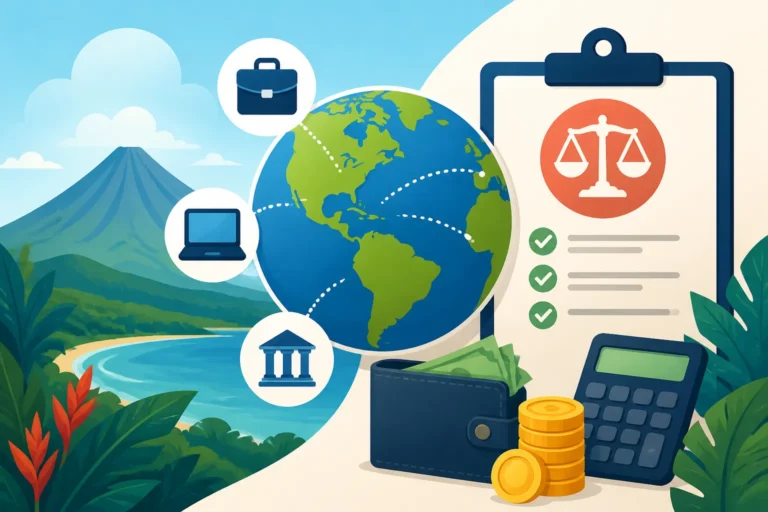
Navigating your finances as an expat in Costa Rica can sometimes feel like a high-stakes juggling act, constantly converting between colones and US dollars, all while trying to avoid those pesky fees that slowly chip away at your hard-earned cash. It's a common frustration for newcomers and seasoned residents alike: how do you manage your money across borders and currencies without feeling like you're losing out at every turn? This guide is designed to cut through the confusion and offer you a clear, practical multi-currency strategy so you can live more comfortably and keep more of your money where it belongs – in your pocket.
Understanding the Dual-Currency Reality of Costa Rica
When you first arrive in Costa Rica, you quickly realize it's not a single-currency world. Unlike many other countries, Costa Rica operates with a fascinating, and sometimes confusing, dual-currency system that requires a strategic approach to managing your money effectively.
The Colón and the US Dollar: A Constant Dance
The official currency of Costa Rica is the Colón (CRC), named after Christopher Columbus. You'll use colones for most of your daily transactions: buying groceries at the feria, paying for a coffee at a local soda, taking a bus, or covering utility bills. It's the backbone of the local economy, and prices in smaller towns and local markets are almost exclusively in colones.
However, the US Dollar (USD) also plays a huge role, especially in expat-heavy areas, for larger purchases, and in the tourism sector. You'll find many real estate transactions, car purchases, and even some hotel and tour prices quoted in US dollars. Some businesses in tourist zones or upscale areas will readily accept dollars, often giving you change in colones. This constant back-and-forth means you'll often be converting currencies in your head or, more practically, managing accounts in both. The exchange rate between the colón and the dollar fluctuates daily, sometimes subtly, sometimes more dramatically. Keeping an eye on this exchange rate is crucial, as even small shifts can impact your budget, particularly if you're frequently converting larger sums. It's like a daily dance, and you want to make sure you're always leading.
The Challenges of Currency Conversion for Expats
For us expats, this dual-currency reality introduces a unique set of challenges. The most significant, and often most frustrating, are the fees and unfavorable rates associated with currency conversion. Every time you convert dollars to colones or vice-versa, there's a cost involved. Traditional banks, both in your home country and in Costa Rica, often charge steep transfer fees and apply less-than-ideal exchange rates, which effectively means you're losing a percentage of your money with each transaction.
Think about it: if you're receiving a pension or salary in USD and need to pay for your rent, utilities, and daily expenses in colones, you're constantly undergoing a conversion. These small losses add up over time, eroding your savings and impacting your overall cost of living. It's like a leaky faucet, slowly draining your resources. This is precisely why having a robust multi-currency strategy is not just a convenience, but a financial necessity here in Costa Rica. You need a way to minimize these losses and ensure your money works as hard as you do, whether it's sitting in an account or moving across borders. Without a strategic approach, you might find yourself constantly stressed about exchange rates and feeling short-changed by various fees.
Key Components of a Solid Multi-Currency Strategy
Building a resilient multi-currency strategy is like assembling a toolkit for your financial life here. It needs to be practical, cost-effective, and tailored to the unique landscape of Costa Rica.
Banking Smart: Local Accounts vs. International Options
This is probably one of the first financial hurdles you'll encounter: where do you put your money? Most expats find a hybrid approach works best.
Firstly, you'll absolutely need a local Costa Rican bank account. This isn't just for convenience; it's practically a requirement for daily life. Paying utility bills, receiving local payments, or setting up direct debits for things like your internet or rent often require a local account. Banks like BAC Credomatic and Banco Nacional are popular choices, offering various services, and many now provide excellent online banking. While it might feel like a bureaucratic maze to open one, especially before you have your DIMEX residency card, it's worth the effort. It's your gateway to local financial transactions. For a deeper dive into the process, you can explore guides like How to Open a Bank Account at a Costa Rican Bank as a Foreigner. Many banks also allow you to open a USD account in Costa Rica alongside your colones account, which is incredibly useful for receiving international transfers and holding onto dollars when the exchange rate isn't favorable.
Secondly, you'll want to leverage international multi-currency platforms. This is where services like Wise (formerly TransferWise) really shine. These platforms allow you to hold balances in multiple currencies, including USD and CRC, within a single account. When you need to transfer money from your home country to Costa Rica, or vice versa, Wise often offers significantly better exchange rates (the mid-market rate) and lower fees compared to traditional bank wire transfers. It means less money is lost in conversion, and you have more control over when and how you convert your funds. Many expats use these services to move larger sums from their overseas accounts into their Costa Rican dollar account, then convert smaller amounts to colones as needed for daily expenses.
Navigating Exchange Rates and Transfer Fees
Understanding exchange rates and mitigating transfer fees is paramount to any effective multi-currency strategy. The tipo de cambio (exchange rate) is a moving target, and banks often add their own spread on top of the interbank rate, which is how they make a profit. This means the rate you see on Google or XE.com might not be the rate you actually get.
Traditional international wire transfers, while reliable, can be notoriously expensive. You might pay a flat fee for sending the money, another fee for receiving it, and then get hit with an unfavorable exchange rate in between. This is where modern fintech solutions come into their own. Wise, for example, is built on the principle of transparency, showing you exactly how much you're paying in fees and the exact exchange rate you'll receive before you commit to the transfer. They use the real mid-market exchange rate, the one banks use to trade with each other, adding only a small, upfront conversion fee. This directness can save you a substantial amount of money over time. You can compare this to the fees associated with sending money via your home country's bank, which often have hidden markups in their exchange rates. For more on the local currency dynamics, check out Understanding Foreign Exchange and the Colon vs Dollar in Costa Rica.
Payment Methods: Cash, Cards, and Digital Wallets
In Costa Rica, having a mix of payment options is essential.
Cash: Colones are king for smaller transactions, especially in less touristy areas, local markets (ferias), and for street vendors. Always carry some smaller colones denominations. You'll also find dollars widely accepted in tourist areas and for larger purchases, but always be mindful of the exchange rate the vendor is using. It’s not uncommon for them to round up in their favor. ATMs are plentiful in most towns, but be aware of withdrawal limits and potential fees from both the local bank and your home bank.
Cards: Credit and debit cards are widely accepted in supermarkets, larger restaurants, hotels, and department stores. Visa and Mastercard are the most common. However, be cautious of foreign transaction fees charged by your home bank if you're using an international card directly. Many expats opt for credit cards that offer no foreign transaction fees or use a Wise debit card, which allows you to spend directly from your colones or USD balance without incurring extra conversion fees.
Digital Wallets/SINPE Móvil: Costa Rica has embraced digital payments, particularly with SINPE Móvil. This system allows for instant transfers between Costa Rican bank accounts using just a phone number. It's incredibly convenient for paying local services, friends, or even some small businesses. If you have a local bank account, setting up SINPE Móvil is highly recommended. It’s like having Venmo or Zelle, but for Costa Rica. While it’s primarily for colones transfers between local banks, some providers like Banco Nacional might facilitate dollar transfers via SINPE Móvil as well, though it's less common for daily use.
| Payment Method | Best Use Case | Pros | Cons |
|---|---|---|---|
| Colones Cash | Local markets, small vendors, buses, daily expenses | Widely accepted, no transaction fees, convenient for small purchases | Risk of theft, managing exact change, often need to visit ATM regularly |
| USD Cash | Tourist areas, larger purchases, real estate deposits | Accepted by many, convenient if paid in USD, no bank fees | May get unfavorable exchange rate from vendors, can be cumbersome to carry large amounts |
| Local Debit/Credit | Supermarkets, restaurants, utility payments | Convenient, trackable, access to SINPE Móvil, no foreign transaction fees | Requires local bank account, potential for card skimming, some small businesses don't accept |
| International Cards | Online shopping, emergencies, initial expenses | Familiar, easy to use worldwide, good for initial transition | High foreign transaction fees, unfavorable exchange rates, not accepted everywhere locally |
| Wise/Multi-currency | International transfers, online purchases, travel | Excellent exchange rates, low fees, hold multiple currencies, dedicated debit card | Not always accepted for direct local payments (e.g., small local pulperias) |
Implementing Your Multi-Currency Strategy in Practice
Okay, so you understand the landscape. Now, let's talk about how to actually put this multi-currency strategy into action, making it a seamless part of your daily life in Costa Rica. It's about being proactive and thoughtful with your money, rather than reactive and losing out on conversions.
Managing Income and Expenses Across Currencies
This is where the rubber meets the road. Most expats living here receive income in a foreign currency – typically USD, CAD, or EUR – from pensions, investments, or remote work. Your primary goal is to efficiently get that money into Costa Rica and then strategically convert it into colones for your local expenses.
Receiving Income: If your income is in USD, you might opt to have it deposited into a US dollar account in Costa Rica (available at most local banks). This allows you to hold the funds in dollars, giving you the flexibility to convert to colones when the exchange rate is most favorable. For those receiving income in other currencies, a platform like Wise is invaluable. You can receive payments in various currencies directly into your Wise account, then convert them to USD or CRC within the platform at the mid-market rate, and finally transfer them to your local Costa Rican bank account. This minimizes conversion losses right from the start.
Budgeting: When budgeting, it's wise to plan in both currencies. Identify your fixed expenses that are paid in colones (e.g., most utilities, local grocery shopping, bus fares) and those in USD (e.g., some rent, certain private school fees, imported goods). Keep a mental, or actual, ledger of how much you need in each. Then, when the colón is weaker against the dollar (meaning you get more colones for your dollars), that's often the best time to convert funds for your colones-denominated expenses.
Tax Implications: Don't forget the tax side of things! Costa Rica operates on a territorial tax system, meaning it generally only taxes income earned within Costa Rica. However, how you manage and transfer your multi-currency income can have implications, especially if you're a US citizen with FBAR reporting requirements or if you're earning money from a Costa Rican source. It's always a good idea to consult with professionals who specialize in Taxes in Costa Rica for Expats to ensure you're compliant. They can help you understand How to File Taxes If You Have Both Foreign and Costa Rican Income and navigate the complexities.
Practical Tips for Daily Financial Operations
Living day-to-day means constant small financial decisions. Here's how to make them work for your multi-currency strategy:
Keep a Mix of Cash: It’s almost always a good idea to have a modest amount of both colones and US dollars on hand. A few thousand colones for a quick pulperia run or a tip, and maybe a few small dollar bills ($5, $10, $20) for emergencies or places that prefer dollars. This way, you're never caught off guard.
Smart ATM Usage: When you need cash, use bank-branded ATMs (e.g., BAC Credomatic, Banco Nacional) rather than independent ones, as they generally have lower fees and are more secure. Always choose to be charged in the local currency (colones) if given the option, as your bank at home usually offers a better conversion rate than the ATM operator. Be mindful of daily withdrawal limits, which can be lower than what you're used to.
Finding Favorable Exchange Rates: For larger cash exchanges, look for casas de cambio (money exchange houses) or specific bank branches that offer competitive rates. Always compare the "buy" and "sell" rates. Sometimes, larger supermarkets might have an exchange counter that offers decent rates for dollars to colones. Never exchange money with individuals on the street; it's risky and often a scam.
Online Banking and Bill Pay: Embrace online banking with your local Costa Rican bank. Most offer robust platforms where you can easily pay utilities (ICE, AyA), transfer funds, and even convert between your colones and dollar accounts with a click. Setting up auto-pay for recurring bills in colones from your local colones account is a smart move to avoid late fees and save you time.
Important Considerations and Pitfalls to Avoid
Even with the best strategy, moving to a new country means new rules and potential traps. Being aware of these can save you a lot of headache and heartache.
Residency, Banking, and Financial Regulations
One of the biggest hurdles many expats face is simply accessing local banking services. It often feels like a chicken-and-egg situation: you need residency to easily open a bank account, but sometimes you need to show financial stability (which can involve bank accounts) for residency. While tourists can often open basic savings accounts (though it's getting harder), having your official DIMEX residency card makes the process infinitely smoother. The banks are much more willing to work with a legal resident.
Once you have your residency, you'll find it easier to open all types of accounts, including checking accounts and USD accounts. Remember, Costa Rican banks, like banks worldwide, are subject to "Know Your Customer" (KYC) and anti-money laundering (AML) regulations. This means they will ask for a lot of documentation about the source of your funds, especially for larger transfers or when you're opening accounts. Be prepared with clear statements, tax returns, and any other relevant financial paperwork from your home country. This might seem intrusive, but it's standard procedure. Staying compliant with local regulations, like How the Caja Requirement Connects to Your Residency in Costa Rica, is not just about banking, but about maintaining your status in the country.
Safeguarding Your Funds and Avoiding Scams
Unfortunately, where there's money, there are always those looking to take advantage. Expats can sometimes be targets for scams, so vigilance is key.
Cybersecurity: Always use strong, unique passwords for your online banking and financial apps. Be wary of phishing emails or texts that ask for your banking details – banks will never ask for your password via email. If something looks suspicious, call your bank directly using a number you know to be legitimate, not one provided in a suspicious message.
Physical Security: When using ATMs, always be aware of your surroundings. Avoid isolated ATMs, especially at night. Cover the keypad when entering your PIN. Try to withdraw cash during business hours inside a bank or a busy commercial center. If you carry a lot of cash, distribute it in different pockets or a money belt, and avoid flashing large sums.
Investment Scams: Be incredibly cautious of unsolicited investment opportunities, especially those promising incredibly high returns. Always do your due diligence, verify credentials, and never feel pressured to invest. Consult with a trusted, independent financial advisor who understands the local market and regulations before committing any significant funds. If it sounds too good to be true, it almost certainly is.
Tax Implications of Multi-Currency Management
While Costa Rica’s territorial tax system is often seen as a benefit for expats, it doesn't mean you can ignore taxes entirely. If you’re earning income within Costa Rica, whether through employment or self-employment, that income is subject to Costa Rican taxes. Even if your multi-currency strategy means your funds are primarily in USD, if those funds are generated from local activity, they need to be declared.
Furthermore, if you're a US citizen, your worldwide income is taxable by the IRS, regardless of where you live or where your income is sourced. You'll still need to file US tax returns and potentially report your foreign bank accounts (FBAR). This is a critical area where consulting with experts like Taxes for Expats is not just helpful, but often essential to ensure compliance with both Costa Rican and your home country's tax laws. Understanding Costa Rica's Territorial Taxation of Foreign Income is key, and an expert can guide you through avoiding costly mistakes. Ignoring these aspects can lead to significant penalties down the line, so proactive planning is always the best route.
Disclaimer
The information provided in this guide is for general informational purposes only and does not constitute financial, legal, or tax advice. While we strive to keep the information up-to-date and accurate, laws, regulations, and financial products in Costa Rica can change rapidly. We strongly recommend consulting with qualified legal, financial, or tax professionals for advice tailored to your specific situation before making any financial decisions.