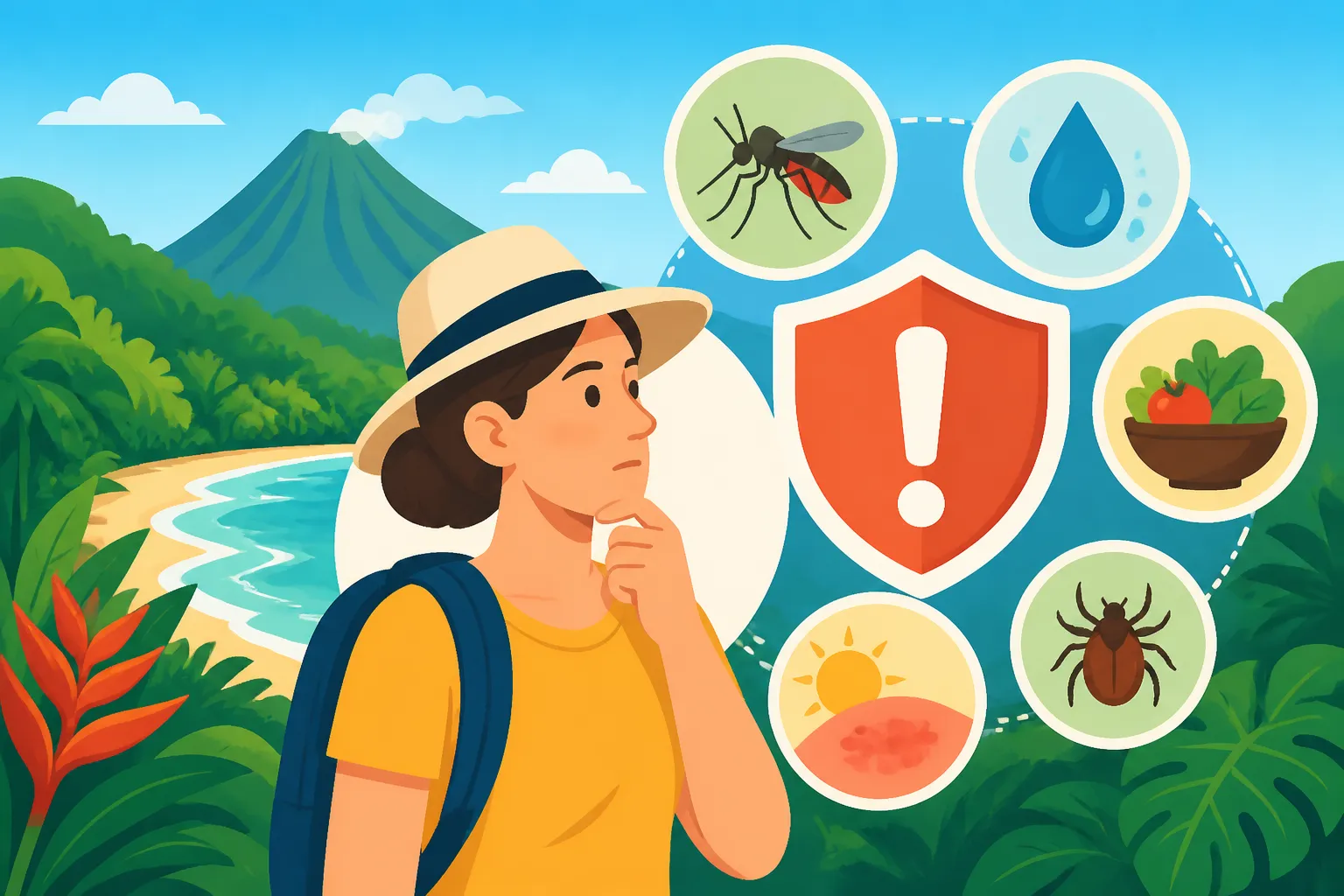
What Health Risks Should Expats Be Aware of in Costa Rica?
Moving to Costa Rica is a dream for so many, a vision of "Pura Vida" under the tropical sun. But let's be real for a moment: while life here is fantastic, it's not without its unique challenges, especially when it comes to your health. As an expat who's been through the jungle (literally and figuratively!), I've seen firsthand how easily folks can overlook the health realities of living in a tropical country. This guide isn't here to scare you, but to arm you with practical, no-nonsense information about the health risks you absolutely need to be aware of in Costa Rica, so you can enjoy your new life safely and wisely.
Tropical Diseases and Pests: The Annoying and the Dangerous
When you picture Costa Rica, you probably think of lush rainforests and pristine beaches. What you might not immediately think of are the tiny inhabitants that can sometimes cause big problems for your health. Being aware of these critters and the diseases they can carry is your first line of defense.
Mosquito-Borne Illnesses: Dengue, Zika, and Chikungunya
Ah, mosquitos. They’re everywhere in the tropics, from the humid lowlands to the cooler Central Valley, especially during rainy season. While most bites are just itchy nuisances, a few species can transmit serious viral illnesses like Dengue, Zika, and Chikungunya. These aren't just "tropical flu" – they can really knock you off your feet, and in some cases, lead to severe complications.
Dengue is probably the most common. I've had friends get it, and they describe it as the worst flu of their lives, with intense body aches, high fever, and often a rash. There are four different serotypes of Dengue, and getting infected with one makes you immune to that specific type, but a subsequent infection with a different serotype can lead to severe Dengue (hemorrhagic fever), which is extremely dangerous. Zika, while typically milder in adults, can have devastating effects on unborn babies if a pregnant woman is infected. Chikungunya brings with it severe, often debilitating joint pain that can linger for months or even years. The worst part? There’s no specific treatment for these viruses, just supportive care for the symptoms. Prevention is key: use insect repellent with DEET, picaridin, or oil of lemon eucalyptus generously, especially at dawn and dusk. Wear long sleeves and pants when possible, and make sure your home has good screens on windows and doors. Even better, eliminate any standing water around your property where mosquitos can breed. You can learn more about What Vaccinations Are Required for Children in Costa Rican Schools? and other preventative measures to keep your family safe.
Other Vector-Borne Risks: Chagas Disease and Leishmaniasis
While less common than mosquito-borne diseases, it’s worth being aware of other vector-borne risks that exist here. Chagas disease, caused by the parasite Trypanosoma cruzi, is transmitted by the "kissing bug" (vinchuca or chinche in Spanish), which typically bites around the face at night. Early symptoms can be mild, but Chagas can lead to serious heart and digestive problems years later. Leishmaniasis, another parasitic disease, is spread by sandflies (often called moscas de la arena or puri-puris), particularly in rural and forested areas. It can cause disfiguring skin lesions, and in some forms, affect internal organs.
These are definitely rarer for the average expat living in more developed areas, but if you're exploring deep into the jungle, camping, or living in very rustic conditions, the risk increases. Again, insect repellent, mosquito nets (especially if sleeping in open-air accommodations), and checking your sleeping area for bugs can go a long way. If you suspect you've been bitten by one of these vectors or develop unusual symptoms after spending time in rural areas, don't delay seeing a doctor. Early diagnosis is crucial for these conditions.
Creepy Crawlies: Spiders, Scorpions, and Snakes
Okay, let's talk about the critters that make your skin crawl. Costa Rica is home to an incredible array of wildlife, and sometimes that wildlife includes things that bite or sting. While most spiders are harmless, we do have a few that pack a punch. The Brazilian wandering spider, though rarely seen, is highly venomous. More commonly, you might encounter scorpions. Their stings are painful, akin to a bad bee sting, but rarely fatal for healthy adults. However, small children, the elderly, or those with allergies could have a more severe reaction.
Then there are snakes. Costa Rica has a significant number of venomous snakes, including fer-de-lance (terciopelo), coral snakes, and bushmasters. Encounters are relatively rare, as most snakes prefer to avoid humans, but it's crucial to be vigilant, especially when hiking, working in the garden, or walking through tall grass. Always wear sturdy shoes or boots when venturing into bushy areas. Never stick your hand or foot into places you can’t see. If you do get bitten by anything suspicious, try to get a photo of the creature if it's safe to do so, and seek immediate medical attention. Remember, most hospitals, particularly the larger private ones like CIMA or Clínica Bíblica, are well-equipped to handle snakebites. Knowing What Should I Do in a Medical Emergency in San Jose? is vital, no matter the cause.
Food and Waterborne Illnesses: Navigating the Kitchen and Beyond
One of the quickest ways to feel miserable in a new country is to fall victim to a nasty bug from something you ate or drank. While Costa Rica generally has good hygiene standards compared to some other developing nations, there are still precautions you should take.
The Dreaded "Tourist Tummy": Bacterial and Parasitic Infections
You know the feeling. One minute you're enjoying a delicious casado, the next you're… well, you get the picture. Food and waterborne illnesses, often colloquially called "Montezuma's Revenge" or "tourist tummy," are a common complaint, even for expats. These are usually caused by bacteria like E. coli, Salmonella, or parasites like Giardia or Cryptosporidium. They manifest as diarrhea, nausea, vomiting, and abdominal cramps.
The culprits are usually unwashed produce, undercooked meat, cross-contamination, or contaminated water. My advice? Be mindful of where you eat. Stick to busy restaurants with high turnover, as this usually means fresh ingredients. Wash your hands religiously, and always opt for cooked food, especially early on. I've found that some expats carry a small bottle of hand sanitizer everywhere. For salads or fruits, if you're not sure how they were washed, it might be safer to avoid them, especially from street vendors. When in doubt, peel it, cook it, or forget it. If you do get a bad case of diarrhea, staying hydrated is paramount. Oral rehydration salts are your friend. For more severe or persistent symptoms, don't hesitate to consult a doctor. Learning What Documents Do I Need to See a Doctor in Costa Rica? can help you be prepared.
Water Quality and Safety: When to Drink Bottled, When to Trust the Tap
This is a frequently asked question, and the answer isn't always straightforward! In most urban areas and popular expat destinations in the Central Valley (like Escazú, Santa Ana, or Heredia) and even many coastal towns, the tap water provided by AyA (Acueductos y Alcantarillados) is generally considered safe to drink. Costa Rica has invested significantly in its water infrastructure, and the quality is usually high.
However, there are exceptions. In very rural areas, some small towns, or during heavy rainy seasons when water treatment plants can be overwhelmed, the water quality might be compromised. Always ask locals, especially those who've lived there for a while, about the tap water in your specific area. If you’re ever unsure, especially in remote regions or after heavy rains, it’s always safer to drink bottled water or use a water filter. Many expats also install whole-house filters or point-of-use filters for their drinking water, just for peace of mind. Remember that even if the tap water is safe to drink, your body might react differently to the local mineral content, which can sometimes cause mild digestive upset initially.
Environmental and Lifestyle Risks: Beyond the Obvious
Beyond the critters and the food, the very environment and your daily habits in Costa Rica can pose health risks that are easy to overlook if you're not used to tropical living.
Sun Exposure and Skin Cancer: The Pura Vida Burn
That gorgeous tropical sun is powerful, much stronger than many people are used to, especially if you're coming from northern latitudes. I've seen so many new expats, myself included, underestimate it and end up with terrible sunburns. Beyond the immediate pain, chronic sun exposure significantly increases your risk of skin cancer, including melanoma, which is prevalent even among fair-skinned individuals in Costa Rica.
It's not just about lying on the beach; simply running errands, walking the dog, or spending time outdoors can lead to significant exposure. Make sun protection a daily habit. That means using broad-spectrum sunscreen with a high SPF (30 or higher, reapplied frequently), wearing wide-brimmed hats, sunglasses, and protective clothing (look for UPF-rated apparel). Seek shade whenever possible, especially during peak hours (10 AM to 4 PM). Get regular skin checks, either by yourself or with a dermatologist. Even though the healthcare system has many things on its plate, getting preventive checks at a private clinic is usually straightforward.
Heatstroke and Dehydration: Staying Cool in the Tropics
The heat and humidity in Costa Rica can be intense, particularly on the coasts. If you're not accustomed to it, you can quickly become dehydrated or even suffer from heatstroke. Dehydration symptoms include thirst, fatigue, dizziness, and reduced urination. Heatstroke, on the other hand, is a medical emergency characterized by a high body temperature (over 103°F or 39.4°C), confusion, rapid pulse, and hot, red, or dry skin.
The key to preventing these is constant hydration. Don't wait until you're thirsty; sip water throughout the day. Electrolyte drinks can be helpful if you're sweating a lot, especially after physical activity. Dress in light, breathable clothing. Limit strenuous outdoor activities during the hottest parts of the day. If you or someone you know shows signs of heatstroke, get to a cooler place, apply cool cloths, and seek medical help immediately.
Ocean Hazards: Rip Tides, Currents, and Marine Life
Costa Rica's Pacific and Caribbean coasts are stunning, but the ocean demands respect. Rip currents are a serious danger on many beaches, particularly on the Pacific side. These narrow, fast-moving channels of water can pull even strong swimmers out to sea. Always look for warning flags (though they're not always present or clearly marked) and ask locals about safe swimming spots. If you get caught in a rip tide, don't fight it; swim parallel to the shore until you're out of the current, then swim back to land.
Beyond currents, be mindful of marine life. Jellyfish stings are common, usually painful but not life-threatening. Watch out for sea urchins on rocky bottoms, as stepping on one can embed painful spines in your foot. In some areas, stingrays can be a concern; the "stingray shuffle" (shuffling your feet along the bottom) can help scare them away. Always use common sense and observe your surroundings when enjoying Costa Rica's beautiful beaches.
Road Safety and Accidents: The Reality of Driving in Costa Rica
Let's be blunt: driving in Costa Rica can be an adventure, and not always in a good way. Roads, especially outside of major highways, can be poorly maintained, with potholes big enough to swallow a small car. Drivers can be aggressive, and traffic rules are often treated as mere suggestions. Combine this with winding mountain roads, heavy rain, poor visibility, and sometimes unlit roads at night, and you have a recipe for potential accidents.
Road accidents are unfortunately a significant cause of injury and death in Costa Rica, and as an expat, you're not immune. Drive defensively. Maintain your vehicle. Don't speed, and be extra cautious when driving at night or in the rain. If you're driving a motorcycle, wear proper safety gear. Considering how often people encounter challenges on the roads, understanding How Much Does an Ambulance Cost in Costa Rica? and how emergency services work is practical knowledge for every expat. Also, it’s worth noting that using public transport, like buses, while often safe, still carries its own set of risks, especially regarding personal belongings.
General Health Concerns and Access to Care: The Expat Perspective
Beyond specific tropical ailments, living in a new country brings its own set of general health considerations, from managing existing conditions to dealing with the emotional toll of expat life.
Managing Chronic Conditions and Prescriptions
If you have a chronic condition like diabetes, heart disease, or an autoimmune disorder, managing it in a foreign country requires careful planning. First and foremost, bring a detailed medical history from your home country, translated into Spanish if possible. This includes a list of all your medications, dosages, and any known allergies.
While Costa Rica has excellent healthcare, particularly in the private sector, continuity of care can be a challenge. Finding a general practitioner (GP) or specialist who speaks English and understands your specific needs can take time. Prescription medications are generally available and often more affordable than in North America, but specific brands or formulations might differ. Always check with your doctor or pharmacist. It's wise to bring at least a few months' supply of any critical medications when you first move, giving you time to get established. When it comes to Prescription Medications and Pharmacies in Costa Rica: The Complete Guide, you'll find that many common medications are available over the counter, but for specialized drugs, a local prescription is usually required.
Mental Health: The Unseen Challenges of Expat Life
This is a risk often overlooked but profoundly impacts many expats: mental health. Moving to a new country, even one as beautiful as Costa Rica, can be incredibly stressful. You're dealing with cultural adjustments, language barriers, bureaucratic hurdles (oh, the bureaucracy!), potential isolation from your support network, and sometimes, unrealistic expectations about expat life. These factors can lead to anxiety, depression, and feelings of loneliness or burnout.
It’s okay to feel overwhelmed. Many expats go through it. Recognize the signs in yourself and others. Build a local support network – join expat groups, volunteer, take Spanish classes, make Tico friends. If you're struggling, don't suffer in silence. Costa Rica has a growing number of mental health professionals, including many who speak English. Finding a therapist or counselor who understands expat challenges can be invaluable. Many also recommend staying connected with family and friends back home. For more on this, you might explore How Do I Access Mental Health Services in Costa Rica as an Expat?.
Navigating the Healthcare System in Emergencies
In a medical emergency, knowing where to go and what to expect can save lives. Costa Rica has a dual healthcare system: the public system (Caja Costarricense de Seguro Social, or CCSS), known as the Caja, and a robust private system. While residents are required to join the Caja, many expats also opt for private insurance for quicker access and English-speaking doctors.
In an actual emergency, regardless of your insurance status, the nearest public hospital will treat you. However, for serious conditions, private hospitals like CIMA Hospital, Clínica Bíblica, and Hospital Metropolitano offer world-class care, faster service, and often direct billing for international insurance plans. Having good international health insurance, like SafetyWing, is crucial for emergencies and general health, especially if you plan to use private facilities. Make sure you understand your policy's coverage and emergency procedures before you need them. Carry a card with emergency contacts, blood type, and any vital medical information in your wallet. Check out Emergency Medical Care in Costa Rica: What Every Expat Needs to Know to fully prepare.
Health Risks: Summary and Prevention Tips
Here's a quick reference to help you stay on top of common health concerns:
| Health Risk Category | Specific Risk | Common Symptoms | Prevention Tips |
|---|---|---|---|
| Vector-borne Diseases | Dengue, Zika, Chikungunya | Fever, body aches, rash, fatigue, joint pain | Use repellent (DEET, picaridin), wear long clothing, eliminate standing water, use screens/nets. |
| Chagas, Leishmaniasis | Fever, swelling at bite site, skin lesions | Insect repellent, mosquito nets, check sleeping areas, avoid sleeping outdoors in rural areas. | |
| Environmental Hazards | Sun Exposure | Sunburn, premature aging, increased skin cancer risk | High SPF sunscreen, hats, sunglasses, protective clothing, seek shade during peak hours. |
| Heatstroke & Dehydration | Thirst, dizziness, fatigue, confusion, high body temp | Drink plenty of water (electrolytes if active), wear light clothing, avoid strenuous activity during midday, seek shade. | |
| Ocean Hazards (Rip Tides) | Being pulled out to sea unexpectedly | Swim at guarded beaches, understand warning flags, ask locals, if caught: swim parallel to shore. | |
| Food & Waterborne Illnesses | Traveler's Diarrhea, Parasites | Diarrhea, nausea, vomiting, cramps | Wash hands, drink bottled or filtered water if unsure, eat cooked food, avoid unpeeled fruits/veg from unknown sources, choose busy restaurants. |
| Injury & Accidents | Road Accidents | Fractures, head injuries, cuts | Drive defensively, avoid night driving on unlit roads, maintain vehicle, wear seatbelts, consider professional drivers for long trips. |
| General Health | Mental Health | Anxiety, depression, isolation, stress | Build support network, practice self-care, seek professional help if needed, manage expectations of expat life. |
| Chronic Conditions | Flare-ups, medication issues, continuity gaps | Bring detailed medical history, secure adequate medication supply, find English-speaking doctor/specialist, understand local pharmacy system. Consider a robust international insurance plan like SafetyWing for peace of mind. |
Remember, this isn't meant to deter you, but to empower you. Costa Rica is an amazing place to live, and with a little preparation and awareness, you can navigate these health risks with confidence. A good health insurance plan, such as SafetyWing, which is designed for digital nomads and global travelers, can offer essential coverage and reassurance. Being proactive about your health here isn't just about avoiding problems; it's about fully embracing the "Pura Vida" safely and for the long haul.
Disclaimer
The information provided in this guide is for general informational purposes only and does not constitute medical advice. While every effort has been made to ensure accuracy, health guidelines and risks can change. Always consult with a qualified healthcare professional for any health concerns or before making any decisions related to your health or medical care.