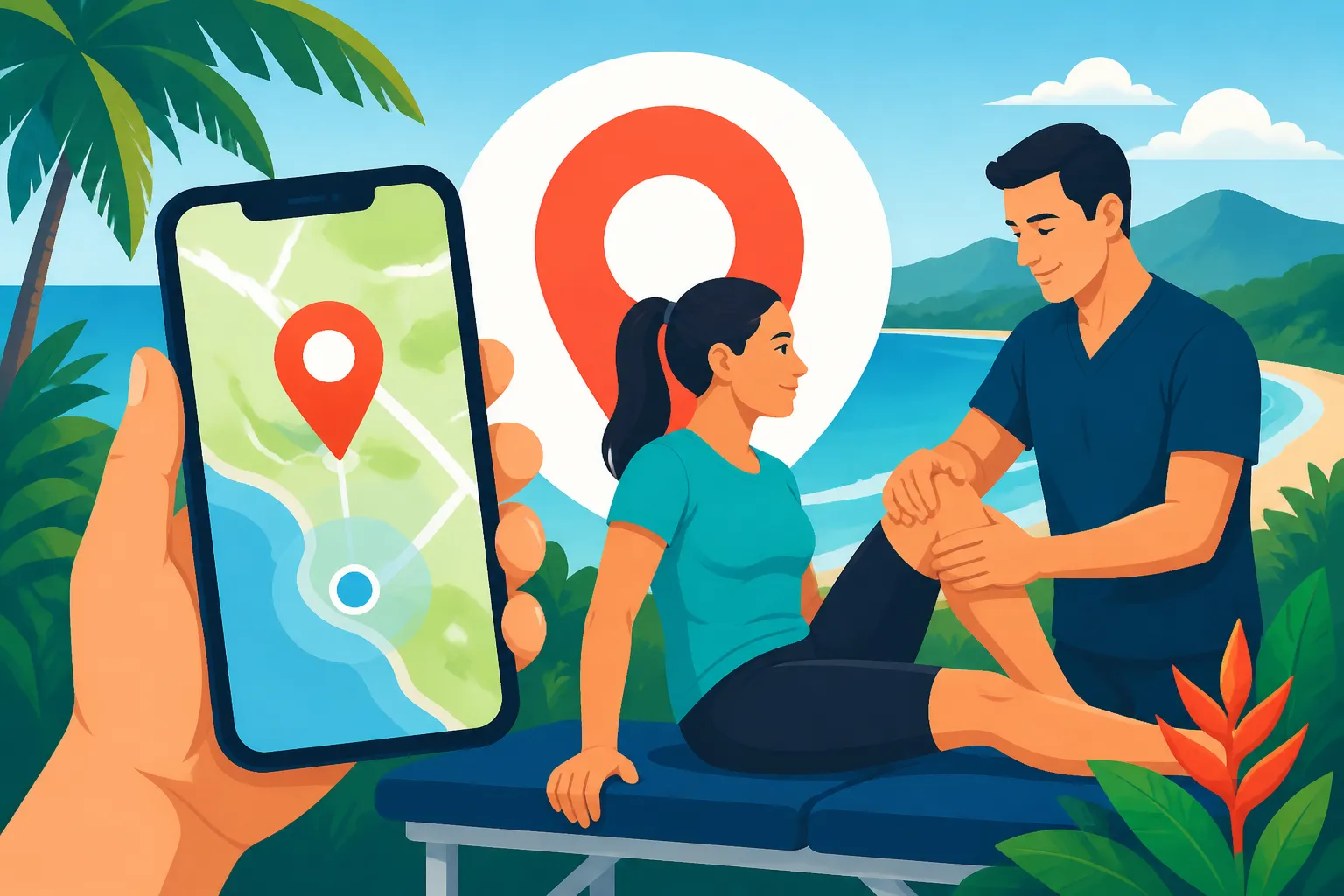
How Do I Find a Physical Therapist Near Me in Costa Rica?
When you’ve just moved to Costa Rica, or even if you’ve been here for a while, encountering a new health issue or needing specialized care like physical therapy can feel like hitting a brick wall. It's not just the language barrier; it's navigating an entirely new system, trying to figure out where to even begin looking for a competent professional who understands your needs. This guide is here to walk you through the process, from understanding your options to finding that perfect fisioterapeuta to help you get back on your feet – literally!
Navigating the Physical Therapy Landscape in Costa Rica
Let's be real, the Costa Rican healthcare system, while excellent in many ways, can be a labyrinth for those of us not born into it. When it comes to something specific like physical therapy, you've got two main avenues to explore: the public system, known as the Caja Costarricense de Seguro Social (CCSS) or simply "the Caja," and the private healthcare sector. Each has its pros and cons, and your best bet often depends on your residency status, immediate needs, and budget.
Understanding Public vs. Private Options
The Caja (Public System): If you're a legal resident contributing to the Caja, you absolutely have access to physical therapy services. This is a huge benefit of living here, and it’s a big part of why many expats ultimately decide to get their residency sorted. The process typically starts with a visit to your local EBAIS clinic. Your EBAIS doctor will assess your condition and, if they deem it necessary, will refer you to a specialist or directly to a fisioterapeuta within the public system.
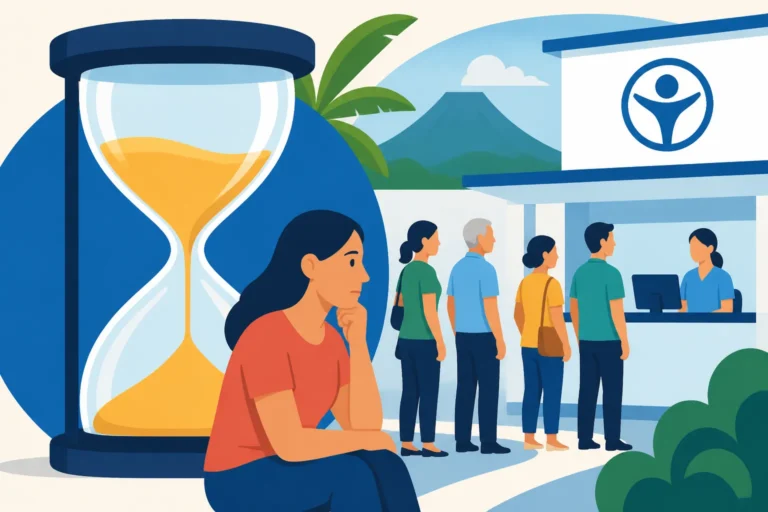
Now, here’s where the reality often kicks in: wait times. While the care is high quality, the demand on the public system means you might be waiting weeks or even months for your initial physical therapy appointment, especially for non-emergency conditions. This can be incredibly frustrating, particularly if you’re dealing with acute pain or recovering from an injury where timely intervention is crucial. Sometimes, if the wait is too long, or the specific type of therapy you need isn't readily available, you might find yourself exploring private options even if you're covered by the Caja. To learn more about the public system, check out our guide on The Expat Guide to Joining the Caja (CCSS) in Costa Rica (2027).
Private Healthcare: This is often the path many expats choose, especially for immediate or specialized care. The private sector offers a much wider range of clinics, specialists, and often, little to no wait times. You don't necessarily need a referral from a private doctor to see a physical therapist, though it can be helpful, especially if your insurance requires it. You can simply call a clinic, explain your situation (in Spanish, or with a translation app, or hopefully, to an English-speaking receptionist), and book an appointment.
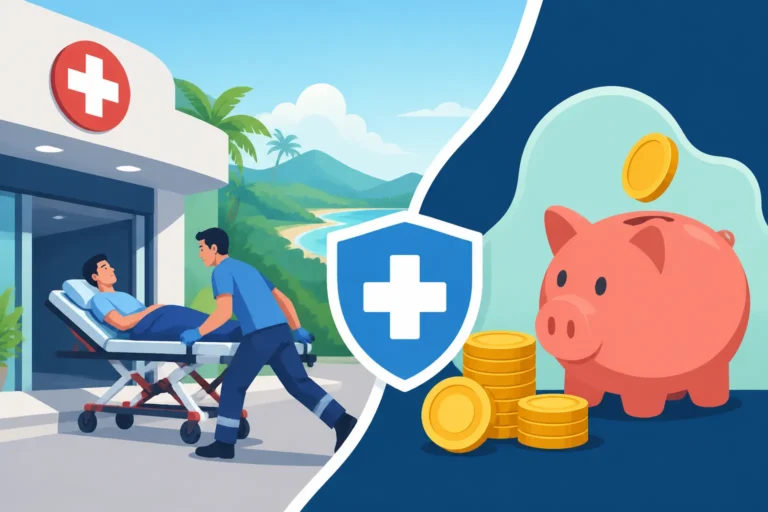
The downside, of course, is the cost. While generally more affordable than private physical therapy in North America or Europe, it's still an out-of-pocket expense if you don't have private insurance that covers it. However, the advantage of direct access, personalized attention, and often state-of-the-art equipment makes it a very attractive option for many. For a deeper dive into the overall healthcare system, our Public vs Private Healthcare in Costa Rica: Which Should Expats Choose? article offers a great comparison.
Common Reasons Expats Seek Physical Therapy
It’s easy to think physical therapy is just for sports injuries, but that's just scratching the surface. Living in Costa Rica, our bodies often face new challenges, or old issues flare up. Many expats find themselves needing physical therapy for a variety of reasons, some unique to the pura vida lifestyle.
We see a lot of folks coming in for sports-related injuries, especially those embracing the active lifestyle. Think surfing accidents, hiking mishaps on uneven terrain, or even just overdoing it at the gym or on a yoga retreat. The gorgeous landscapes here encourage outdoor activity, which, while amazing, can sometimes lead to strains, sprains, or even fractures that require rehabilitation.
Beyond the adventurous pursuits, there's also the wear and tear of daily life. Many expats move here for retirement, bringing with them age-related aches and pains, arthritis, or post-operative recovery needs from surgeries performed either here or abroad. We also see chronic pain management, posture correction (especially for those working remotely at less-than-ideal desk setups!), and even neurological rehabilitation. The point is, whatever your specific need, there's a good chance you'll find a qualified fisioterapeuta here equipped to help.
Your Step-by-Step Guide to Finding a Great Physical Therapist
Okay, so you know why you need physical therapy. Now, the million-dollar question: how do you actually find someone good? This part can feel daunting, but with a bit of strategy, you'll be well on your way.
Leveraging Networks and Referrals
This is probably the most reliable and trusted method for finding any kind of service in Costa Rica, and physical therapy is no exception. Word-of-mouth is king here, especially within the expat community.
Expat Groups and Forums: Dive into local expat Facebook groups or online forums. Post a question asking for recommendations for a physical therapist in your area (be specific about your town or region!). You'll often get a flood of genuine, personal recommendations from people who have been exactly where you are. They can tell you about practitioners who speak English, who specialize in certain conditions, and even give you a heads-up on pricing. It's an invaluable resource. Just be prepared for a few hundred comments and make sure to ask follow-up questions to narrow down the best fit.
Doctor Referrals: If you’ve already found a trusted English-speaking doctor in the private system (and if not, you might want to check out How to Find an English-Speaking Doctor in Costa Rica), ask them for a recommendation. They often have a network of colleagues they trust and can point you to a specific fisioterapeuta or clinic that aligns with your needs. Even if you don't have a specific medical report, a doctor's recommendation can give you confidence.
Friends and Neighbors: Don't underestimate the power of your local community. Ask other expats or even friendly Ticos you know. They might have personal experience or know someone who does. This is how many of us find everything from plumbers to pet sitters, so why not medical professionals? A personal endorsement carries a lot of weight.
Online Resources and Directories
While word-of-mouth is strong, sometimes you need to do your own digging, especially if you're in a less-populated area or have very specific requirements. The internet is your friend, even if it requires a little more effort.
Google Maps and Local Searches: This might seem obvious, but a simple search on Google Maps for "fisioterapia [your town name]" or "physical therapy [your town name]" can yield results. What you're looking for are clinics with good reviews, ideally from other foreigners. Don’t be afraid to translate the reviews if they're in Spanish; you can often glean a lot from what local patients are saying. Many clinics will have their own websites (even if basic) where you can find contact information, services offered, and sometimes even bios of their therapists.
Professional College Directories: In Costa Rica, medical professionals, including physical therapists, are often registered with a professional college (Colegio Profesional). The Colegio de Fisioterapeutas de Costa Rica might have a public directory where you can verify licenses or search for practitioners. This is a bit more advanced but ensures you’re looking at legitimate, qualified professionals. The site is typically in Spanish, so have Google Translate ready, but it's a solid way to confirm credentials.
Clinic Websites & Social Media: Many private clinics, especially in larger metropolitan areas like San Jose, Escazu, or Santa Ana, have professional websites and active social media pages. Searching for names like Clinica Biblica, CIMA, or Hospital Metropolitano (major private hospitals) can also lead you to their affiliated physical therapy departments or recommended outpatient clinics. These websites often list the therapists' specialties, educational backgrounds, and the types of treatments they offer.
What to Look For in a Physical Therapy Clinic or Practitioner
Once you have a few names or clinics in mind, it’s time to vet them. This isn't just about finding a therapist; it's about finding the right therapist for you.
Language Spoken: This is a big one. While many Costa Rican medical professionals have at least some English, don’t assume. If your Spanish isn't fluent, confirm that the therapist or at least a key staff member speaks English well enough for you to communicate effectively about your symptoms, pain levels, and progress. Misunderstandings in medical contexts can be serious.
Specialized Equipment and Therapy Approaches: Physical therapy isn't one-size-fits-all. Are you looking for manual therapy, electrotherapy, hydrotherapy, specific exercise programs, or something else? Does the clinic have the equipment necessary for your treatment (e.g., ultrasound, TENS units, rehabilitation gym)? Ask about their philosophy and approach to therapy. Some therapists are more hands-on, others focus heavily on exercise and patient education.
Location and Accessibility: How far is the clinic from your home or work? Is it easily accessible by public transport if you don't have a car? Is there ample parking? If you're in pain or have limited mobility, proximity and ease of access become even more critical. Consider the traffic in areas like San Jose; a "short" distance can sometimes mean a very long commute.
Cost and Payment Options: Get clarity on the cost per session upfront. Do they offer package deals for multiple sessions? Do they accept credit cards, or is it cash only (efectivo)? This leads us perfectly into our next section, so keep reading!
Costs, Insurance, and Practicalities
Understanding the financial side of physical therapy in Costa Rica is crucial. It’s not just about the session fee but also how your insurance might play a role, or if you’ll be paying completely out-of-pocket.
Understanding the Cost of Private Physical Therapy Sessions
Private physical therapy in Costa Rica is generally quite affordable compared to many Western countries, but it’s still an investment in your health. You can expect a private session to range from $30 to $70 USD (approximately 15,000 to 35,000 CRC) per session. Of course, this can vary based on the clinic's location (San Jose metropolitan area versus a smaller beach town), the therapist's experience, and the specific treatments provided. Some high-end clinics or specialists might charge a bit more.
It’s very common for clinics to offer package deals if you commit to several sessions upfront. For example, a package of 5 or 10 sessions might reduce the per-session cost. Always ask about this possibility, as most physical therapy requires ongoing treatment, not just a single visit. Be prepared for the therapist to recommend a course of treatment, perhaps 2-3 times a week for a few weeks, then tapering down. Remember, with the Caja, the cost is covered by your monthly contributions, but you trade that for potentially longer wait times. Our article on The Cost of Healthcare in Costa Rica: A Complete Breakdown for Foreigners (2026) provides more general cost insights.
Health Insurance Coverage for Physical Therapy
This is where things can get a little tricky, and it really depends on the type of health insurance you have.
Local Private Insurance (e.g., INS): If you've opted for local private insurance from the Instituto Nacional de Seguros (INS), your policy might cover physical therapy, usually requiring a doctor's referral and often a co-payment. It's vital to read your policy carefully or call your INS agent to understand what's included, what the deductibles are, and what the reimbursement process entails. They won't just automatically pay; you'll likely pay upfront and then submit a claim.
International Health Insurance: Many expats maintain international health insurance policies. Companies like SafetyWing offer travel and medical insurance that could cover emergency physical therapy following an accident or acute illness, but it’s absolutely critical to check your specific policy details. International policies often have strict definitions of what constitutes "emergency" versus "routine" or "maintenance" physical therapy. They might also have limitations on pre-existing conditions or require pre-authorization for certain treatments. Don't just assume it's covered; verify before you start treatment to avoid nasty surprises. While SafetyWing is a popular choice for many, especially digital nomads, always understand the fine print when it comes to long-term or ongoing therapeutic needs. Remember that Health Insurance in Costa Rica: Caja, INS and International Options Explained covers these options in more detail.
Caja (Public Health System): As mentioned, if you're a legal resident and part of the Caja system, your physical therapy is covered. This means no direct cost at the point of service, but it comes with the potential for those longer waiting lists. The benefit of being a Caja affiliate also extends to other areas, as discussed in How the Caja Requirement Connects to Your Residency in Costa Rica.
Booking Appointments and Communication Tips
Once you’ve identified a potential physical therapist, booking your first appointment is the next step. Most private clinics are pretty efficient, but a few tips can make the process smoother.
Initial Contact: You can usually call the clinic directly. Be prepared to introduce yourself and state that you need a physical therapy appointment. If you don't speak fluent Spanish, having a Tico friend or a translator app handy can be incredibly helpful for that first phone call. Many clinics in expat-heavy areas will have English-speaking receptionists or therapists.
Medical Reports: If you have a doctor’s referral or any recent medical reports (X-rays, MRIs, doctor’s notes), bring them! Even if they're in English, the therapist might be able to understand key terms or at least appreciate the effort. It helps them understand your history and condition faster.
Clear Communication During Sessions: During your actual therapy sessions, don't be afraid to ask questions. If you don't understand an exercise or a diagnosis, ask for clarification. If there's a language barrier, try using simple phrases, pointing, or even a translation app to ensure you're both on the same page. Your progress depends on clear communication, so prioritize it.
Flexibility: While private clinics are generally more flexible than the Caja, try to be punctual. Appointments are usually scheduled back-to-back, and showing up late can cut into your treatment time. If you need to reschedule, give as much notice as possible.
Finding a physical therapist in Costa Rica doesn't have to be a source of stress. With a bit of research, tapping into the expat community, and understanding the local healthcare landscape, you’ll be able to find a great professional to help you heal and thrive in your pura vida life. Remember, taking care of your body is key to enjoying everything this beautiful country has to offer!
Disclaimer
The information provided in this article is for general informational purposes only and does not constitute medical, legal, or financial advice. While we strive to provide accurate and up-to-date information, circumstances in Costa Rica can change rapidly. Always consult with qualified medical professionals, legal advisors, and financial experts for advice tailored to your specific situation. Reliance on any information in this article is solely at your own risk.