What Are the Requirements for Citizenship in Costa Rica?
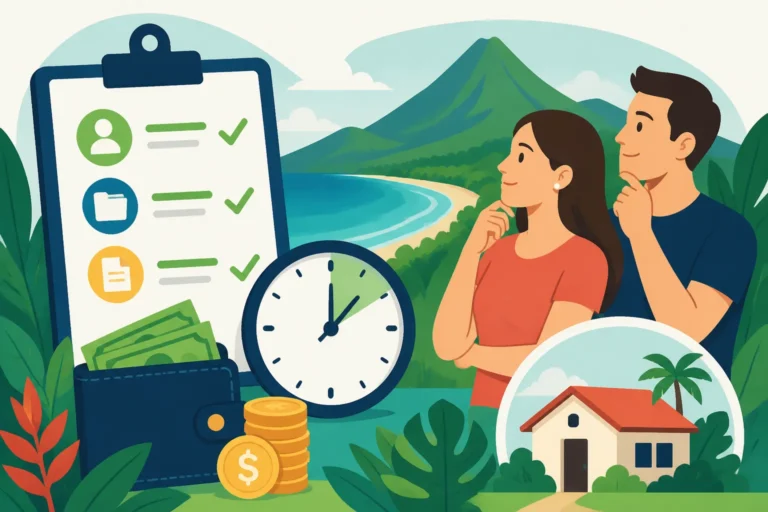
So, you’ve settled into the Pura Vida lifestyle, navigated the residency maze, and now you’re looking around, feeling truly at home, and wondering: what’s the next step? For many long-term expats, that next step is often the idea of becoming a full-fledged citizen of Costa Rica. It’s a significant journey, far more involved than just getting your residency card, and it comes with its own set of hurdles and joys. This guide is here to walk you through exactly what you'll need, what to expect, and which doors might open to you on the path to becoming a Tico by choice.
Navigating the Paths to Becoming a Costa Rican Citizen
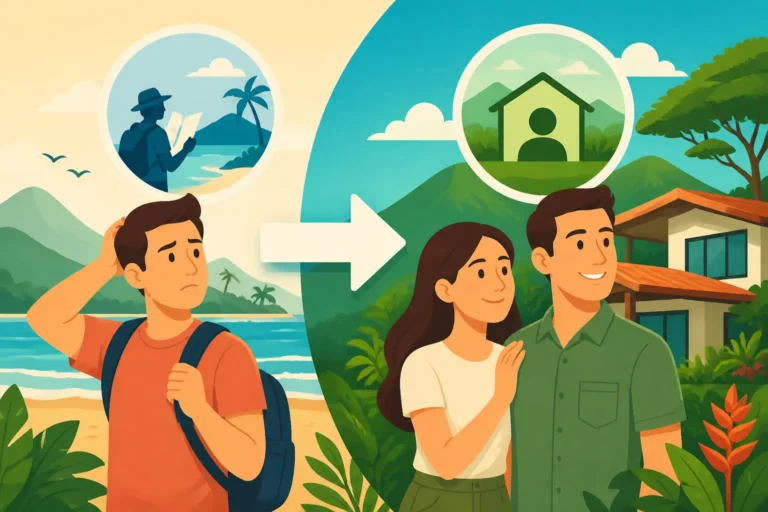
The idea of holding a Costa Rican passport, voting in local elections, and truly belonging to this incredible nation is a powerful one. For many of us who choose to make Costa Rica our forever home, the transition from expat to resident to citizen feels like a natural evolution. It’s a way to deepen your commitment, secure your future, and fully integrate into the fabric of society here. While the path to residency, and then to permanent residency, is often the first big hurdle, achieving citizenship is an entirely different endeavor, signifying a deep and lasting bond with the country.
The Dream of 'Tico' Citizenship: Why It Matters
Let's be real, the residency process itself can feel like climbing Mount Chirripó blindfolded. But once you're on the other side, holding your DIMEX card, a new kind of belonging starts to blossom. Citizenship, though, takes that feeling to an entirely new level. It's not just about convenience; it’s about full participation. As a citizen, you gain the right to vote, to hold public office, and critically, the ability to travel with a Costa Rican passport, which can open doors to many countries visa-free. It means you’re no longer just living here, but you are here, in the truest sense. It's about securing your long-term future without the constant worry of residency renewals or potential changes to immigration laws affecting your status.
Beyond the practical benefits, there's a profound emotional connection. Becoming a citizen means embracing the identity of the nation that has welcomed you. It’s an affirmation of your love for the culture, the people, and the beautiful land itself. This journey often starts with understanding the different ways you can achieve this status, each with its own specific requirements and nuances.
Primary Routes: Naturalization, Marriage, and Birthright
When we talk about becoming a Costa Rican citizen, there are essentially three main pathways available to foreigners: naturalization through extended residency, naturalization through marriage to a Costa Rican, and in some cases, through birth if you were born to Costa Rican parents abroad or under specific circumstances if born here to non-resident parents. Each of these routes is distinct, with its own set of eligibility criteria, timelines, and documentation demands.
For most expats, the journey will likely involve naturalization based on a certain number of years of legal residency. This is the most common path and the one that requires the most patience and demonstrated commitment to the country. It’s a testament to your integration and continuous presence. The marriage route, while seemingly faster, still requires a significant period of residency and proof of a genuine, ongoing marital bond. And then there's the birthright path, which is more applicable to those born in Costa Rica to non-citizen parents or those born outside the country to Costa Rican parents. Understanding which path applies to you is the very first, and most crucial, step in this grand adventure.
General Requirements for All Citizenship Applicants
Regardless of the specific path you take toward Costa Rican citizenship, there are foundational requirements that apply to almost everyone. These are less about a checklist of documents and more about demonstrating a genuine connection to the country and an understanding of its culture and governance. This isn't just about ticking boxes; it's about proving you've truly integrated and are ready to be a contributing member of the society.
The Fundamental Prerequisite: Establishing Deep Roots
The Costa Rican authorities, primarily the Tribunal Supremo de Elecciones (TSE) through its Registro Civil, aren't just looking for someone who has spent a few years here. They want to see someone who has genuinely embraced Costa Rica as their home. This involves demonstrating good conduct and moral character. This means a clean criminal record, both in Costa Rica and in your country of origin. Any past brushes with the law, even minor ones, could complicate or delay your application significantly. You'll need to provide updated criminal background checks, often apostilled and officially translated, to prove this. If you’re at the stage of needing to gather crucial documents from your home country, services like How to Get Your Birth Certificate and Documents Apostilled for Costa Rica can be invaluable for navigating that initial bureaucracy.
Beyond simply staying out of trouble, you need to show you’ve been a productive and integrated member of society. This can involve demonstrating a stable means of living, such as employment, a business, or a steady income through retirement. You’ll also need to have maintained continuous, legal residency leading up to your application. This means no lapses in your residency status, and diligently renewing your DIMEX card as required. They look for evidence that Costa Rica is not just a temporary stop, but your permanent base.
Perhaps one of the most significant "unwritten" requirements is demonstrating a genuine cultural integration and proficiency in Spanish. You won’t just be asked to speak Spanish in an interview; you'll likely face a formal Spanish language and civics test. This isn't just about basic conversational Spanish; it's about understanding the nuances, the history, and the structure of the Costa Rican government. You need to show you understand the language of the land and its governmental principles. For someone who’s lived here for years, interacting daily in Spanish, this might not be a huge hurdle, but it’s certainly something to prepare for if your Spanish is still more Pura Vida than parliamentary.
Documentation: The Paper Chase is Real
Oh, the documents! If you thought getting residency was a paper chase, citizenship takes it up a notch. This is where meticulous organization and patience truly pay off. You will need a comprehensive dossier of personal records, often dating back years.
Here's a general list of documents you can expect to need, many of which will require an apostille from your country of origin and an official translation into Spanish by a public translator in Costa Rica:
- Birth Certificate: Your original, full birth certificate, apostilled and translated. This is non-negotiable and needs to be current.
- Criminal Record Certificates: From your country of origin and from Costa Rica. These need to be clean and recent. You’ll need federal-level criminal records, not just local ones, from your home country.
- Marriage Certificate: If applying through marriage, an original, apostilled, and translated copy of your marriage certificate to your Costa Rican spouse is essential. This would also be registered with the Registro Civil here.
- Residency Documentation: Copies of your DIMEX card, proof of your residency history, and evidence of continuous legal status. This includes showing how you obtained your initial residency, whether it was through The Expat Guide to the Rentista Residency in Costa Rica (2027) or How to Get the Pensionado (Retiree) Residency in Costa Rica (2027), all the way through obtaining How to Get Permanent Residency in Costa Rica (2027).
- Proof of Financial Solvency: Bank statements, income declarations, or business registration documents to show you have a stable economic life in Costa Rica.
- Proof of Integration: This can be anything from utility bills in your name, property ownership documents, letters from employers, proof of active participation in community groups, or even school records for your children. Anything that shows you’re actively living and contributing to Costa Rican society.
- Passport Copies: A full copy of your current passport, including all stamped pages.
- Photographs: Recent passport-sized photos meeting specific requirements.
The Registro Civil, which falls under the Tribunal Supremo de Elecciones (TSE), is the authority that processes and ultimately grants citizenship. Their standards are incredibly high, and they will scrutinize every document. Any inconsistencies or missing information will lead to delays. It’s strongly advised to consult with an experienced immigration attorney throughout this process, as they can help ensure your documents are perfectly in order, saving you immense headaches down the line. Remember, while you can attempt to do it yourself, the complexity and the potential for costly mistakes often make legal guidance a wise investment.
Specific Pathways to Costa Rican Citizenship
While the general requirements like good conduct, stable living, and Spanish proficiency are universal, the specific eligibility criteria vary significantly depending on how you're applying for citizenship. Each route is designed for different circumstances and comes with its own set of rules straight from the Costa Rican Constitution and immigration laws.
Citizenship by Naturalization (Residency Based)
This is perhaps the most common pathway for many long-term expats, those who have spent years building a life here. It requires a significant period of continuous, legal residency in Costa Rica. The exact number of years can vary:
- Seven Years of Permanent Residency: For citizens of most non-Latin American or non-Spanish countries, you generally need to have maintained legal permanent residency for at least seven years. This is a critical distinction; temporary residency periods don't fully count towards this. You’re essentially showing a decade or more of commitment, considering the time it takes to get temporary and then permanent residency. This is the main path for most North American, European, and other foreign nationals.
- Five Years of Permanent Residency: If you are a citizen of a Central American country (excluding Panama), or a Spaniard by birth, the residency requirement for naturalization is reduced to five years. This reflects historical and cultural ties.
- Two Years of Permanent Residency: This is a much faster track, usually reserved for those born in specific circumstances to a Costa Rican parent, or if you were born in Costa Rica but your parents were not residents at the time (and you didn't register your birth at your embassy). This category is less common for typical expats.
During this period, you must have demonstrated a clear intention to remain in Costa Rica indefinitely. This means maintaining your legal status, paying your Caja contributions (which, if you’re a resident, you’ll be doing anyway – and you can learn more about How the Caja Requirement Connects to Your Residency in Costa Rica), and being an active member of the community. You will also be required to pass the aforementioned Spanish language and civics test. This exam covers Costa Rican history, geography, and political structure, ensuring that you truly understand the nation you wish to join. It's not a walk in the park; you'll need to study up!
Citizenship by Marriage to a Costa Rican
Marrying a Costa Rican citizen can significantly shorten the naturalization period. While it might sound like a shortcut, it's certainly not a guaranteed express lane. The Costa Rican government is very serious about ensuring marriages are genuine and not simply for immigration purposes.
If you are married to a Costa Rican citizen, you can apply for citizenship after two years of residing in Costa Rica after the date of your marriage. This period still requires you to have legal residency status. You cannot just marry and immediately apply; you still need to establish residency first, likely through Family Residency in Costa Rica: How to Bring Your Spouse and Children (2027), and then meet the two-year post-marriage residency requirement.
The requirements here are stringent to prevent fraudulent marriages:
- Proof of Genuine Marriage: You'll need to provide your marriage certificate, registered with the Registro Civil. More importantly, you'll have to demonstrate that your marriage is legitimate and ongoing. This can involve interviews with both spouses, submitting shared utility bills, bank statements, photographs, and even testimonials from friends and family. They want to see a true marital bond, not just a piece of paper.
- Spouse's Documentation: Your Costa Rican spouse will also need to provide their cédula de identidad and potentially other documents to prove their citizenship and support your application.
- Good Conduct and Integration: Just like with residency-based naturalization, you must have a clean criminal record and demonstrate integration into Costa Rican society, including some proficiency in Spanish.
While the two-year period sounds appealing, the scrutiny can be intense, and the overall process can still take several years from application to approval.
Citizenship by Birth (Jus Soli and Jus Sanguinis)
Costa Rica generally follows the principle of jus soli (right of soil) to a certain extent, meaning that being born on Costa Rican territory can confer citizenship, but with important caveats for children of foreign parents. It also recognizes jus sanguinis (right of blood), where children born outside Costa Rica to a Costa Rican parent can claim citizenship.
- Born in Costa Rica (Jus Soli): If you are born in Costa Rica, you are generally considered a Costa Rican citizen if at least one of your parents is a Costa Rican citizen, or if your foreign parents were legal residents in Costa Rica at the time of your birth. In these cases, your birth can be registered directly with the Registro Civil. However, if your parents were merely tourists or lacked legal residency, your birth would typically be registered with your parents' embassy, and you would then need to apply for naturalization later in life, much like other foreigners, albeit potentially on an expedited timeline. This is a common point of confusion for expat families.
- Born Abroad to a Costa Rican Parent (Jus Sanguinis): If you were born outside of Costa Rica but at least one of your parents is a Costa Rican citizen, you can claim Costa Rican citizenship through your parent. This process involves registering your birth at the nearest Costa Rican consulate or embassy, and then having that birth recorded in the Registro Civil in Costa Rica. This pathway does not typically require a residency period or a civics test, as your citizenship is derived directly from your parentage. You will need your full birth certificate, your parent's Costa Rican identity documents, and potentially their marriage certificate (if applicable).
These birth-based pathways are generally more straightforward in terms of requirements, as they establish citizenship through a direct legal link rather than through a process of integration and time.
The Application Process: Step by Step and What to Expect
Once you’ve identified your pathway and you think you meet the requirements, the actual application process begins. And let me tell you, it's a marathon, not a sprint. The Costa Rican government isn't known for its lightning-fast bureaucracy, and the citizenship process is one of the most rigorous.
Initial Steps and Document Preparation
This is where the real work begins, and where your patience will be tested. First, you need to meticulously gather every single document required for your specific pathway. This means reaching out to your home country for certified birth certificates, criminal records, and perhaps marriage certificates, ensuring they are all apostilled. Remember, any document not originally in Spanish will need an official translation done by a public translator authorized by the Ministry of Foreign Affairs in Costa Rica. This isn't a task for Google Translate; it needs to be an official, sealed translation.
Think of it like building a fortress of paper. Every brick needs to be perfect. If you have international health insurance like Cigna Global, make sure all your health records are in order too, though typically health isn't a direct citizenship requirement beyond general good standing. If you're coordinating document shipments from abroad, services like Sirelo might come in handy to ensure everything arrives safely and is properly handled, especially for fragile or irreplaceable original documents.
Once your dossier is complete, you will submit your application to the Tribunal Supremo de Elecciones (TSE) through the Registro Civil. They will perform an initial review to ensure everything is present and correctly formatted. It’s not uncommon to receive requests for additional information or clarification at this stage, so be prepared for some back-and-forth. This initial review alone can take several months.
Interviews, Exams, and Due Diligence
After the initial document review, your application moves into a deeper phase of scrutiny.
- The Spanish and Civics Exam: As mentioned, if you're applying via naturalization, you'll be scheduled for a comprehensive exam. This test isn't designed to trip you up, but it does require genuine knowledge of Costa Rican history, geography, civic duties, and governmental structure. Your Spanish proficiency will be assessed during this exam. There are study guides available, and many institutions offer preparation courses. Passing this test is non-negotiable for naturalization.
- Interviews: You may be called for one or more interviews with officials from the TSE or Registro Civil. If you're applying through marriage, both you and your spouse will likely be interviewed, sometimes separately, to confirm the legitimacy of your union. These interviews are your opportunity to demonstrate your commitment to Costa Rica, your understanding of its values, and your fluency in Spanish.
- Background Checks: The authorities will conduct thorough background checks, confirming your criminal record (or lack thereof) both domestically and internationally. They may also investigate your financial stability and your ties to the community. This due diligence ensures that only individuals of good moral character become citizens.
This entire phase, from exam to interviews and background checks, can easily stretch over a year or two, sometimes even longer. The key here is patience and meticulous follow-up.
| Citizenship Pathway | Key Requirement | Residency Period | Spanish/Civics Test | Main Document Focus |
|---|---|---|---|---|
| Naturalization (General) | Stable means of living, good conduct, integration | 7 years (Permanent Residency) | Required | Birth Cert, Criminal Records, Residency Proof, Financial Proof, Integration Proof |
| Naturalization (Central American/Spain) | Stable means of living, good conduct, integration | 5 years (Permanent Residency) | Required | Birth Cert, Criminal Records, Residency Proof, Financial Proof, Integration Proof |
| Naturalization (Marriage) | Genuine marriage, stable living, good conduct | 2 years (Post-marriage Residency) | Required | Marriage Cert, Spouse's ID, Joint Proof (bills, photos), Birth Cert, Criminal Records |
| Birth (Jus Sanguinis) | Born abroad to Costa Rican parent | N/A | Not required | Birth Cert, Parent's Costa Rican ID, Parent's Marriage Cert (if applicable) |
| Birth (Jus Soli – with resident parents) | Born in Costa Rica to legal residents or CR parent | N/A | Not required | Birth Cert, Parent's Residency Docs or CR ID |
Swearing In and Receiving Your Identity
If, after all the document submission, waiting, interviews, and exams, your application is approved, congratulations! You’ve reached the final stage. You will be notified by the Registro Civil that your citizenship has been granted.
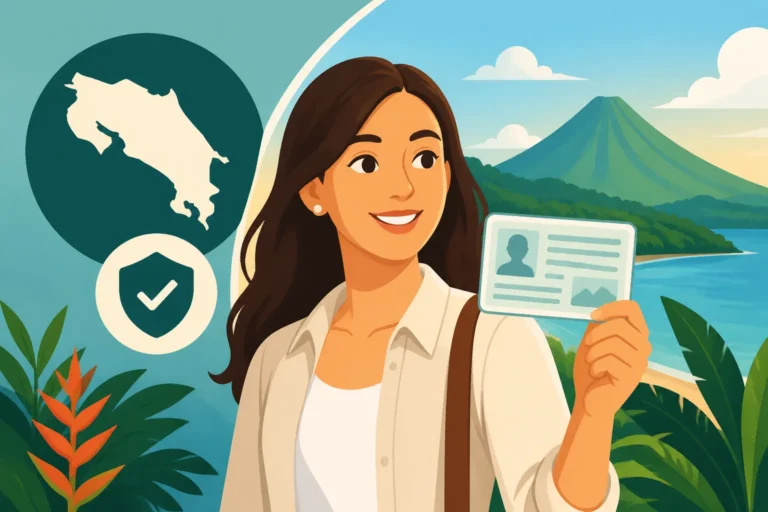
The final step is often a formal swearing-in ceremony. This is a deeply symbolic and meaningful event where you publicly declare your allegiance to Costa Rica and its Constitution. After the ceremony, you will officially be issued your Costa Rican cédula de identidad (identity card), which is the primary form of identification for all citizens. This little card represents years of hard work, patience, and commitment.
With your cédula in hand, you can then apply for a Costa Rican passport, register to vote, and exercise all the rights and responsibilities of a citizen. It’s the culmination of a long and often challenging process, but for many, it’s a profoundly rewarding one, cementing their place in the heart of Pura Vida. The journey to citizenship is a testament to your dedication to Costa Rica, and the rewards of being a full member of this vibrant society are truly immeasurable.
Disclaimer
Please note: This article provides general information and guidance based on current understanding of Costa Rican immigration laws as of 2026. Immigration regulations and requirements can change, and interpretations may vary. It is essential to consult with a qualified Costa Rican immigration attorney or the official government sources (such as the Tribunal Supremo de Elecciones and Registro Civil) for the most accurate, up-to-date, and personalized advice regarding your specific situation before taking any action.