How to Renew or Replace Your DIMEX Card in Costa Rica
Ah, the dreaded expiry date or the sudden panic of a missing card! Living in Costa Rica as an expat means constantly navigating administrative processes that can feel like a labyrinth, and dealing with your DIMEX card is certainly one of them. Whether you're staring down a looming renewal deadline or frantically searching for that little plastic lifeline after it's gone missing, this guide is here to walk you through every bewildering step of renewing or replacing your indispensable DIMEX card, so you can keep your residency status intact and your peace of mind.
Understanding Your DIMEX Card: More Than Just an ID
Your DIMEX card, or Documento de Identificación Migratoria para Extranjeros, isn't just a fancy ID card; it's your official proof of residency in Costa Rica. For any expat who has gone through the arduous journey of securing legal residency, holding that card feels like clutching a golden ticket. It's the physical manifestation of your legal right to live, work, and build a life here in Pura Vida land.
This card is absolutely fundamental to your daily life. Try opening a bank account, signing a lease, getting utilities connected, or even accessing basic public services without it, and you’ll quickly hit a wall. It serves as your primary identification for everything from confirming your age at the grocery store to proving your legal status to local authorities. Losing it, or letting it expire, can throw a massive wrench into your routine, turning simple tasks into frustrating bureaucratic battles. It connects you to the entire system, including your mandated enrollment in the national healthcare system, the Caja Costarricense de Seguro Social (CCSS). Without a valid DIMEX, even your access to vital services can be jeopardized.
The Legal Obligation for Residents
Once you've successfully obtained your residency in Costa Rica, whether it's through the How to Get the Pensionado (Retiree) Residency in Costa Rica (2027) program, a Rentista visa, or any other category, maintaining it becomes a non-negotiable legal obligation. Part of that obligation is ensuring your DIMEX card remains current and valid. The card itself has an expiration date, and just like your passport, it’s your responsibility to know when that date is approaching.
Failing to renew your DIMEX on time can lead to a heap of complications. You could face fines, difficulties in accessing banking and public services, and even legal issues with immigration authorities. Imagine trying to fly out of the country for a visit home, only to be stopped at immigration because your residency card is expired – it’s a nightmare scenario many expats have found themselves in. Moreover, your DIMEX is intrinsically linked to your obligation to contribute to the Caja. The article How the Caja Requirement Connects to Your Residency in Costa Rica delves deeper into this, but in short, an expired DIMEX can signal to the Caja that your legal status is in limbo, potentially disrupting your healthcare coverage. It’s not just about convenience; it’s about compliance with the very laws that allow you to call Costa Rica home.
When and How to Renew Your DIMEX
So, you’ve got your DIMEX, and life is good. But time, as they say, flies when you're having fun, and before you know it, that little plastic card is staring you down with an expiration date. Don't panic! The key is to be proactive.
Knowing Your Expiration Date: The Critical First Step
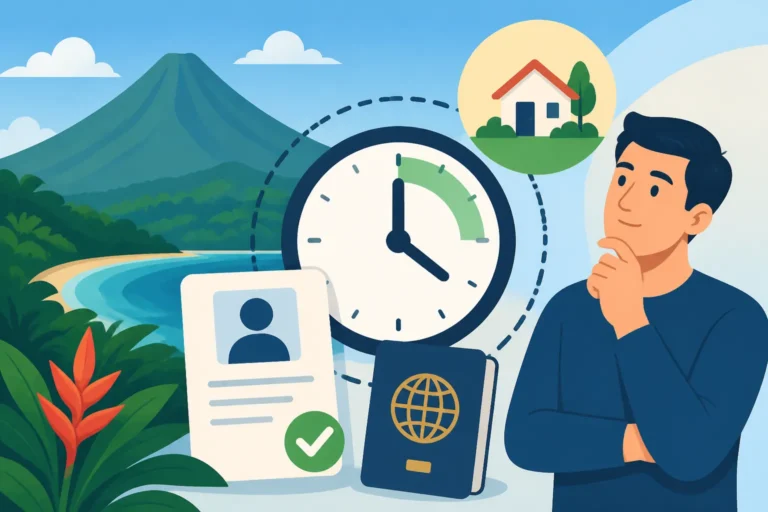
This might sound obvious, but you'd be surprised how many of us, myself included, have let the expiration date creep up. Your DIMEX card clearly displays the Fecha de Vencimiento (expiration date). Mark it on your calendar, set multiple digital reminders, tattoo it on your arm if you have to – just make sure you know it! Costa Rican immigration typically recommends starting the renewal process about three months before your card expires. This gives you ample wiggle room to gather documents, deal with potential bureaucratic delays, and correct any unforeseen issues without the stress of an imminent expiry.
Why three months? Because, let’s be honest, nothing in Costa Rican bureaucracy happens at lightning speed. You don't want to be in a situation where your card expires while your renewal application is being processed, which can leave you in a legal grey area and vulnerable to the complications mentioned earlier. Plan ahead, and save yourself a lot of headaches.
The Step-by-Step Renewal Process
Renewing your DIMEX generally involves a few critical steps, usually handled through the Directorate General of Migration and Foreigners (DGME) or designated banks like Banco de Costa Rica (BCR) and Banco Cathay. For most temporary residencies, renewals are typically for one or two years at a time. Permanent residency cards, however, are generally renewed every five or ten years, depending on the category.
- Check Your Caja Status: Before anything else, ensure your Caja payments are up to date. This is non-negotiable. If you have any outstanding balances, you'll need to clear them. Migration will absolutely check this. If you’re a resident, you must be affiliated with and current on your payments to the CCSS. You can read more about this in The Expat Guide to Joining the Caja (CCSS) in Costa Rica (2027).
- Gather Required Documents: This is where the real work begins. We'll detail these in the next section, but generally, you'll need your expiring DIMEX, passport, proof of Caja payments, and potentially a new criminal background check depending on your residency category and how long you've had it.
- Pay the Fees: There are application fees, government stamps (especies fiscales), and sometimes even a small service fee if you process it through a bank. These fees can change, so it's always wise to check the most current amounts on the DGME website or by calling a designated bank.
- Submit Your Application: Depending on your residency type, you might submit directly at the DGME, or at specific branches of banks authorized to process DIMEX renewals. For instance, many people utilize BCR's convenient service, which usually has dedicated immigration windows. Make sure to get a receipt!
- Track Your Application: While there isn't a universally perfect tracking system, some banks or the DGME might give you a tracking number or a way to check the status online. Be prepared for a waiting period. This is when patience becomes a virtue.
Required Documents for Renewal
The exact documents can vary slightly depending on your specific residency category (e.g., Pensionado, Rentista, Investor, etc.) and whether you're renewing a temporary or permanent card. However, some core documents are almost always required:
- Your Current DIMEX Card: The expiring one. Make sure it's valid when you start the process.
- Original Passport: You'll need your valid passport and usually a copy of the main bio-data page and your most recent entry stamp.
- Proof of Caja Payments: A certification from the CCSS (usually obtainable online or at a local office) stating you are current with your payments. This is a big one.
- Application Form: Usually provided at the DGME or the bank, filled out completely.
- Fingerprints: Sometimes, they'll retake your fingerprints at the DGME, particularly if it's been several years or if you're transitioning to permanent residency.
- Proof of Funds (for Rentista/Pensionado): If you're on a Rentista or Pensionado visa, you'll need to provide updated proof that you still meet the financial requirements. For example, What Income Do I Need for Pensionado Residency in Costa Rica in 2026? details the specific income levels.
- Certified Copies of Documents: Many institutions will require certified copies of your birth certificate, marriage certificate, etc., which you might have provided during your initial application. Always keep good records of these. If you are ever faced with sending sensitive documents internationally or managing relocation logistics, companies like Sirelo can offer advice on secure shipping and document handling, ensuring your crucial paperwork arrives safely.
- Photos: Passport-sized photos, usually 2-4, meeting specific requirements (white background, no glasses, etc.). It’s always best to get these taken professionally in Costa Rica, as they know the exact specifications.
Important Note: Always check the most up-to-date requirements directly with the DGME or the authorized bank, as rules and required documents can change without much public fanfare. It’s always best to call or visit in person to confirm.
What to Do If Your DIMEX is Lost, Stolen, or Damaged
Panic can set in pretty quickly when you realize your DIMEX is gone. It happened to a friend of mine, who accidentally left her wallet in a taxi. Her entire day, week, and frankly, month, became about getting that card back or replaced. The process for replacing a lost, stolen, or severely damaged DIMEX card is similar to renewal but has some crucial extra steps that you absolutely cannot skip.
Reporting a Lost or Stolen DIMEX
This is the very first thing you need to do, and time is of the essence.
- File a Police Report (Denuncia): Head to the nearest Organismo de Investigación Judicial (OIJ) office or local police station immediately. You’ll need to file a formal report stating that your card was lost or stolen. This denuncia is absolutely critical. It not only creates an official record for your protection but is also a mandatory document for your replacement application. Without it, you cannot proceed. Make sure you get multiple copies of this report.
- Report to DGME: While the police report covers the "stolen" aspect, it's also a good idea to inform the Directorate General of Migration and Foreigners, especially if you have an appointment or are expecting other immigration-related correspondence. This can sometimes be done via phone or email, but a physical visit might give you more peace of mind.
- Contact Your Bank: If your DIMEX was in a lost or stolen wallet along with bank cards, obviously, cancel those immediately. But also, inform your bank about the lost DIMEX, as it's linked to your account. Some banks might have additional advice or procedures.
This initial reporting phase is essential to prevent potential identity theft or misuse of your DIMEX. It also establishes a clear timeline for your replacement application.
The Replacement Application Procedure
Once you have your police report in hand, the replacement process largely mirrors the renewal process, but with a few key differences:
- Gather Required Documents:
- Police Report (Denuncia): The original and several copies.
- Original Passport: Your valid passport and copies of the main bio-data page and your last entry stamp.
- Proof of Caja Payments: A current certification from CCSS.
- Application Form: Filled out specifically for a replacement.
- Photos: Again, professional passport-sized photos.
- Additional Documents: Depending on your residency type, you might need to provide copies of your birth certificate, marriage certificate, or other supporting documents that were part of your original residency application. If you used a lawyer for your initial residency application, they might have copies of these on file.
- Pay the Fees: There will be a fee for the replacement card, in addition to any stamps. These fees are generally similar to renewal fees.
- Submit Your Application: Take all your documents to an authorized bank (like BCR) or the DGME. Present your police report, and clearly state that you are applying for a reposición (replacement) of your DIMEX.
- Temporary Proof of Residency: During the processing period for a replacement, which can take weeks or even months, you might be issued a temporary document or a stamped receipt that serves as interim proof of your legal status. This is crucial for day-to-day interactions and any official business. Always ask for this.
It's a nuisance, absolutely, but following these steps diligently will ensure you get your new DIMEX as smoothly as possible. The article How Long Does It Take to Get a DIMEX in Costa Rica? can give you some realistic expectations on processing times, which apply to replacements as well.
Specific Scenarios: Damaged Cards and Name Changes
Sometimes, your DIMEX isn't lost or stolen, but it's seen better days. A friend's card went through the washing machine, rendering it unreadable. In such cases, a damaged card is treated much like a lost one because it no longer serves its purpose as clear identification. You'll need to follow the replacement procedure, but instead of a police report, you'll present the damaged card itself along with a written explanation of how it was damaged. It’s imperative that the damage is significant enough to warrant replacement; minor scuffs won't cut it.
If you’ve legally changed your name, either through marriage, divorce, or other legal means, you'll need to update your DIMEX card to reflect this change. This also counts as a replacement scenario, as you're essentially getting a new card with updated information. You'll need to provide official, apostilled documentation of your name change (e.g., a new marriage certificate, divorce decree, or court order) along with your current DIMEX card and other standard documents. This is a good example of why keeping all your Understanding the Documents and Apostille Needed for Residency in Costa Rica in order is so vital. This process ensures all your legal documents are consistent, which is crucial for future administrative dealings.
Common Challenges and How to Overcome Them
Let's be real: bureaucracy in any country can be a beast, and Costa Rica is no exception. Expats often face unique hurdles when dealing with DIMEX renewals or replacements. But don't despair; with a bit of foresight and the right approach, you can navigate these challenges effectively.
Navigating Bureaucracy and Delays
One of the most frequent frustrations for expats is the unpredictable nature of administrative processing times. You might be told your new card will be ready in two weeks, only for it to take two months. Systems can go offline, staff can be overwhelmed, and sudden changes in requirements can occur. This is not a personal slight; it's simply the reality of how things often work.
To manage this:
- Start Early, Always: As mentioned, apply for renewal at least three months in advance. For replacements, file your report and application immediately.
- Be Patient and Persistent: Call or visit the offices for updates, but do so with a calm demeanor. Aggression rarely speeds things up and often has the opposite effect. A friendly smile and polite inquiry can go a long way.
- Keep Meticulous Records: Scan every document you submit, keep original receipts, and note down dates, times, and the names of officials you speak with. This paper trail is your best friend if there are discrepancies or further delays.
- Be Prepared for the Unexpected: Sometimes, you might be asked for a document you weren't initially told to bring. If possible, go with the mindset that you might need to make an extra trip or two.
Language Barriers and Seeking Assistance
Unless you're fluent in Spanish, navigating government offices can be intimidating. Explaining a complex situation like a lost card or understanding specific instructions for a nuanced residency category can be difficult.
- Bring a Spanish-Speaking Friend: If you have a trusted local friend or a fellow expat with strong Spanish skills, ask them to accompany you. Their ability to translate and clarify can be invaluable.
- Hire a Facilitator or Lawyer: For truly complex cases, or if you prefer to avoid the stress entirely, consider hiring an immigration lawyer or a professional facilitator. While there’s a cost involved, their expertise can save you time, stress, and potential mistakes. They know the ins and outs, the unspoken rules, and who to talk to. For broader relocation concerns, especially when planning your move and ensuring all aspects of your life (including documents like your DIMEX) are handled, seeking advice from trusted relocation platforms can be beneficial.
- Use Translation Apps: For quick, on-the-spot translations, a good phone app can help, but don’t rely on it for official documents or crucial conversations.
Common Mistakes to Avoid
Many expats fall into common traps that delay their DIMEX process. Being aware of these can help you steer clear:
- Expired Caja Payments: This is the #1 reason for rejection or delay. Ensure your CCSS payments are absolutely current before even thinking about your DIMEX.
- Missing or Uncertified Documents: Don't assume. If a document needs to be apostilled, make sure it is. If it needs a certified copy, get one.
- Incorrect Photos: Photos with the wrong background color, size, or those where you're wearing glasses (if typically not allowed) will be rejected. Get them done at a local photo studio that specializes in immigration photos.
- Waiting Until the Last Minute: This just adds unnecessary pressure and makes it harder to deal with any unexpected issues.
- Assuming Rules Haven't Changed: Immigration rules, fees, and required documents do change. Always verify the latest information.
Maintaining Your Residency Status
Your DIMEX card isn't just a standalone document; it's the anchor that keeps your entire residency status afloat. Understanding this connection is crucial for long-term expat life in Costa Rica.
The Link Between DIMEX and Your Legal Stay
Your DIMEX card is definitive proof that you are a legal resident. Without a valid DIMEX, your residency status can be called into question, leading to a cascade of problems. For example, if you're ever stopped by transit police for a routine check, or if you need to access services at a government office, your valid DIMEX confirms your right to be here. This card also directly impacts your ability to travel internationally. While your passport validates your nationality, your DIMEX validates your status as a resident of Costa Rica. An expired or missing DIMEX can cause serious issues when re-entering the country, potentially leading to fines or even a denial of entry until your status is resolved.
Think of it as the constant heartbeat of your legal life here. If that heartbeat falters due to an expired or missing card, the entire body of your residency starts to struggle. This is why the comprehensive guide The Complete Guide to Costa Rica Residency for Expats (2027) emphasizes the importance of understanding all aspects of maintaining your status, not just obtaining it.
Ensuring Continuous Caja Coverage
One of the most significant implications of your DIMEX status is its direct link to the Costa Rican universal healthcare system, the Caja Costarricense de Seguro Social (CCSS). As a resident, it is mandatory to be affiliated with and contribute to the Caja. Your DIMEX is the primary document used to identify you within the Caja system.
If your DIMEX expires and you don't renew it, or if you lose it and don't replace it, your Caja coverage could be suspended or flagged. Imagine needing Emergency Medical Care in Costa Rica: What Every Expat Needs to Know but finding your Caja status is in limbo because your DIMEX isn't current. While private health insurance options like Cigna Global can offer peace of mind with additional coverage, for residents, Caja enrollment is a legal requirement. Any gap in your DIMEX validity can lead to accumulated debts with the Caja, which you’ll have to clear before you can renew your DIMEX or any other residency documents. Keeping your DIMEX current is essentially keeping your access to public healthcare, which is a cornerstone benefit of being a legal resident. It's a mutual dependency: your residency requires Caja, and your Caja benefits are tied to your valid residency ID.
Planning for Future Renewals
The cycle of renewal isn't a one-and-done affair; it's an ongoing commitment. Temporary residency categories usually require renewal every one to three years, while even permanent residency cards need periodic updates, typically every five or ten years.
Therefore, you should always be thinking about the next renewal. This means:
- Digital and Physical Backups: Keep digital copies of all your important documents (passport, DIMEX, Caja receipts, utility bills, etc.) in a secure cloud storage, and also maintain a physical folder with originals and photocopies.
- Stay Informed: Periodically check the DGME website or consult with an immigration expert about any potential changes to renewal requirements or fees.
- Budget Accordingly: Factor in the recurring fees for DIMEX renewals and Caja payments into your annual budget.
- Understand Pathways to Permanent Residency: If you're on a temporary residency, consider when and how you might qualify for How to Get Permanent Residency in Costa Rica (2027). The process of moving from temporary to permanent status, as detailed in How to Move from Temporary to Permanent Residency in Costa Rica, will involve a new DIMEX application, albeit for a different category. Being prepared for these transitions means fewer surprises down the road.
Essential Tips for a Smooth Process
After years of navigating this administrative landscape, I’ve picked up a few tricks and learned some lessons the hard way. Here are some essential tips to help make your DIMEX renewal or replacement as painless as possible.
Organizing Your Paperwork
This cannot be stressed enough: organization is your superpower when dealing with Costa Rican bureaucracy.
- Create a Residency File: Designate a specific folder, physical and digital, solely for your residency documents. Include your original DIMEX application, copies of all supporting documents (birth certificates, marriage certificates, police reports, proof of income, etc.), and all receipts from fees paid.
- Scan Everything: Before submitting any original document, scan it in high resolution and save it to a cloud service (like Google Drive, Dropbox, or iCloud) and an external hard drive. This is invaluable if originals are lost or damaged.
- Checklists Are Your Friend: For each process (renewal, replacement, specific residency category), create a checklist of required documents and tick them off as you gather them. Double-check this list against official sources.
- Keep Multiple Copies: Always have at least 2-3 photocopies of every document you plan to submit, even if only one is requested. Sometimes, an office will ask for another copy you didn't anticipate.
Leveraging Online Resources and Helplines
While many processes still require physical presence, the Costa Rican government and various institutions are making strides in offering online resources.
- DGME Website: The official Directorate General of Migration and Foreigners website is your primary source for up-to-date forms, requirements, and general information. While it's predominantly in Spanish, using a browser with translation capabilities can help.
- Bank Websites: Banks like Banco de Costa Rica often have dedicated sections on their websites detailing the DIMEX renewal process, fees, and required documents. They might also have online appointment systems.
- Caja Virtual Office (Oficina Virtual CCSS): This online portal allows you to check your Caja payment status, download certifications, and sometimes even make payments. This is a crucial tool for staying current.
- Helplines: Don't shy away from calling the DGME (though prepare for potential wait times or language barriers) or the specific banks that handle DIMEX processing. Sometimes, speaking to a representative can clarify nuances not found online.
Seeking Professional Legal Guidance
For many expats, especially those navigating the system for the first time or dealing with complex situations, professional help is not just an option but a wise investment.
- Immigration Lawyers: A reputable Costa Rican immigration lawyer can guide you through the entire process, ensure all documents are correctly prepared and submitted, and represent you if any issues arise. They are experts in all residency categories, from the initial application to renewals and even How Do I Get My DIMEX Residency Card in Costa Rica?. While they come with a fee, the peace of mind and time saved can be priceless.
- Relocation Consultants: Many expat services and relocation consultants specialize in assisting foreigners with administrative tasks, including DIMEX renewals. They can act as a liaison, help with translations, and ensure you have all your ducks in a row. When you’re making big moves, whether it’s your first residency application or simply ensuring your documents are in order for future travel, reputable services can make the transition much smoother.
- Expat Forums and Groups: While not professional legal advice, online expat communities on platforms like Facebook can offer real-world experiences, tips, and recommendations for lawyers or facilitators. Just be sure to cross-reference any advice with official sources.
By combining meticulous organization, smart use of available resources, and knowing when to call in the professionals, you can demystify the DIMEX renewal and replacement process, ensuring your legal status in beautiful Costa Rica remains rock solid.
Comparison Table: Renewal vs. Replacement Documents
To help you get a clearer picture of what you'll generally need, here's a quick comparison. Remember, this is a general guide, and specific requirements can vary. Always check with the official sources!
| Document/Requirement | DIMEX Renewal | DIMEX Replacement (Lost/Stolen/Damaged) | Notes |
|---|---|---|---|
| Current DIMEX Card | Required (the expiring one) | Damaged card (if applicable) for damaged replacement | For lost/stolen, you obviously won't have it. |
| Police Report (Denuncia) | Not required | Required for lost/stolen cards | File immediately; get multiple copies. |
| Valid Passport | Original + copy of bio-data page & entry stamp | Original + copy of bio-data page & entry stamp | Must be valid with at least 6 months validity. |
| Caja (CCSS) Certification | Proof of current, paid status | Proof of current, paid status | Non-negotiable for both. |
| Application Form | Renewal form (specific to residency type) | Replacement form | Obtainable at DGME or authorized banks. |
| Passport-sized Photos | 2-4 photos (white background, specific size) | 2-4 photos (white background, specific size) | Best to get done locally. |
| Proof of Funds | Required for Pensionado/Rentista renewal | Required for Pensionado/Rentista replacement | Must show you still meet minimum income thresholds. |
| Certified Copies | Original residency supporting docs (e.g., birth/marriage certs) | Original residency supporting docs (e.g., birth/marriage certs) | May be requested depending on scenario or if new name change. |
| Fees | Renewal fee + stamps | Replacement fee + stamps | Check current fees; generally similar or slightly different. |
| Fingerprints | Sometimes required (DGME) | Sometimes required (DGME) | At the discretion of Migration, especially if many years passed. |
Disclaimer
The information provided in this article is for general guidance only and does not constitute legal or professional advice. Immigration laws, regulations, and fees in Costa Rica are subject to change without notice. While every effort has been made to ensure accuracy, the author and publisher are not responsible for any errors or omissions, or for the results obtained from the use of this information. It is strongly recommended to consult with the Directorate General of Migration and Foreigners (DGME) or a qualified Costa Rican immigration attorney for the most current and specific advice regarding your individual situation.