Understanding the Residency Requirements for Citizenship in Costa Rica
The dream of becoming a true Tico or Tica, waving the flag and truly belonging, is a powerful draw for many of us who've made Costa Rica our home. But let's be honest, the path to obtaining Costa Rican citizenship, or naturalization, is often shrouded in mystery and bureaucratic tales that would make your head spin. This guide aims to demystify the residency requirements you'll need to meet to finally call yourself a citizen of this beautiful country.
The Long and Winding Road to Costa Rican Citizenship
When you first arrive in Costa Rica, full of Pura Vida spirit, the idea of becoming a citizen might seem a distant dream, or perhaps even an unnecessary step after securing residency. But for many, especially those who plan to stay long-term, citizenship offers a deeper sense of belonging and practical advantages that permanent residency alone cannot provide. It’s a profound commitment to the nation you’ve chosen as home.
Why Citizenship, Not Just Residency?
While temporary and even permanent residency offers many benefits, including the ability to live and work here and access the national healthcare system (Caja Costarricense de Seguro Social, or CCSS), citizenship takes it several steps further. With a Costa Rican passport, you gain additional international travel flexibility, and perhaps most importantly, you earn the right to vote in national elections, truly participating in the democratic process of your adopted homeland. You're no longer just a long-term visitor; you're a full member of the community, with all the rights and responsibilities that come with it. You also won't have to worry about the regular renewals that even permanent residency demands, or proving your ongoing financial stability to Migración. For many, it's an emotional decision, a testament to having fully embraced the culture and planted roots deep in Costa Rican soil.
The Core Principle: Naturalization
Costa Rican citizenship, for foreigners, is almost exclusively achieved through a process called naturalization. This isn't something you're born into (unless born on Costa Rican soil to foreign parents in certain circumstances), but rather something you earn through consistent effort, demonstrating your integration and commitment over time. It's a long-term commitment, and patience is truly a virtue here. The naturalization process itself acknowledges that you are adopting a new national identity, a significant step beyond simply residing in the country. There are a few main routes to naturalization, primarily based on the duration and type of your residency, or through marriage to a Costa Rican citizen. Each route has its specific timeline and documentation demands, but they all share common threads when it comes to demonstrating good character and knowledge of Costa Rica.
Understanding the Foundation: Years of Residency
The most crucial and often the longest-running requirement for naturalization in Costa Rica is the amount of time you have legally resided in the country. This isn't just about being physically present; it's about holding a valid residency status and building a life within the legal framework of the country.
The Standard Path: Seven Years of Permanent Residency
For the vast majority of expats, the journey to citizenship begins after obtaining permanent residency. This is a critical distinction that often catches people off guard. Many believe the clock for citizenship starts ticking the moment they get their first temporary residency card (DIMEX), but that's not typically the case. The standard path requires you to have held seven continuous years of permanent residency before you can even apply for citizenship. This means you first have to navigate the process of obtaining temporary residency, maintaining it for a few years, and then successfully applying for permanent residency. It’s a multi-stage marathon, not a sprint.
For example, if you obtained a temporary residency like a Rentista or Pensionado visa, you would typically need to maintain that for three years before you can apply for permanent residency. Only once that permanent residency is granted and active, does the seven-year countdown to citizenship truly begin. This extended timeline underscores the nation's expectation that you are deeply embedded and committed to living in Costa Rica. If you're wondering how to reach that initial permanent residency status, you'll find a lot of helpful information in our guide on How to Get Permanent Residency in Costa Rica (2027).
Reduced Residency Requirements: Marriage and Family Ties
While seven years of permanent residency is the standard, Costa Rica offers expedited paths for those with strong ties to the country, particularly through marriage or parentage. These routes recognize that familial connections naturally foster deeper integration into society.
Marriage to a Tico or Tica
If you marry a Costa Rican citizen, the residency requirement for naturalization is significantly reduced. You typically need to demonstrate two years of continuous legal residency after your marriage has been officially registered in Costa Rica. It's not just about the marriage certificate; Migración (Dirección General de Migración y Extranjería) will want to see proof of a genuine, ongoing marital relationship. This often involves joint bank accounts, shared property, utility bills in both names, and even interviews. They are quite serious about preventing marriages of convenience. This path, while faster, still requires diligence and genuine commitment. Our article on Permanent Residency Through Marriage to a Costa Rican delves deeper into what to expect when building a life with a Tico partner.
Children Born in Costa Rica
Having children who are Costa Rican citizens can also pave a faster route to naturalization for their foreign parents. If you have children born in Costa Rica who are registered as Costa Rican citizens, you may be eligible to apply for citizenship after five years of continuous legal residency in the country. This acknowledges the powerful bond and societal contribution that comes with raising Tico children. This path often requires demonstrating your active role in your child's life and their upbringing in Costa Rica.
Central American or Ibero-American Citizens
For citizens of other Central American nations or countries that are part of the Ibero-American community (primarily Spanish and Portuguese-speaking countries in Latin America and Spain/Portugal), the residency requirement is also shortened. If you fall into this category, you generally need five years of continuous legal residency to be eligible for naturalization. This reflects historical and cultural ties within the region and with the mother countries. It's a recognition of shared heritage and often a similar bureaucratic language.
Beyond Just Time: Proving Good Conduct and Integration
Simply ticking off the years on a calendar isn't enough. The Costa Rican government wants to see that you're not just living here, but actively participating, contributing positively, and understanding the fabric of Pura Vida. This means demonstrating impeccable conduct and a genuine effort to integrate into society.
The All-Important Good Conduct Requirement
This is a non-negotiable aspect of any naturalization application. "Good conduct" in Costa Rica means much more than just not having a criminal record in your home country. It extends to your behavior while residing in Costa Rica. You'll need to provide recent criminal record checks from both your country of origin and from Costa Rica. Any serious infractions, even if they didn't lead to jail time, could jeopardize your application. This includes serious traffic violations, disputes with neighbors that have escalated to legal action, or even a history of not adhering to local regulations.
Migración and the Tribunal Supremo de Elecciones (TSE), the body that ultimately handles naturalization, will scrutinize your background. They are looking for individuals who are law-abiding, respectful of local customs, and who demonstrate good moral character. Even seemingly minor issues can cause delays or outright denial. Imagine, for instance, if you had a public altercation with a neighbor that required police intervention; this could certainly be flagged. This deep dive into your personal history highlights the importance of being a responsible resident from day one. To learn more about this initial hurdle for even residency, you can refer to our guide on Understanding Background Checks and Criminal Record Requirements for Residency.
Demonstrating Integration: Language and Culture
This is often where many expats face their biggest challenge, and it's a critical component for showing you are truly becoming a Tico or Tica. You can live here for decades, but if you haven't made an effort to understand the culture and communicate in Spanish, your path to citizenship will be blocked.
Spanish Language Proficiency
You will be required to pass a Spanish language proficiency exam. This isn't just a casual chat; it's a formal assessment of your ability to understand, speak, read, and write Spanish. They want to ensure you can function effectively within Costa Rican society, engage with official documents, and participate in daily life without a constant translator. The exam typically covers grammar, vocabulary, reading comprehension, and an oral component. It's a genuine test of your linguistic immersion, not just your ability to order a gallo pinto. Many expats find it incredibly rewarding to embrace local language schools or private tutors to prepare.
General Knowledge of Costa Rican History and Culture
Equally important is the exam on Costa Rican history, geography, and culture. This test demonstrates that you understand and appreciate the nation's past, its natural beauty, and its unique identity. Expect questions on significant historical events (like the abolition of the army in 1948 or the 1948 Civil War), national heroes (Juan Santamaría), major geographical features (volcanoes, national parks), the structure of government, national symbols (the guaria morada, the yigüirro, the national shield), and even common cultural phrases or traditions. They want to see that you've done your homework, that you're genuinely interested in Pura Vida beyond the beaches, and that you respect the national narrative. This isn't just about memorizing facts; it's about showing a real connection to your adopted home.
The Application Process: Navigating the Bureaucracy
Once you've met the residency and integration requirements, the real bureaucratic marathon begins. Gathering documents and submitting your application is a test of patience, meticulousness, and often, your ability to navigate complex administrative systems.
Gathering Your Mountain of Documents
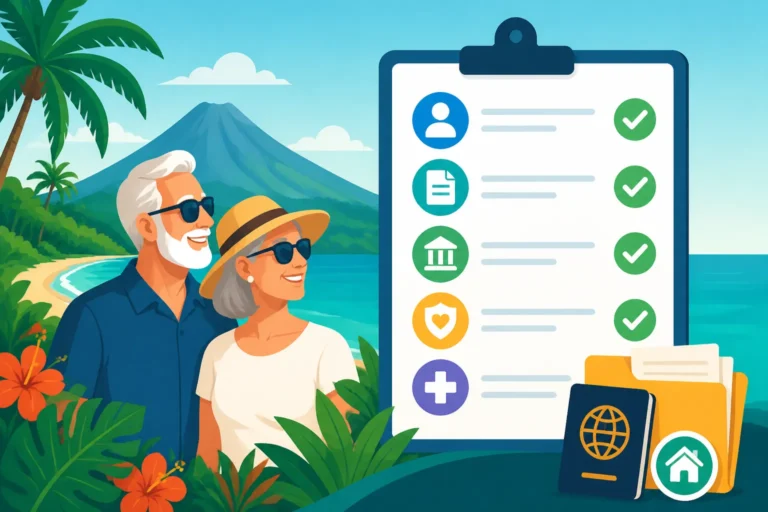
The list of documents required for naturalization can feel daunting, echoing the initial residency application, but with added layers specific to citizenship. Here's a general overview of what you'll typically need:
- Birth Certificate: An original, apostilled or legalized from your home country, and officially translated into Spanish by a recognized translator in Costa Rica. This document proves your identity and origin.
- Criminal Record Checks: As mentioned, from your country of origin (apostilled/legalized and translated) and a recent one from Costa Rica, issued by the Judicial Investigation Organization (OIJ).
- Proof of Residency Years: Your DIMEX cards (temporary and permanent), proof of renewals, and potentially a letter from Migración confirming your continuous legal residency.
- Marriage Certificate: If applying through marriage, an original from the Registro Civil.
- Proof of Financial Stability: While not always as stringent as for initial residency, they want assurance you can support yourself.
- Passport Copies: All pages, especially those showing entry and exit stamps, certified by a notary.
- Timbres (Stamps): You'll need various government revenue stamps purchased at banks or post offices to attach to your application.
- Photos: Passport-sized, recent.
Remember how challenging it was to organize your life and belongings when you first moved here? Many of us, myself included, struggled with ensuring all crucial paperwork made the journey safely, perhaps with the help of international moving services like Sirelo, only to find we needed even more specific versions later. The key is to get everything translated by an official Costa Rican translator, and ensure any foreign documents have the proper apostille or consular legalization. This step alone can be a source of immense frustration, as even a small error can send you back to square one. Our article on Understanding the Documents and Apostille Needed for Residency in Costa Rica can provide a solid foundation for handling similar requirements.
The Bureaucratic Gauntlet: Submitting and Waiting
Once your dossier is complete, you'll typically submit your application to the Tribunal Supremo de Elecciones (TSE), which is the ultimate authority for citizenship matters. In some cases, initial steps might involve Migración (Dirección General de Migración y Extranjería), but the TSE is where the final decision-making power lies.
The waiting times are legendary, and I'm not sugar-coating it. It's not uncommon for the naturalization process to take several years from submission to final approval. This isn't a quick process, and constant follow-up, often through a legal representative, is crucial. You might be asked for additional documents, clarification on previous submissions, or to attend an interview.
The interview process for the language and history exams will typically be scheduled after your paperwork has been reviewed. These aren't meant to trick you, but genuinely assess your capabilities and knowledge. Approaching them with respect and preparation is key. Having an immigration lawyer can be incredibly beneficial here, as they know the specific procedures, how to track your file, and what to expect during each stage. They can also represent you in certain administrative steps, saving you countless trips and potential miscommunications.
Challenges and Considerations for Aspiring Ticos
Embarking on the path to Costa Rican citizenship is a deeply personal and often challenging journey. It's not without its bumps, and understanding these potential obstacles upfront can help you prepare emotionally and financially.
Potential Pitfalls and Delays
The most common reasons for delays or denials often revolve around incomplete or incorrectly prepared paperwork. Missing a stamp, an outdated document, a translation error, or a document not properly apostilled can send your application back to the bottom of the pile. This is why many expats choose to work with specialized immigration attorneys who are experts in navigating these specific requirements.
Furthermore, any minor legal infractions, even traffic tickets that have gone unpaid, can surface during the rigorous background checks. It’s vital to maintain a spotless record throughout your residency. Beyond the technicalities, there are the "hidden" costs. Attorney fees, translation services, exam fees, notarial charges, and those ever-present timbres can add up significantly. It’s an investment, not just of time, but of money. The emotional toll of a lengthy, uncertain process can also be substantial, requiring deep reserves of patience and perseverance. During these long waits, ensuring you have reliable health coverage, like an international plan from Cigna Global, can provide peace of mind, knowing you’re covered even if your official status is in limbo.
Maintaining Your Status During the Wait
One of the most critical aspects of the naturalization journey is ensuring your existing temporary or permanent residency remains active and valid throughout the entire process. Letting your residency lapse while your citizenship application is pending can lead to serious complications, potentially invalidating your progress and even requiring you to start over. Always be mindful of your DIMEX expiration date and initiate renewals well in advance.
Additionally, as a resident, you are required to be affiliated with and current on your payments to the Caja Costarricense de Seguro Social (CCSS), the national healthcare system. Migración often cross-references this, and any arrears with the Caja can be a significant red flag for your naturalization application. Your commitment to the social welfare system is seen as a key aspect of your integration. For more details on this crucial connection, check out our article on How the Caja Requirement Connects to Your Residency in Costa Rica. Keep all your financial and legal affairs in order, and you'll present a much stronger case for becoming a citizen.
Here's a quick summary of the typical residency timelines for naturalization:
| Citizenship Path | Minimum Legal Residency Required | Key Conditions |
|---|---|---|
| Standard Naturalization | 7 years of Permanent Residency | Must demonstrate good conduct, pass Spanish language exam, pass Costa Rican history/culture exam. Requires prior temporary residency (e.g., Pensionado, Rentista) before obtaining permanent residency. |
| Marriage to a Costa Rican Citizen | 2 years of Residency | Must be legally married to a Costa Rican citizen and marriage registered in Costa Rica. Residency clock starts after marriage. Marriage must be proven genuine. Must demonstrate good conduct, pass Spanish language exam, pass Costa Rican history/culture exam. |
| Parents of Costa Rican Children | 5 years of Residency | Must have children born in Costa Rica who are registered as Costa Rican citizens. Must demonstrate good conduct, pass Spanish language exam, pass Costa Rican history/culture exam. |
| Central American / Ibero-American | 5 years of Residency | Must be a citizen of a Central American country or a country from the Ibero-American community (e.g., Spain, Mexico, Colombia). Must demonstrate good conduct, pass Spanish language exam, pass Costa Rican history/culture exam. Requires prior temporary/permanent residency. |
Disclaimer
Please remember that immigration laws and requirements in Costa Rica can change. This guide provides general information based on current understanding and should not be taken as legal advice. It is always recommended to consult with a qualified Costa Rican immigration attorney or the appropriate government agencies (such as Migración or the Tribunal Supremo de Elecciones) for personalized advice regarding your specific situation and the most up-to-date regulations.