How Do I Title and Register a New Car in Costa Rica?
So, you've decided to take the plunge and buy a brand-new car here in Costa Rica? ¡Felicidades! That's a huge step towards true independence and exploring this beautiful country on your own terms. But let's be real, the thought of navigating the paperwork to officially title and register a new vehicle can feel like a deep dive into a bureaucratic abyss. Don't worry, I've been there, and I'm here to walk you through every step of this uniquely Tico process, making it less daunting than it seems. This guide will clarify the ins and outs, so you can get your shiny new ride legally on the road.
The Initial Purchase and Dealership Responsibilities
Buying a new car in Costa Rica, especially from an authorized dealership, generally offers a smoother experience than buying used when it comes to the initial paperwork. This is largely because the dealership handles a significant portion of the heavy lifting for you, as part of their service and standard operating procedure. It's a huge relief, honestly, when you compare it to the convoluted process of importing a used vehicle or dealing with individual sellers.
Choosing Your New Vehicle and Dealership
When you're first eyeing that new car, whether it's a sleek sedan, a rugged 4×4 for adventuring, or a family-friendly SUV, the dealership is your first stop. Major brands like Toyota, Hyundai, Nissan, Mitsubishi, and Suzuki have strong presences here, with reputable dealerships often clustered in areas like La Uruca in San José. Take your time, test drive everything, and ask a million questions – not just about the car, but about the process.
The dealership will guide you through financing options, if you choose that route, and present you with the final purchase price. This price isn't just for the car itself; it includes a whole host of taxes and fees that are mandatory for new vehicle sales. Be prepared for this sticker shock, as the import taxes and sales taxes can significantly inflate the price compared to what you might expect in other countries. It’s part of the cost of living in Costa Rica, unfortunately. Always get a detailed breakdown of what's included in the final price, ensuring it covers the title, registration, and initial plates. They should be transparent about all these costs upfront.
The Dealership's Role in Initial Paperwork
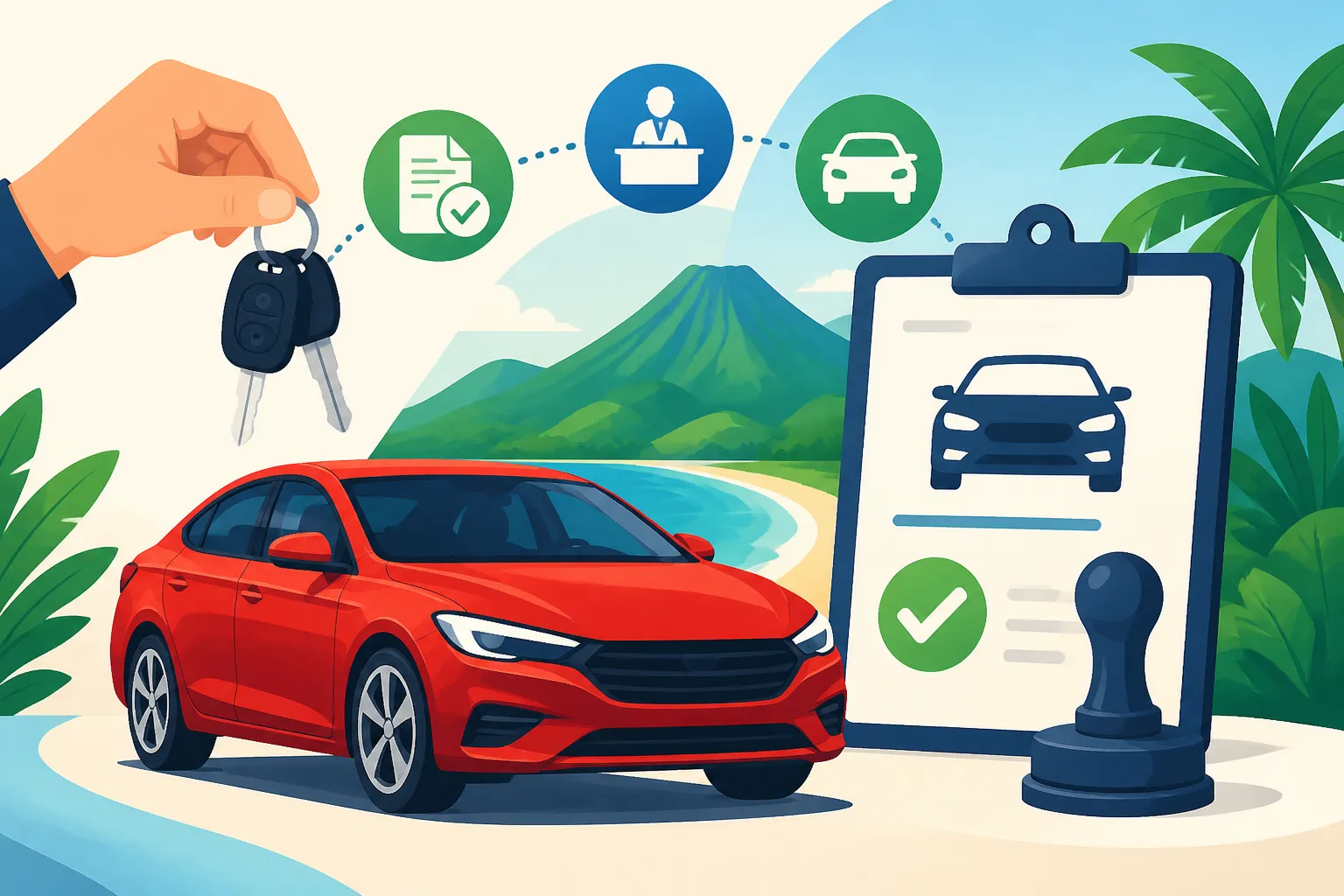
This is where the magic (or at least the administrative convenience) happens. Once you've agreed on a price and signed the purchase agreement, the dealership takes on the crucial task of initiating the titling and registration process on your behalf. They act as your intermediary with several government agencies, saving you countless trips and potential headaches.
Firstly, they will work with a notario público (public notary) to prepare the initial transfer documents. This is a vital step as all property transactions, including vehicles, require a notary here. The notary drafts the escritura de traspaso (transfer deed), which officially records the sale and identifies you as the new owner. They will also handle the payment of the sales tax (IVA) and the specific new vehicle taxes to the Ministry of Finance (Hacienda). This often includes the customs duties (derechos de aduana) for imported vehicles, which all new cars essentially are. The dealership will submit all necessary paperwork to the Registro Nacional (National Registry) to formally register the vehicle in your name and get it entered into the national database. They also typically manage the application for your new license plates and the initial Marchamo (annual circulation permit). Yes, even new cars have to pay Marchamo from the get-go, though it's usually pro-rated for the remainder of the current year. This comprehensive service is one of the main reasons many expats opt for a new car when they first arrive, as it streamlines what would otherwise be a very complex, multi-agency dance.
Navigating the Registro Nacional: Getting Your Title
The Registro Nacional, or National Registry, is the central hub for all legal documentation related to property in Costa Rica, and that includes vehicles. For a new car, the dealership typically handles the submission, but understanding what's happening behind the scenes is key. This is where your car officially gets its identity, and you, its rightful owner, are recorded.
Understanding the Registration Process for New Vehicles
When a new vehicle arrives in Costa Rica, it's essentially an imported good. Even if it's assembled from parts here, it still goes through a similar process. The dealership first needs to get the vehicle cleared through customs (aduana), paying all the hefty import duties. Once that's done, the car has a sort of temporary identity. The next step is its inscripción or inscription in the Registro Nacional. This is the process of getting the vehicle officially recorded for the very first time.
The notario hired by the dealership prepares a document called an escritura de inscripción (inscription deed). This deed contains all the vital information about your new car: make, model, year, VIN, engine number, color, and importantly, your name as the registered owner. This is crucial because, unlike in some countries where a separate title certificate is handed to you, in Costa Rica, your ownership is primarily recorded digitally in the Registro Nacional's system. You won't typically receive a physical "title" document in the same way you might in North America. Instead, your official proof of ownership is largely electronic, accessible through the Registro Nacional's online portal or by requesting a certificación de bienes muebles (certificate of movable goods). This can feel a bit strange for those used to holding a paper title, but rest assured, it's how things are done here.
Verifying Your Vehicle's Title Information
Once the dealership informs you that the car has been registered in your name, it's wise to independently verify this information. While the dealerships are generally reliable, it never hurts to double-check. You can do this by visiting a branch of the Registro Nacional yourself or, more conveniently, by utilizing their online services.
On the Registro Nacional's website, you can search for information using the vehicle's número de placa (license plate number) once it's assigned, or even its VIN (Vehicle Identification Number) in some cases. You'll want to confirm that your name and identification number (your DIMEX, if you have one, or your passport number as initially recorded) are correctly associated with the vehicle. If you're wondering how to use your DIMEX to access services like this, it's your primary identification as a resident here, so keep it handy! This verification step gives you peace of mind that your significant investment is legally yours. It also ensures that any future transactions, like selling the car or updating information, will go smoothly. Remember, patience is a virtue during this period; government processes, even when handled by a third party, can take time. It's a common expat frustration, but a reliable mobile plan (perhaps with Airalo for staying connected while out and about) can make waiting more bearable.
The Crucial Steps to Full Registration: Plates, Marchamo, and Riteve
Getting your name on the digital title at the Registro Nacional is a huge milestone, but your car isn't fully road-legal until it has its license plates, the current Marchamo paid, and has passed its technical inspection, often referred to as Riteve (though the company has changed, the name stuck).
Obtaining Your License Plates
After the car is officially inscribed in your name, the Registro Nacional will issue a set of license plates (placas). For a brand-new car, these are typically new plates assigned specifically to your vehicle for the first time. The dealership usually collects these from the Registro Nacional or the designated office and fits them to your car.
In Costa Rica, license plates consist of six characters, usually three letters followed by three numbers, or vice-versa, with a specific color scheme based on the vehicle type (e.g., private vehicles usually have white plates with black lettering). These plates must be prominently displayed on both the front and rear of your vehicle. It’s important to understand that driving without plates, even if your car is technically "registered," is a serious offense. If the dealership provides you with temporary paper permits to drive while waiting for the physical plates, ensure they are legitimate and clearly displayed. This interim period can sometimes feel like a test of patience, but it's essential to comply fully with the law. Once those plates are on, your car starts to feel truly "yours" and ready for the Costa Rican roads!
Understanding and Paying the Marchamo
The Marchamo is Costa Rica's annual mandatory circulation permit, and it's essentially a bundle of taxes and fees you must pay to keep your vehicle on the road. This covers everything from road tax (impuesto de propiedad de vehículos) to mandatory third-party liability insurance (Seguro Obligatorio de Accidentes de Tránsito – SOAT), a small percentage for the Red Cross, and other administrative fees. For a new car purchased partway through the year, the dealership will arrange for a pro-rated Marchamo payment for the remainder of that year.
The full Marchamo is due every year in December for the following year, and it’s a big deal. The amount you pay depends on the make, model, year, and value of your vehicle. You can find detailed breakdowns and even calculate estimated costs on the INS (Instituto Nacional de Seguros) website, or through various banks that offer payment services. Keep an eye out for news around October-November when the official figures are usually released. Missing the payment deadline in December means accumulating fines and potentially having your vehicle impounded by traffic police. Always keep your Marchamo sticker displayed on your windshield and carry the physical receipt in your car, as traffic officers frequently check for it. To understand more about this, I highly recommend reading "Understanding the Marchamo Annual Vehicle Tax and Riteve in Costa Rica".
The Riteve (Technical Vehicle Inspection) for New Cars
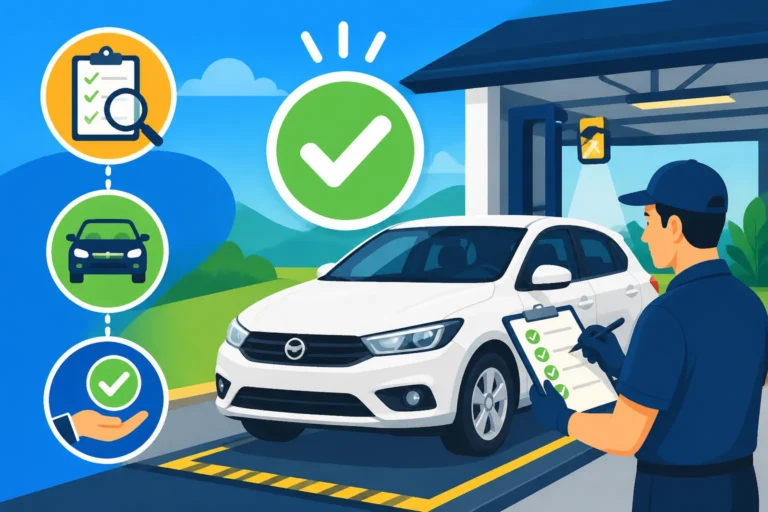
Historically, the technical vehicle inspection was known as Riteve because it was performed by a company by that name. While the service provider has changed (currently it’s Dekra), the name "Riteve" has stuck in common parlance. All vehicles, new or old, must pass this inspection. However, there's a nice perk for new cars: they are typically exempt from the first few years of inspection.
For brand-new private vehicles, the first Riteve inspection is usually due after five years from the initial registration date. This is a welcome relief, giving you a good grace period before you have to worry about queues, emissions tests, and brake checks. Once that initial period is up, your vehicle will then require an annual inspection to ensure it meets safety and environmental standards. The cost of the inspection is relatively low, but the time and effort can be considerable, especially if your car fails and requires repairs before a re-inspection. This five-year exemption for new cars is certainly a selling point!
Post-Registration Essentials: Insurance and Ongoing Obligations
With your new car titled, plated, and Marchamo paid, you're officially road-ready! But the journey doesn't end there. As a responsible vehicle owner in Costa Rica, there are a few more critical aspects to consider and ongoing obligations to keep in mind.
Beyond SOAT: Comprehensive Car Insurance
While the Marchamo includes the mandatory third-party liability insurance (SOAT), which covers bodily injury to third parties in an accident, it offers absolutely no coverage for damage to your own vehicle or other property. This means if you get into an accident and it's your fault, or even if it's not and the other party doesn't have good insurance, you're on the hook for your vehicle's repairs. This is where comprehensive car insurance becomes not just an option, but a necessity, especially for a new car.
The national insurer, INS (Instituto Nacional de Seguros), offers a variety of comprehensive policies. Many private insurers also operate in Costa Rica, often through brokers, providing international-standard coverage. These policies can cover collision damage, theft, fire, natural disasters, and provide extended liability coverage. The cost will depend on the value of your vehicle, your driving history, and the level of coverage you choose. Do your homework, get multiple quotes, and understand the terms. It's an investment that can save you from financial ruin after an unexpected incident. For more details on this, check out "How Much Is Car Insurance in Costa Rica?" and "Understanding Car Import, Registration and Insurance INS in Costa Rica".
Maintaining Your Driver's License and Vehicle Documentation
Beyond the vehicle itself, you, as the driver, also have obligations. If you're new to Costa Rica, you can typically drive with your foreign driver's license for the duration of your tourist visa (usually 90 days). Once you gain residency, however, you have a limited window to convert your foreign license to a Costa Rican one or obtain a new one. Driving on an expired tourist visa with a foreign license can lead to fines and even vehicle impoundment. This is a common pitfall for new expats, so be vigilant! You'll want to read up on "How to Convert or Use a Foreign Driver's License in Costa Rica" or "How Do I Get a Costa Rican Driver's License?" to avoid issues.
Always keep the following documents in your car, readily accessible: your driver's license, the Marchamo receipt (even with the sticker, the receipt is proof of payment), and your vehicle registration card (often issued by the Registro Nacional). Digital copies on your phone are good as a backup, but traffic police can request physical documents. Also, if you're navigating the initial move, remember that staying connected is key. Before your internet is fully set up at home, having a reliable eSIM or local data plan from a provider like Airalo can be invaluable for looking up directions, checking government websites, or simply staying in touch during this busy period. And if you're thinking about other aspects of your move, like shipping belongings or finding new services, platforms like Sirelo can be really helpful for comparing options and planning your logistics.
Selling or Transferring Your Vehicle in the Future
While you've just bought your car, it's worth a brief thought about the future. The process of selling or transferring ownership of your vehicle when the time comes will also involve a notario público and the Registro Nacional. The notario drafts the escritura de traspaso (transfer deed), which is then signed by both buyer and seller. This deed outlines the sale price and any other conditions.
The notario then submits this deed to the Registro Nacional, along with payment for the transfer taxes, which are usually around 2.5% of the vehicle's registered value (or sale price, whichever is higher), plus notary fees. Once the Registro Nacional processes the deed, the ownership is officially transferred in their system, and the new owner's name is recorded. Understanding this future process helps underscore the importance of ensuring all your initial titling and registration paperwork is spotless. It also highlights why keeping good records of your purchase and all subsequent Marchamo payments is crucial.
| Document/Process | Description | Handled By (New Car) | Frequency | Where to Check/Pay |
|---|---|---|---|---|
| Purchase Agreement | Contract of sale for the vehicle. | Dealership | Once | Dealership |
| Inscripción/Title | Official recording of the vehicle in the Registro Nacional in your name. | Dealership's Notary | Once | Registro Nacional |
| License Plates | Physical plates issued for front and rear display. | Dealership (collects) | Once (unless replaced) | Registro Nacional |
| Marchamo | Annual circulation permit including road tax and mandatory third-party insurance (SOAT). | Dealership (initial pro-rated) | Annually (Dec) | INS, Banks, Online |
| Riteve (Dekra) | Technical vehicle inspection for safety and emissions. | N/A for ~5 years (new cars) | Annually (after 5 yrs) | Dekra stations (nationwide) |
| Comprehensive Insurance | Optional, but highly recommended, covers damage to your vehicle, theft, etc. | You | Annually | INS, Private Insurers |
| Driver's License | Legal permission to operate a vehicle. | You | Renewal (per type) | COSEVI (for Tico license) |
Disclaimer
Please remember that laws and regulations in Costa Rica can change. While this guide provides comprehensive information based on current knowledge and common practices, it is not legal advice. Always consult with a qualified local attorney, notary, or the official government agencies (like the Registro Nacional or the Ministry of Public Works and Transport, MOPT) for the most up-to-date and personalized information regarding your specific situation.