Why Is My Electricity Bill So High in Costa Rica?
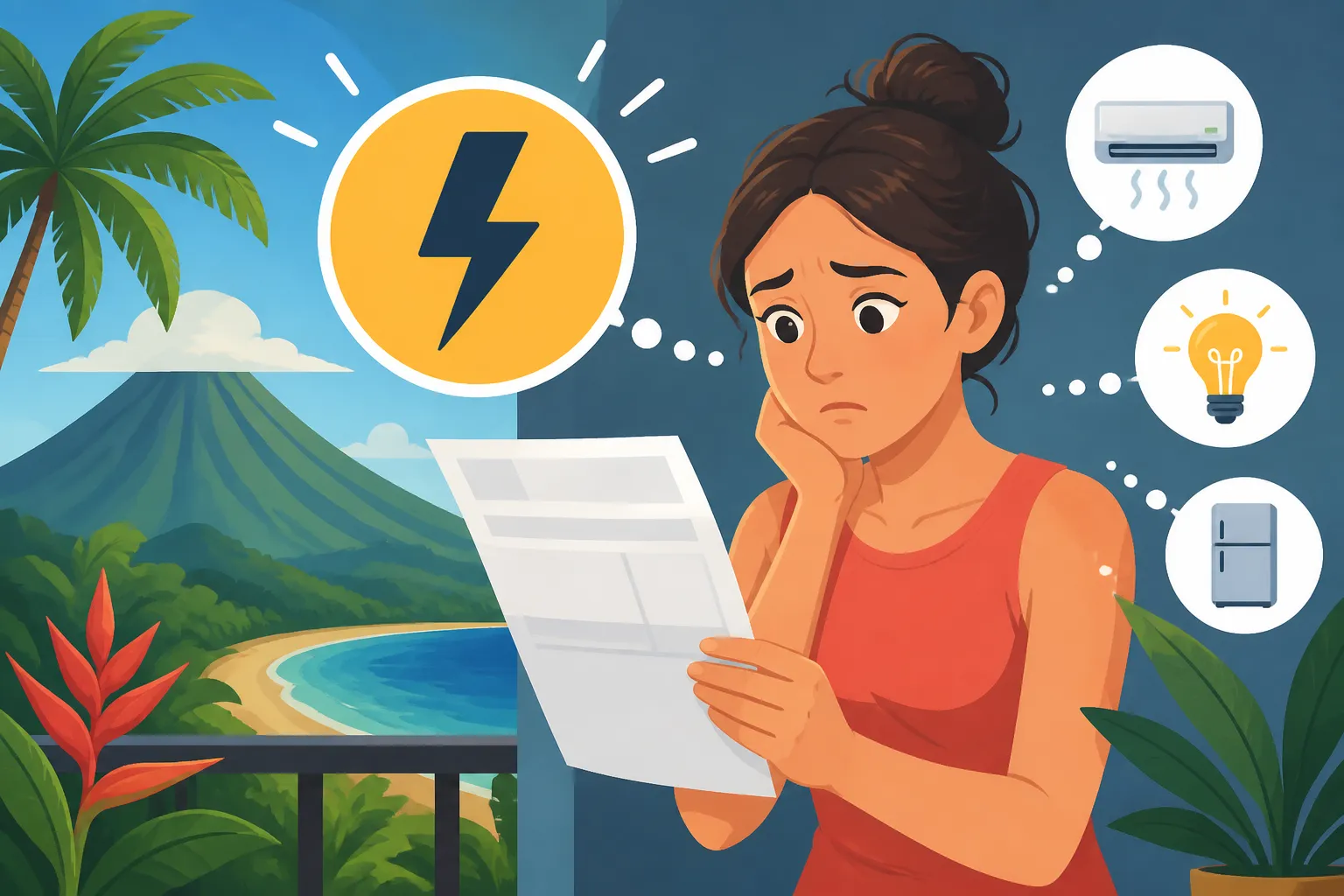
Ah, the infamous recibo de luz – the electricity bill. If you've just stared at a bill from ICE or your local cooperativa with wide eyes and a sinking feeling, asking "Why on earth is my electricity bill so high in Costa Rica?", let me tell you, you are far from alone. It's a rite of passage for many expats, a moment of stark realization that some aspects of Pura Vida come with a hefty price tag. This guide is here to unravel the mysteries behind those shocking numbers and give you some battle-tested strategies to bring them back down to earth.
Navigating Costa Rica's Electricity Providers and Their Impact
First things first, let's understand who's powering your home. Unlike many countries with multiple competitive providers, Costa Rica's electricity sector is largely dominated by the state-owned Instituto Costarricense de Electricidad (ICE). However, it's not quite that simple, which adds to the confusion for newcomers.
The Monopoly and Regional Differences: ICE and Beyond
While ICE is the big player, operating the national grid and a significant portion of generation, you might actually be receiving your bill from a regional distributor. Think of ICE as the national backbone. Then, depending on where you live, your actual service provider and biller could be:
- Compañía Nacional de Fuerza y Luz (CNFL): This is a subsidiary of ICE and serves the greater San José metropolitan area, including parts of Heredia, Alajuela, and Cartago. If you're in Escazú, Santa Ana, or downtown San José, chances are CNFL is your provider.
- Regional Cooperatives: These are autonomous entities that serve specific regions, often rural or coastal areas. They include names like Coopeguanacaste R.L. (Guanacaste province), Coopesantos R.L. (Los Santos region), Coopelesca R.L. (San Carlos area), and ESPH (Empresa de Servicios Públicos de Heredia), which, despite its name, also functions much like a co-op for Heredia province. These co-ops can sometimes have slightly different tariff structures or customer service experiences compared to CNFL.
- Junta Administrativa del Servicio Eléctrico de Cartago (JASEC): The electricity provider for much of Cartago province.
Each of these entities sources power from ICE's national grid (or generates some themselves, especially the co-ops) but then manages its own distribution and billing. This decentralized system means that while the core cost of electricity is largely set nationally, the exact tariffs, customer service, and local regulations can vary slightly. You can learn more about how to set up electricity with these providers in your new home by reading our guide on How to Set Up Electricity ICE/CNFL in Your Costa Rican Home.
How Tariffs and Tiers Work (and Why They Matter)
Here's where it gets really important – and often painful. Costa Rica uses a tiered pricing system for residential electricity consumption, which is typical in many places but particularly impactful here. This means the more electricity you use, the higher the rate you pay per kilowatt-hour (kWh).
For instance, the first block of energy might be charged at one rate, the next block at a higher rate, and anything beyond that at an even higher, sometimes significantly higher, rate. These tiers are designed to encourage conservation, especially for heavy users. If you're coming from a country with flat-rate electricity, this progressive tariff can be a massive shock. Crossing into a higher consumption tier can literally double or triple the effective cost of those extra kWh. Understanding these tiers is crucial for interpreting your bill and, more importantly, for figuring out how to reduce it.
The Usual Suspects: Why Your Bill Is Skyrocketing
Alright, let's get down to the common culprits that turn your electricity bill into a monstrous beast. Often, it's not one single thing but a combination of factors unique to living in a tropical climate.
Air Conditioning: The Silent Bill Killer
I've seen it time and time again: new expats arrive, delighted by the balmy weather, and then they crank up the A/C in their home or rental. And who can blame them? Escaping the heat and humidity is blissful. But air conditioning units, especially older or less efficient models, are absolute energy hogs. They are, without a doubt, the single biggest driver of high electricity bills in Costa Rica.
Think about it: in a tropical country, you're not just cooling the air, you're constantly fighting against relentless humidity. If you leave your A/C running all day, even when you're out, or set it to a super-low temperature (like 18°C or 64°F), you're essentially burning money. Many homes, particularly older ones or those built in warmer coastal regions, often lack adequate insulation, meaning the cold air escapes quickly, and the unit has to work even harder to maintain the desired temperature. This continuous struggle against the elements pushes your consumption into those higher, more expensive tariff tiers faster than you can say "Pura Vida."
Appliance Usage and Phantom Power
Beyond A/C, many other household appliances contribute significantly to your energy consumption, often more than you'd expect.
- Electric Showers (Duchas Eléctricas): These are incredibly common in Costa Rica, especially outside of higher-end homes. Instead of a water heater that heats a tank of water, an electric shower head heats water on demand as it flows through. While convenient and space-saving, they use a massive amount of electricity for the few minutes they're on, and if multiple people take long showers, it adds up quickly.
- Refrigerators and Freezers: In a hot climate, your fridge has to work harder to keep food cool. Older, inefficient models can consume a surprising amount of power. Make sure yours isn't against a wall where heat can build up, and check the door seals regularly.
- Clothes Dryers: While the Costa Rican sun is a fantastic, free clothes dryer, sometimes you need to use an electric one, especially during the rainy season. These are another major energy user. Hanging clothes to dry whenever possible is one of the easiest ways to cut down.
- Pool Pumps: If you have a pool, the pump is running for several hours a day, often unnoticed. Older or oversized pumps can be significant electricity drains.
- "Phantom" or "Vampire" Power: This is the electricity consumed by electronics when they're turned off but still plugged in – think TVs, computers, phone chargers, coffee makers, and even microwaves. While individually small, these devices collectively can add several dollars to your bill each month. In Costa Rica, where electricity rates are higher, this vampire draw is even more impactful. Unplugging devices or using power strips with on/off switches can make a noticeable difference.
Location, Insulation, and Lifestyle Choices
Where you live and how you live fundamentally impact your energy consumption and, consequently, your bill.
- Geographic Location: Living in a hot, humid coastal town like Tamarindo or Jacó almost guarantees higher A/C usage compared to the cooler Central Valley (e.g., San José, Heredia, Atenas). The constant need to dehumidify and cool the air in coastal areas is a battle your A/C unit fights constantly.
- Home Construction and Insulation: Many Costa Rican homes, especially older ones, were not built with energy efficiency in mind. They often have poor insulation (or none at all), single-pane windows, and open designs that are lovely for airflow but terrible for retaining cool air. This means your A/C works harder to maintain temperature, and heat from outside easily penetrates. Newer, more modern homes might incorporate better insulation and energy-efficient windows, but they often come at a premium.
- Lifestyle Habits: Do you leave lights on in empty rooms? Do you keep the A/C blasting when you're out running errands? Are you showering multiple times a day with an electric shower? These small habits, when compounded, can lead to a shockingly high bill. For example, if you're a heavy gamer with multiple screens and a powerful PC, or if you work from home with a full office setup running all day, your consumption will naturally be higher than someone who primarily uses their home for sleeping. It's all about being mindful of your individual patterns.
Decoding Your ICE or Co-op Bill: What Are You Really Paying For?
Understanding your electricity bill in Costa Rica can feel like deciphering ancient hieroglyphs, especially if your Spanish isn't perfectly fluent. But knowing what you're looking at is the first step to controlling it. While exact formats vary slightly between CNFL, ICE, and the cooperatives, the core information remains the same. You might find it helpful to have a local friend help you translate the first few. You can also get more help on What Is the Average Utility Bill for a Home in Costa Rica?.
Understanding Consumption Tiers and Charges
Your bill will typically break down your consumption into kilowatt-hours (kWh) and show how much of that consumption fell into each tariff tier. Look for sections like "Consumo," "Tarifa," or "Bloques de Consumo."
Here's a simplified example of how residential tariffs (Tarifa Residencial) might look, though these rates are subject to change and vary by provider:
| Consumption Block (kWh) | Rate per kWh (Approx. CRC) |
|---|---|
| 0 – 200 kWh | 60 |
| 201 – 300 kWh | 80 |
| 301 – 500 kWh | 100 |
| 501+ kWh | 120+ |
(Note: These are illustrative figures. Actual rates vary significantly by provider and are subject to change. Always check the current tariffs from your specific provider.)
As you can see, once you cross into higher blocks, the cost per kWh jumps considerably. This is why a sudden spike in consumption, perhaps due to a heatwave or a visiting guest using more A/C, can have an outsized impact on your total bill. It's not just that you used more electricity; you used more expensive electricity.
Your bill will also include other charges, such as:
- Aportes o Leyes Especiales: Contributions mandated by law, often for social programs or environmental initiatives.
- Alumbrado Público: Public lighting charge.
- Impuesto de Valor Agregado (IVA): The Value Added Tax, currently 13%, which applies to electricity consumption above a certain threshold (often around 280 kWh for residential use, but this can change). This is another kicker – once you hit that threshold, the tax is applied to all your consumption, not just the amount above it.
Meter Readings, Billing Cycles, and Potential Errors
Your bill will show your current meter reading ("Lectura Actual"), the previous reading ("Lectura Anterior"), and the difference, which is your consumption for the billing period. Most bills are monthly.
It's a good habit to:
- Locate Your Meter: Know where it is on your property.
- Take Your Own Reading: Once a week or so, take a photo of your meter, noting the date and time. This helps you track your consumption in real-time and allows you to compare it to the "Lectura Actual" on your bill.
- Understand Your Billing Cycle: Know roughly when your meter is read each month.
- Check for Errors: While rare, mistakes can happen. If your reading seems wildly off from your own observations, or if you suspect a previous bill was estimated ("Estimado" will often be noted), don't hesitate to contact your provider. You can reach out to their customer service, which for CNFL, for example, is generally quite responsive. For a truly smooth utility payment experience, consider setting up direct debit; our guide on How Do I Set Up Auto-Pay for My ICE and AyA Bills? can walk you through it.
Practical Strategies for Taming Your "Recibo de Luz"
Now for the good stuff: what can you actually do to stop those high electricity bills from draining your wallet? It often comes down to a combination of conscious habits and smart choices.
Smart Appliance Habits and Energy-Efficient Upgrades
Making small changes to how you use your appliances can yield significant savings.
- Master Your Air Conditioning: This is the big one.
- Set a Realistic Temperature: Aim for 24-26°C (75-79°F). It might feel warm at first, but you'll acclimate, and your body will thank you (and so will your bank account!). Every degree lower dramatically increases energy consumption.
- Use Timers: Set your A/C to turn on shortly before you arrive home and turn off after you go to bed or before you leave.
- Clean Filters Regularly: Dirty A/C filters restrict airflow, making the unit work harder and consume more energy. Clean them every 1-3 months.
- Service Annually: Have a technician service your unit once a year to ensure it's running efficiently.
- Consider Upgrading: If your A/C unit is old, consider investing in a new, energy-efficient inverter model. The upfront cost is significant, but the long-term savings can be substantial, especially if you use it a lot.
- Seal Leaks: Check around windows and doors for gaps where cool air can escape and hot air can enter. Simple weather stripping can make a difference.
- Optimize Your Electric Shower Use:
- Shorten Showers: Keep them quick and to the point.
- Lower the Heat Setting: Most duchas eléctricas have a low/medium/high setting. Use the lowest comfortable setting.
- Consider a Tank Water Heater: If you own your home and have high shower usage, installing a small, efficient tankless or tank water heater for your entire home can be a big upfront investment but often cheaper in the long run than multiple electric showers.
- Unplug "Vampire" Electronics: Get into the habit of unplugging chargers, TVs, coffee makers, and other devices when not in use, or use smart power strips that cut power completely.
- Embrace the Sun for Drying Clothes: Unless it's truly pouring rain for days, hang your laundry to dry. The sun and breeze are free and effective.
- LED Lighting: Switch all your incandescent bulbs to energy-efficient LEDs. They use a fraction of the electricity and last much longer.
- Efficient Kitchen Appliances: If buying new, look for energy-star rated refrigerators and other kitchen appliances. Use microwaves instead of ovens when possible, as they are generally more efficient for small tasks.
Behavioral Changes and Monitoring Your Usage
Sometimes, the simplest changes in habit are the most effective.
- Strategic Ventilation: In the cooler parts of the day (early morning, evening), open windows and doors to create cross-ventilation and cool down your home naturally. Close them when it heats up to trap cooler air inside.
- Window Coverings: Use blinds, curtains, or even heat-reflective film on windows that get direct sun exposure. This can significantly reduce heat gain.
- Cook Smart: Use your oven during the cooler parts of the day if possible, as it generates a lot of heat. Consider outdoor grilling or stovetop cooking more often.
- Monitor Your Meter: As mentioned, regularly checking your meter gives you immediate feedback on your consumption. You can see how much a day of heavy A/C use costs versus a day of minimal use. This awareness is powerful.
- Embrace the Pura Vida Pace: Sometimes, a slightly warmer house is just part of living in the tropics. Instead of constantly fighting the heat with artificial cooling, embrace lighter clothing, cold drinks, and ceiling fans. It's a mindset shift that can save you a lot.
Leveraging Technology and External Advice
You don't have to tackle this alone. Technology and local expertise can offer solutions.
- Smart Thermostats: While less common in Costa Rica than in North America, smart thermostats can be integrated with some A/C units, allowing you to control and program them remotely, optimizing usage and saving energy.
- Energy Audits: For homeowners, a local electrician or energy efficiency expert might be able to conduct an energy audit, pinpointing specific areas of heat loss or excessive consumption in your home.
- Solar Panels: This is a big investment, but if you own your home and plan to stay long-term, installing solar panels can drastically reduce or even eliminate your electricity bill. Costa Rica has abundant sunshine, making it an ideal location for solar.
- Online Tracking: Many electricity providers, including CNFL, offer online portals where you can view your past bills and sometimes even track daily consumption. This helps you identify trends. Speaking of staying connected and online, if you're looking for flexible and affordable mobile data to manage these things while on the go, a global eSIM service like Airalo can be a lifesaver. It allows you to buy local data plans digitally, perfect for when you're out and about checking your energy usage or paying bills.
- Community Forums: Engage with other expats in Costa Rica. They often have firsthand experience, tips, and recommendations for electricians or energy solutions in your specific area. Many have moved their entire lives here, so they can share invaluable advice, perhaps even regarding international shipping of their belongings through services like Sirelo if they imported energy-efficient appliances.
The high electricity bill is a common frustration for expats in Costa Rica, but it's not an insurmountable one. By understanding the system, identifying the main energy guzzlers, and adopting smarter habits, you can definitely bring those numbers down and truly embrace the Pura Vida lifestyle without constantly worrying about your next recibo de luz.
Disclaimer
This article is for general informational purposes only and does not constitute professional advice. Laws, prices and regulations vary by location and change over time. Consult a qualified professional for guidance on your specific situation.