How Do I Choose Between CIMA, Clinica Biblica and Hospital Metropolitano?
Alright, my fellow expat, let's talk about something that weighs heavily on all our minds when we move to a new country: healthcare. You’ve probably heard whispers about the public system, the Caja, and then the shining beacons of private care. When a medical need arises, or even just for routine check-ups, the question isn't if you'll need a hospital, but which one. Choosing between the big three private hospitals in the Central Valley – CIMA, Clínica Bíblica, and Hospital Metropolitano – can feel like a daunting task, but don't you worry. This guide is going to break down each one, giving you the real-world lowdown so you can make an informed decision for yourself and your loved ones.
Understanding Costa Rica's Private Healthcare Landscape
Let's be honest, living in a foreign country comes with its own unique set of anxieties, and medical care is right up there. While Costa Rica's public healthcare system, often referred to as the Caja Costarricense de Seguro Social (CCSS) or simply the "Caja," is robust and accessible to residents, it's not without its challenges. The waiting lists can be long, appointments can be difficult to get, and the language barrier can sometimes be a hurdle even for minor issues. That's where the private sector steps in, offering a much different experience.
Why Private Hospitals Are Often Preferred by Expats
Many of us expats quickly learn that the public system, while a lifesaver in many situations, can test your patience. Appointments with specialists through the Caja can take months, sometimes even over a year, for non-emergency conditions. For those of us used to immediate access, or who simply value our time, this can be incredibly frustrating. This is a big reason why many foreigners, myself included, often gravitate towards private hospitals.
The benefits are clear: significantly shorter wait times for appointments and procedures, access to a wider range of specialists, state-of-the-art equipment, and often, the comforting presence of English-speaking staff. It’s about peace of mind, knowing that if something serious happens, or if you just need a routine check-up, you won't be navigating a bureaucratic maze. This isn't to say the Caja isn't good – it absolutely is for emergency care and for those who integrate fully. But for day-to-day and elective procedures, private hospitals offer a different level of convenience and speed that many expats find invaluable. For a deeper understanding of the entire system, you might want to check out The Complete Guide to Healthcare in Costa Rica for Expats (2027) which details both public and private options.
The Importance of Location and Specialization
Costa Rica's Central Valley is where you'll find the highest concentration of private healthcare facilities, and naturally, the three main players we're discussing today. Their locations are strategic, primarily serving the greater San José metropolitan area, which is where most expats live or can easily access. However, even within this area, their exact positioning can influence your choice, especially if you live outside the immediate capital. For instance, if you're residing in Escazú, CIMA might be a more convenient option.
Beyond location, each hospital often develops a reputation or particular strengths in certain medical specializations. While all three are full-service hospitals capable of handling a vast array of medical conditions, some might be known for their cardiology department, others for their orthopedic surgery, or perhaps their maternal care. When you're making your decision, especially for specific medical needs, it's worth digging into what each hospital is renowned for. Thinking about your typical needs can really help in deciding Public vs Private Healthcare in Costa Rica: Which Should Expats Choose?.
A Deep Dive into Hospital CIMA San Jose
Hospital CIMA San José, located in the upscale suburb of Escazú, has long been considered the gold standard for private healthcare among many expats in Costa Rica. It often feels the most "Americanized" in terms of its facilities, patient care philosophy, and overall environment, which can be a huge comfort for those newly arrived and still adjusting to life abroad.
CIMA's Reputation and Services
CIMA's reputation precedes it. It's known for its incredibly modern facilities, cutting-edge technology, and a strong focus on patient comfort and international standards. Many of the doctors who practice here are U.S. or European trained, and the vast majority of administrative and medical staff speak English fluently, which removes a significant stressor for non-Spanish speakers during vulnerable moments.
The range of services at CIMA is comprehensive, covering everything from routine check-ups to complex surgeries. They have a robust emergency room, intensive care units, specialized clinics for various conditions (like oncology, cardiology, gastroenterology), and advanced diagnostic imaging. If you're looking for a hospital that feels familiar and operates with a highly efficient, international standard, CIMA is often the first place expats look. Its location in Escazú also makes it incredibly convenient for the many foreigners who reside in or around that affluent area.
Patient Experience and Costs at CIMA
The patient experience at CIMA is generally excellent. From the moment you walk in, the atmosphere is more akin to a high-end hotel than a typical hospital. Waiting areas are comfortable, staff are attentive, and the process for appointments and admissions is streamlined. They truly aim to cater to an international clientele, understanding the nuances of expat needs and expectations. You'll find amenities like private rooms, cafeterias offering diverse food options, and even small shops.
However, this premium experience comes with a price tag. CIMA is generally considered the most expensive of the three private hospitals. While still often more affordable than comparable private care in North America, costs can add up quickly, especially for complex procedures or extended stays. This is where having robust private health insurance, like that offered by SafetyWing, becomes absolutely crucial. Many international insurance providers have direct billing agreements with CIMA, making the financial aspect much smoother. Without insurance, you'll be paying out of pocket, and it’s important to understand The Cost of Healthcare in Costa Rica: A Complete Breakdown for Foreigners (2026) before you need it.
Navigating Clínica Bíblica
Clínica Bíblica, centrally located in downtown San José, is a venerable institution with a long history of providing quality healthcare in Costa Rica. It holds a special place in the hearts of many locals and expats alike, blending traditional Costa Rican warmth with modern medical care.
Clínica Bíblica's Legacy and Accessibility
Clínica Bíblica has been serving Costa Rica for over 90 years, making it one of the oldest and most respected private hospitals in the country. Its central location, just east of downtown San José, makes it incredibly accessible via public transport or taxi from almost anywhere in the Central Valley. While parking can be a bit more challenging due to its urban setting, its accessibility is a definite advantage for many.
Unlike CIMA, Clínica Bíblica often feels more integrated into the local culture, yet still maintains high international standards. You'll hear more Spanish spoken here, but don't let that deter you; they also have English-speaking staff and doctors, especially in key departments catering to foreigners. The hospital has invested heavily in modernizing its facilities over the years, ensuring it remains competitive in terms of technology and infrastructure.
Specialist Care and Diverse Services
Clínica Bíblica offers an incredibly comprehensive range of medical services, from a busy 24/7 emergency department to specialized centers. They are particularly known for their strong cardiology and oncology units, as well as their excellent maternity and pediatric care. They have a vast network of specialists under one roof, making referrals and integrated care more seamless. This wide array of options means that whether you need emergency care or a specific specialist consultation, you're likely to find it here.
Their commitment to quality is evident in their accreditations and their continuous efforts to update technology. The hospital provides a diverse range of diagnostic imaging, laboratory services, and surgical suites. For those needing Emergency Medical Care in Costa Rica: What Every Expat Needs to Know, Clínica Bíblica's central location and extensive services make it a very strong contender. You can also get many Prescription Medications and Pharmacies in Costa Rica: The Complete Guide onsite, which is a huge convenience.
Exploring Hospital Metropolitano
Hospital Metropolitano might be considered the "new kid on the block" compared to the long-standing reputations of CIMA and Clínica Bíblica, but it has quickly carved out a significant niche for itself in Costa Rica's private healthcare sector. It positions itself as a modern, accessible, and often more cost-effective option, without compromising on quality.
Hospital Metropolitano's Growth and Innovation
Hospital Metropolitano has seen remarkable growth since its inception. It's spread out with its main facility in San José (near La Sabana Park) and several satellite clinics strategically placed in areas like Tibás, Heredia, and Escazú. This multi-location approach makes it incredibly convenient for expats living in different parts of the Central Valley, offering more localized access to consultations and basic services.
Their philosophy often revolves around efficiency and affordability, utilizing modern administrative practices and technology to keep costs down while still delivering high-quality care. They are known for their commitment to innovation, often integrating new medical technologies and procedures quickly. Many of their doctors are also highly skilled and often practice at the other major private hospitals, giving you access to top talent.
Cost-Effectiveness and Range of Treatments
One of Hospital Metropolitano's strongest selling points is its perceived cost-effectiveness. While still a private hospital, many expats and locals find their pricing to be slightly more approachable than CIMA, making quality private care accessible to a broader range of budgets. This makes it an attractive option for those who may not have comprehensive international health insurance or are looking to manage costs more closely. It’s a great choice if you're trying to understand Understanding Co-Payments and Private Consultation Fees in Costa Rica and keep them manageable.
Despite the competitive pricing, Metropolitano offers a wide range of medical and surgical services, including a 24-hour emergency room, an intensive care unit, various specialist clinics, and diagnostic facilities. They have a strong focus on general medicine, but also offer specialized care in areas like orthopedics, urology, and digestive health. Their network of clinics also means you might find it easier to get a quick consultation with a general practitioner before needing a specialist referral. If you're exploring How Costa Rica's Health System Works: The Caja (CCSS) vs Private Explained (2027), Metropolitano provides a strong private alternative.
Making Your Choice: Key Factors to Consider
So, you've got CIMA, Clínica Bíblica, and Hospital Metropolitano. Each has its strengths, its personality, and its particular appeal. How do you actually go about making your choice? It's not just about which one sounds best on paper; it's about what truly fits your unique situation as an expat in Costa Rica.
Insurance Compatibility and Direct Billing
This is, for many, the make-or-break factor. Navigating healthcare bills in a foreign country can be incredibly stressful, and having your insurance company work directly with the hospital for billing is a huge relief. Before you commit to any one hospital, or even a particular doctor within a hospital, you must verify their insurance compatibility.
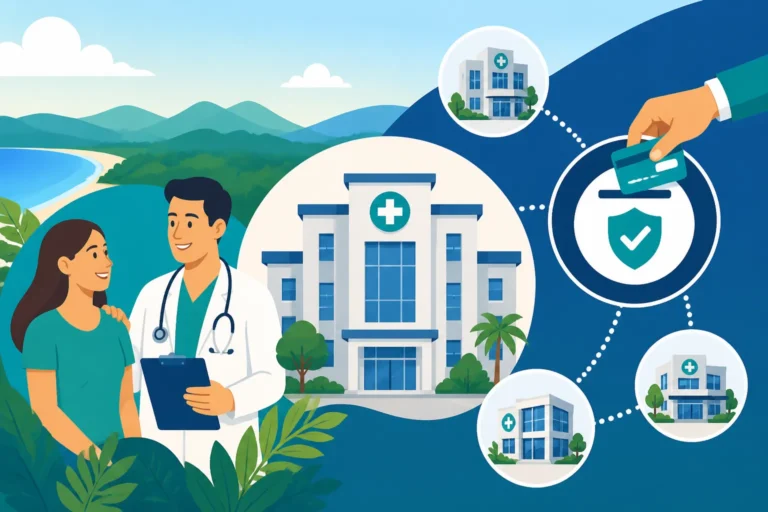
Most major international health insurance providers, and local options like INS (Instituto Nacional de Seguros), will have agreements with one or all of these hospitals. For instance, many expats using policies like SafetyWing find that these hospitals are within their network, often allowing for direct billing for covered services. This means less paperwork, less upfront out-of-pocket expense, and generally a smoother experience. Always call your insurance provider and the hospital's billing department to confirm what's covered and if direct billing is an option for your specific plan and the services you anticipate needing. If you want to know more about this, look into Understanding Private Hospital Networks and Direct Billing in Costa Rica.
Personal Preferences and Specific Needs
Beyond the practicalities of insurance and cost, your personal preferences and specific medical needs should heavily influence your decision. Do you prioritize proximity to your home in Atenas or Grecia? Do you feel more comfortable in an environment that heavily caters to English speakers, or are you proficient enough in Spanish to navigate a more local feel? Are you seeking a highly specialized procedure, or just looking for reliable general practitioners and a good emergency room?
Consider the following:
- Doctor Recommendations: Often, the best way to find a good hospital is to find a good doctor. Ask other expats for recommendations, particularly for specialists you might need. Doctors often have privileges at multiple hospitals, so finding a specific doctor you trust might lead you to their primary hospital affiliation. For instance, many of my expat friends have found their trusted "family doctor" this way.
- Ease of Access: How easy is it to get to the hospital from where you live? Traffic in the Central Valley can be brutal, and in an emergency, every minute counts.
- Hospital Culture: Some prefer the bustling, high-tech environment of CIMA, others the community feel of Clínica Bíblica, and still others the modern, efficient approach of Metropolitano. Spend some time on their websites, or if possible, even visit for a minor check-up to get a feel for the place.
Here’s a quick comparison to help you weigh your options:
| Feature | Hospital CIMA San Jose | Clínica Bíblica San José | Hospital Metropolitano San José |
|---|---|---|---|
| Location | Escazú (western San José suburb) | Central San José (downtown area) | Multiple: La Sabana (main), Tibás, Heredia, Escazú |
| Reputation | High-end, international, modern, "Americanized" | Established, comprehensive, trusted, community-focused | Growing, modern, efficient, often more cost-effective |
| English Speaking Staff | Very High | High (especially in expat-facing departments) | High (especially at main campus) |
| Cost | Generally Highest | Moderate to High | Moderate (often competitive) |
| Specialties Noted | Cardiology, Orthopedics, International Patients, Cosmetic Surgery | Cardiology, Oncology, Maternity, Pediatrics | General Surgery, Orthopedics, Diagnostics, Dental (at some clinics) |
| Accessibility | Best if living in Escazú/Santa Ana, can be traffic to others | Central, accessible via public transport, parking can be tight | Multiple locations offer good regional access |
| Ambiance | Hotel-like, serene | More traditional hospital feel, busy | Modern, clean, efficient |
Ultimately, choosing between these excellent private hospitals comes down to your individual needs, budget, and comfort level. All three offer high-quality medical care that can give you peace of mind during your expat journey in Costa Rica. It's a personal decision, but by considering these factors, you'll be well-equipped to make the right one for you. For broader insights on managing your healthcare here, read Navigating the Costa Rican Healthcare System: An Expat's Roadmap (2027).
Disclaimer
The information provided in this guide is for general informational purposes only and does not constitute medical, legal, or financial advice. While we strive to keep the information up-to-date and correct, Costa Rican laws, regulations, and medical practices can change rapidly. Always consult with qualified medical professionals, legal counsel, or insurance providers for advice tailored to your specific situation. Reliance on any information in this guide is solely at your own risk.