How Do I Get Medication Delivered to My Home in Costa Rica?
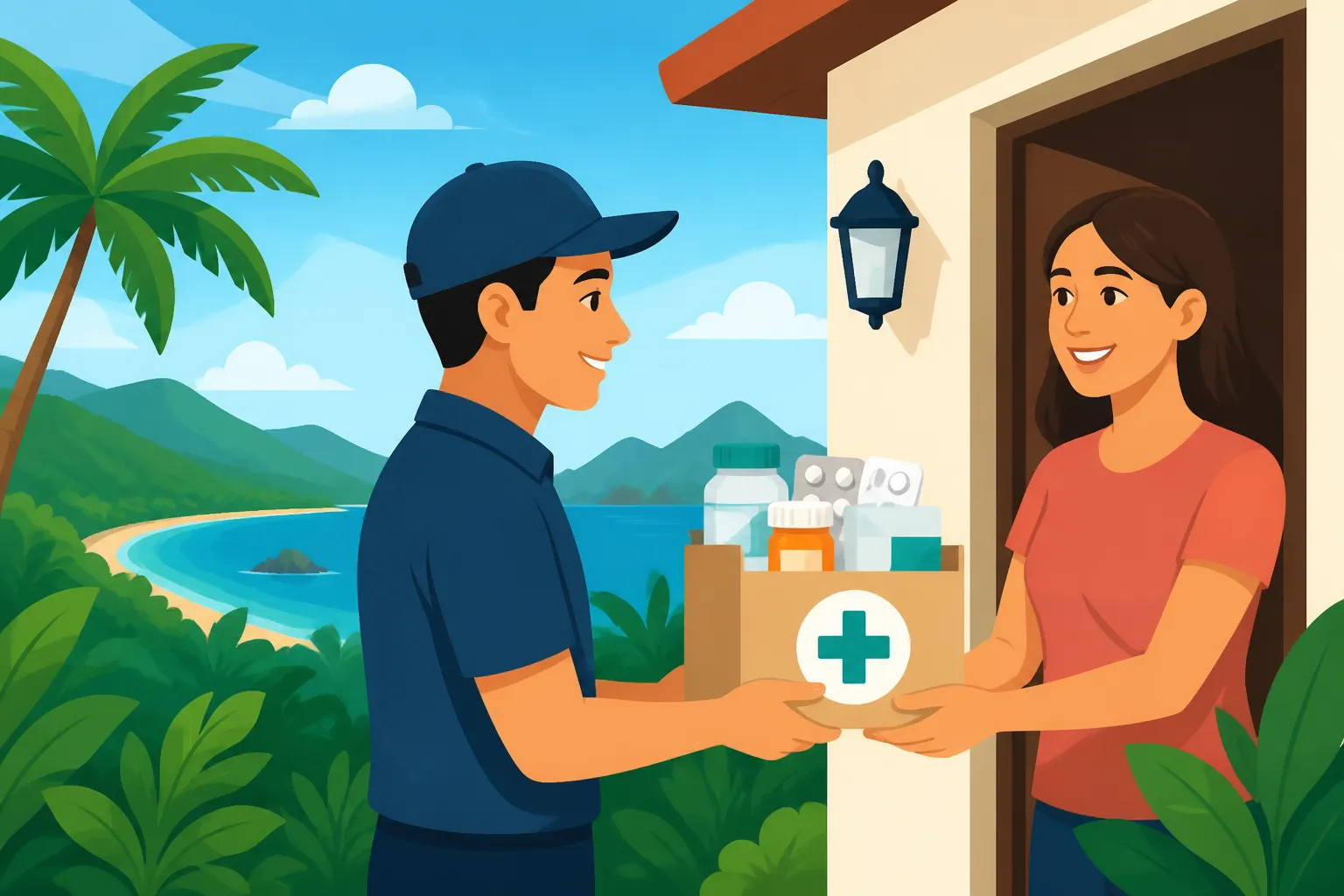
Living in a new country like Costa Rica, you inevitably run into those moments where a simple task back home becomes a full-blown administrative adventure. Needing medication but feeling too unwell to trek to the farmacia, or perhaps you're simply in a remote area without easy transport, can be incredibly frustrating. The good news is that getting your medication delivered right to your doorstep is becoming increasingly common here, and this guide will walk you through exactly how to make that happen.
Why Medication Delivery is a Lifesaver for Expats in Costa Rica
Let's be honest, sometimes you just can't face the outside world, especially when you're feeling under the weather in a foreign country. The thought of navigating traffic, finding parking, or even just trying to explain your symptoms in Spanish when you're feeling groggy is enough to make anyone want to pull the covers over their head. That's where home delivery for medications truly shines, offering a much-needed lifeline.
The Convenience Factor: More Than Just Laziness
When you first move here, even something as routine as popping to the pharmacy can feel like a big deal. Maybe you haven't mastered your local bus routes yet, or perhaps you're still getting the hang of driving in Costa Rica. For many, a car isn't an option, or they might be in an area where public transport is sparse. This isn't about being lazy; it's about practical living. Having the option to get your prescriptions or over-the-counter necessities delivered means you can focus on recovering or simply enjoying your day without added logistical stress. It's a small comfort that makes a big difference in daily life, especially for those of us trying to make a new home far away from familiar routines.
When You Can't (or Shouldn't) Leave Home
There are plenty of legitimate reasons why heading out to a pharmacy just isn't feasible. Perhaps you’re battling a nasty flu, have a sprained ankle, or are simply self-isolating to avoid spreading germs. For new parents, leaving the house with a baby for a quick pharmacy run can feel like an Olympic event. And let's not forget the sheer peace of mind when you know you can reliably get what you need without exposing yourself or others unnecessarily. This shift towards home delivery, which really gained traction during the pandemic, has thankfully stuck around, making life significantly easier for everyone, particularly for the expat community who might lack an immediate support network to run errands.
Your Options for Getting Meds Delivered in Costa Rica
When it comes to getting your medications delivered in Costa Rica, you've got a few avenues you can explore. The options have expanded quite a bit in recent years, moving beyond just calling your local mom-and-pop farmacia. Understanding these different routes will help you choose the one that best suits your needs, whether it's for a recurring prescription or an urgent over-the-counter item.
Major Pharmacy Chains and Their Services
Costa Rica has a number of prominent pharmacy chains that have robust delivery systems in place, especially in urban and semi-urban areas. These are often the easiest and most reliable options for expats because they usually have structured websites, apps, and even English-speaking staff available at their call centers.
- Farmacias Fischel: This is probably the most recognized name in Costa Rican pharmacies. They have an extensive network and were early adopters of online ordering and home delivery. You can order through their website or via their mobile app. They often have promotions and a wide range of products beyond just medications. Their delivery service is generally efficient, though it can take a few hours depending on your location and the time of day. You’ll usually need to upload a photo of your receta médica (prescription) for prescription drugs.
- Farmacia La Bomba: Another major player, La Bomba also offers delivery services. They are known for their competitive prices and frequent discounts. Like Fischel, you can typically place orders through their website or by calling their central number. They also usually require a digital copy of your prescription for controlled medications.
- Farmacia Sucre & Farmacia Saba: These chains also provide delivery, often serving slightly different geographical niches or offering particular specialties. It’s worth checking their websites or giving them a call if the first two aren't readily available in your immediate area.
When using these larger chains, you'll generally find their processes to be quite streamlined. They've invested in technology, making it easier to search for specific medications, see prices, and track your order. If you're looking for Prescription Medications and Pharmacies in Costa Rica: The Complete Guide, it's useful to know these major chains are a cornerstone of the system.
Local Pharmacies and Personalized Service
Beyond the big chains, nearly every town and even many smaller neighborhoods in Costa Rica have their own independent farmacia. These smaller establishments often offer a more personalized touch, and many provide delivery services, especially to their local community.
The process here is typically less digital. You might need to call them directly or, more commonly these days, send them a WhatsApp message. Many local pharmacists are incredibly helpful and will go the extra mile for their regular customers. If you have a good relationship with your local farmacia, they might even recognize your voice or remember your usual prescriptions. This can be particularly beneficial if you live in a less populated area where the major chains might have longer delivery times or higher fees. Just be prepared to communicate in Spanish, or have a Spanish-speaking friend assist you. They might send a delivery person on a scooter or even use a local taxi service, adding a small delivery fee to your total. For those who rely on these community-based services, understanding The Expat Guide to Joining the Caja (CCSS) in Costa Rica (2027) and how local clinics work can further integrate you into the neighborhood's healthcare ecosystem.
Third-Party Delivery Apps: The New Frontier
In recent years, the landscape of delivery services in Costa Rica has been revolutionized by third-party apps. While originally focused on food, many of these platforms have expanded to include pharmacy deliveries, especially in major metropolitan areas like San José, Heredia, and Alajuela.
- Uber Eats: Yes, the same app you use for your gallo pinto can often bring you medications! Uber Eats has partnered with several pharmacies, including some of the larger chains mentioned above. You simply open the app, look for the "Pharmacy" or "Farmacia" section, and browse participating stores. The process is similar to ordering food: select your items, upload a photo of your prescription if required, and track your delivery.
- Other Local Apps: While Uber Eats is quite dominant, local apps might also pop up or specialize in certain regions. Keep an eye out for these. The key benefit of these apps is speed; they often have drivers readily available, potentially getting your medication to you faster than a pharmacy's dedicated delivery service, though this speed might come with a slightly higher delivery fee.
Using these apps can be very convenient, especially if you're already familiar with their interface. They provide real-time tracking, which is a huge plus when you're anxiously awaiting your meds. However, remember that the availability of pharmacies on these platforms can vary by your exact location. For general understanding of the country's medical system, you might also find it useful to read about How Costa Rica's Health System Works: The Caja (CCSS) vs Private Explained (2027).
The Ins and Outs of Prescriptions and Payments
Getting your medication delivered isn't just about picking a service; you also need to understand the nuances of prescriptions and payment methods in Costa Rica. This can sometimes be a point of confusion for expats, as the system might differ from what you’re used to back home.
The All-Important Receta Médica (Prescription)
For any prescription medication, you absolutely need a receta médica, which is a valid prescription from a licensed doctor in Costa Rica. This isn't just a suggestion; it's a legal requirement.
- Physical vs. Digital Prescriptions: Traditionally, prescriptions were always physical paper slips. For delivery, most pharmacies now accept a clear photograph of your original paper receta uploaded through their app or website, or sent via WhatsApp. However, always be prepared to show the physical copy to the delivery person upon arrival, just in case. They may need to verify it.
- Electronic Prescriptions: Some doctors, particularly in private clinics, are moving towards electronic prescriptions. These are digital documents often sent directly to you via email or a secure portal. If your doctor provides an electronic prescription, ensure it's in a format (like PDF) that can be easily shared with the pharmacy. They typically look for specific elements like the doctor's stamp (sello) and license number (código).
- Getting a Local Prescription: If you arrive in Costa Rica with a prescription from your home country, it generally won't be valid here for refilling. You'll need to see a Costa Rican doctor to get a local prescription. This process is usually straightforward; many doctors are accustomed to helping expats with this. If you’re struggling to find one, a good starting point is to look for How to Find an English-Speaking Doctor in Costa Rica. Having your current medication packaging or a letter from your home doctor can help the Costa Rican doctor understand your needs.
Understanding Delivery Fees and Payment Options
Like any delivery service, there's usually a cost associated with the convenience. These fees can vary significantly.
- Delivery Fees:
- Pharmacy Chains: Often have a flat fee for delivery within certain zones, which can range from ₡1,500 to ₡3,500 (around $3-$7 USD). Some might offer free delivery above a certain order value.
- Local Pharmacies: Their fees might be lower, sometimes even free if you’re very close, but they can also be less predictable, often relying on a local taxi or motorcycle courier, with the fee depending on distance.
- Third-Party Apps: These apps often have dynamic pricing, meaning the fee can fluctuate based on demand, distance, and time of day. They might also charge a service fee in addition to the delivery fee. Always check the total cost before confirming your order.
- Payment Methods:
- Cash on Delivery (Pago Contra Entrega): This is still a very common and preferred method in Costa Rica. Have exact change or small denominations if possible, as delivery drivers might not carry much change.
- Credit/Debit Card: Many chain pharmacies and third-party apps accept card payments directly through their platforms. Some independent pharmacies might also have portable card readers, but it's less common for home delivery.
- SINPE Móvil: This is Costa Rica's popular interbank mobile payment system. If you have a Costa Rican bank account, you can pay directly to the pharmacy or delivery person's phone number. It's fast, free, and very convenient. This method is becoming increasingly prevalent.
Troubleshooting Common Delivery Snags
Even with the best planning, things can sometimes go sideways. Here are a few common issues and how to handle them:
- Incorrect Address or Unclear Directions: Costa Rican addresses can be tricky, often relying on landmarks rather than street numbers. Be as specific as possible in your order. Providing GPS coordinates or a detailed description of your house (e.g., "casa amarilla con portón verde al lado de la escuela") can be a lifesaver. Ensure your phone number is correct and you can answer calls from unknown numbers.
- Missing or Incorrect Medication: Double-check your order as soon as it arrives. If something is missing or incorrect, call the pharmacy immediately. Most reputable pharmacies will rectify the error promptly.
- Delayed Delivery: Traffic, weather, or high demand can cause delays. If your order is taking longer than expected, use the tracking feature on an app, or call the pharmacy directly. Patience is key, but don't hesitate to follow up.
Understanding these procedures will make your experience of getting medication delivered much smoother and less stressful.
Navigating Challenges and Ensuring a Smooth Experience
Even with the convenience of home delivery, being an expat in Costa Rica means facing unique challenges. From language barriers to navigating urgent situations, having a plan and knowing what to expect can significantly ease the process.
Overcoming Language Barriers in Healthcare
Spanish is the official language, and while many staff in major pharmacies or call centers might speak some English, it's not guaranteed, especially with local pharmacies or delivery drivers. This can be intimidating when you're trying to explain a medical need.
- Use Translation Apps: Google Translate or similar apps are your best friends. Type out the name of your medication, the dosage, and any specific instructions in advance.
- Prepare a Medication List: Keep a written list of all your regular medications, including both the brand name (if applicable) and the generic name, along with dosages. Having this on hand can cut through a lot of confusion.
- Learn Key Phrases: Even a few basic Spanish phrases like "Necesito este medicamento" (I need this medication) or "Tengo una receta" (I have a prescription) can go a long way.
- Seek Assistance: If you have a Spanish-speaking friend, neighbor, or even a local contact, don't hesitate to ask for help with calling in an order. Many Ticos are incredibly kind and willing to assist.
Dealing with Out-of-Stock Medications
Just like anywhere else in the world, pharmacies in Costa Rica can sometimes run out of a specific medication. This is particularly true for less common drugs or those imported from specific regions.
- Ask for Generics (Genéricos): Often, there's a generic equivalent available that contains the same active ingredient and works just as effectively. Pharmacists are usually very good at recommending these. Don't be shy to ask, "Tienen un genérico?" (Do you have a generic?).
- Call Around: If one pharmacy doesn't have it, another one might. It's tedious, but sometimes necessary. Major chains can often check stock at their other branches for you.
- Consider Alternatives (with Doctor's Advice): In rare cases, if a medication is truly unavailable, you might need to consult your doctor again for an alternative. This highlights the importance of having a relationship with a local doctor, which can be part of Navigating the Costa Rican Healthcare System: An Expat's Roadmap (2027).
What to Do in a True Medical Emergency
While medication delivery is fantastic for routine needs, it's not designed for true emergencies. If you or someone you're with has an acute medical situation, waiting for a delivery is not the answer.
- Emergency Numbers: Dial 911 for an ambulance or emergency services. They can dispatch immediate medical help. For a deeper understanding of emergency protocols, check out Emergency Medical Care in Costa Rica: What Every Expat Needs to Know.
- Head to a Hospital or Clinic: For urgent but non-life-threatening issues, going directly to a private hospital like CIMA, Clínica Bíblica, or Hospital Metropolitano, or your local EBAIS clinic, is the fastest route to getting assessed and prescribed necessary medication. You can learn more about How to Use Private Hospitals Like CIMA, Clinica Biblica and Hospital Metropolitano if you need to use these services.
- Expat Insurance: This is where a good expat or travel insurance plan comes into play. If you're covered by a provider like SafetyWing, for instance, they can assist with emergency medical transport or direct you to the nearest appropriate facility, ensuring you get critical care without delay. Having robust international insurance like SafetyWing gives you that extra layer of security, especially if a sudden illness means you need more than just a quick medication delivery. It's always a good idea to have a backup for those "just in case" scenarios, and SafetyWing is often mentioned for its flexibility and global coverage for digital nomads and travelers, covering urgent medical needs when you're far from home.
Advice for Expats on International Prescriptions
A common misconception is that a prescription from your home country will be valid in Costa Rica. Unfortunately, this is almost never the case for refilling.
- Local Doctor is Key: As mentioned, you need a receta médica from a Costa Rican licensed doctor. It's always wise to schedule an appointment with a local physician shortly after arriving, especially if you have chronic conditions requiring regular medication. This ensures a smooth transition and continuous access to your necessary drugs.
- Bring a Supply: When moving to Costa Rica, bring at least a 3-6 month supply of your essential medications, if legally permissible by your home country and Costa Rican customs. This gives you ample time to settle in, find a doctor, and get local prescriptions without stress.
- Understand Local Equivalents: While the active ingredient might be the same, brand names and even dosages can vary. Your Costa Rican doctor or pharmacist will be able to guide you on the local equivalent of your usual medication. This is a topic thoroughly covered in Understanding the Costa Rican Pharmacy (Farmacia) System.
By being prepared for these eventualities, you can confidently utilize medication delivery services and integrate into the local healthcare system with greater ease. Having a plan for both routine refills and unexpected emergencies, perhaps by having a reliable insurance like SafetyWing, will greatly enhance your peace of mind while living in paradise.
Major Pharmacy Delivery Services in Costa Rica: A Comparison
To give you a quick overview, here's a table comparing some of the more common options for medication delivery in Costa Rica. Remember, availability and specific terms can vary by location and time.
| Service Provider | Type of Pharmacy | Primary Ordering Method | Prescription Requirement | Estimated Delivery Time | Payment Options Usually Accepted | Notes |
|---|---|---|---|---|---|---|
| Farmacias Fischel | Chain | Website, Mobile App, Phone | Photo upload, physical verify | 2-4 hours | Cash, Card, SINPE Móvil | Extensive network, wide product range. Good for consistent needs. |
| Farmacia La Bomba | Chain | Website, Phone | Photo upload, physical verify | 2-5 hours | Cash, Card, SINPE Móvil | Known for competitive pricing and promotions. |
| Farmacia Sucre/Saba | Chain | Website, Phone | Photo upload, physical verify | 2-5 hours | Cash, Card, SINPE Móvil | Good coverage in certain regions. |
| Local Farmacias | Independent | Phone, WhatsApp | Photo (often), physical verify | 1-3 hours (local) | Cash, SINPE Móvil (more common) | Personalized service, may deliver faster locally. Spanish communication often key. |
| Uber Eats | Third-Party App | Mobile App | Photo upload (via app) | 30-90 minutes | Card (in-app) | Fastest option if pharmacies are partnered. Dynamic pricing. |
Note: Delivery times are estimates and can vary based on location, traffic, and order volume. Always confirm current policies with the specific pharmacy or app when placing an order.
Disclaimer
The information provided in this guide is intended for general informational purposes only and does not constitute medical or legal advice. While we strive to keep the information up-to-date, regulations and services in Costa Rica can change rapidly. Always consult with a qualified medical professional for health concerns and a legal expert for immigration or residency matters. Always confirm current prices, availability, and specific requirements directly with the service providers mentioned.