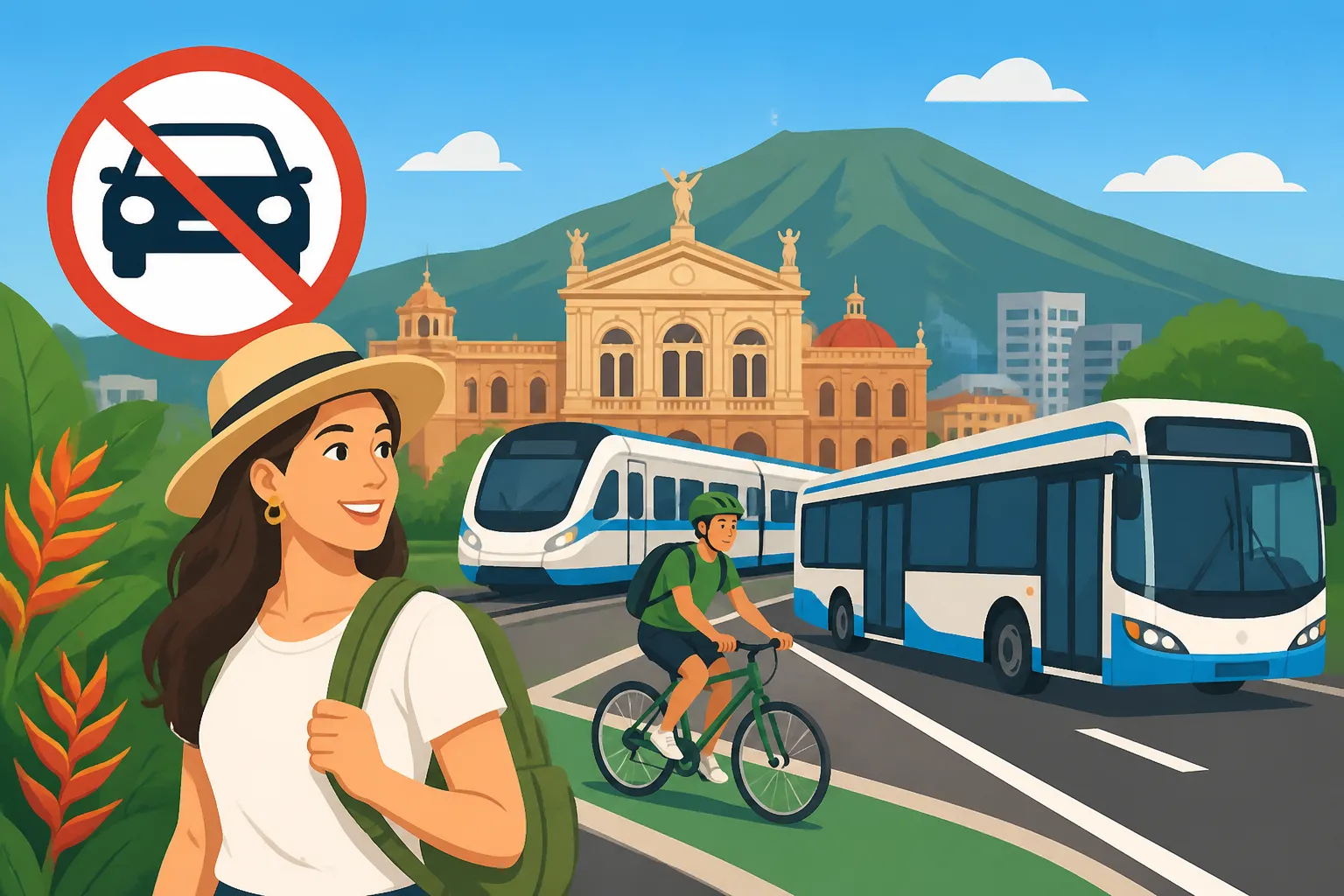
How Do I Get Around San Jose Without a Car?
Let's be real, navigating San José without your own set of wheels can feel like a daunting challenge at first. The city's pulse is fast, the roads are… well, character-building, and the thought of figuring out public transport in a new language can send shivers down even the most adventurous expat's spine. But don't you worry your head, because after years of living here and figuring it all out, I'm here to tell you it's not only doable but can actually be quite an enriching experience! This guide is going to walk you through all the ins and outs of getting around our beloved capital city, sans car.
Mastering the Bus System: Your Essential Lifeline
Ah, the bus. It's the beating heart of public transportation in Costa Rica, and San José's system is extensive, if not always intuitive. For many expats, especially those on a budget or simply trying to minimize their carbon footprint, the bus becomes an indispensable tool. It takes a little getting used to, but once you crack the code, you'll be zipping around like a true tico.
Understanding Routes and Schedules
The San José bus system is a sprawling network, operated by various private companies, each covering specific routes. Unlike some major global cities, there isn't one single, unified bus map or a central online portal that shows all routes in real-time with crystal clarity. This is often the first hurdle for newcomers, and it's completely understandable to feel a bit lost. Many routes converge in and around downtown San José, radiating out to the surrounding suburbs like Escazú, Heredia, Alajuela, and Cartago, as well as smaller neighborhoods.
To get started, your best friends are modern technology and a willingness to ask. Navigation apps like Waze and Google Maps have significantly improved in Costa Rica, and they often provide surprisingly accurate bus routes and estimated times. However, for a truly detailed, real-time experience, you must download Moovit. This app is a lifesaver, especially for the San José area. It gives you step-by-step directions, tells you exactly which bus to take, how many stops, and even estimates arrival times, often more reliably than Google. You'll want a solid data plan for your phone to use these apps on the go, and this is where a reliable eSIM from a provider like Airalo can really make a difference, ensuring you're always connected without hunting for local SIM cards immediately upon arrival. Another fantastic resource is simply asking locals, especially at bus stops or businesses near popular routes. Ticos are generally very helpful, even if their English might be limited. Don't be shy; a simple "Disculpe, ¿este bus va a [your destination]?" (Excuse me, does this bus go to [your destination]?) can save you a lot of grief.
Navigating Payment and Etiquette
Paying for your bus ride in San José is generally straightforward, but there are a few quirks. Historically, it was always cash-only, and you'd pay the driver directly. This is still largely the case for many local routes, especially outside the immediate urban core. You'll need to have small bills or coins (colones, of course) ready, as drivers often don't carry much change. Don't try to pay with a ₡10,000 or ₡20,000 bill for a ₡300 fare; you'll get some miradas (looks) that could curdle milk. Aim for ₡1,000 or ₡2,000 notes, or better yet, coins.
In recent years, the metropolitan area has seen a push towards electronic payment, specifically with contactless debit or credit cards. Many newer buses, particularly those on busier routes, now have card readers. This is a game-changer for convenience! Just tap your card when you get on, and you're good to go. Keep an eye out for the card reader, usually near the driver. If you're unsure if a bus accepts card, observe what others are doing or simply ask the driver, "Tarjeta o efectivo?" (Card or cash?). When it comes to etiquette, remember that space is often at a premium, especially during peak hours. Offer your seat to elderly passengers, pregnant women, or those with small children. Also, when you want to get off, there's usually a button to press (the "timbre") or you can just yell "¡Parada, por favor!" (Stop, please!) as you approach your stop. Don't be afraid to be assertive; sometimes the drivers need a clear signal!
Tips for Safety and Comfort on the Bus
Riding the bus in San José is generally safe, but like any big city, it pays to be aware of your surroundings and take some precautions. Pickpocketing can be an issue, particularly on crowded buses or in busy terminals. My advice? Keep your valuables (phone, wallet, passport) in a front pocket, a secure cross-body bag, or a discreet pouch underneath your clothing. Avoid flashing expensive jewelry or electronics. When you're standing, try to keep your bag close to your body and your hands free to hold onto the railings.
Comfort-wise, be prepared for a mixed bag. Some buses are modern and air-conditioned, while others are older, less comfortable, and might even have open windows for ventilation (which can be a blessing or a curse depending on the weather!). The roads in San José can be quite bumpy, so hold on tight. Also, be mindful of traffic. What looks like a short distance on a map can take ages during rush hour, especially if you're trying to get through the downtown core. Factor this into your travel plans, particularly if you have an appointment or need to catch another form of transportation. It's all part of the authentic San José experience, really! If you're pondering the wider picture of getting settled, you might find "The Expat Guide to Public Transport in Costa Rica" a good follow-up read.
The Convenience of Ride-Sharing and Taxis
While the bus system is robust, sometimes you need speed, privacy, or simply a direct route without multiple transfers. This is where ride-sharing apps and traditional taxis come into play. They offer a fantastic alternative for navigating San José, especially after dark, when carrying luggage, or when you're simply tired of walking or deciphering bus routes.
Using Uber and Didi: What to Expect
Uber has been operating in Costa Rica for a number of years, and Didi, another popular ride-sharing app, has also entered the market. For many expats, these apps are a godsend, offering familiar interfaces and the comfort of knowing your fare beforehand. You'll find a strong presence of both services, particularly within the greater San José metropolitan area, including popular expat hubs like Escazú, Santa Ana, and Heredia. Drivers are generally professional, and the cars range from compact sedans to larger SUVs.
One crucial thing to understand about Uber and Didi in Costa Rica: their legal status has long been a grey area. While the government has made strides towards regulating them, it's not always a completely seamless or fully official service in the same way it might be in your home country. What does this mean for you? Don't be surprised if your driver asks you to sit in the front seat, especially in certain areas or during particular times. This is often to make it appear as though you are a friend or acquaintance, avoiding potential issues with traditional taxi drivers or traffic police. Just go with the flow, be discreet about using your phone to show the app, and you'll be fine. Payment is typically done through the app, either with a linked credit card or by selecting a cash option. I'd highly recommend sticking to card payments for security and convenience. Knowing how to Set Up Internet and Cable in Costa Rica will ensure your phone is always ready for these apps.
Official Red Taxis: When and How to Use Them
Alongside the ride-sharing apps, San José has a well-established system of official red taxis. These are easily recognizable by their vibrant red color and the yellow triangle on the side indicating their specific region (e.g., San José). They also have a taxi meter, which is called a "María." When you get into a red taxi, always ensure the driver turns on the María. This is non-negotiable. If they refuse or try to negotiate a fixed fare, politely decline and find another taxi. This is your best defense against being overcharged.
Red taxis are a good option when you can't get an Uber or Didi quickly, especially in less central areas, or if you prefer a more traditional service. You can hail them directly on the street, or you'll find them waiting at designated taxi stands, particularly outside hotels, shopping centers, and bus terminals. While generally safe, like any urban taxi service, personal vigilance is always wise. It's not uncommon for drivers to take slightly longer routes, particularly with foreigners, but the María should still ensure you're paying the standard rate for the distance. They can be a lifesaver when you need a quick, reliable ride from a specific location without navigating an app.
Safety Considerations for Ride-Sharing and Taxis
Whether you're using an app-based service or a traditional red taxi, safety should always be a priority. Here are some key tips:
- Verify Your Ride: If using Uber or Didi, always confirm the driver's name, license plate number, and car model match what's displayed in the app before getting into the vehicle. Don't be shy about asking the driver "Are you [Driver's Name] for [Your Name]?"
- Share Your Trip: Most ride-sharing apps allow you to share your trip details with a friend or family member. Use this feature, especially if you're traveling alone or at night.
- Stay Aware: Keep your phone charged, and avoid being completely engrossed in it during your ride. Be aware of the route the driver is taking; you can follow along on your phone's map to ensure you're going the correct way.
- Trust Your Gut: If a driver makes you feel uncomfortable for any reason, don't hesitate to end the ride safely and find an alternative. Your safety is paramount.
- Night Travel: If you're out late, especially in areas you're not familiar with, ride-sharing or taxis are generally a safer bet than walking or waiting for buses. Make sure your phone is charged so you can call for a ride.
The cost difference between Uber/Didi and official taxis can vary. Often, ride-sharing apps are slightly cheaper, especially for longer distances, but surge pricing can change that. For a clearer picture of living expenses, including transportation, check out "The Complete Guide to Cost of Living in Costa Rica for Expats (2026)."
Exploring San Jose on Foot and Other Options
San José is a city that, despite its traffic and sometimes chaotic energy, truly comes alive when you're exploring it on foot. While not always the most efficient way to cover long distances, walking offers an immersive experience, allowing you to discover hidden gems and soak in the vibrant street culture. Beyond walking, there are a few other mobility options to consider, from two-wheelers to short-term car rentals for those weekend escapes.
Walking the City: Pros, Cons, and Best Practices
Walking around downtown San José, particularly the pedestrian boulevards like Avenida Central, is a fantastic way to experience the city's energy. You'll pass bustling markets, historic buildings, street performers, and a plethora of shops and eateries. The pros are obvious: it's free, it's great exercise, and it allows for spontaneous discoveries. You can pop into a museum like the Jade Museum or the National Museum, or simply enjoy people-watching from a park bench in Parque Central.
However, there are some significant "cons" and challenges. Sidewalks in San José can be notoriously uneven, cracked, and sometimes disappear altogether. Watch your step constantly to avoid twisted ankles or tripping hazards. Open manholes, unexpected drops, and obstacles are not uncommon. Also, traffic can be intense, and while pedestrians generally have the right-of-way in theory, drivers may not always respect it. Make eye contact with drivers before crossing, and use designated crosswalks whenever possible. It's often best to walk in groups, especially at night, and to stick to well-lit, populated areas. Avoid walking through deserted streets or parks after dark. While walking can be a great way to save money, it's important to balance that with safety and comfort.
Bicycles, Scooters, and Electric Options
For those looking for a bit more speed than walking, but without the commitment of a car, bicycles and electric scooters are slowly gaining traction in San José, though they still face infrastructure challenges. The city doesn't have an extensive network of dedicated bike lanes, making cycling on main roads a daring feat for many. The hilly terrain of San José and its surrounding areas also adds to the challenge – what goes up, must come up a very steep hill!
That said, you will see people cycling, particularly for commuting to universities or within specific neighborhoods like Barrio Escalante, which has a more walkable, bike-friendly vibe. Several shops rent out bicycles, and you might even find electric scooter rentals popping up in more tourist-heavy areas. These can be fun for short distances or leisurely rides in parks, but I'd advise extreme caution if you plan to navigate busy streets on two wheels. The traffic, the potholes, and the general driving culture here require a very high level of awareness and confidence on a bike. If you're considering buying a bike or scooter, think carefully about where you'll be riding most often. Perhaps "The Expat Guide to Finding a Job in Costa Rica (2027)" might highlight areas where such commute options are more feasible.
Short-Term Rentals for Escapes
Even if you're committed to living car-free in San José, there will inevitably be times when you want to explore beyond the city limits. Costa Rica is famous for its stunning beaches, lush rainforests, and volcanoes, and many of these incredible destinations are best accessed by car. This is where short-term car rentals come in handy. You can easily rent a car for a weekend trip or a longer vacation, allowing you the freedom to explore the country at your own pace.
Several international car rental agencies operate in San José, as do local companies. You can pick up a car at Juan Santamaría International Airport (SJO) or at various city locations. Just remember that driving in Costa Rica can be an adventure in itself, with winding roads, unpredictable drivers, and sometimes less-than-perfect signage. Make sure you understand the insurance requirements and rental agreements, which can sometimes be more complex for foreigners. For more details on this, you might want to read "Driving in Costa Rica: Licenses, Registration and Rules for Expats (2027)". If you're planning a full move and thinking about shipping your car or other large items, remember that companies like Sirelo can help coordinate international removals, taking a huge load off your mind.
Here's a quick comparison of your main transportation options in San José:
| Transportation Method | Pros | Cons | Best For | Cost (Approx. in ₡) |
|---|---|---|---|---|
| Buses | Very affordable, extensive network | Can be slow, crowded, complex routes, limited comfort | Daily commute, budget travel, reaching most areas | 300 – 800 per ride |
| Uber/Didi | Convenient, door-to-door, upfront pricing | Grey legal area, surge pricing, driver discretion (front seat) | Quick trips, late nights, carrying luggage, comfort | 2,000 – 10,000+ |
| Red Taxis | Official, metered, readily available | Potential for longer routes, less transparent pricing | Hail on street, specific taxi stands, short trips | 2,000 – 10,000+ |
| Walking | Free, immersive, good exercise | Uneven sidewalks, traffic, not ideal for long distances | Exploring downtown, short errands, local parks | Free |
| Bikes/Scooters | Faster than walking, eco-friendly | Limited infrastructure, safety concerns in traffic, hills | Short commutes, leisurely rides in parks | Rental fees vary |
| Rental Cars | Freedom to explore beyond San José | Expensive, challenging driving conditions, parking issues | Weekend trips, exploring the country, special events | 25,000 – 60,000+ per day |
Navigating San José without a car is absolutely possible and, for many expats, it's the preferred way of life. It forces you to engage with the city on a different level, to become more resourceful, and to truly experience the daily rhythm of Costa Rican life. It might take a little patience and a few missteps at first, but with the right tools and an open mind, you'll be zipping around la capital like a seasoned local in no time.
Disclaimer
Please remember that information regarding public transportation routes, fare systems, ride-sharing regulations, and local conditions can change rapidly. While I strive to provide the most up-to-date and accurate information based on my experience and available resources, it is always wise to double-check details with local sources, official websites, or trusted expat groups upon your arrival or before making critical plans. Your personal safety is paramount; always exercise caution and good judgment when using any form of transportation in a new environment.