How Do I Register a Car in Costa Rica?
So, you've landed in paradise, maybe you've found your little slice of Pura Vida, and now you're thinking about getting around. Taxis are fine, buses are an adventure, but eventually, the desire for your own wheels kicks in. And that's where the fun begins – or rather, the uniquely Costa Rican administrative roller coaster of car registration. Getting a vehicle legally on the road here can feel like navigating a jungle without a map, fraught with paperwork, fees, and plenty of "mañana" moments. But don't you worry, my friend. As an expat who's been through it more times than I care to admit, I'm here to demystify the process and give you a straightforward guide to registering a car in Costa Rica.
The Initial Hurdle: Understanding Vehicle Registration in Costa Rica
Registering a vehicle in Costa Rica isn't just about getting a license plate; it's a comprehensive process that involves several institutions and a fair bit of patience. It’s significantly different from what many of us are used to in our home countries, where a trip to the DMV might be a single afternoon affair. Here, it’s a multi-step journey that ties into annual taxes and mandatory inspections.
Why Registration is a Big Deal and Often a Headache
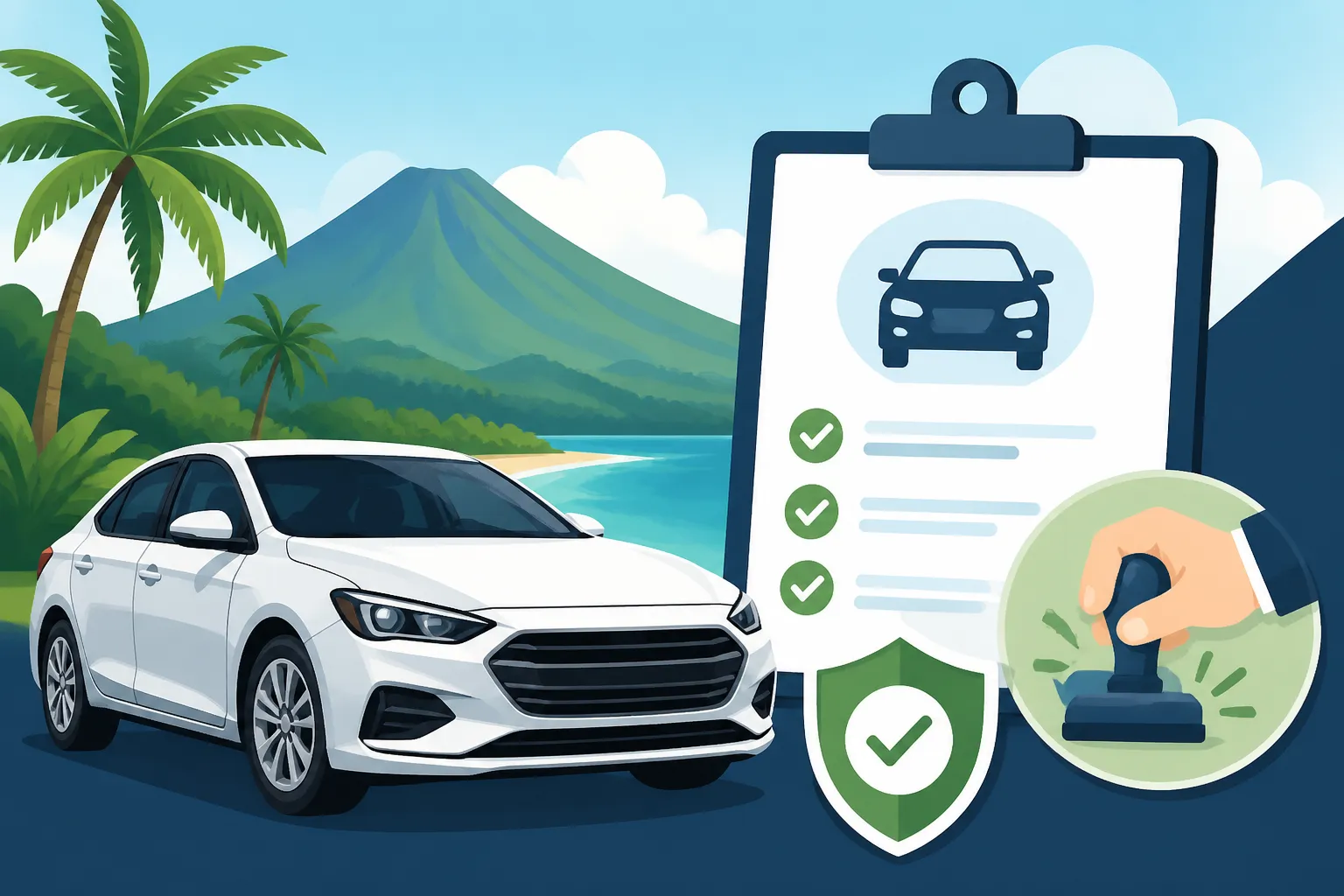
At the heart of car registration in Costa Rica is the Registro Nacional, specifically the Public Registry of Movable Property (Registro de Bienes Muebles). This is where all vehicles are legally recorded, and ownership is formally transferred. Think of it as the ultimate authority for your car's identity and legal standing. Without proper registration here, your vehicle simply doesn't exist in the eyes of the law, and you won't be able to drive it legally or obtain the necessary annual permits.
The headache often comes from the sheer volume of paperwork, the need for exactitude in every document, and the sometimes opaque nature of the process. It's not uncommon for expats to feel like they're being sent on a wild goose chase, collecting stamps and signatures from various offices, only to find they're missing one seemingly minor detail. This bureaucratic dance is par for the course, and understanding that upfront can save you a lot of frustration. Whether you're registering a brand-new car from a dealership or a used vehicle purchased from a local, the Registro is your final destination for formalizing ownership.
Key Documents You'll Absolutely Need
No matter how you acquire your vehicle in Costa Rica, a stack of documents is inevitable. Missing even one can bring the entire process to a grinding halt. So, prepare to be meticulous!
For most locally purchased vehicles, you'll need:
- Original Title (Títulode Propiedad): This is the official document proving ownership. If it's a new car, the dealership will handle the initial registration and provide this. For a used car, it will be transferred from the previous owner.
- Identification: Your current passport and residency card (DIMEX) are crucial. If you're still on a tourist visa, the process becomes more complex, often requiring the vehicle to be registered in a company name or with a trusted resident.
- Personería Jurídica: If you're registering the car under a company name (a common practice for some expats, especially those running businesses), you'll need the legal representation document for that company.
- Bill of Sale / Public Deed (Escritura Pública): This legal document, prepared and witnessed by a Costa Rican notary public, formalizes the sale and transfer of the vehicle. It’s not just a receipt; it’s the legal instrument that moves ownership from seller to buyer.
- Marchamo Al Día: This is proof that the vehicle's annual circulation permit and mandatory insurance have been paid for the current year. You cannot transfer ownership of a vehicle with outstanding Marchamo payments.
- RITEVE Approval: Evidence that the vehicle has passed its most recent technical inspection is often required for transfer and always for legal circulation.
If you're considering importing a vehicle, the document list becomes even longer and more complex, often requiring original foreign titles, bills of lading, and various customs declarations, usually with apostilles or legalizations from your home country. Always assume you need multiple copies of everything, and a digital backup never hurt anyone! Staying connected is key during this paperwork marathon, so having a reliable mobile data plan, perhaps even an eSIM from a provider like Airalo, can be a lifesaver for checking requirements or contacting your notary on the go.
Step-by-Step: Registering a Newly Purchased Vehicle
Let's walk through the most common scenario for expats: buying a used car already in Costa Rica. This process is generally more straightforward than importing a vehicle and is the path most take.
The Purchase Process and the Notary's Role
Unlike many countries where you might simply sign a paper title, in Costa Rica, every vehicle transfer must be handled by a licensed notary public (notario público). The notary acts as a legal witness and the official who drafts the public deed of sale, known as the escritura pública. This document is the linchpin of the entire transfer.
Here’s how it typically unfolds:
- Agreement: You and the seller agree on a price and terms.
- Due Diligence: This is critical. Before you hand over any money, your chosen notary (or your lawyer) will perform a thorough check on the vehicle's legal status at the Registro Nacional. They'll verify ownership, check for any liens (e.g., outstanding loans), unpaid Marchamo, or other legal impediments that could prevent the transfer. This step is non-negotiable and protects you from buying someone else's problems.
- The Escritura Pública: Once everything checks out, the notary drafts the escritura pública. This document will include details of the buyer, seller, vehicle information (make, model, VIN, plate number), and the sale price. It's not just a simple form; it's a formal legal instrument.
- Signatures and Fees: Both buyer and seller sign the escritura pública in front of the notary. At this point, you'll also pay the associated transfer fees and taxes. These are typically calculated as a percentage of the vehicle's registered value or the sale price (whichever is higher), plus various stamps and notary fees. This is where the Understanding Property Transfer Tax (Traspaso) in Costa Rica information becomes relevant, as the principles are similar for vehicles. Expect to pay around 2.5% to 3.5% of the vehicle's value in transfer taxes, plus the notary's fees, which are legally set by the Colegio de Abogados (Bar Association) and typically range from 1% to 1.5% of the sale price.
From Notary to Registro Nacional
Once the escritura pública is signed and all fees are paid, the notary takes over. Their job is to submit the escritura pública along with all supporting documents to the Registro Nacional. This submission formally initiates the transfer of ownership in the national database.
Here’s what you can expect during this stage:
- Processing Time: The Registro Nacional can take anywhere from a few days to a few weeks to process the transfer and update the vehicle's ownership records. Your notary should be able to give you an estimate. Patience is truly a virtue here.
- Confirmation: Once the Registro Nacional processes the transfer, the new título de propiedad (vehicle title) will be issued in your name (or your company's name). You'll usually pick this up from your notary. This document is your official proof of ownership. Don't lose it! This formal registration process is crucial for truly owning your vehicle, tying into the broader topic of How Do I Register and Title a Vehicle with the Registro in Costa Rica.
Getting Your Plates, RITEVE, and Marchamo
If you've bought a used car, it already has plates. However, if it's a brand new car, the dealership (or your notary) will coordinate getting your permanent plates after the initial registration is complete. Sometimes temporary plates are issued for a short period while the permanent ones are processed.
But registration isn't just a one-time thing. There are two critical annual requirements:
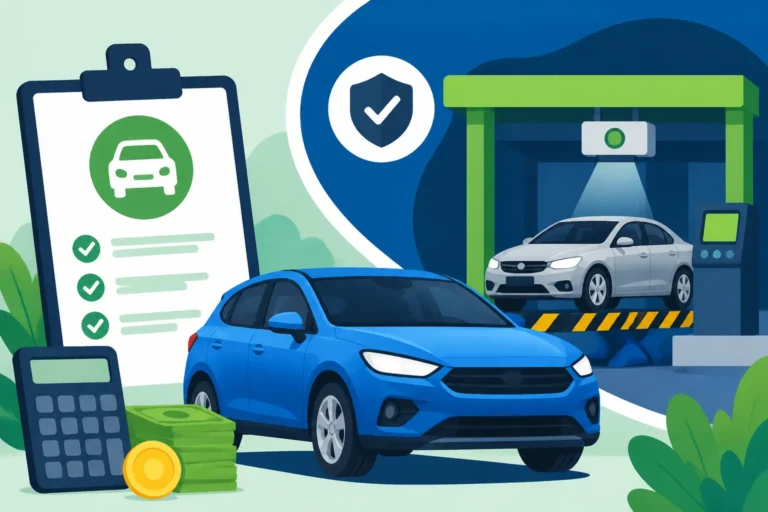
- RITEVE (or Dekra): This is the mandatory technical vehicle inspection. It used to be called RITEVE, but since late 2022, it's been handled by a German company called Dekra. Your car must pass this inspection annually to prove it's roadworthy and meets emissions standards. The due date is determined by the last digit of your license plate number.
- Marchamo: This is the annual circulation permit and mandatory vehicle insurance combined. It's due by December 31st each year. Without a valid Marchamo, you cannot legally drive your vehicle. Both RITEVE and Marchamo are essential for keeping your car on the road, and understanding them is key to Understanding the Marchamo (Annual Vehicle Tax) and Riteve in Costa Rica. The Marchamo payment includes the mandatory third-party liability insurance from the National Insurance Institute (INS), which means you don't have to seek out a separate basic liability policy. For more about vehicle insurance options, including voluntary comprehensive plans, you can explore How Much Is Car Insurance in Costa Rica?.
Importing a Car: A Special Kind of Adventure
Bringing your car from your home country to Costa Rica can seem appealing, especially if you have a vehicle you love. However, be warned: this route is notoriously complex, expensive, and generally not recommended for the faint of heart or the budget-conscious.
Deciding If Importing is Worth It (Spoiler: Usually Not)
Many expats arrive dreaming of bringing their trusty sedan or sturdy SUV from back home. The reality, however, often slaps them with a hefty dose of sticker shock.
Pros: You get to keep your familiar car, potentially avoiding the hassle of finding a new one in an unfamiliar market.
Cons:
- High Import Taxes: Costa Rica levies significant import duties, sales tax (IVA), and selective consumption taxes on vehicles. These can easily double or triple the value of your car, especially for newer models.
- Age Limits: Vehicles older than a certain age (it fluctuates, but typically around 7 years for gasoline and 10 for diesel, though some exceptions apply) may face additional restrictions or higher taxes.
- Parts and Service: Finding parts or specialized service for a foreign-market car can be challenging and expensive.
- Bureaucracy: The customs process is a labyrinth of paperwork, inspections, and fees.
For most people, selling their car back home and buying a local one is financially and logistically smarter. But if you're determined, prepare for an uphill battle.
The Customs Process and Hidden Costs
If you decide to import, you absolutely need a qualified customs agent (agente aduanal). Trying to navigate this yourself is a recipe for disaster. This agent will handle the complex import declarations and ensure your vehicle clears customs.
Key steps and requirements include:
- Shipping: Your car will be shipped to a port in Costa Rica, usually Limón on the Caribbean side or Caldera on the Pacific.
- Documentation: You'll need original title, bill of sale, passport, and the Bill of Lading from the shipping company. These documents will need to be apostilled or legalized in your home country before you even leave.
- Customs Agent: Engage an agente aduanal well in advance. They will advise you on the exact taxes and fees based on your vehicle's make, model, year, and condition.
- Taxes and Duties: Be prepared for a shock. Import taxes are calculated on a combination of the vehicle's CIF (Cost, Insurance, Freight) value and its internal customs valuation. These can range from 50% to over 80% or even 100% of the car's value. You'll also pay 13% IVA (sales tax) on top of that. This is a big part of Understanding Car Import, Registration and Insurance (INS) in Costa Rica.
- Customs Inspection: The vehicle will undergo a rigorous inspection at customs to verify its details and ensure it matches the documentation.
Remember, the logistics of coordinating your move and the car's arrival can be daunting. Using a service like Sirelo can help streamline the planning of your international relocation, though they won't handle the specifics of car import taxes, they can connect you with shipping partners.
From Port to Plates: Completing the Registration
Once your agente aduanal successfully clears your vehicle through customs and all duties are paid, the process then mirrors that of registering a locally purchased vehicle:
- Notary and Public Deed: A Costa Rican notary public will prepare the escritura pública to formally register the imported vehicle in your name (or your company's).
- Registro Nacional: The notary submits the deed to the Registro Nacional to get your new Costa Rican título de propiedad.
- RITEVE and Marchamo: Even newly imported vehicles require a RITEVE inspection and payment of the annual Marchamo before they can legally be driven on Costa Rican roads. Without this, your beautiful imported car will just be sitting in the driveway.
Keeping Your Registration Current: The Annual Rituals
Once your car is registered in Costa Rica, your journey isn't over. There are two essential annual requirements that keep your vehicle legal and on the road: the Marchamo and the RITEVE. Missing these can lead to fines, impoundment, and major headaches.
The Marchamo: Your Annual Proof of Life for Your Car
The Marchamo is Costa Rica's annual circulation permit, and it's much more than just a road tax. It bundles together several charges, most notably the mandatory third-party liability insurance from the Instituto Nacional de Seguros (INS). This means that when you pay your Marchamo, you're not just paying a tax; you're also covering your basic insurance for the year. The Marchamo cost can vary widely depending on your vehicle's make, model, year, and engine size.
Here's what you need to know about the Marchamo:
- When It's Due: The Marchamo is due by December 31st of each year. The collection period typically begins in November, allowing you ample time to pay.
- How to Pay: You can pay the Marchamo at virtually any bank in Costa Rica, either in person at a teller, via their online banking platforms, or through ATMs. You'll need your license plate number for payment.
- What It Includes: It covers vehicle ownership tax, the mandatory INS third-party liability insurance, and a few minor environmental and other taxes.
- Consequences of Not Paying: If you don't pay your Marchamo by December 31st, you face stiff penalties, including daily fines and, perhaps most importantly, your vehicle can be impounded by traffic police. Getting an impounded car back is a costly and time-consuming ordeal. This really highlights the importance of understanding How Much Does the Marchamo (Vehicle Tax) Cost in Costa Rica?. While INS is also the primary provider for Understanding INS Health Insurance Plans in Costa Rica, remember that it also plays a critical role in vehicle insurance through the Marchamo.
RITEVE: The Technical Inspection That Keeps You Honest
The technical inspection, now conducted by Dekra (formerly RITEVE), ensures that vehicles on Costa Rican roads meet basic safety and environmental standards. It's a fundamental part of maintaining your vehicle's legal status.
- Purpose: Dekra technicians check everything from brakes, lights, and tires to emissions, chassis integrity, and steering. It's designed to keep unsafe vehicles off the road and reduce pollution.
- When It's Due: The inspection is required annually, and the specific month your vehicle is due depends on the last digit of its license plate. For example, plates ending in 1 or 2 are typically due in January or February, respectively. This schedule is non-negotiable.
- Booking an Appointment (Cita): You must book an appointment in advance via Dekra's website or call center. Walk-ins are generally not accepted, or you might face extremely long waits. It's wise to book a few weeks out, especially during peak months. Using your phone for this is convenient, so reliable internet connection (perhaps via an eSIM) is a good idea.
- What to Bring: You'll need your vehicle's título de propiedad (title), your ID (passport/DIMEX), and proof of paid Marchamo.
- The Inspection: The process takes about 20-30 minutes. You'll drive your car through several stations where technicians perform various checks.
- Passing or Failing: If your car passes, you'll receive a sticker to place on your windshield and a report. If it fails, you'll get a list of defects that need to be fixed. You'll then have a grace period (usually 15-30 days) to make repairs and return for a re-inspection, often at a reduced fee, for only the failed components. For a deeper dive into this, check out How Do I Get a Riteve (Vehicle Inspection) in Costa Rica?.
Important Considerations for Expats
Navigating car registration and maintenance in Costa Rica can be tricky, but here are some tips from an expat who’s learned the hard way:
- Get a Good Lawyer/Notary: This cannot be stressed enough. A reliable, English-speaking lawyer or notary who specializes in vehicle transfers can make the entire purchase and registration process infinitely smoother. They'll ensure all due diligence is done and paperwork is filed correctly.
- Stay Organized: Keep all your vehicle documents (title, Marchamo receipt, Dekra report, insurance details) in a safe, accessible place, both physically and digitally. You’ll need them for roadside checks, accidents, or future transfers.
- Set Reminders: The Marchamo and Dekra deadlines are rigid. Set calendar reminders for yourself well in advance to avoid last-minute stress or penalties.
- Be Patient: Pura Vida often translates to "take your time" in administrative processes. Don't expect things to happen overnight. Factor in potential delays.
- Connectivity is Key: Whether you're coordinating with your notary, booking a Dekra appointment, or checking for Marchamo updates, having reliable internet access on your phone is invaluable. An eSIM from Airalo can give you that peace of mind.
To give you a clearer picture, here's a quick comparison of the two main annual requirements for your vehicle:
| Feature | Marchamo (Annual Circulation Permit) | RITEVE (Technical Inspection – now Dekra) |
|---|---|---|
| Purpose | Mandatory annual road tax & basic third-party liability insurance | Ensures vehicle meets safety and environmental standards |
| Due Date | December 31st of each year | Specific month based on the last digit of your license plate |
| Cost | Varies by vehicle value, model, year; can be hundreds of thousands CRC | Fixed fee (e.g., around ₡15,000-₡20,000 for a car, varies slightly) |
| Payment Method | Banks (in person, online, ATM) | Paid at the Dekra inspection station |
| Outcome | Sticker for windshield (optional), digital record, proof of insurance | Sticker for windshield, inspection report |
| Consequences of Non-Compliance | Fines, vehicle impoundment, no insurance coverage (mandatory portion) | Fines, vehicle impoundment, cannot renew Marchamo, safety hazard |
Understanding these processes will empower you to keep your wheels rolling smoothly and legally in your new Costa Rican home. It might seem like a lot at first, but once you go through it a couple of times, it becomes part of the rhythm of life here!
Disclaimer
The information provided in this guide is for general informational purposes only and does not constitute legal, financial, or professional advice. While we strive to keep the content up-to-date and accurate, laws, regulations, and procedures in Costa Rica can change rapidly. Always consult with a qualified local professional, such as a lawyer, notary, or customs agent, for advice tailored to your specific situation before making any decisions related to vehicle registration or ownership in Costa Rica.