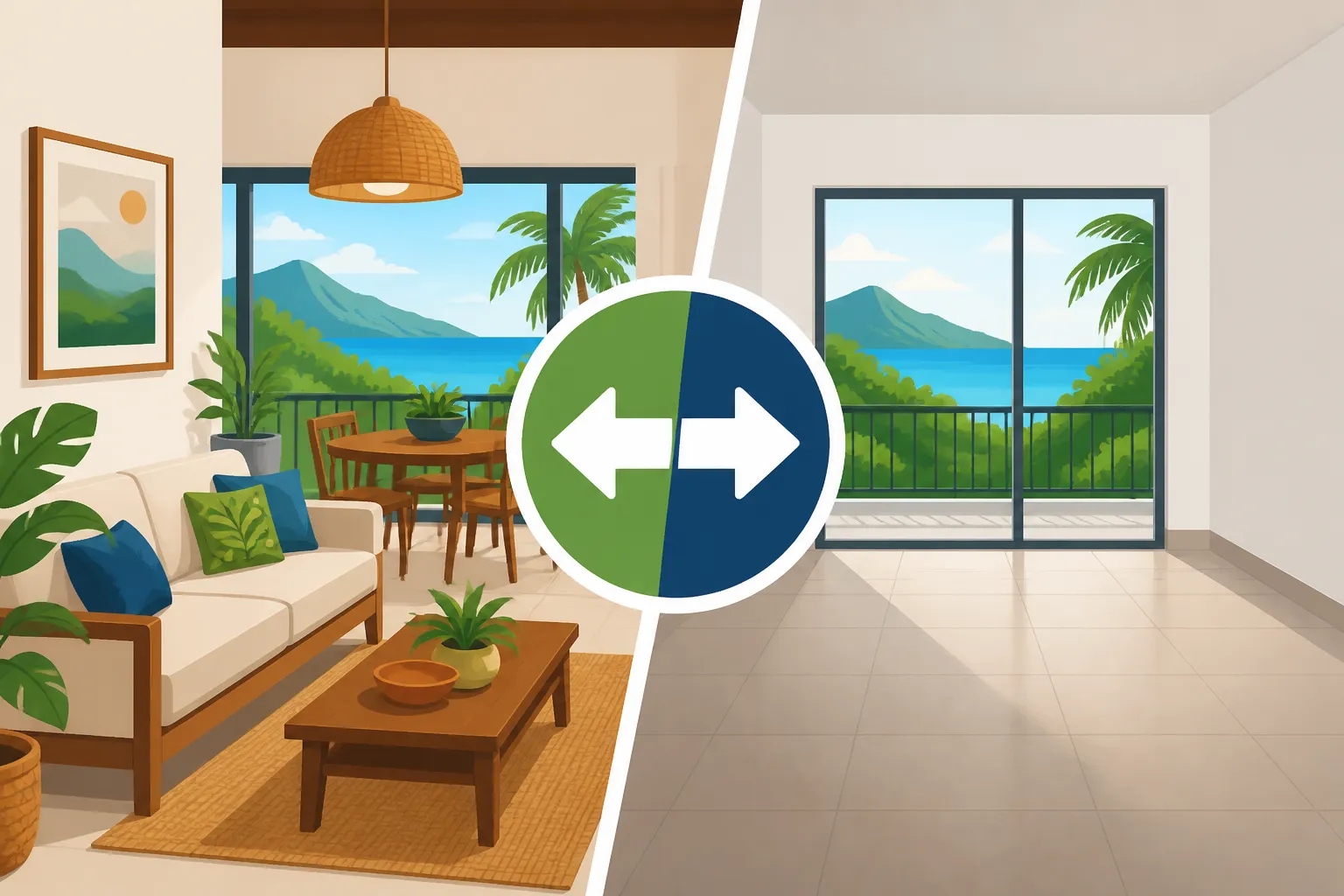
Understanding Furnished vs Unfurnished Rentals in Costa Rica
One of the first big hurdles you'll face when planting your feet in Costa Rica, after the initial euphoria of arrival, is finding a place to call home. And right off the bat, you’re hit with a fundamental question that causes many an expat to scratch their heads: should you go for a furnished or unfurnished rental? It’s a decision that goes way beyond just the aesthetics; it deeply impacts your budget, your timeline, and ultimately, how quickly you truly settle into Pura Vida living. This guide aims to break down that choice, sharing insights from years of expat life here, so you can make the right call for your unique move.
The Initial Dilemma: Why This Choice Matters in Costa Rica
Deciding between a furnished or unfurnished rental is rarely a straightforward choice, especially when you're navigating a new country like Costa Rica. It’s not just about what comes with the apartment; it’s about establishing your entire life, often from scratch, in a foreign land. The implications ripple through every aspect of your relocation, from the moment you sign the lease to how you eventually pack up and move again.
More Than Just Furniture: Lifestyle and Logistics
When you think about "furnished" versus "unfurnished," it's easy to just picture beds and sofas. But in Costa Rica, this choice delves much deeper into your immediate lifestyle and the logistical puzzle of setting up house. Opting for a furnished place can feel like a godsend. Imagine stepping off the plane, heading straight to your new digs, and being able to cook a meal or relax on a couch without having to buy a single item. This instant gratification is a huge draw for many, especially if you're arriving with minimal belongings or on a tight schedule. It significantly reduces the initial stress and the countless errands involved in furnishing an entire home.
Conversely, going unfurnished means you're not just buying furniture; you're often coordinating deliveries, haggling prices, and potentially waiting for weeks for essential items. This can be particularly challenging if your Spanish isn't quite up to par yet, or if you're unfamiliar with local stores and services. The emotional toll of living out of suitcases, sleeping on an air mattress, or cooking on a hot plate for weeks shouldn't be underestimated. This is why many newcomers, even those planning long-term, initially lean towards furnished options to ease their transition.
Cost Versus Convenience: The Expat's Balancing Act
Ah, the eternal expat dilemma: how much are you willing to pay for convenience? This is where the furnished vs. unfurnished debate truly comes into its own in Costa Rica. On the surface, furnished rentals always seem more expensive monthly. And yes, they absolutely are. You're paying a premium for everything to be ready and waiting for you. However, when you dig into the true upfront costs, the picture gets a bit more nuanced.
For an unfurnished place, you're not just thinking about the lower monthly rent. You're looking at potentially thousands of dollars in initial expenses: buying a bed, a dining table, chairs, kitchen appliances, and all the small household items that add up shockingly fast. Then there's the cost of transport and assembly. If you're shipping personal belongings from your home country, services like Sirelo can help you find reputable international movers, but that's another substantial cost and logistical challenge in itself, often with long lead times. So, while the monthly cost of an unfurnished place might look more attractive, the immediate financial outlay can be staggering. Weighing these two sides – the long-term savings versus the short-term cash drain and effort – is a crucial part of your decision-making process.
Diving Deep into Furnished Rentals
For many expats, a furnished rental in Costa Rica seems like the obvious choice to hit the ground running. You envision walking into a beautifully appointed home, ready for you to simply unpack your suitcase. While that dream can certainly come true, it's essential to understand the nuances of what "furnished" truly means here and the practical realities that come with it.
What "Furnished" Really Means in Costa Rica
Unlike some countries where "furnished" might mean only the bare essentials, in Costa Rica, a truly furnished rental usually means it comes with just about everything you need to live. This typically includes major appliances like a refrigerator, stove/oven, and often a washer and dryer – which, trust me, is a huge bonus to have here. Beyond the big stuff, you can expect beds and mattresses, sofas, dining tables and chairs, and often basic kitchenware such as pots, pans, plates, and cutlery. Sometimes, you even get towels and bed linens, though the quality can vary wildly.
However, don't expect designer showrooms. "Furnished" often implies functional rather than fashionable. You might find a mix of older, well-used furniture alongside newer pieces. It's not uncommon to encounter mismatched items, quirky decor, or furniture that has seen a few tenants come and go. This is perfectly normal and part of the charm (or challenge!) of renting in Costa Rica. It's crucial to clarify exactly what is included in your rental agreement. Will there be a microwave? A coffee maker? Air conditioning in the bedrooms? These details can significantly impact your comfort and how much you still need to purchase. Always, always do a thorough inventory check upon moving in, and document any existing damage with photos or videos, so you're not held responsible later.
The Pros of Going Furnished
The benefits of choosing a furnished rental, particularly for newcomers, are substantial and often outweigh the higher monthly cost in the initial phase of relocation.
Firstly, the convenience factor is unparalleled. You literally just need to bring your personal belongings. This is incredibly liberating, especially if you're still navigating the complex process of getting your residency in Costa Rica. You avoid the stress of sourcing furniture, negotiating prices in a new language, and coordinating deliveries. For instance, imagine arriving after a long flight, knowing you can immediately unwind on a sofa and cook a simple meal without delay. This immediate comfort can significantly reduce adjustment stress.
Secondly, faster setup time means you can focus on other critical tasks, like setting up utilities, registering with local authorities, or exploring your new neighborhood. There’s no waiting for furniture deliveries or assembling flat-pack items. You can often move in within days of signing the lease.
Thirdly, less upfront cost for physical items is a huge advantage. While the monthly rent is higher, you save thousands of dollars that would otherwise go towards buying furniture, appliances, and household items. This frees up capital for other essential startup expenses, such as security deposits, first month's rent, or even hiring a local expert to help with things like How Do I Register with Hacienda in Costa Rica?.
Finally, short-term flexibility is a key benefit. Furnished rentals are ideal for those who aren't sure how long they'll stay in a particular area, or who are using it as a temporary base while they explore different regions of Costa Rica to find their permanent home. You don't have the burden of selling off furniture when you move again. This flexibility also makes it a great option for those on a Digital Nomad Visa, who might want to experience different parts of the country without commitment.
The Cons of Going Furnished
While the allure of convenience is strong, furnished rentals in Costa Rica come with their own set of drawbacks that are important to consider before committing.
The most obvious disadvantage is the higher monthly rent. You are paying a premium for the furniture and the 'ready-to-move-in' aspect. This can add a significant chunk to your monthly expenses, potentially impacting your overall cost of living in Costa Rica. Over a year or two, the cumulative extra cost can easily exceed what you would have spent buying your own furniture.
Another common complaint is the lack of personal touch. You're living with someone else's style, and often, it's not exactly what you'd pick yourself. The furniture might be dated, mismatched, or simply not to your taste. This can make it harder to feel truly at home and establish a personal sanctuary, which is crucial for long-term comfort in a new country. You might find yourself wanting to replace items but being unable to, or adding small personal touches that clash with the existing decor.
You also run the risk of wear and tear and potential damage responsibility. Any existing damage should be noted meticulously at the start of your tenancy, as you could be held accountable for it when you move out. If an item breaks or wears out during your stay, you might be responsible for repair or replacement costs, depending on your lease agreement. This constant worry about damaging someone else's property can add an underlying layer of stress.
Lastly, furnished places often come with limited storage options or space for your own belongings. If you arrive with more than a couple of suitcases, you might struggle to find places for everything. This can lead to clutter and a feeling of being cramped, especially if the furniture is bulky or inefficiently laid out. The convenience of ready-made living can quickly turn into the inconvenience of living in someone else's space with little room for your own.
Exploring Unfurnished Rentals
For those planning a longer stay or seeking to truly make a place their own, unfurnished rentals often become the more appealing option. While they require a greater upfront investment in time and money, they offer a canvas for personal expression and potentially significant long-term savings.
The Bare Bones: What "Unfurnished" Entails Here
When a rental is advertised as "unfurnished" in Costa Rica, it's not quite the empty shell you might envision in some other countries. Typically, you can still expect the absolute essentials to be in place. This almost always includes a stove or oven, a refrigerator, and a water heater (often a small electric one under the sink or in the shower, sometimes an on-demand gas heater for the whole house). In many cases, a washer and dryer might also be included, or at least hookups for them. Beyond these, however, you're pretty much on your own.
This means you'll need to source everything else: beds, sofas, dining room sets, kitchen tables, desks, bookshelves, and all the smaller household items like lamps, curtains, and decorative pieces. While this might seem daunting, it also presents an exciting opportunity to curate your living space exactly how you want it. It's a chance to truly infuse your personality into your home, rather than inheriting someone else's taste. Just remember to verify what appliances are included before you sign anything, as expectations can vary between landlords and regions. Don't assume anything is included unless it's explicitly stated in the contract or you've seen it in person.
The Advantages of Choosing Unfurnished
Opting for an unfurnished rental, despite the initial effort, brings a wealth of advantages, particularly for expats envisioning a long-term life in Costa Rica.
The primary draw is the lower monthly rent. This is where the long-term financial benefits truly kick in. While you'll spend more upfront buying furniture, over the course of a year or two, the savings on rent can easily make up for it, and then some. This translates to more money in your pocket each month, which can be significant when managing your Costa Rican budget.
Secondly, and perhaps most importantly for many, is the opportunity for complete personalization. This is your home, your style. You get to choose every piece of furniture, every decor item, every color scheme. This isn't just about aesthetics; it's about creating a living space that truly feels like a sanctuary, a familiar comfort zone in a new country. After the challenges of moving abroad, having a home that genuinely reflects you can do wonders for your mental well-being and sense of belonging.
Bringing your own belongings, whether shipped from home or purchased locally, also allows for better quality and comfort. You're not stuck with worn-out sofas or mattresses that have seen better days. You can invest in pieces that you love and that will last, making your living experience much more enjoyable. This is especially true if you value specific types of furniture or require ergonomic solutions that might not be available in a standard furnished rental. Companies like Sirelo can be invaluable if you're bringing a full container of your own furniture and household goods, helping you navigate the international shipping maze.
Finally, choosing unfurnished represents a long-term commitment and investment in your new life. It encourages you to explore local furniture stores, support Costa Rican artisans, and really immerse yourself in the consumer culture here. You build a home, piece by piece, which can be a deeply satisfying part of the expat journey. This approach is often favored by those pursuing long-term residency options like the Pensionado (Retiree) Residency or the Inversionista (Investor) Residency, where stability and a sense of permanence are key.
The Challenges of Opting for Unfurnished
While the dream of a personalized home is strong, the path to an unfurnished rental in Costa Rica is paved with considerable challenges, especially for those fresh off the plane.
The most significant hurdle is the substantial upfront cost. You're not just paying a security deposit and first month's rent; you're buying everything. A refrigerator, stove, washing machine, beds, sofas, dining sets – these are major purchases that can quickly add up to several thousand dollars. While you might save on monthly rent in the long run, having that capital readily available at the start can be a major financial strain for many. Think about everything from lightbulbs to toilet brushes; it all needs to be acquired.
Then there are the logistical headaches. If you're not shipping a full container of your own items through a service like Sirelo, you'll be hitting the local furniture stores. This involves navigating unfamiliar shops, dealing with delivery schedules that can be notoriously flexible ("mañana or some other day next week"), and potentially assembling furniture yourself. Language barriers can make this even more frustrating. Imagine trying to explain assembly instructions or delivery preferences in broken Spanish. It's a time-consuming and often patience-testing process.
Furthermore, a longer setup time is almost guaranteed. Unless you have unlimited funds and can buy everything at once, you'll likely be acquiring items gradually. This means living out of boxes, sleeping on makeshift beds, or eating takeout for weeks or even months while your home slowly comes together. This can be emotionally draining and disrupt your ability to settle into a routine quickly. It's not uncommon for expats to lament the sheer amount of time spent on "house stuff" when they'd rather be exploring the beaches or learning Spanish.
Finally, while How Much Does It Cost to Rent a Home in San Jose in 2026? might reveal unfurnished options are cheaper, be prepared for potentially higher utility setup fees or needing to purchase your own internet router and pay for installation, rather than inheriting an existing setup. Every small step requires initiation and cost.
The Hybrid Approach: Partially Furnished or Appliance-Only
Sometimes, the best solution isn't one extreme or the other, but a clever blend of both. In Costa Rica, you'll occasionally stumble upon rentals that offer a middle ground, providing some of the essentials without going full-on furnished. This "partially furnished" or "appliance-only" option can be a lifesaver for those whose needs don't fit neatly into the furnished or unfurnished boxes.
The Middle Ground: Finding a Compromise
A partially furnished rental in Costa Rica is exactly what it sounds like – it comes with some furniture, but not everything you'd find in a fully furnished unit. Often, this might mean a refrigerator, stove, washer/dryer, and maybe even a bed, but perhaps no sofa, dining table, or small kitchen appliances. The landlord might have chosen to leave behind a few key pieces, or perhaps they're testing the waters with a new rental strategy.
Similarly, an "appliance-only" rental (often the default for unfurnished, but sometimes explicitly stated) takes this a step further, providing only the major white goods. You'll get the fridge, stove, and possibly a washer/dryer, but absolutely no other furniture. This can be a fantastic compromise if you're shipping some of your most beloved furniture pieces, like your favorite sofa or bed, but don't want the hassle of buying all the bulky, basic appliances locally. It saves you from the huge expense and logistical nightmare of bringing white goods internationally, which can be costly and prone to voltage incompatibility issues.
This middle ground offers a degree of flexibility. You can bring your sentimental items or higher-quality furniture that you can't bear to part with, while still enjoying the convenience of not having to purchase every single item. It reduces the immediate financial burden of furnishing an entire home while allowing you to inject your personal style where it matters most to you.
Tailoring to Your Needs: When a Hybrid Works Best
The partially furnished or appliance-only approach truly shines when your expat needs are specific and nuanced. It's particularly well-suited for individuals or families who are making a more permanent move but have a curated selection of belongings they want to bring.
For example, if you have a cherished antique dining set or a custom-built desk that's essential for your remote work, this option allows you to integrate those items into your new home. You're not forced to store them or sell them off before moving. This can be a huge emotional comfort, as familiar items can provide a sense of stability during the often-turbulent expat transition. For digital nomads with specific office setups, having the flexibility to bring their ergonomic chair and monitors while the landlord provides the kitchen essentials can be ideal. When you're constantly connected, perhaps using an eSIM service like Airalo for data, having a comfortable and functional home office is paramount.
This hybrid model also works well if you've already started to accumulate some furniture from previous international moves or purchases. Maybe you already own a great mattress but need a place that provides a fridge. It’s about picking and choosing your battles, focusing your time and money on the items that are most important to you, and letting the landlord cover the less personal, more utilitarian aspects of household setup. It's a strategic way to balance initial convenience with long-term personalization, minimizing the stress and maximizing your comfort.
Key Considerations Before You Decide
Making the furnished vs. unfurnished decision isn't just about what's in the apartment itself. It's a holistic choice deeply intertwined with your overall life plan in Costa Rica. Before you sign on the dotted line, take a moment to reflect on your larger picture here.
Your Residency and Long-Term Plans
One of the most significant factors influencing your rental choice should be your residency status and how long you envision yourself staying in Costa Rica. If you're here on a tourist visa, intending to do a 90-day visa run, or if you're on a temporary Digital Nomad Visa and aren't sure if you'll renew, a furnished rental is almost always the more practical and financially sensible choice. The hassle and expense of buying and then selling or storing furniture for a short stay simply don't make sense. You want flexibility and ease of movement, and a furnished place offers just that.
However, if you're committing to a long-term residency, such as through The Expat Guide to the Rentista Residency in Costa Rica (2027) or the Pensionado category, and plan to stay for several years, an unfurnished rental becomes far more attractive. The upfront investment in furniture will pay off over time with lower monthly rent, and you'll have the satisfaction of creating a true home that reflects your personality and tastes. It’s an investment in your stable future here. Understanding How the Caja Requirement Connects to Your Residency in Costa Rica also highlights the long-term commitment often tied to official residency.
Budgeting for the Extras: Hidden Costs of Both Options
The stated rent is rarely the total cost of any rental, and this is especially true in Costa Rica. You need to budget for the extras, many of which are hidden or underestimated.
For furnished rentals, even though they seem all-inclusive, you still might need to buy things. Are linens and towels truly good quality, or will you want your own? What about kitchen gadgets, a decent coffee maker, or specific cleaning supplies? You might also find that utilities aren't included or are capped, leading to unexpected overages, particularly for electricity if you rely heavily on air conditioning. Additionally, the security deposit for a furnished place is often higher to cover the value of the contents.
For unfurnished rentals, the initial outlays are much more significant. Beyond the furniture itself, consider:
- Shipping costs: If bringing items from abroad, services like Sirelo can give you estimates, but it’s a big line item.
- Local transport and delivery: Getting purchases from the store to your home can be an additional fee, sometimes with tricky logistics.
- Installation fees: For internet, cable, or even some appliances, you might incur setup charges. Getting a local SIM or eSIM from Airalo for your phone is one thing, but setting up home internet is another.
- Maintenance for your own items: You’re responsible for repairs to your own appliances and furniture.
- Higher security deposits: Some landlords may ask for more, especially if you plan extensive modifications.
Always create a detailed spreadsheet of anticipated costs for both options, not just the monthly rent, to get a true picture. This will help you answer questions like How Much Is the Cost of Living in Costa Rica for Expats? more accurately.
The Local Market Realities and Availability
The availability of furnished versus unfurnished rentals varies significantly across Costa Rica, and this can influence your choice. In popular expat beach towns like Tamarindo or Jacó, or tourist-heavy areas, furnished rentals are abundant. They cater to short-term visitors, digital nomads, and those seeking immediate, hassle-free living. In these areas, finding a good unfurnished option can be challenging, as landlords often prefer to rent out fully equipped units for higher returns and shorter turnovers. This is why What Are the Best Towns to Live in Costa Rica? is more than just a preference; it affects practicality.
Conversely, in more traditional Costa Rican cities or smaller, less tourist-driven towns, unfurnished or partially furnished options are more common. Here, locals typically own their furniture, and there's less demand for fully kitted-out rentals. If you're looking for an unfurnished place in, say, San Ramón or Grecia, you'll likely have more options and potentially better prices. San Jose and its surrounding suburbs like Escazu or Santa Ana offer a mix, with luxury furnished condos coexisting with more traditional unfurnished family homes. The type of property – a modern apartment versus an older house – can also influence what's available. Always research the specific region you're interested in before setting your heart on one type of rental.
Here's a quick comparison to help solidify your thoughts:
| Feature | Furnished Rental in Costa Rica | Unfurnished Rental in Costa Rica |
|---|---|---|
| Initial Cost | Lower upfront (deposit + 1st month's rent) | High upfront (deposit + 1st month's rent + furniture/appliances) |
| Monthly Rent | Higher | Lower |
| Convenience | High (move-in ready, fewer immediate errands) | Low (requires significant effort to set up) |
| Personalization | Low (living with existing style, limited space for own items) | High (create your dream home, personal touch) |
| Flexibility | High (easy to move, ideal for short-term/uncertain stays) | Low (investment makes frequent moves costly) |
| Time to Settle | Fast (immediate comfort) | Slow (weeks/months to fully furnish) |
| Wear & Tear | Potential responsibility for landlord's items | Only responsible for your own items |
| Shipping Needs | Minimal (personal items only) | Potentially high (if bringing all furniture) |
Practical Tips for Finding Your Ideal Rental
Once you've weighed the pros and cons and have a clearer idea of whether furnished or unfurnished suits you best, the hunt begins. Finding a good rental in Costa Rica requires patience, due diligence, and a good understanding of local practices.
Vetting Your Rental and Landlord
This cannot be stressed enough: vetting is paramount. Before you hand over any money, always, always visit the property in person. Photos online can be misleading, and what looks great on a screen might be a different story entirely in real life. Check for signs of water damage, inspect appliances, test faucets, and ensure all windows and doors lock securely. Pay attention to the neighborhood at different times of day – is it noisy? Does it feel safe? If you're not physically in Costa Rica, try to arrange a virtual tour with a trusted local contact or an experienced real estate agent.
Equally important is vetting your landlord. In Costa Rica, rental agreements (contratos de alquiler) are legally binding, but understanding the nuances can be tricky, especially if the contract is only in Spanish. Ensure you understand the terms regarding the security deposit, utility payments, maintenance responsibilities, and the duration of the lease. A good landlord will be transparent and willing to answer all your questions. Be wary of anyone pressuring you to pay large sums without a written contract or proper receipts. It's often worth getting legal advice from an attorney specializing in real estate or expat law, particularly for long-term unfurnished leases. Familiarize yourself with Understanding Tenant and Landlord Rights in Costa Rica to avoid common pitfalls.
Leveraging Online Resources and Local Networks
The internet is your friend when searching for rentals in Costa Rica, but local knowledge is gold. Start your search online using popular Costa Rican real estate websites like Encuentra24, which lists a vast array of properties. Facebook expat groups are also an invaluable resource; many landlords or current tenants post available rentals there, and you can get firsthand advice or warnings about specific areas or properties. Just be cautious of scams and always verify information.
However, don't underestimate the power of local real estate agents. While they come with a fee (typically one month's rent, paid by the tenant), a reputable agent can save you immense time and headaches. They have access to listings not widely advertised, can help negotiate terms, and understand the local market intricacies. They can also act as an interpreter and cultural bridge. For example, if you're specifically looking for a furnished apartment in Escazu or a long-term unfurnished home in Atenas, a local agent will have insights into availability, fair pricing, and neighborhood specifics. For bigger moves, they might even connect you with logistics providers.
Finally, word-of-mouth is still incredibly powerful in Costa Rica. Talk to other expats, ask around in cafes, or even inquire at local businesses. Sometimes the best opportunities aren't advertised at all. This grassroots approach can often lead you to hidden gems, especially in smaller communities where the rental market is less formalized. Remember, patience is a virtue, and thorough research will pay off in finding the perfect place to call home.
Disclaimer
The information provided in this guide is for general informational purposes only and does not constitute legal, financial, or professional advice. While we strive to provide accurate and up-to-date information based on general knowledge and research, laws, regulations, and market conditions in Costa Rica can change rapidly. It is strongly recommended to consult with local legal professionals, real estate agents, and financial advisors for advice tailored to your specific situation before making any decisions related to renting property in Costa Rica.