Can Tourists Get a Tax Refund in Costa Rica?
One of the questions I hear most often from new arrivals and even seasoned tourists in Costa Rica is about tax refunds. You’ve just finished a fantastic trip, perhaps bought some beautiful local crafts or paid for a memorable excursion, and now you're at the airport, wondering if you can get back some of that IVA (Value Added Tax) you’ve been paying. It’s a completely understandable thought, especially if you come from a country with a robust tourist tax refund system. However, the reality in Costa Rica is a bit different, and it's something every visitor needs to understand to avoid disappointment.
The Reality of VAT (IVA) and Tourist Refunds in Costa Rica
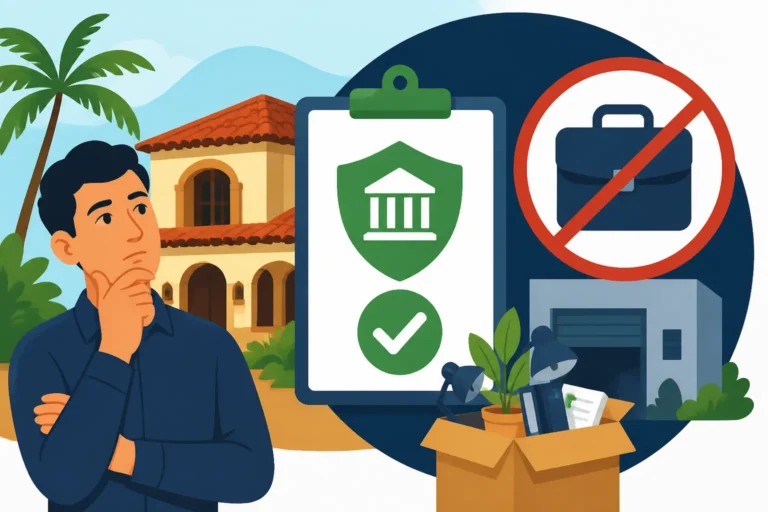
Let's cut right to the chase: Tourists cannot get a direct tax refund on purchases made in Costa Rica. I know, it's a bit of a bummer, especially when you've just shelled out for some lovely souvenirs or an unforgettable eco-tour. Many countries, particularly in Europe, offer a VAT refund scheme for non-residents, allowing them to reclaim a portion of the tax paid on goods purchased and taken out of the country. This system is often managed at airports, where visitors present receipts and goods for verification before departure.
Costa Rica, however, operates under a different philosophy when it comes to its tax structure and tourist interactions. Our tax system, overseen by the Ministerio de Hacienda (the equivalent of a treasury department), focuses on internal revenue generation and the territorial principle of taxation. This means that taxes, including the Value Added Tax (IVA), are levied on goods and services consumed within the country, regardless of whether the consumer is a resident or a tourist. The primary purpose of these taxes is to fund public services and infrastructure here in Costa Rica. There isn't a mechanism, legal framework, or designated government office to process VAT refunds for departing tourists. It’s just not part of the system, and expecting it will only lead to frustration. Don't waste time looking for a special counter at Juan Santamaría Airport (SJO) or Daniel Oduber Quirós International Airport (LIR) for this – you won't find one.
Understanding IVA on Goods and Services for Tourists
So, what exactly are we talking about when we mention IVA? IVA stands for Impuesto al Valor Agregado, which is Costa Rica's Value Added Tax. This tax replaced the older sales tax system in 2019 and is generally set at 13%. It's applied to a vast array of goods and services that tourists typically consume during their stay, meaning a portion of almost every purchase you make is going towards government revenue.
Let me give you some real-world examples of where you'll encounter IVA. When you book a hotel room, whether it’s a boutique stay in Tamarindo or a luxury resort in Papagayo, that 13% IVA is added to your bill. The same goes for nearly every meal you eat out, from a simple casado at a local soda to a gourmet dinner in Escazú. Tours – zip-lining through Monteverde, white-water rafting on the Pacuare River, coffee plantation visits – all have IVA baked into their prices. Even small things like buying a t-shirt at a souvenir shop in La Fortuna, purchasing groceries at a Más X Menos, or getting a taxi ride around San José will include this tax. It's pervasive.
It’s important to remember that this IVA is usually included in the advertised price or added as a separate line item on your bill, depending on the establishment. For example, when you check out of your hotel, you'll often see a "13% IVA" charge clearly separated from the room rate. For a deeper dive into the specifics of this tax, you might find our guide to Understanding VAT (IVA) in Costa Rica for Businesses helpful, even though it's geared towards businesses, as it explains the tax's origins and application.
Here's a quick look at how IVA typically applies to common tourist expenses:
| Expense Category | Typical IVA Rate | Notes |
|---|---|---|
| Accommodation (Hotels, Airbnbs) | 13% | Often shown as a separate line item on the bill. |
| Restaurant Meals | 13% | Plus a 10% service charge (servicio) is also common. |
| Tours and Excursions | 13% | Included in the listed price or added at checkout. |
| Car Rentals | 13% | Applied to the rental fee, not usually on mandatory insurance. |
| Souvenirs and Retail Goods | 13% | Generally included in the shelf price. |
| Transportation (Taxis, Buses) | 13% | May be integrated into fare or applied to metered rates. |
| Professional Services | 13% | Applies to things like massages, specific guide services. |
As you can see, the IVA is a standard part of nearly every transaction. There are some exceptions, of course, like basic food items at grocery stores or certain educational services, but for the vast majority of goods and services tourists consume, it's a fixed part of the price you pay. It’s part of the Costa Rican economic landscape, and it’s how the country funds many of the things that make it such a great place to visit and live. If you’re considering staying longer, our article The Complete Guide to Cost of Living in Costa Rica for Expats (2026) offers a broader perspective on how these costs accumulate over time.
Practical Tips for Managing Costs as a Tourist in Costa Rica
Since getting a tax refund isn't an option, the best strategy for tourists is to be mindful of their spending and look for ways to manage overall costs. This isn't about avoiding taxes – which you can't – but about making your travel budget stretch further.
One of the biggest factors in your budget will be currency exchange. While many tourist-heavy areas accept US dollars, you'll almost always get a better rate and avoid dynamic currency conversion fees by paying in Costa Rican Colones. Using a service like Wise to transfer money to a local account (if you plan an extended stay or have friends here) or to simply use their debit card for purchases can save you a fair bit in exchange rates compared to traditional banks. Understanding How to Transfer Money Into and Out of Costa Rica as an Expat might provide even more valuable insights for financial planning.
Another crucial tip is to embrace local options. Eating at sodas (small, family-run restaurants) instead of upscale tourist restaurants can drastically cut down your food bill. Not only is the food often more authentic and delicious, but the prices are significantly lower, and the IVA amount you pay will naturally be smaller due because the base price is lower. Shopping at local markets for fruits and vegetables and cooking some of your own meals if you have access to a kitchen can also make a big difference. Think about it: a meal at a soda might be $7, versus $25 at a tourist trap. The 13% IVA on $7 is less than the IVA on $25 – simple math, but it adds up quickly over a trip!
Consider transportation carefully. While car rentals offer freedom, they can be pricey, and gas is expensive. For travel between towns, the public bus system is incredibly efficient, comfortable, and affordable. Within towns, walking or using local taxis/rideshares (where available) can save you money. Our guide on How Do I Get Around San Jose Without a Car? offers some great ideas.
Finally, always ask for an itemized bill, especially in restaurants and hotels. This allows you to clearly see the breakdown of costs, including the IVA and any service charges (servicio). This transparency helps you understand exactly what you're paying for and ensures there are no surprises. It also helps you budget more effectively for future purchases.
Common Tourist Misconceptions About Taxes and Costa Rica's System
Let’s clear up a few common misunderstandings that tourists often have regarding taxes in Costa Rica. The most persistent one, as we’ve covered, is the idea of a tax refund at the airport. This simply doesn’t exist for tourists in Costa Rica. Don't expect to show your boarding pass and a stack of receipts to reclaim anything.
Another misconception is that foreign income or earnings are somehow subject to Costa Rican taxation for tourists. This usually isn't the case. Costa Rica operates on a territorial tax system, meaning it primarily taxes income generated within its borders. As a tourist, your income from your job back home or your investments abroad is not subject to Costa Rican income tax. This is a significant difference compared to countries with worldwide taxation systems. This principle is a huge advantage for many expats, and you can learn more about it in articles like Does Costa Rica Tax My Foreign Income?. However, for tourists, this only means your tourist spending is subject to IVA, not your global income.
Some tourists also conflate the IVA with other charges they see on bills, like the 10% servicio (service charge) often added at restaurants. This servicio is essentially an automatic gratuity that's distributed among staff. It is not a government tax like IVA. While you don't get a refund on it, you should know that it's typically already factored in, and additional tipping is purely at your discretion, though it's always appreciated.
For those planning a move or extended stay, understanding the broader tax landscape becomes critical, which is where resources like Taxes for Expats become invaluable. They specialize in helping foreigners navigate their home country's tax obligations while living abroad, which is a different beast entirely from tourist transactional taxes. However, for a short-term visitor, the focus remains squarely on the IVA and how it impacts your daily spending without the possibility of a refund. The Costa Rican government's revenue model is built on these consumption taxes, and the administrative burden of implementing a tourist refund scheme, coupled with a cultural focus on internal economic processes, simply means it hasn't been a priority.
The bottom line is to factor the IVA into your budget from the start. Assume that nearly everything you buy or experience will have that 13% added on. Once you accept that, you can focus on enjoying your trip without the lingering hope of a refund that won't materialize. It’s all part of the Pura Vida experience, even the financial bits!
Disclaimer
Please note that tax laws and regulations in Costa Rica can change. While every effort has been made to provide accurate and up-to-date information, this guide is for informational purposes only and does not constitute professional tax advice. Always consult with a qualified local tax advisor or legal professional for advice tailored to your specific situation.