What Documents Do I Need to Open a Bank Account in Costa Rica?
Ah, the Costa Rican bank account. If you’ve started looking into this, you’ve probably already felt that familiar twinge of expat frustration, wondering if you need to hand over your firstborn child and a blood sample just to get a debit card. Trust me, you're not alone. Opening a bank account here can feel like navigating a bureaucratic labyrinth designed by someone who secretly despises foreigners, but this comprehensive guide is here to demystify the process and tell you exactly what documents you’ll need to finally get that local account set up.
Why Opening a Bank Account in Costa Rica Feels Like an Odyssey (And What to Expect)
Let's be real, the banking system in Costa Rica operates on its own unique rhythm, which can be baffling if you’re used to the speedy, online-driven processes in North America or Europe. It's not about being difficult for the sake of it, though it certainly feels that way sometimes! It’s primarily driven by strict anti-money laundering (AML) regulations and a very cautious approach to financial transactions. They want to know everything about where your money comes from and where it's going.
The Initial Hurdles: Residency and the "Know Your Customer" Rules
The biggest hurdle for most new arrivals is the chicken-and-egg situation: you often need residency to easily open a bank account, but sometimes you need a bank account to prove financial solvency for residency. It’s enough to make you pull your hair out! The "Know Your Customer" (KYC) rules are incredibly stringent here. Banks, by law, must thoroughly vet every potential client. This means a lot of paperwork, detailed questions, and sometimes, a hefty dose of patience.
For those of us coming from countries with more relaxed banking entry requirements, this can be a shock. You might walk into a bank, expecting to open an account in an hour, only to be told you need a dozen documents, half of which need to be translated and apostilled. The frustration is real, and it’s valid. Banks are trying to protect themselves and the financial system from illicit activities, but the burden often falls heavily on legitimate expats just trying to live their lives. This is especially true if you are still on a tourist visa; your options are significantly limited, if not entirely non-existent, at most major banks.
The Waiting Game: Why Patience is Your Best Ally
Once you’ve submitted all your documents, don't expect instant gratification. The processing time for opening a bank account in Costa Rica can vary wildly, from a few days to several weeks, or even months in some cases. It largely depends on the bank, the branch, the completeness of your documentation, and frankly, the mood of the person handling your application. I’ve heard stories of people waiting four months to get their debit card, only to find the initial check to activate it took another week.
This isn't to discourage you, but to prepare you. Expect delays, and don't plan any critical financial transactions around a new Costa Rican bank account popping open quickly. If you're wondering how to manage your finances in the interim, it’s worth considering services like Wise for international transfers while you navigate the local banking maze. Having alternative ways to move and access money will be a lifesaver. This waiting game is just part of the Pura Vida experience, albeit the less glamorous, bureaucratic side of it.
Essential Documents for Residents: Your Pila de Papeles (Pile of Papers)
Once you've secured your Costa Rican residency (and trust me, that's a whole other adventure), opening a bank account becomes significantly easier, but it still requires a precise collection of documents. Think of it as preparing for a highly organized pop quiz, but instead of answers, you need papers. Every single piece of paper should be current, legible, and ideally, in perfect condition.
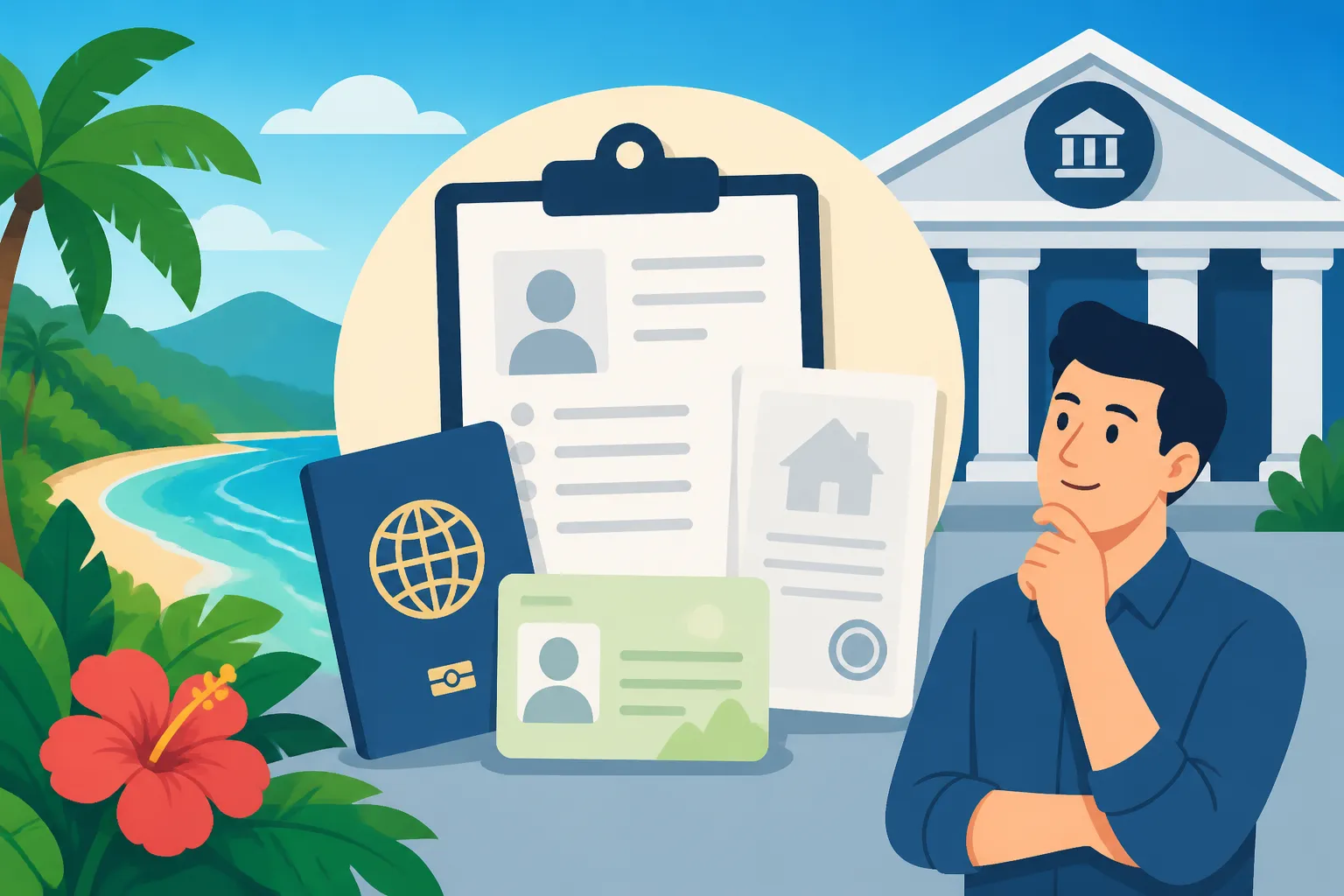
Personal Identification Documents
This is your foundation. Without proper identification, you won't even get past the first desk.
- DIMEX Card (Documento de Identificación Migratoria para Extranjeros): This is your golden ticket. Your DIMEX card, which serves as your national ID once you have residency, is the most crucial document. It proves your legal status in Costa Rica. Banks will need a clear photocopy of both sides. Make sure it's current; an expired DIMEX can cause immediate rejection. If you're still in the process of getting yours, knowing How to Get Your DIMEX to Access Healthcare in Costa Rica is a good indicator of its overall importance in daily life here.
- Passport: While your DIMEX is primary, your passport will also be required. They'll want a copy of your biographical page (the one with your photo) and sometimes the page with your most recent entry stamp into Costa Rica. Ensure your passport is valid for at least six months beyond the date of application.
- Other Identification (if requested): On rare occasions, a bank might ask for a secondary form of ID from your home country, like a driver's license. This is less common if you have your DIMEX, but it's always good to be prepared.
Proof of Income and Financial Solvency
This is where the banks really dig deep. They need to understand your financial situation to comply with those strict AML regulations. What they ask for can vary based on your residency category (e.g., Pensionado, Rentista, Inversionista) and your source of income.
- Pension Statements (for Pensionados): If you’ve gone the route of Pensionado residency, you’ll need official, notarized, and apostilled letters from your pension provider(s) stating your monthly income. The letter must clearly indicate the amount and that it's a lifelong pension. They often want statements for the last 6-12 months as well. This is directly related to the income you proved when applying for your residency, so having the same documentation ready is key. For more on this, check out How to Apply for Pensionado Residency in Costa Rica Step by Step.
- Bank Statements and Investment Portfolios (for Rentistas/Inversionistas): For those on Rentista or Inversionista visas, you’ll need bank statements showing the required income or investment amounts. These statements, especially if from a foreign bank, will need to be notarized and apostilled in your home country. For Rentistas, they might want proof of the initial deposit or the monthly income flow over time. If you're unsure about the specifics, reviewing How to Apply for Rentista Residency in Costa Rica will give you a good refresher on the financial requirements.
- Letters of Employment and Pay Stubs (for those working locally): If you are employed in Costa Rica, you'll need a formal letter from your employer stating your position, salary, and employment duration, along with recent pay stubs (usually the last three to six months).
- Tax Returns/Declarations: Banks frequently ask for copies of your most recent tax returns, both from Costa Rica (if you've filed one) and your home country. This gives them a comprehensive overview of your financial history. This is where firms like Taxes for Expats can be incredibly helpful in ensuring your foreign tax documents are in order and easily explainable. Understanding Income Tax (Impuesto sobre la Renta) in Costa Rica and your obligations here is also vital.
- Proof of Funds Origin: Sometimes, they’ll go a step further and ask for documentation proving the origin of a large deposit, especially if you're bringing a substantial amount of money into the country. This could be sale documents for a property, inheritance papers, or business transaction records.
Proof of Address and Local Ties
The bank needs to know you live where you say you live.
- Utility Bills: Recent utility bills in your name are the gold standard. Think ICE (electricity), AyA (water), or your internet bill. These should be no older than three months. If the bill is not in your name (e.g., you rent and it's in the landlord's name), you'll need a letter from your landlord confirming your tenancy, along with a copy of their ID and a copy of the utility bill itself.
- Rental Contract (Contrato de Alquiler): A signed and stamped rental contract is often accepted as proof of address, especially if it’s formally registered.
- Property Title (Escritura): If you own property in Costa Rica, a copy of your property title can also serve as proof of address.
The "Additional" Documents that Banks Might Request
Just when you think you have it all, banks might throw in a curveball. These aren't always required, but it’s best to be prepared.
- Bank Reference Letters: A letter from your previous bank (in your home country or elsewhere) stating that you’ve been a customer in good standing for a certain number of years can be helpful. This usually needs to be on official letterhead.
- Professional Reference Letters: Sometimes, they might ask for a letter from an accountant, lawyer, or other professional who can attest to your financial standing.
- Proof of Social Security Affiliation (CCSS): If you are a resident, you are legally required to be part of the Caja Costarricense de Seguro Social (CCSS), the public health system. Banks might ask for proof of your enrollment and current payments. This links directly to your residency status, as mentioned in Do I Have to Join the Caja to Get Residency in Costa Rica?.
- NITE or Tax Identification Number: While not always strictly a requirement for opening an account, having your NITE (Número de Identificación Tributaria para Extranjeros) or local tax ID can streamline things, especially if you plan on doing business or receiving local income. You can learn more about this by checking out How to Register with Hacienda and Get a Tax ID in Costa Rica.
It might seem like an endless list, but remember, each document serves a purpose in building your financial profile and assuring the bank of your legitimacy.
What If You're Not a Resident Yet? Navigating the Tourist Account Minefield
This is where things get truly tricky. If you’re visiting Costa Rica on a tourist visa or are in the process of applying for residency, opening a full-fledged bank account with a local institution is exceptionally challenging, if not impossible, at most state banks. The tight AML regulations mean banks are extremely hesitant to open accounts for individuals without a clear, long-term legal tie to the country.
The Limited Options: State Banks vs. Private Banks for Tourists
State Banks (e.g., Banco Nacional, Banco de Costa Rica): Honestly, don't even bother trying here as a tourist. Their policies are incredibly strict, and they will almost certainly turn you away without a DIMEX card. While they are pillars of the local financial system, their doors are effectively closed to non-residents for standard bank accounts.
Private Banks (e.g., BAC Credomatic, Davivienda, Scotiabank): These might offer very limited options, but the hurdles are substantial. Some private banks might consider opening an account for a non-resident, but they will demand:
- Significant Initial Deposits: Expect a much higher minimum deposit requirement, often in the thousands of US dollars. This isn't just to cover their administrative costs but to signal a serious commitment.
- Strict Source of Funds Documentation: Even more rigorous proof of the origin of your funds will be required, often with international wire transfer records.
- Limited Functionality: Any account opened for a non-resident will likely have significant restrictions, such as limits on transaction amounts, no credit card options, and sometimes even no online banking access until residency is secured. The account might be designed more as a temporary holding facility than a fully functional banking solution.
The bottom line is that while it might be technically possible at a private bank, it's not practical for most tourists or those early in their residency journey. It's often more trouble than it's worth.
Alternative Solutions for Managing Funds Before Residency
Given the difficulty, most expats rely on a combination of strategies to manage their money before getting their local bank account.
- International Bank Accounts and Credit Cards: Continue to use your bank accounts and credit cards from your home country. Visa and Mastercard are widely accepted, and ATMs are plentiful (though always be mindful of withdrawal limits and fees). This is usually the most straightforward way to manage day-to-day expenses.
- Money Transfer Services: Services like Wise are invaluable. They allow you to transfer money internationally with better exchange rates and lower fees than traditional banks. You can send money to yourself or directly to a landlord or service provider. This is especially useful for larger payments like rent or deposits.
- Cash: Costa Rica is still very much a cash-friendly society, especially outside of major metropolitan areas. Keep a reasonable amount of local currency (colones) for smaller purchases and emergencies. However, carrying large sums of cash is never advisable for security reasons.
- Prepaid Debit Cards: Some international prepaid debit cards can be loaded with funds and used like a regular debit card, offering another layer of financial management without needing a local bank account.
Remember, the goal here is to bridge the gap until you have your DIMEX in hand. Once you do, the world of Costa Rican banking opens up considerably, making the temporary workarounds a thing of the past.
Navigating the Process: Tips, Tricks, and What to Avoid
Alright, you've got your "pila de papeles" ready. Now for the actual interaction with the bank. This isn’t like going to the DMV in your home country; it requires a certain finesse and understanding of local customs.
Building a Relationship with Your Bank
This might sound old-fashioned, but in Costa Rica, personal relationships still matter, even in banking. If possible, try to go to the same branch and ideally, deal with the same banking representative each time. They will get to know you, understand your specific situation, and often be more willing to help navigate any quirks in your application. Don't be afraid to strike up a friendly conversation; a little personal touch goes a long way. This is particularly true in smaller towns, where the bank manager might know everyone.
Get Everything Certified and Translated
I cannot stress this enough: any document not originally in Spanish (and sometimes even those that are!) might need to be officially translated by a certified public translator (traductor oficial) here in Costa Rica. Furthermore, many foreign documents, especially those related to income, will need an apostille from your home country. An apostille certifies the authenticity of a document for international use. Without these, your documents will be rejected, plain and simple.
Imagine this scenario: you bring a bank statement from your home country, printed from your online banking portal. The Costa Rican bank will likely say, "Nope! We need this certified by your home bank, notarized, and then apostilled by the relevant authority in your country." So, plan ahead. Start gathering these certified and apostilled documents well before you step foot in a Costa Rican bank.
Don't Assume – Ask, Ask, Ask
Banking requirements can vary not just between different banks (like Banco Nacional versus BAC Credomatic) but sometimes even between different branches of the same bank. What works in a San José branch might not be sufficient in a smaller town. Always call or visit the specific branch where you intend to open an account and ask for their exact, up-to-date list of requirements for your specific residency category. Write everything down. Don't assume anything based on what a friend experienced last year, or what you read on a general forum. The rules can change, and often do, without much fanfare. For a general overview of options, The Expat Guide to Opening a Bank Account in Costa Rica offers some context, but always verify directly.
The Art of the Follow-Up
Once you've submitted your application, your work isn't quite done. Don't just sit back and wait. Be proactive, but politely so. Call or visit the branch a few days later to check on the status. Ask if they need any additional information. This shows you are engaged and serious, and it helps ensure your application doesn't get lost in the shuffle. Remember, a gentle nudge can sometimes be all it takes to move things along in a country where efficiency isn't always the top priority.
By being prepared, patient, and persistent, you will eventually get your Costa Rican bank account. It’s part of the process of becoming truly integrated into your new home. For a broader look at the financial landscape, consider exploring topics like Banking in Costa Rica: A Complete Guide for Foreigners (2026) and How to Choose the Best Bank for Expats in Costa Rica once you're ready to make your selection.
Here’s a quick summary table of common documents to help you prepare:
| Document Type | Resident (DIMEX Holder) | Non-Resident (Tourist Visa) | Notes |
|---|---|---|---|
| Personal ID | DIMEX Card (required) | Passport (required) | Passport required for residents too. DIMEX is the primary ID for residents. |
| Passport (required) | Foreign Driver's License | Secondary ID might be requested. | |
| Proof of Income | Pension Statements | Foreign Bank Statements | Must be notarized & apostilled if from abroad. |
| Employment Letter | Source of Funds Proof | Detailed explanation of fund origin. | |
| Pay Stubs | |||
| Tax Returns (CR & home) | |||
| Proof of Address | Utility Bills (CR) | Hotel/Rental Reservation | Must be in your name or with a landlord letter. Limited acceptance for non-residents. |
| Rental Contract (CR) | |||
| Property Title (CR) | |||
| Financial History | Bank Reference Letter | Bank Reference Letter | From a foreign bank, stating good standing. |
| Residency Proof | DIMEX Card | N/A | This is the key differentiator. |
| Local Affiliations | CCSS Enrollment/Payment | N/A | Proof of social security affiliation. |
| NITE/Tax ID | N/A | Not always mandatory for opening, but very useful. |
Disclaimer
The information provided in this guide is for general informational purposes only and does not constitute legal, financial, or immigration advice. While we strive to keep the information up-to-date and accurate, laws, regulations, and bank policies in Costa Rica can change frequently. It is always recommended to consult with a qualified legal professional, a financial advisor, or directly with the Costa Rican bank you intend to use for the most current and personalized advice regarding your specific situation.