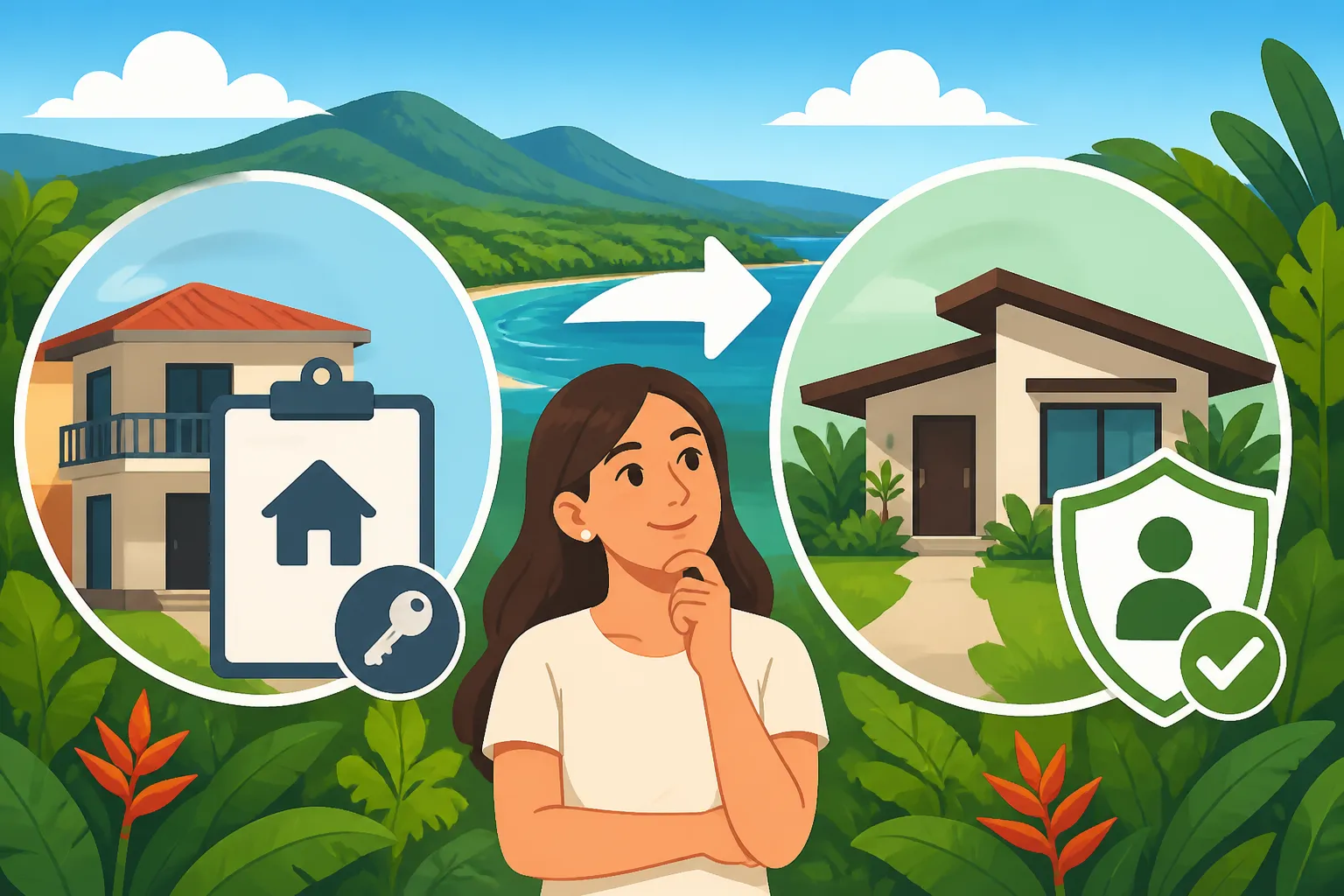
Can I Switch from Rentista to Permanent Residency in Costa Rica?
If you’ve been living in Costa Rica for a while on a temporary residency like the Rentista visa, you’ve probably started to feel the rhythm of life here, but also the looming thought of renewals. It’s a common frustration among expats to constantly deal with paperwork and prove income every couple of years. The good news is, there’s a pathway to greater stability and fewer bureaucratic hurdles. This guide will walk you through exactly how you can transition from your Rentista temporary residency to a more permanent status in Costa Rica.
Understanding Your Rentista Residency Foundation
When you first decided to make Costa Rica your home under the Rentista category, you committed to a specific set of rules. It’s important to understand the nature of this temporary status before we delve into how to move beyond it.
The Nature of Temporary Residency
Your Rentista residency is a fantastic entry point into life in Costa Rica, offering a viable path for those who don't qualify for Pensionado (retiree) status but have a reliable, consistent income from abroad. The core of Rentista residency requires you to prove an income of at least $2,500 per month for a period of two years, typically deposited into a Costa Rican bank account. This isn't just a one-time thing; you commit to maintaining this income stream for the duration of your temporary residency.
This category is, as the name suggests, temporary. It’s usually granted for two years at a time, and then you have to go through a renewal process. This means gathering updated documents, proving your income again, showing current Caja (Costa Rican Social Security System) payments, and paying the associated fees. While it grants you the legal right to live here, it comes with the administrative burden of regular revalidation. For many of us, it feels a bit like you're always on a probationary period, never quite fully settled. It's a stepping stone, a way to test the waters and ensure this beautiful country is truly where you want to plant deeper roots. If you’re looking for a deeper dive into the initial application, take a look at our comprehensive guide on The Expat Guide to the Rentista Residency in Costa Rica (2027).
Why Expats Seek to Transition
The desire to move from temporary to permanent residency often stems from a longing for true stability and a reduction in administrative overhead. Imagine not having to scramble for bank statements or apostilled documents every two years! Temporary residency, while necessary, can feel like you're perpetually living out of a suitcase, even if that suitcase has been unpacked for years.
Many expats find that after a few years, they've built a life here – friends, a routine, perhaps a community involvement. The thought of potential complications during a renewal, or the ever-present requirement to maintain a specific foreign income stream, can be unsettling. Permanent residency offers a sense of permanence, allowing you to breathe a sigh of relief knowing your status is secured for longer periods and isn't tied to an ongoing external income proof. It's about moving from being a long-term visitor to becoming a true resident, with fewer strings attached and more freedom to fully integrate into Pura Vida life.
The General Path to Permanent Residency in Costa Rica
Permanent residency isn't automatically granted just by living here for a long time. There are specific pathways, and understanding them is key to planning your transition.
Eligibility for Permanent Status
In Costa Rica, there are a few established routes to obtaining permanent residency. The most common pathways include:
- Marriage to a Costa Rican Citizen: If you marry a Costa Rican citizen, you are immediately eligible to apply for permanent residency. This is one of the more direct routes.
- Having a Costa Rican Child: If you have a child who is born in Costa Rica, you can also apply for permanent residency based on your familial connection.
- Accumulation of Temporary Residency Years: This is the route most relevant to Rentista visa holders. After holding a valid temporary residency for a cumulative period of at least three consecutive years, you become eligible to apply for permanent residency. This is the golden ticket for many expats who started with temporary visas like Rentista, Pensionado, or even some work-related residencies. The key here is "consecutive" and "valid" – meaning no significant lapses in your temporary status.
It’s crucial to maintain your legal status throughout your temporary residency period. Letting your temporary residency expire, even for a short time, can complicate matters and potentially reset your eligibility clock. This is why staying on top of your renewals and understanding the rules set by the Dirección General de Migración y Extranjería (DGME) is so important. For a broader overview of residency, check out The Complete Guide to Costa Rica Residency for Expats (2027).
Key Benefits of Permanent Residency
Once you've navigated the path to permanent residency, you'll find a significant shift in your experience as an expat in Costa Rica. The benefits are numerous and largely center on increased autonomy and reduced administrative burden.
Firstly, and for many, most importantly, you no longer need to prove a specific monthly income to maintain your permanent residency. While you still need to pay into the Caja (the public health system), the financial criteria for renewal are vastly simpler. This eliminates the stress of demonstrating an external income stream every couple of years, which can be a huge relief if your financial situation changes or if you simply want more flexibility.
Secondly, permanent residency grants you full work authorization. As a Rentista, you are technically not permitted to work for a Costa Rican employer or be self-employed in Costa Rica in a way that generates local income, beyond managing your investments or the income stream that qualifies you for Rentista. Permanent residency removes this restriction, opening up doors to local employment, starting a business, or freelancing in Costa Rica. This can significantly enhance your integration into the local economy and community.
Thirdly, the renewal cycles are extended. Instead of renewing every two years, permanent residency typically requires renewal every five years. This drastically cuts down on the amount of time and effort spent on bureaucratic processes, giving you more freedom to live your life. You'll still need to update your DIMEX card, but the process is generally less complex than temporary renewals. Speaking of the DIMEX, knowing How to Get Your DIMEX Residency Card in Costa Rica is fundamental, regardless of your status.
Finally, permanent residency is a prerequisite for pursuing Costa Rican citizenship through naturalization, should you decide that's a path you wish to explore in the future. It’s the final stepping stone before becoming a naturalized citizen, offering the deepest level of integration into the country.
Navigating the Transition from Rentista to Permanent Residency
This is the moment you've been waiting for: how to make that crucial leap from your Rentista temporary status to the coveted permanent residency. It’s less complicated than the initial residency application, but still requires diligence.
The "Three-Year Rule" for Rentistas
For those of us who came in under the Rentista category, the primary pathway to permanent residency is through the accumulation of temporary residency years. Specifically, after you have held a valid temporary residency for three consecutive years, you become eligible to apply for permanent residency.
Let's break down what "three consecutive years" truly means. It means you must have maintained your Rentista status without any significant gaps or expired periods for a full 36 months. If your temporary residency expires and you don't renew it promptly, or if there's a lapse in your Caja payments that puts your status in jeopardy, that clock can reset. It's not about how long you've lived in Costa Rica, but how long you've held valid legal temporary residency. So, if your first Rentista visa was for two years, and you successfully renewed it for another two years, you would be eligible to apply for permanent residency sometime during that second two-year period, specifically after you've completed three full years of continuous temporary status. Keep meticulous records of your DIMEX cards and renewal dates to confirm your eligibility. Our guide on How to Get Permanent Residency in Costa Rica (2027) offers more broad details on this.
The Application Process: Documents and Steps
Once you've completed your three consecutive years of temporary residency, the application process for permanent residency begins. It’s similar to a renewal, but with a different set of forms and a slightly different focus. Here’s a general rundown of what you’ll need and the steps involved:
- Application Form: You’ll need to fill out the specific application form for permanent residency, available from Migración or your legal representative.
- Valid Passport: A copy of your entire passport (every page, even blank ones), along with the original for verification. Make sure your passport has at least six months of validity remaining.
- Current DIMEX Card: Provide copies of your current temporary residency card (DIMEX) and any previous ones to demonstrate your continuous temporary status over the past three years. This is your proof of continuous temporary residency.
- Proof of Caja Payments: You'll need proof that you have been consistently paying your Caja contributions throughout your entire temporary residency period. This is absolutely non-negotiable and one of the first things Migración will check. They want to see that you've been a contributing member of the system. For more details on this, check out Understanding the Caja Affiliation Requirement for Residency in Costa Rica.
- Proof of Fingerprints: Just like your initial application, you’ll need to have your fingerprints taken (or re-validated) by the Ministry of Public Security.
- Certified Birth Certificate: If your existing birth certificate on file is old or expired (some countries have validity periods), you may need an updated, apostilled, and officially translated copy. It's always a good idea to check this requirement.
- Certified Criminal Record Check: While generally not required if you've already had one submitted for your temporary residency and have maintained continuous legal status within Costa Rica, Migración can request an updated one, especially if there have been any issues or significant travel outside the country. It's always best to be prepared or confirm with your lawyer.
- Application Fees: There are government fees associated with the application, including a processing fee and a mandatory deposit. These fees can change, so always check the most current amounts on the Migración website or with your lawyer.
- Two Passport-Size Photos: Standard requirement for identification documents.
The Steps:
- Gather Documents: Collect all the necessary original documents and multiple copies. Ensure any foreign documents are apostilled in your home country and officially translated into Spanish by an authorized translator in Costa Rica.
- Pay Fees: Head to a designated bank (like Banco de Costa Rica or Banco Nacional) to pay the application fees. Keep all receipts.
- Submit Application: Present your complete application package to the Dirección General de Migración y Extranjería. This is typically done by appointment.
- Wait for Resolution: Migración will process your application. This can take several months, sometimes even longer, depending on their workload. During this waiting period, ensure you keep your temporary residency current if it's nearing its renewal date.
- Receive Approval and DIMEX: Once approved, you'll be notified to pick up your new permanent residency DIMEX card.
This process can feel like a lot, especially when dealing with translations and ensuring every stamp is in the right place. Many expats choose to work with an immigration attorney or a reputable relocation service. They can help you organize your documents, fill out forms correctly, and ensure you don’t miss any crucial steps. Companies like Sirelo, while primarily a moving service, often have networks that can point you towards reliable local assistance for such administrative tasks. They understand the expat journey and the complexities involved.
Crucial Considerations and Potential Pitfalls
While the path from Rentista to permanent residency is well-defined, it's not without its potential bumps. Being aware of these can save you a lot of headaches.
First and foremost, maintaining your Caja payments is absolutely critical. Your affiliation with the Costa Rican social security system is a mandatory requirement for all residents, temporary or permanent. Any lapse in payments, especially during your three years of temporary residency, can jeopardize your eligibility for permanent status. Migración often cross-references your residency file with Caja records. If you fall behind, get it sorted immediately.
Secondly, never let your temporary residency expire! As mentioned, the "three consecutive years" rule is strict. If your Rentista DIMEX card expires before you've applied for its renewal or for permanent residency, that continuity is broken. This means you might have to restart your three-year count from scratch once your status is re-established. Always apply for renewal well in advance – typically 2-3 months before the expiration date. It’s better to be early than even a day late.
Thirdly, consider the timing of your application. You can apply for permanent residency once you hit the three-year mark of continuous temporary residency. You don't necessarily have to wait until your current temporary DIMEX is about to expire if you've already crossed that three-year threshold. Work with your immigration lawyer to determine the optimal time to submit your application.
Finally, while it might seem tempting to try and navigate this process entirely on your own, especially if your Spanish is excellent, the value of a good immigration lawyer cannot be overstated. They are up-to-date on the latest requirements, fee changes, and common pitfalls. They can review your documents, submit them on your behalf, and follow up with Migración, saving you countless trips and potential delays. Even with all the resources available online, having a local expert who understands the nuances of the Costa Rican system is invaluable. They can clarify aspects like Understanding the Documents and Apostille Needed for Residency in Costa Rica and ensure everything is in order.
What Changes with Permanent Residency Status?
So, you’ve done it! You’ve transitioned to permanent residency. What does this truly mean for your daily life and your future in Costa Rica?
Freedoms and Responsibilities
One of the most significant changes is the expanded work authorization. As a Rentista, your residency is tied to your ability to prove foreign income, and working locally in Costa Rica is generally restricted or requires separate work permits (which are very difficult to obtain). With permanent residency, those restrictions are lifted. You are now legally able to work for any employer in Costa Rica, start your own business, or work as a freelancer. This flexibility can be a game-changer for many expats looking to integrate more deeply into the local economy or simply needing more options for earning a living.
Your Caja requirements remain mandatory, but the administration might feel less burdensome. You’ll still be required to pay into the social security system, which covers public healthcare (CCSS). However, the monthly payment calculation is no longer tied to a specific foreign income declaration like it was for Rentista. Instead, it will typically be based on your declared local income or a minimum base rate if you are not working. Accessing healthcare through the Caja is one of the pillars of living here, and understanding How Costa Rica's Health System Works: The Caja (CCSS) vs Private Explained (2027) is crucial for all residents.
Travel becomes a bit easier, too. While your temporary DIMEX allowed you to come and go, permanent residency often means fewer questions at immigration, as your long-term commitment to the country is firmly established. The renewal cycle for your DIMEX card shifts from every two years to every five years, dramatically reducing the frequency of administrative tasks. This five-year cycle provides a much greater sense of security and stability.
Financial and Lifestyle Implications
The financial implications of permanent residency are largely positive, mainly centered on removing the ongoing requirement to prove external income. You are no longer under the microscope regarding your $2,500 monthly income. This provides immense financial freedom, allowing you to manage your funds as you see fit without constantly worrying about how it impacts your residency status. For many, this means a significant reduction in stress and a greater ability to plan for the future within Costa Rica.
Your lifestyle can also shift. With work authorization, you might choose to take on local projects, volunteer, or start a business, further embedding yourself in the community. This deeper integration often leads to a richer cultural experience and a stronger sense of belonging. The stability of permanent residency also makes long-term investments in Costa Rica, like buying property or establishing a local business, feel more secure. Knowing your right to live here isn't going to be questioned in a couple of years can really put your mind at ease.
While the Caja provides comprehensive public health coverage, many expats also opt for private international health insurance to complement it, regardless of their residency status. Services like Cigna Global offer additional benefits such as wider hospital choices, direct billing, or coverage for specific conditions with shorter wait times. It’s a personal choice, but options are available for all residents.
Pathway to Citizenship
For those who envision an even deeper connection to Costa Rica, permanent residency is a crucial step towards citizenship. After a certain period of holding permanent residency (typically five years for most nationalities, or seven years for some other Latin American countries), you become eligible to apply for naturalization. This means you could eventually become a Costa Rican citizen, with all the rights and responsibilities that entails, including carrying a Costa Rican passport. It's the ultimate culmination of your journey as an expat in this beautiful country.
Here's a quick comparison of the two statuses:
| Feature | Rentista (Temporary Residency) | Permanent Residency |
|---|---|---|
| Eligibility | $2,500/month stable income for 2 years (usually from abroad) | 3 consecutive years of valid temporary residency, or other family ties |
| Duration of Status | Typically 2 years, renewable | Indefinite, with DIMEX card renewal every 5 years |
| Work Authorization | Generally restricted (cannot work for local employers) | Full work authorization (can work for any employer, self-employ) |
| Income Requirement | Must continuously prove $2,500/month for renewals | No ongoing income proof required for renewals |
| Caja Affiliation | Mandatory | Mandatory |
| Renewal Process | More frequent, more documentation (income proof) | Less frequent, simpler documentation |
| Path to Citizenship | Pre-requisite for Permanent Residency, then Citizenship | Direct path to Citizenship after required years |
| Integration/Stability | Good initial step, but requires regular revalidation | High level of stability and integration |
Disclaimer
The information provided in this guide is for general informational purposes only and does not constitute legal or financial advice. Immigration laws and regulations in Costa Rica can change frequently. It is highly recommended that you consult with a qualified Costa Rican immigration attorney or legal professional for advice tailored to your specific situation before making any decisions related to your residency status.