Understanding the Income Requirements for the Digital Nomad Visa
Oh, the digital nomad dream in Costa Rica! It sounds absolutely idyllic, doesn't it? Picture yourself sipping a fresh jugo de cas in a hammock, laptop humming gently, as monkeys chatter in the background. The reality, though, is that even paradise has its paperwork, and one of the biggest hurdles for many aspiring remote workers is truly understanding the income requirements for the Digital Nomad Visa. Navigating these financial stipulations can feel like trekking through the jungle without a map, but don't worry, I've been there, and I'm here to lay it all out for you, validating every frustration you might encounter along the way.
The Lure of Pura Vida and the Reality of Requirements
Costa Rica, with its stunning biodiversity, laid-back "Pura Vida" lifestyle, and a growing infrastructure, has rightfully earned its spot as a top destination for those looking to swap cubicles for coastlines. But while the brochures show pristine beaches and lush rainforests, the path to living and working here legally requires a bit more than just a love for nature.
Why Costa Rica Attracts Digital Nomads
It's not hard to see why so many remote workers are drawn to Costa Rica. The natural beauty is, quite frankly, unmatched. From the volcanic peaks of Poás and Arenal to the surf breaks of Tamarindo and Santa Teresa, there's an adventure around every corner. The climate, depending on whether you prefer cooler mountain air or tropical heat, caters to almost everyone. Plus, there's a strong sense of well-being here, with a focus on healthy living, fresh food, and a slower pace of life that really encourages you to disconnect from the hustle culture.
Beyond the aesthetics, the country offers surprisingly robust internet connectivity in many areas, even in some seemingly remote spots. Communities of expats and locals are generally welcoming, and for those worried about language barriers, English is widely spoken in tourist areas and by many service providers. It’s a place where you can genuinely blend work with an incredible quality of life, which is precisely what the digital nomad lifestyle is all about.
The Digital Nomad Visa: A Game Changer Mostly
For years, digital nomads in Costa Rica often found themselves on the "visa run" merry-go-round, leaving the country every 90 days to reset their tourist visa. It was a tedious, often expensive, and frankly, a legally gray way to live long-term. When the Costa Rica Digital Nomad Visa was introduced, it was heralded as a godsend, offering legal long-term stay and greater peace of mind for remote workers. It felt like the government finally understood the value that remote professionals bring to the economy.
However, as with most bureaucratic processes, the initial excitement quickly gave way to the reality of the application process. While the intent of the visa is clear – to attract high-earning remote workers who will spend their foreign income within Costa Rica – the specific requirements, particularly around income, have been a point of confusion and frustration for many. It's not just about having the money; it's about proving it in the very specific way the government demands, which can sometimes feel like trying to fit a square peg into a round, bureaucratic hole. This visa is a fantastic step forward, but understanding the nuances is key. You can find a complete overview of the process in our guide on How to Apply for the Costa Rica Digital Nomad Visa.
Diving Deep into the Financial Thresholds
Let's get down to the brass tacks, because this is where many people either breathe a sigh of relief or realize they need to adjust their plans. The digital nomad visa is designed for individuals who earn income from outside Costa Rica, meaning your clients or employers must be based internationally. The crucial part is demonstrating a consistent and sufficient income.
The Minimum Monthly Income Requirement for Individuals
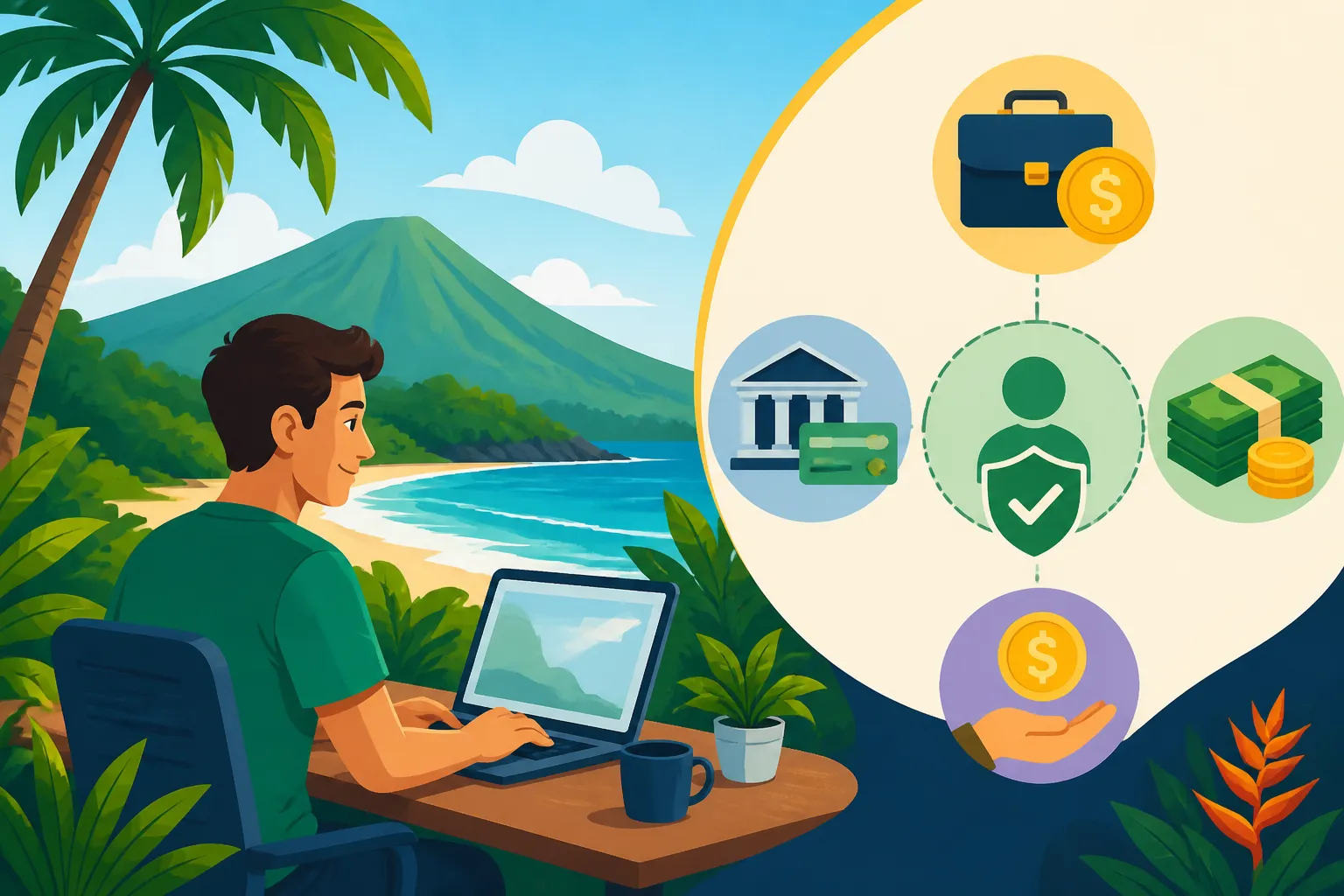
For an individual applicant, the Costa Rican government requires proof of a stable monthly income of at least US$3,000. This isn't just a suggestion; it's a hard rule. This income must come from foreign sources, meaning you cannot be employed by a Costa Rican company or derive your income from within the country, with very few exceptions.
The operative word here is "stable." They want to see that this isn't a one-off payment or a volatile income stream. We're talking about consistent earnings that reliably hit your bank account month after month. It's often gross income they look at, but they want to understand your financial stability, so clarity around this is paramount. For instance, if you're a freelancer, your contracts and invoices need to reflect this steady stream. If you're employed by a foreign company, your pay stubs and employment contract will be essential. They're trying to ensure that you won't become a burden on the local economy and that you have the means to support yourself comfortably in Costa Rica. Remember, this $3,000 is just the baseline; actual living costs can vary wildly depending on your lifestyle and location, which you can read more about in The Complete Guide to Cost of Living in Costa Rica for Expats (2026).
Income Requirements for Families and Dependents
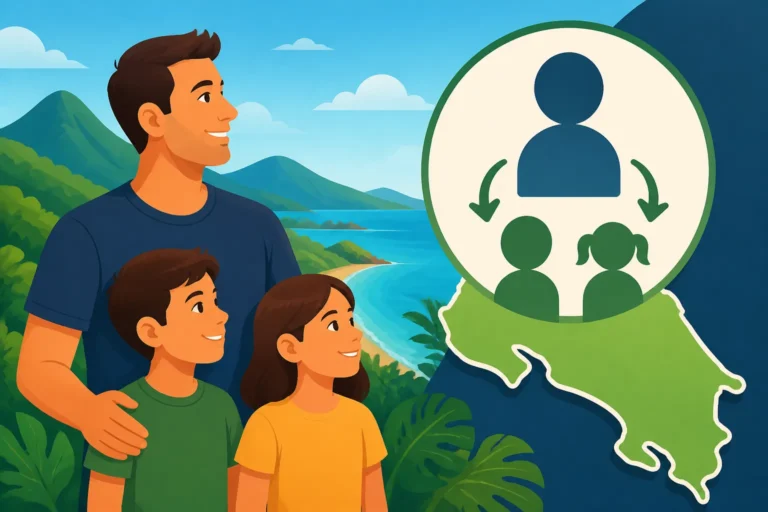
If you're not flying solo and plan to bring your family along on this incredible journey, the income requirement understandably increases. For applicants including dependents, the minimum monthly income rises to US$4,000. This includes your spouse, children, and any other qualifying dependents.
Who qualifies as a dependent? Typically, this means your legal spouse or partner (they'll want to see a marriage certificate or proof of common-law partnership, properly apostilled and translated) and minor children. Sometimes, adult children who are still financially dependent (e.g., in full-time education) can be included, but this is often handled on a case-by-case basis and requires solid documentation. The goal here is similar: to ensure that your entire family unit can be adequately supported by your foreign income without needing to seek employment locally or become reliant on public services. So, if you're a family of three, your combined foreign income needs to consistently hit that $4,000 mark. It’s a good idea to demonstrate that this income is coming into a single account you control, making it easier to track and prove. This also ties into the broader subject of Family Residency in Costa Rica: How to Bring Your Spouse and Children (2027), which provides more context on bringing loved ones.
Proving Your Financial Prowess: The Documentation Demystified
This is often the trickiest part for many. It's one thing to have the income; it's another to prove it in a way that satisfies Costa Rican immigration authorities. They are meticulous, and any discrepancies or lack of clarity can cause significant delays.
Acceptable Forms of Proof
When it comes to demonstrating your financial eligibility, you need to provide a clear, undeniable paper trail that spans at least the last 12 months. Yes, a full year of consistent income is what they're looking for, not just a few recent fat paychecks.
Here are the primary forms of proof they generally accept:
- Bank Statements: This is the gold standard. You'll need official bank statements (not just screenshots from your online banking portal) showing your name, account number, the deposits, and ideally, the source of these deposits. These statements need to cover the full 12-month period immediately preceding your application. Make sure the statements clearly show the monthly income hitting your account consistently at or above the required threshold. Any large, unexplained deposits right before applying can raise red flags.
- Letters from Employers or Clients: If you're traditionally employed, a letter from your foreign employer stating your position, salary, and that you are authorized to work remotely from outside your home country is crucial. For freelancers or independent contractors, letters from your primary clients confirming ongoing contracts and payment terms can be very helpful, although these are usually supplementary to bank statements.
- Tax Returns: Providing copies of your most recent income tax returns from your home country can serve as additional proof of your overall financial standing and declared income. This is especially useful for self-employed individuals to show consistency.
- Investment Income Proof: If a significant portion of your income comes from investments (e.g., dividends, rental income from properties abroad), you'll need official statements from brokerage accounts, property management companies, or similar entities, clearly showing the regular distribution of funds. Just like employment income, this needs to be consistent over the 12-month period.
Remember, every single document that is not in Spanish must be officially translated by a certified public translator in Costa Rica. Also, many documents, especially those from government agencies or official institutions abroad, will need an apostille from your home country. This confirms the authenticity of the document for international use. This entire process of document gathering and authentication is crucial for any residency application, as outlined in our guide: Understanding the Documents and Apostille Needed for Residency in Costa Rica.
When you're preparing for a big move like this, especially one involving a visa, ensuring your global health insurance is sorted is just as important as your income. Providers like Cigna Global offer comprehensive international health insurance plans that are often accepted for visa purposes and can give you peace of mind that you're covered for any medical emergencies in Costa Rica.
The Importance of Consistency and Clarity
I cannot stress this enough: consistency and clarity are king when it comes to proving your income. Migración officials are looking for patterns, not anomalies. A sudden spike in your bank account balance right before you apply will likely raise questions rather than provide reassurance. They want to see genuine, sustainable income.
Think of it from their perspective: they are trying to prevent individuals from entering the country under false pretenses, potentially straining social services or the job market. Your documentation needs to paint a picture of predictable, reliable earnings that demonstrate you're truly a "digital nomad" supporting yourself independently from abroad. So, if your income fluctuates significantly, it might be worth waiting a few extra months to build up a more consistent 12-month history.
It's also essential that your documents are clear, legible, and match. Make sure names, dates, and amounts are consistent across all submitted materials. Any discrepancies, even minor ones, can lead to your application being paused, rejected, or sent back for clarification, which means more waiting and more frustration. And because you're applying for an official residency document, you will also eventually need to understand How to Open a Bank Account at a Costa Rican Bank as a Foreigner to manage your money locally.
Common Pitfalls and Navigational Tips for Income Proof
Even with all the information in the world, the application process can feel like a labyrinth. It's easy to make mistakes that delay or jeopardize your application. Learning from others' missteps can save you a lot of headaches.
What Not to Do: Red Flags for Migración
There are several common errors and practices that immigration officials in Costa Rica view as red flags. Avoid these at all costs:
- Inconsistent or Last-Minute Deposits: As mentioned, a sudden large deposit that pushes your average income over the threshold right before applying is highly suspicious. Migración wants to see a track record, not a last-ditch effort.
- Unclear Source of Funds: Your bank statements should ideally show where the money is coming from (e.g., payroll deposits, client payments). If your statements only show generic transfers with no clear origin, it can lead to questions.
- Using a Friend's or Family Member's Account: Never, ever try to use someone else's bank account or have them "gift" you money to meet the requirement. The income must be demonstrably yours and directly linked to your foreign work.
- Misrepresenting Income or Employment: Fabricating documents or misstating your employment status is a serious offense and will lead to immediate rejection and potentially blacklisting for future applications. Honesty and transparency are paramount.
- Missing Documentation: Submitting an incomplete application is a surefire way to get it rejected or delayed. Double-check everything, then check it again. Ensure all required months of bank statements are there, all letters are signed and dated, and all translations and apostilles are correctly done.
Another common misunderstanding is thinking you can continue working in Costa Rica on a tourist visa while your digital nomad application is pending. The digital nomad visa grants you the right to work remotely from Costa Rica, but until it's approved, you are still bound by tourist visa restrictions, which generally prohibit employment. You can find more details on this specific topic in Can I Work Remotely in Costa Rica on a Tourist Visa?.
Expert Advice for a Smooth Application
My best advice for navigating the income requirement, and indeed the entire visa process, is to be proactive and meticulous.
- Start Early: Give yourself ample time to gather all the required documents. Request bank statements well in advance, and factor in time for translations and apostilles. These processes can take weeks, if not months, depending on your home country.
- Consider Professional Legal Help: While it's possible to apply for the Digital Nomad Visa yourself, many expats find the complexity of the Costa Rican immigration system overwhelming. An experienced immigration lawyer in Costa Rica can guide you through every step, ensure your documents are correct, and communicate with Migración on your behalf. They know the nuances and can often anticipate potential issues before they arise. It’s an investment that can save you a lot of stress and time.
- Maintain Pristine Financial Records: Even before you decide to apply, get into the habit of keeping clear, organized records of your income. This isn't just for Costa Rica; it's good practice for financial health wherever you are. Use clear invoicing, keep digital copies of all contracts, and ensure your bank statements are easily accessible.
- Proofread Everything: Before submission, meticulously review every single document. Are the dates correct? Are the names spelled exactly as they appear on your passport? Is the income clearly visible? A fresh pair of eyes from a friend or your lawyer can be invaluable.
When you're planning an international move, logistics can be just as daunting as paperwork. Services like Sirelo are great for comparing international moving companies, which can help alleviate some of the stress when you're getting ready to relocate all your belongings once your visa is approved. They understand the intricacies of moving globally, much like an immigration lawyer understands the intricacies of the visa process.
Beyond Income: Other Key Considerations for Digital Nomads
While income is a huge part of the Digital Nomad Visa application, it's not the only thing. There are other crucial elements to consider that impact both your application and your quality of life once you arrive.
Health Insurance: A Non-Negotiable
A critical, often overlooked, aspect of the Digital Nomad Visa, beyond your income, is the requirement for health insurance. You absolutely must have valid health insurance that covers you for the entire duration of your visa, or at least for the first year, and it needs to be approved by the Costa Rican authorities. This coverage must be for medical expenses in Costa Rica.
You have a couple of options here:
- International Health Insurance: Many digital nomads opt for international policies, like those offered by Cigna Global, which provide comprehensive coverage both in Costa Rica and potentially when traveling to other countries. These plans typically offer more flexibility and English-speaking services, which can be a huge relief in a foreign medical system. The key is to ensure the policy is recognized and accepted by Migración.
- Local Costa Rican Insurance (INS): You can also purchase a local health insurance policy from the National Insurance Institute (INS) once you are in Costa Rica. These plans are generally more affordable but might not offer the same level of benefits or international coverage as private international plans. However, they are guaranteed to be accepted for visa purposes.
The requirement for health insurance is not just a bureaucratic hoop to jump through; it's genuinely important for your well-being. The Costa Rican healthcare system is excellent, offering both public (Caja) and private options, but unexpected medical emergencies can be incredibly expensive without coverage. Understanding Health Insurance in Costa Rica: Caja, INS and International Options Explained is vital before you arrive. For a deeper dive into the overall healthcare landscape, check out The Complete Guide to Healthcare in Costa Rica for Expats (2027).
The "Pura Vida" Factor: Integrating and Thriving
Finally, securing your visa and meeting the income requirements is just the first step. Truly integrating and thriving in Costa Rica requires a genuine embrace of the "Pura Vida" lifestyle. This means understanding that life moves at a different pace here – things often take longer, and bureaucracy can be frustrating. Patience is truly a virtue.
You'll want to think about where you want to live. Do you prefer the bustling city life of San José, the bohemian vibes of a beach town like Tamarindo, or the cooler mountain air of Grecia? Each offers a different cost of living and lifestyle. For example, How Much Does It Cost to Live in San Jose per Month? can give you a clearer picture of urban expenses. Learning some basic Spanish will dramatically improve your day-to-day interactions and help you connect with locals. While many in tourist areas speak English, venturing off the beaten path requires some linguistic effort. It will also help you navigate mundane but important things like setting up utilities, which can be surprisingly complex, as detailed in The Expat Guide to Setting Up Utilities (ICE/AyA) in Costa Rica.
Building a community is also essential. Whether it's through expat groups, local sports clubs, or volunteer opportunities, finding your tribe will make your transition much smoother. Remember, the Digital Nomad Visa is designed to let you experience Costa Rica, not just work from it. So, once the paperwork is done, get out there and explore, learn, and immerse yourself in this incredible culture!
Here’s a quick summary table to help keep those income requirements straight:
| Category | Minimum Monthly Income (USD) | Key Documentation | Key Considerations |
|---|---|---|---|
| Individual Applicant | $3,000 | 12 months of bank statements, employment/client letters, tax returns. | Income must be from foreign sources, consistent, and provable. |
| Family Applicant (with dependents) | $4,000 | 12 months of bank statements, employment/client letters, tax returns, marriage/birth certificates for dependents. | Income must cover the entire family unit, dependents must be clearly qualified. |
| General | N/A | Official translations, apostilles, health insurance policy. | All non-Spanish documents need certified translation; health insurance is mandatory. |
Disclaimer
The information provided in this guide is for general informational purposes only and does not constitute legal, financial, or immigration advice. While we strive to keep the information up-to-date and accurate, Costa Rican laws and regulations, particularly those related to immigration and visas, can change frequently. It is highly recommended that you consult with a qualified Costa Rican immigration attorney or legal professional for advice tailored to your specific situation before making any decisions or taking any actions related to your visa or residency application. We do not assume any responsibility for any actions taken based on the information contained herein.