How Do I Set Up Propane Gas for My Costa Rican Home?
One of the many unexpected joys and frustrations of moving to Costa Rica is figuring out the everyday logistics that were once second nature. Among these, setting up and managing your propane gas supply for your home can feel like navigating a maze, especially if you're used to piped natural gas or simple, universal systems. This comprehensive guide will walk you through everything you need to know about getting your Costa Rican home powered by propane, from initial setup to safe usage and convenient refills.
Understanding Propane in Costa Rica: The Basics
When you first arrive in Costa Rica, whether you're renting a cozy beach casita or a mountain home in the Central Valley, you’ll quickly realize that natural gas lines are virtually non-existent for residential use. Instead, propane gas, known locally as gas licuado de petróleo or simply gas, is the ubiquitous solution for cooking, heating water, and sometimes even clothes drying. This means that embracing propane is an essential part of settling into life here, but it comes with its own unique quirks you'll need to master.
Why Propane? Common Uses and Scenarios
Propane is a versatile fuel source, and in Costa Rica, it takes on several critical roles in the typical household. The most common application, by far, is for cooking. Almost every stove and oven, from basic models to more elaborate professional ranges, runs on propane. If you've been living here for a bit, you've probably already seen those distinctive bright yellow tanks sitting on patios or tucked away in kitchen corners.
Beyond the kitchen, propane is also the go-to for many water heaters. While some homes use electric tankless heaters, a good number rely on propane-powered tank heaters, especially in larger homes or those needing more consistent hot water. In the chillier mountain regions or during the rainy season, you might even find homes using propane for clothes dryers, although electric dryers are also common. Understanding these uses helps you determine the size and frequency of refills you'll need to manage, which is a key part of your household budget when considering the overall cost of living in Costa Rica for expats.
Cylinders Versus Fixed Tanks: What's the Difference?
The propane landscape in Costa Rica primarily revolves around two types of setups: portable cylinders and larger, fixed tanks. For the vast majority of homes, particularly rentals, apartments, and smaller houses, you’ll be dealing with cylinders (known as cilindros or tanques de gas). These are the familiar bright yellow (sometimes blue or orange) tanks that typically hold 25 or 100 pounds of propane. The 25-pound cylinder is by far the most common for kitchen use, while the 100-pound tanks are often used for larger families, water heaters, or small businesses.
Then there are fixed tanks, sometimes called tanques estacionarios or tanques cisterna. These are large, permanently installed tanks that look like a horizontal white or light-colored submarine, usually placed outside the home. They hold significantly more propane, often 120 gallons (around 500 pounds of propane) or more. These are less common for typical residential use but are sometimes found in luxury homes, larger properties, or commercial establishments that have high propane demands. With a fixed tank, you don't swap cylinders; instead, a delivery truck comes to your home and refills the tank directly, much like filling a car with gasoline. Each system has its pros and cons, which we'll explore further.
Getting Your First Propane Tank and Setup
So, you've just moved into your new Costa Rican abode, perhaps with the help of international movers like Sirelo, and you're ready to cook your first gallo pinto. But wait, the stove isn't working! Chances are, you need propane. This initial setup can feel a bit daunting, especially if your Spanish isn't quite up to technical jargon, but it's a straightforward process once you know the steps.
Where to Buy Cylinders: Gas Distributors and Supermarkets
For portable cylinders, you generally have a couple of options. The most reliable place to start is at an authorized propane distributor. These are specific businesses dedicated to selling and distributing propane, and they operate under various brand names across the country. Common brands you'll encounter include Gas Nacional, Tropigas, and Petrogas. You'll find their depots or smaller outlets scattered in most towns and cities. They usually offer the best prices and are the safest bet for ensuring you get a properly filled and maintained cylinder.
Supermarkets are another common point of sale for the smaller 25-pound cylinders. Chains like Mas X Menos, Palí, and sometimes Auto Mercado will have a cage outside their stores where you can swap out an empty cylinder for a full one. This is incredibly convenient for quick replacements, especially if you live close to a major grocery store. Prices might be slightly higher than a dedicated distributor, but the convenience often outweighs the small difference. Keep in mind that for your very first cylinder, you'll need to purchase the tank itself, not just the gas. This involves paying a deposit or outright buying the tank, which you then "exchange" on subsequent visits. This is important to remember – you don't rent the tank for free, you buy it, and then you just pay for the gas to refill it.
The Initial Setup: Regulator, Hoses, and Safety Checks
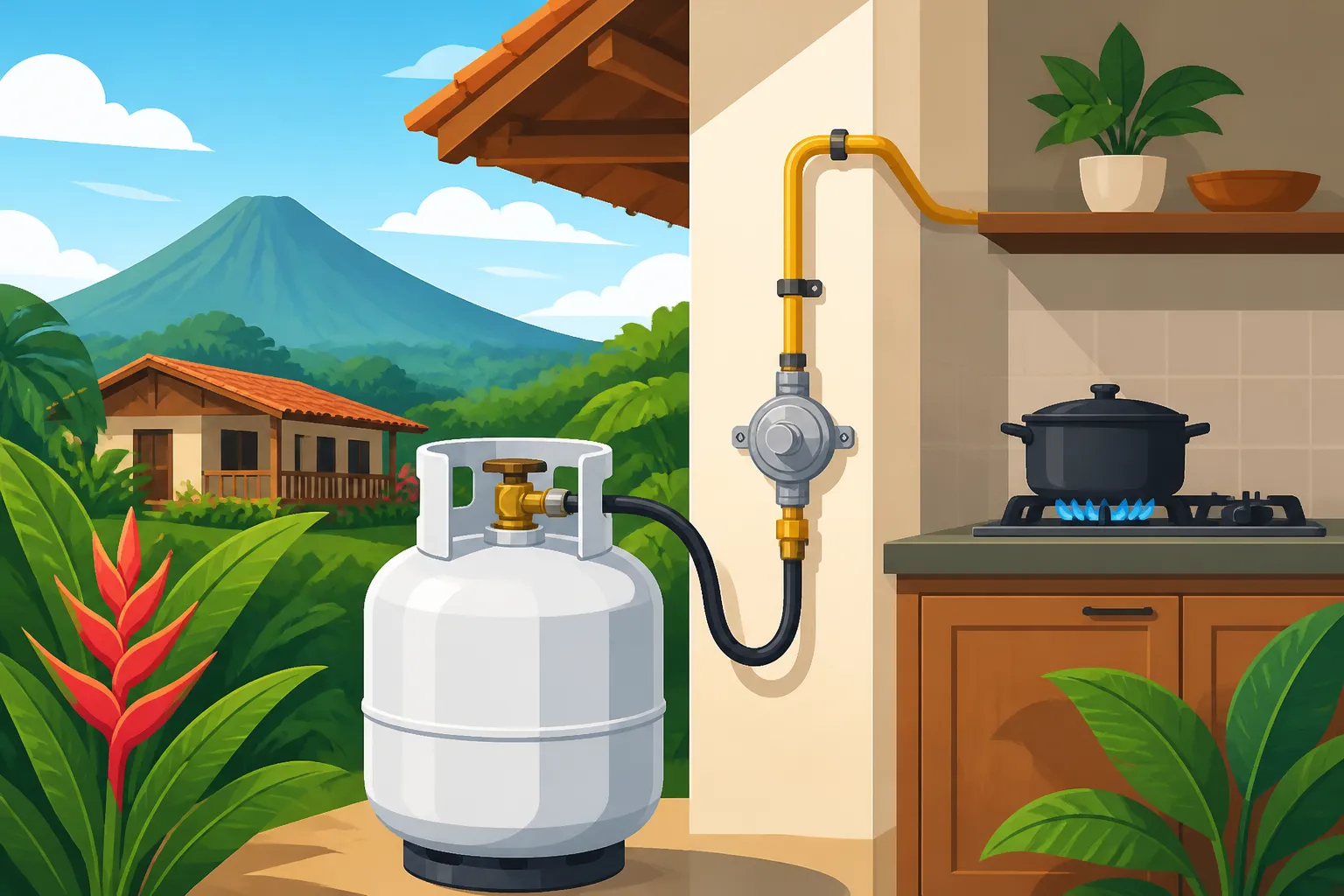
Once you have your first cylinder, it's time for the setup. This typically involves three main components: the propane tank itself, a regulator (regulador), and a hose (manguera) that connects to your appliance. If you're renting, sometimes the regulator and hose are already provided, but it's wise to double-check. The regulator is crucial because it reduces the high pressure of the propane in the tank to a safe, usable pressure for your stove or water heater. There are different types of regulators for different appliances and pressures, so ensure you have the correct one.
Connecting everything is usually straightforward. The regulator screws onto the tank valve, and the hose connects the regulator to your appliance's gas inlet. Most connections are standard, but if you're unsure, or if your appliance has an unusual fitting, it's always best to get help from a local plumber or technician. After connecting, the most critical step is a leak check. You can do this by opening the gas valve on the tank slowly and listening for any hissing sounds. A common trick is to spray soapy water (a mixture of dish soap and water) on all connections. If you see bubbles forming, you have a leak! Immediately close the tank valve, tighten connections, and re-test. Never use an open flame to check for leaks. Remember, safety always comes first, especially when dealing with pressurized gas.
Larger Installations: Fixed Tanks and Professional Services
For homes requiring a larger, more permanent propane solution, a fixed tank installation is the way to go. This isn't a DIY project; it requires professional service. Companies like Gas Nacional or Tropigas offer installation services for these larger tanks. The process involves:
- Site Assessment: A technician will visit your property to determine the best and safest location for the tank, taking into account local regulations regarding distance from the house, property lines, and ignition sources.
- Permitting: Depending on the size and location, permits might be required from the municipality or fire department. The propane company can often help navigate this bureaucratic hurdle, which can sometimes be as challenging as understanding how to register a company (Sociedad Anonima or SRL) in Costa Rica for business purposes.
- Installation: The tank is delivered and securely installed, usually on a concrete pad. Lines are run from the tank to your appliances, often requiring trenching and careful routing.
- Inspection and First Fill: Once installed, the system is pressure-tested, inspected, and then filled with propane.
The upfront cost for a fixed tank installation is considerably higher than for cylinders, but it offers the convenience of less frequent refills and eliminates the need to lift heavy tanks. It's a significant investment, so it's usually considered for long-term residents or property owners rather than short-term renters.
Refilling and Managing Your Propane Supply
Living with propane cylinders means developing a rhythm for refills. You'll quickly learn how long a tank lasts for your household and get good at guessing when it's about to run out. But the actual process of getting a new tank or a refill is a unique aspect of life here.
Swapping Cylinders: The "Empty for Full" System
The standard practice for portable cylinders in Costa Rica is an "empty for full" exchange system. You don't get your specific tank refilled; rather, you bring your empty cylinder to a distributor or supermarket and swap it for a pre-filled one. This means the tank you return might be different from the one you get back, which is why it's important that they are all standard and safely maintained by the distributors.
Always inspect the tank you receive. Look for obvious dents, rust, or damage. Check that the valve cover is intact and that the tank doesn't look like it's been neglected. While reputable distributors maintain their tanks, a quick visual check can give you peace of mind. The cost of a refill varies slightly by region and distributor but is generally consistent. It's a single price for the gas, as you've already "purchased" the tank itself. If you're struggling to keep track of local pricing, you might consult expat forums or local Facebook groups, where people often share tips on the best places to go.
Delivery Services and Scheduling Refills
For those who find lugging a heavy propane tank to be a nuisance, many distributors offer delivery services. This can be a real lifesaver, especially if you don't have a car or if you're dealing with larger 100-pound tanks. You typically call their customer service number, provide your location, and they will schedule a delivery. Delivery times can vary, sometimes taking a few hours or even a day, so it’s wise not to wait until your tank is completely empty before calling!
Some areas, particularly in more populated zones like San José or beach towns, might have independent delivery drivers who circulate regularly. You might hear them honking their horns, signaling their presence. These drivers often offer competitive pricing and immediate service, but it's good to establish a relationship with a trustworthy one. Just remember that communication is key. Having a local phone number and a good mobile connection, perhaps through an eSIM service like Airalo for your data, can make the process of calling for a delivery or coordinating with a driver much smoother. Planning ahead for deliveries is a common theme in Costa Rican life, much like understanding how to renew your temporary residency (DIMEX) in Costa Rica – it’s best done before you’re in a bind!
Troubleshooting Common Propane Issues
Even with the best planning, you might encounter a few hiccups with your propane supply. Here are some common issues and how to troubleshoot them:
- No Gas Flow: First, check if the tank is truly empty. Shake it gently – if it feels light, it's likely empty. If it's heavy, ensure the valve is fully open and the regulator is securely connected. Sometimes, a "stuck" regulator can prevent gas flow; gently tapping it might help, but if it persists, you may need a new regulator.
- Weak Flame/Low Pressure: This often indicates a low tank, a partially opened valve, or a faulty regulator. Cold weather can also slightly reduce pressure, but this is less common in most of Costa Rica.
- Smell of Gas: This is serious. If you detect the distinct rotten egg smell of propane, immediately turn off the tank valve, open windows and doors, and evacuate the area. Do NOT use any electrical switches, light matches, or create any sparks. See the safety section below for more detailed steps.
- Unexpectedly Fast Depletion: If your tank seems to run out much faster than usual, it could indicate a leak in the system (connections, hose, or appliance itself) or, less commonly, an underfilled tank. Always check for leaks first.
When in doubt, and especially if you suspect a leak, always err on the side of caution and call a professional.
| Propane Tank Size (Cylinder) | Approximate Weight (Empty) | Common Use Cases | Estimated Lifespan (2-person household, cooking only) |
|---|---|---|---|
| 25 lbs (11.3 kg) | ~18-20 lbs | Stoves, small water heaters | 4-8 weeks |
| 100 lbs (45.3 kg) | ~70-80 lbs | Large stoves, water heaters, dryers | 3-6 months |
| Fixed Tank (120 gallons+) | N/A (permanent) | Multiple appliances, high demand homes | 6-12 months+ (depending on usage) |
Note: Lifespan estimates are highly variable based on usage frequency, appliance efficiency, and household size.
Safety First: Essential Propane Handling Tips
Propane is a safe and efficient fuel when handled correctly, but it is highly flammable and requires respect. As an expat, understanding and adhering to local safety practices is paramount, just like familiarizing yourself with emergency medical care in Costa Rica: what every expat needs to know for your health and well-being.
Installation and Maintenance Best Practices
Proper installation and ongoing maintenance are crucial for safe propane use.
- Outdoor Placement: Always keep propane cylinders outdoors in a well-ventilated area, away from direct sunlight and heat sources. Never store them inside your home or garage. This is a non-negotiable safety rule in Costa Rica and globally.
- Secure Placement: Tanks should be placed on a stable, level surface, ideally on concrete or pavers, to prevent them from tipping over.
- Hose and Regulator Condition: Regularly inspect your hose and regulator for cracks, kinks, or signs of wear. Rubber components can degrade over time due to sun exposure and heat. Replace them immediately if you notice any damage. Generally, these components should be replaced every 5-10 years, or sooner if exposed to harsh conditions.
- Appliance Maintenance: Ensure your propane appliances (stove, water heater) are regularly serviced by a qualified technician to check for leaks, blockages, or worn parts.
- Ventilation: If a propane appliance is used indoors (like a gas stove), ensure the area is well-ventilated. Never use outdoor propane heaters indoors.
- Carbon Monoxide Detectors: While less common than in some other countries, installing a carbon monoxide detector in your home is a smart safety measure, especially if you have propane water heaters or dryers that vent indoors.
Recognizing and Reacting to Leaks
Knowing how to identify a propane leak and what to do is perhaps the most critical safety skill you can have. Propane itself is odorless, but distributors add a chemical called mercaptan, which gives it a distinctive rotten egg smell. This strong odor is your primary warning sign.
If you smell gas:
- Immediate Action: Turn off the main gas supply valve on the tank if it's safe to do so.
- Open Windows and Doors: Ventilate the area thoroughly to disperse the gas.
- Evacuate: Get everyone out of the house.
- No Ignition Sources: Absolutely do NOT use any electrical switches (lights, appliances, phone), light matches, or operate any vehicles or machinery near the house. Even a small spark can ignite propane.
- Call for Help: Once you are a safe distance away, call the fire department (911 in Costa Rica) and your propane distributor. Explain the situation clearly.
- Do Not Re-enter: Do not re-enter the building until emergency services have deemed it safe.
Ignoring the smell of gas is extremely dangerous and can lead to serious accidents. If you are ever unsure, always prioritize safety and call for professional help. Understanding these critical emergency procedures is a fundamental part of navigating the Costa Rican healthcare system: an expat's roadmap, extending beyond just medical emergencies to home safety.
Emergency Contacts and What to Do
In any propane-related emergency, quick action is vital. Your primary emergency contact in Costa Rica for fire and gas leaks is 911. They can dispatch the local fire department (Bomberos), who are trained to handle such situations.
It's also a good idea to have the phone number of your propane distributor handy. While they won't respond to emergencies, they can provide technical advice or arrange for a technician to inspect your system once the immediate danger is contained. Knowing what is the emergency phone number in Costa Rica is crucial, and saving these numbers to your phone's contacts is a simple step that can make a huge difference in a crisis. Don't be shy about asking a Spanish-speaking friend or neighbor to help you make the call if you're not confident in your Spanish during an emergency. Most Ticos are incredibly helpful in these situations.
Disclaimer
The information provided in this guide is for general informational purposes only and does not constitute professional advice. While we strive to provide accurate and up-to-date information, local regulations, prices, and availability can change. Always consult with local authorities, qualified technicians, and your chosen propane supplier for specific advice related to your situation. Propane is a flammable material, and safety should always be your top priority. Follow all manufacturer instructions and local safety guidelines.