What Areas Are Best for Families with Young Children in Costa Rica?
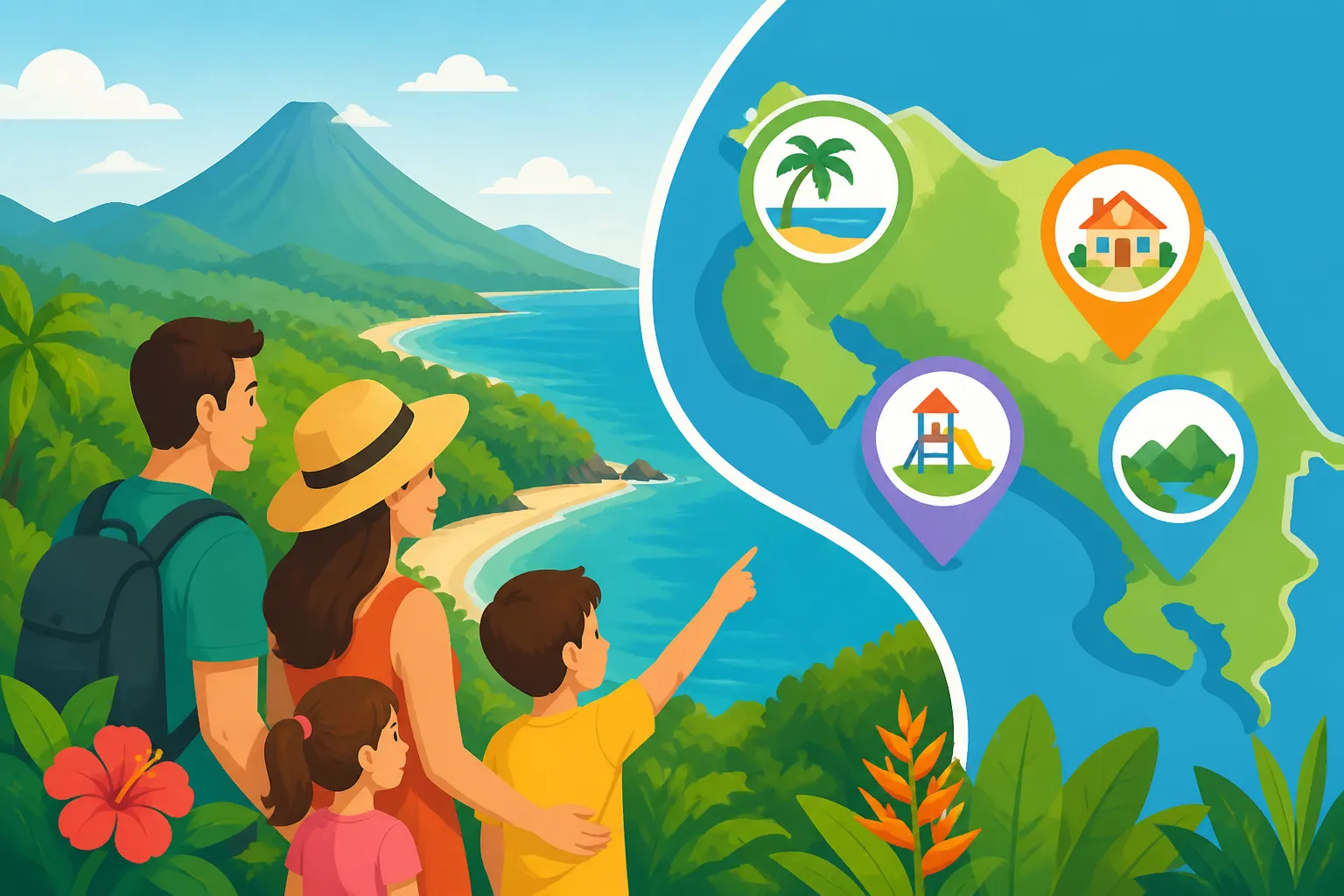
Oh, the age-old expat question: "Where do we plant our roots with the little ones?" It’s a completely different ballgame when you’re scouting locations with toddlers in tow or trying to find a balance for your school-aged kids. Costa Rica offers such a diverse landscape, from bustling cities to serene beaches, but when you've got young children, your priorities shift dramatically. This guide is here to walk you through some of the best family-friendly areas in Costa Rica, helping you weigh the pros and cons to find that perfect pueblito or barrio where your family can truly thrive.
Understanding Family Priorities When Choosing a Location
Before we dive into specific towns, let’s talk about what genuinely matters when you’re moving with young children. It’s not just about pretty views anymore; it’s about a holistic environment that supports their development, your peace of mind, and your family's daily rhythm. Many expat families, myself included, have gone through the wringer trying to find that sweet spot, and believe me, it often involves a lot of trial and error if you don't do your homework upfront.
Safety and Security
This is, understandably, at the very top of most parents' lists. While Costa Rica is generally considered safe, particularly compared to some other Latin American countries, like any place in the world, some areas are more secure than others. You want neighborhoods where kids can ride bikes, where you feel comfortable letting them play in the front yard (if you have one!), and where local communities watch out for one another.
It’s not just about crime statistics; it's about the feeling you get when you walk down the street. Are there sidewalks? Is there good lighting? Do neighbors interact, or do people stay behind high walls? These subtle cues make a huge difference in how "safe" a place truly feels for families. Many expat communities consciously choose areas known for their lower crime rates and tighter-knit neighborhoods, often preferring gated communities or smaller towns where everyone knows everyone.
Access to Quality Education and Healthcare
When your kids are young, quick access to reliable healthcare, especially pediatric care, is non-negotiable. Whether it's a scraped knee, a sudden fever, or just routine check-ups, you need to know that a good doctor or clinic isn't hours away. Similarly, schooling becomes a major factor, whether you’re considering international schools, reputable private bilingual options, or even homeschooling networks.
For many expats, the availability of English-speaking doctors or at least staff who can facilitate communication in English is a huge plus. You'll want to explore options for "How to Find an English-Speaking Doctor in Costa Rica" or specific guides like "How Do I Find a Pediatrician in Heredia?". The proximity to a good pharmacy, understanding the local prescription system, and knowing your options for "Prescription Medications and Pharmacies in Costa Rica: The Complete Guide" are also crucial.
Community and Activities for Children
Let's be honest, happy kids make for happy parents. Finding a community where your children can easily make friends, participate in activities, and just be kids is vital. This means looking for areas with parks, playgrounds, kid-friendly beaches, sports clubs, art classes, or even just plenty of other families. It also means looking for opportunities for you to connect with other parents.
Connecting with other expat families or local Tico families enriches your experience and provides a support system. Many towns have active community groups, online forums, or local meet-ups that become lifelines for new arrivals. Imagine having a potluck with other families every month, or a WhatsApp group to organize playdates – these are the things that turn a house into a home in a foreign land.
Top Regions for Expat Families with Young Children
Costa Rica is wonderfully diverse, but not all regions are equally suited for families with young children. Certain areas have naturally developed into expat havens due to their infrastructure, community, and access to services. Let's break down a few of the most popular regions.
The Central Valley: Convenience and Infrastructure
The Central Valley is often the first stop for many expat families, and for good reason. This region, encompassing cities like San José, Escazú, Santa Ana, Heredia, and Alajuela, offers the best infrastructure in the country. You'll find the widest selection of international schools, top-tier private hospitals like Clínica Bíblica and CIMA, and all the modern conveniences you might be used to from back home.
While the hustle and bustle of San José itself might not appeal to every family, the surrounding suburbs are incredibly popular. Escazú and Santa Ana, for example, are renowned for their upscale amenities, international communities, and a plethora of family activities, from shopping malls with playgrounds to specialized kids’ classes. These areas provide a comfortable transition for families moving from North America or Europe, offering a familiar level of convenience and access to services.
The Pacific Coast: Beach Life with a Community Vibe
For families dreaming of a life closer to nature, the Pacific Coast offers stunning beaches and a more relaxed pace. However, it's essential to distinguish between party towns and genuinely family-friendly spots. The Guanacaste region, in particular, has several areas that have developed strong expat communities with family-focused amenities.
Towns like Tamarindo (while it can get lively, there’s a strong family contingent) or the areas around Playas del Coco and Brasilito offer a blend of beach access, international schools, and community activities. You’ll find surfing lessons for kids, nature tours, and plenty of outdoor adventures. The trade-off is often slightly less immediate access to specialist medical care, though larger towns usually have good general practitioners and clinics. It’s all about finding that right balance between jungle and convenience.
Southern Zone: Nature Immersion and Holistic Living
The Southern Zone, particularly around towns like Dominical, Uvita, and Ojochal, attracts families looking for a deeper immersion in nature and a more holistic, eco-conscious lifestyle. This region is famous for its lush rainforests, pristine beaches, and incredible biodiversity. It's less developed than the Central Valley or parts of Guanacaste, which can be a draw for those seeking tranquility and a strong connection to the natural world.
While perhaps not as overflowing with formal international schools as the Central Valley, you’ll find a growing number of smaller, alternative, or nature-based educational programs. Healthcare is generally good for routine needs, but for serious emergencies or specialized care, a trip to San José might be necessary. This region truly appeals to families who prioritize outdoor living, community-supported education, and a slower, more deliberate pace of life, often willing to trade some urban conveniences for an unparalleled natural environment.
Detailed Look at Specific Family-Friendly Towns
Now, let's get down to the nitty-gritty and explore some of the specific towns that continuously rank high on expat family surveys. These aren't just names on a map; they are vibrant communities where families are building lives, raising children, and finding their slice of Pura Vida.
Escazú and Santa Ana: Suburban Comforts and International Flare
Located just west of San José, Escazú and Santa Ana are often grouped together as the go-to suburbs for expat families. They offer an ideal blend of suburban comfort, sophisticated amenities, and a strong international presence. Think of them as the "everything you need" package.
Why Escazú and Santa Ana Shine for Families
These areas boast the highest concentration of top-tier international schools in Costa Rica, such as the Country Day School, Lincoln School, and Blue Valley School. This makes the educational transition for expat children much smoother, offering curricula that often align with North American or European standards. The schools here aren't just academic institutions; they are often community hubs, offering extracurricular activities, sports, and social events that help both children and parents integrate. Finding a home near good schools is often a top priority for families, and these areas make that search much easier.
Beyond schools, healthcare access is unparalleled. You're minutes away from world-class private hospitals like Hospital CIMA and Clínica Bíblica's satellite clinics, ensuring that any medical need, big or small, can be addressed promptly and often by English-speaking professionals. For routine check-ups or unexpected emergencies, knowing these facilities are close by provides immense peace of mind. The sheer convenience for busy parents cannot be overstated.
Lifestyle and Activities
The lifestyle in Escazú and Santa Ana is distinctly modern, catering to a diverse, affluent population. You'll find sprawling shopping centers like Multiplaza Escazú, movie theaters, countless restaurants ranging from casual to fine dining, and specialized stores carrying imported goods. For families, this means easy access to everything from kid-friendly dining options to hobby shops and entertainment.
There are also numerous parks, sports academies, and cultural centers offering activities for children of all ages. From swimming lessons and soccer clubs to art classes and music schools, your kids will have no shortage of opportunities to explore their interests and make friends. Parents will also appreciate the thriving expat social scene, with plenty of opportunities to connect through coffee mornings, book clubs, or volunteer groups. These areas truly focus on providing a comfortable, engaging environment for the entire family.
Atenas: The "Best Climate" Town with a Strong Community
Atenas, often lauded for having "the best climate in the world" by National Geographic, sits inland in the Central Valley, about a 45-minute drive west of San José. It offers a more tranquil, small-town vibe than Escazú or Santa Ana, while still providing essential services and a warm, welcoming community.
Life in Atenas with Little Ones
Atenas provides a beautiful, relaxed environment for families, away from the traffic and intensity of larger cities. The town itself is charming, with a central park that often hosts community events and a traditional church. The pace of life here is slower, allowing for a childhood more connected to nature and community. Housing often includes larger properties with gardens, perfect for kids to play outdoors.
While Atenas doesn't have the same density of international schools as the immediate San José suburbs, there are excellent bilingual private schools and strong homeschooling networks that cater to expat families. Many families also choose to commute to schools in nearby Grecia or even further into Santa Ana. The healthcare in Atenas includes a local EBAIS clinic for public health services and several private doctors, with more extensive facilities available in Alajuela or San José when needed.
Community and Connecting
Atenas is famous for its exceptionally strong and active expat community, which blends seamlessly with the friendly local Ticos. There are numerous social groups, meet-ups, and community initiatives that make it easy for new families to integrate. Potlucks, hiking groups, art classes, and community markets are common, fostering a sense of belonging that many expats crave.
For children, the opportunities are often more organic and outdoors-focused. Think exploring local farms, horseback riding, swimming in natural pools, or joining local soccer teams. The town is safe, and kids often have more freedom to roam and connect with neighbors. It’s a place where children can experience a more traditional, grounded childhood, while parents enjoy a supportive network and a beautiful, temperate climate year-round. It's a fantastic option for those seeking a balance between convenience and a slower, more authentic Costa Rican experience.
Tamarindo Area: Beach Town Charm and Growing Infrastructure
On the Guanacaste Pacific Coast, the Tamarindo area (including nearby Langosta, Grande, and Huacas) has long been a magnet for tourists, but it's also matured into a popular spot for expat families seeking a vibrant beach lifestyle. While it has a reputation for being lively, the family-focused amenities and community are significant draws.
Family Life by the Beach
Tamarindo offers immediate access to the beach, making it ideal for families who envision a life of surfing, swimming, and sandcastle building. The constant sunshine and warm waters mean outdoor activities are a year-round affair. Many homes are within walking distance or a short drive to the beach, creating a truly unique daily routine.
The region has seen significant development in educational options, with several international and bilingual schools such as La Paz Community School (in nearby Brasilito) and Educarte, offering quality education with an emphasis on global perspectives and often environmental consciousness. These schools often attract families precisely because they align with a more laid-back, yet high-quality, educational philosophy. You might want to delve into resources like "How to Find a Home Near Good Schools in Costa Rica?" if you're considering this area.
Activities and Connectivity
Beyond the beach, Tamarindo offers a plethora of activities for children, from surf lessons and horseback riding to paddleboarding and estuary tours. There are also skate parks, playgrounds, and community centers that host events. The expat community is large and diverse, fostering many opportunities for families to connect through school events, sports leagues, or social gatherings at local cafes.
While Tamarindo has many conveniences like supermarkets, restaurants, and medical clinics for minor ailments, for specialized medical care or major hospital visits, you would typically travel to Liberia or even San José. The area is well-connected with internet services, but always double-check specific providers and coverage for your chosen home. For those needing mobile data on the go, especially for staying connected with family or work, grabbing an eSIM from a brand like Airalo before you arrive can save you a headache and ensure you're always connected without hunting for local SIM cards immediately. This can be especially helpful when you're first settling in and need reliable navigation or communication.
Uvita and Ojochal: Southern Zone Serenity and Nature
If your family dreams of a truly immersive natural experience, where howler monkeys are your alarm clock and the jungle meets the sea, then the Uvita and Ojochal area in the Southern Zone (also known as Costa Ballena) might be your ideal spot. This region is known for its incredible biodiversity, stunning national parks, and a strong emphasis on sustainable living.
A Deep Dive into Nature-Focused Family Life
Life in Uvita and Ojochal is slower, more deliberate, and deeply connected to nature. Homes are often nestled in the hills with ocean views or tucked away in lush rainforests. The iconic "Whale’s Tail" at Marino Ballena National Park provides endless opportunities for beach exploration, tide pooling, and spotting marine life. It's a paradise for curious young minds.
Education in this region tends to lean towards smaller, alternative, or nature-based schools, often with bilingual programs. Options like the Waldorf School (in the Dominical area) or smaller community-run schools provide a unique educational experience focused on experiential learning and environmental stewardship. For families who value a less structured, more outdoor-oriented education, this is a perfect fit. Healthcare includes local clinics, but for more comprehensive care, you'd travel to nearby San Isidro de El General or the larger centers in the Central Valley.
Building Community and Embracing the Outdoors
The expat community in Uvita and Ojochal is tight-knit and highly engaged, often forming a strong support network. There's a palpable sense of shared values around sustainable living, health, and a love for the outdoors. Community events often revolve around farmers' markets, yoga retreats, or shared meals, making it easy to form deep connections.
Activities for children are largely outdoor-based: exploring waterfalls, hiking jungle trails, learning to surf, swimming in rivers, or simply playing on the uncrowded beaches. It's a place where kids can truly run wild and free, fostering an adventurous spirit and a profound appreciation for the natural world. This region offers a unique opportunity for families to embrace a lifestyle that prioritizes well-being, community, and a deep connection to the earth, away from the typical urban pressures.
Practical Considerations Beyond Location
Choosing a location is just the first step. Once you've got a few places in mind, it's time to dig into the practicalities. These details can often make or break your expat experience, especially when navigating them with young children.
Transportation and Connectivity
How will you get around? In many areas outside the Central Valley, owning a car (preferably a 4×4) is almost a necessity for families, especially for school runs, grocery shopping, and exploring. Public transport like buses is extensive but might not be convenient for daily family needs. For those moving a whole household, planning the logistics of getting your car and other belongings to Costa Rica is a big undertaking. Services like Sirelo can be incredibly helpful for comparing international moving companies and getting quotes, saving you a lot of time and stress when coordinating your relocation.
Beyond physical movement, reliable internet is crucial for everyone, from remote-working parents to kids needing entertainment or online schooling. While fiber optic is expanding, it's not everywhere, especially in more rural areas. Always check internet speeds and providers for any specific property you're considering. Having a backup internet option, like a mobile hotspot using an Airalo eSIM, can be a lifesaver during unexpected outages, ensuring continuity for work or school.
Cost of Living and Budgeting for Families
The "Cost of Living in Costa Rica: A Complete Breakdown for Foreigners (2026)" is a complex topic, and it varies significantly from one region to another. While some expats find Costa Rica more affordable than their home country, others are surprised by certain expenses. For families, budgeting for housing, groceries, schools, healthcare, and activities requires careful planning.
For instance, housing in Escazú or Santa Ana for a family-sized home will generally be higher than in Atenas or the Southern Zone. International school tuition can be a significant expense, often comparable to private schools in North America. Groceries, especially imported items, can add up quickly. It’s important to research average costs for things specific to your family's needs, such as daycare, extracurriculars, or specific dietary items. Don't forget utilities like electricity and water, which can sometimes be higher than anticipated, especially if you're running AC frequently in hotter areas.
Integrating into the Local Culture
While finding an expat community is valuable, truly embracing Costa Rica means engaging with the local culture. Encourage your children to learn Spanish – it opens up so many doors for friendships and understanding. Participate in local fiestas, try the traditional foods, and make an effort to connect with your Tico neighbors.
Many expat families find that their children become fluent in Spanish much faster than they do, acting as wonderful bridges to the local community. These cross-cultural friendships not only enrich your family's experience but also help your children develop a broader worldview and greater adaptability. Remember, you're not just moving to a new country; you're joining a new way of life, and embracing it fully will make all the difference for your family's happiness and integration.
Table: Family-Friendly Town Comparison Snapshot
To give you a quick overview, here's a snapshot comparing some key aspects of our top family-friendly towns. Remember, these are generalizations, and your personal experience may vary!
| Feature | Escazú / Santa Ana | Atenas | Tamarindo Area | Uvita / Ojochal |
|---|---|---|---|---|
| Vibe | Upscale, Suburban, Modern | Tranquil, Small-Town, Community | Lively Beach, Touristy (parts) | Nature-Immersed, Eco-Conscious |
| Climate | Moderate, Spring-like | "Best Climate", Temperate | Hot, Humid (Beach Climate) | Hot, Humid (Jungle Climate) |
| International Schools | High concentration, top-tier | Fewer, good bilingual/alternative | Several, strong growth | Fewer, alternative/nature-focused |
| Healthcare Access | Excellent (private hospitals) | Good (local clinics, nearby Alajuela) | Good (local clinics, Liberia) | Basic (local clinics, San Isidro) |
| Activities for Kids | Malls, sports, arts, playgrounds | Outdoor play, community events, nature | Beach, surfing, nature tours, parks | Beaches, waterfalls, jungle, holistic |
| Expat Community | Large, diverse, active | Very strong, close-knit | Large, varied | Strong, community-driven |
| Cost of Living | Higher | Moderate | Moderate to High | Moderate |
| Transportation | Car recommended, Ubers, some buses | Car essential (4×4 recommended) | Car recommended (4×4 beneficial) | Car essential (4×4 highly recommended) |
This table should give you a starting point. It's a big decision, and what works for one family might not work for another. The best advice I can give you is to visit these areas if you can, talk to other expat families on the ground, and trust your gut. Pura Vida, my friends!
Disclaimer
The information provided in this guide is intended for general informational purposes only and does not constitute professional advice. While we strive to keep the content up-to-date and accurate, Costa Rican laws, regulations, and economic conditions can change rapidly. Always consult with qualified legal, financial, real estate, and healthcare professionals for advice tailored to your specific situation. Reliance on any information in this guide is solely at your own risk.