How Do I Get a Tax Residency Certificate in Costa Rica?
Costa Rican tax residency certificates help expats prevent double taxation by proving their primary fiscal home to authorities.
Make your money work.
Banking, taxes, salary basics, payments, budgeting, and cost-of-living tips.

Costa Rican tax residency certificates help expats prevent double taxation by proving their primary fiscal home to authorities.

Costa Rica residents learn how Hacienda evaluates digital asset profits, foreign versus local sourcing, and reporting rules.
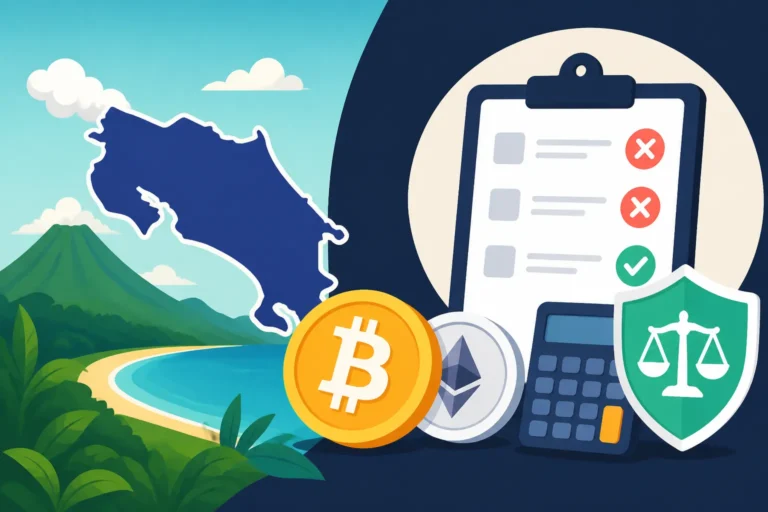
Costa Rican cryptocurrency taxation details how the territorial tax system affects expats buying, selling, staking, and mining digital assets.

Costa Rican property closing costs and government taxes include notary fees, transfer taxes, and 0.5% registration fees.

Costa Rican joint bank accounts for spouses require apostilled marriage certificates, residency cards, and strict tax compliance documents.

Costa Rican property tax payments require identifying your local municipality, checking your balance, and meeting quarterly or annual due dates.

Costa Rica income tax returns for the 2025 tax year are due on March 16, 2026, and must be filed through the ATV portal.

Costa Rica tax rules and foreign earned income exclusions help expatriates manage dual liabilities and avoid double taxation.

Costa Rican business expense deductions require meeting strict territorial tax rules and maintaining proper electronic invoicing.

Costa Rican rental income tax rules, registration steps, progressive rates, deductible expenses, and value added tax obligations for property owners.